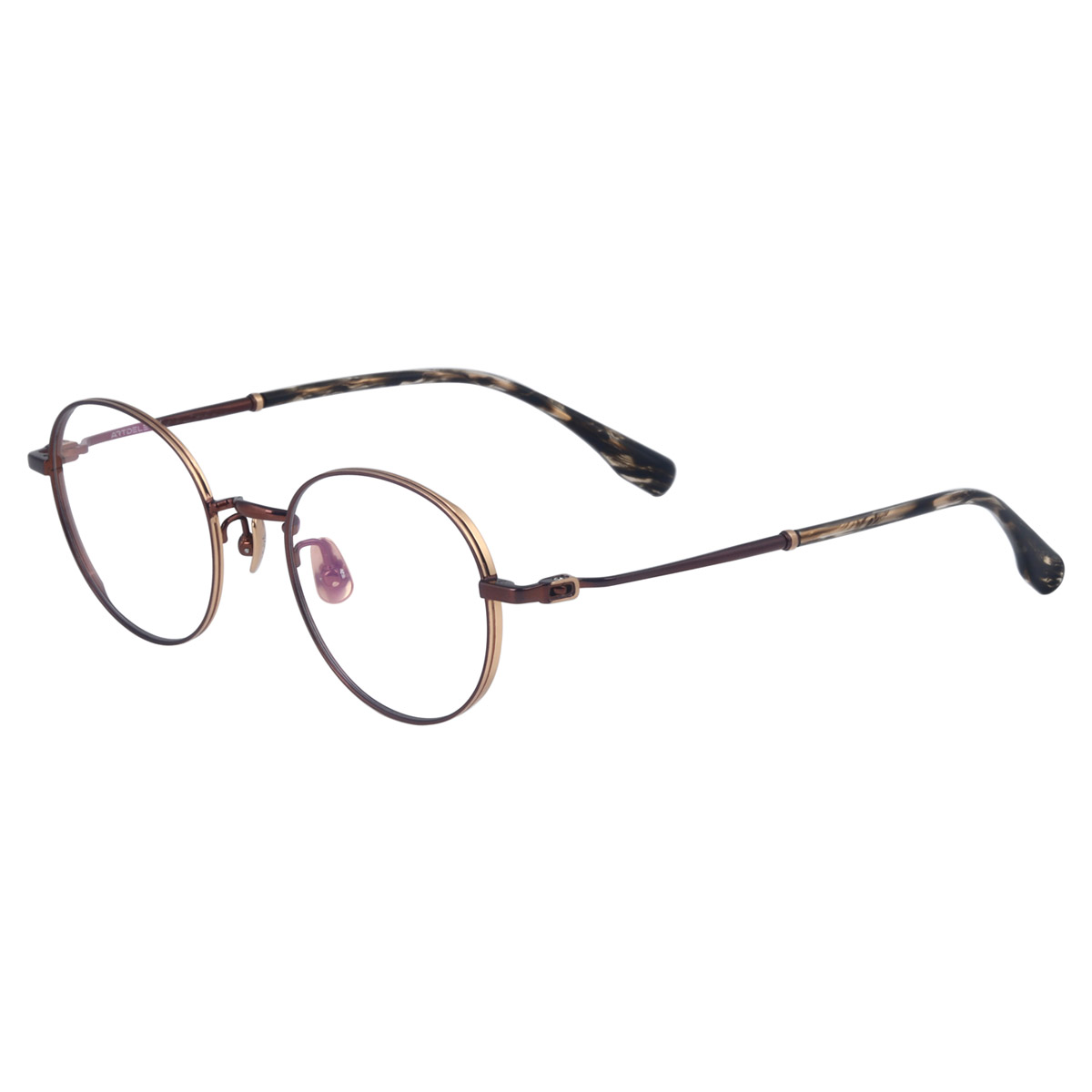
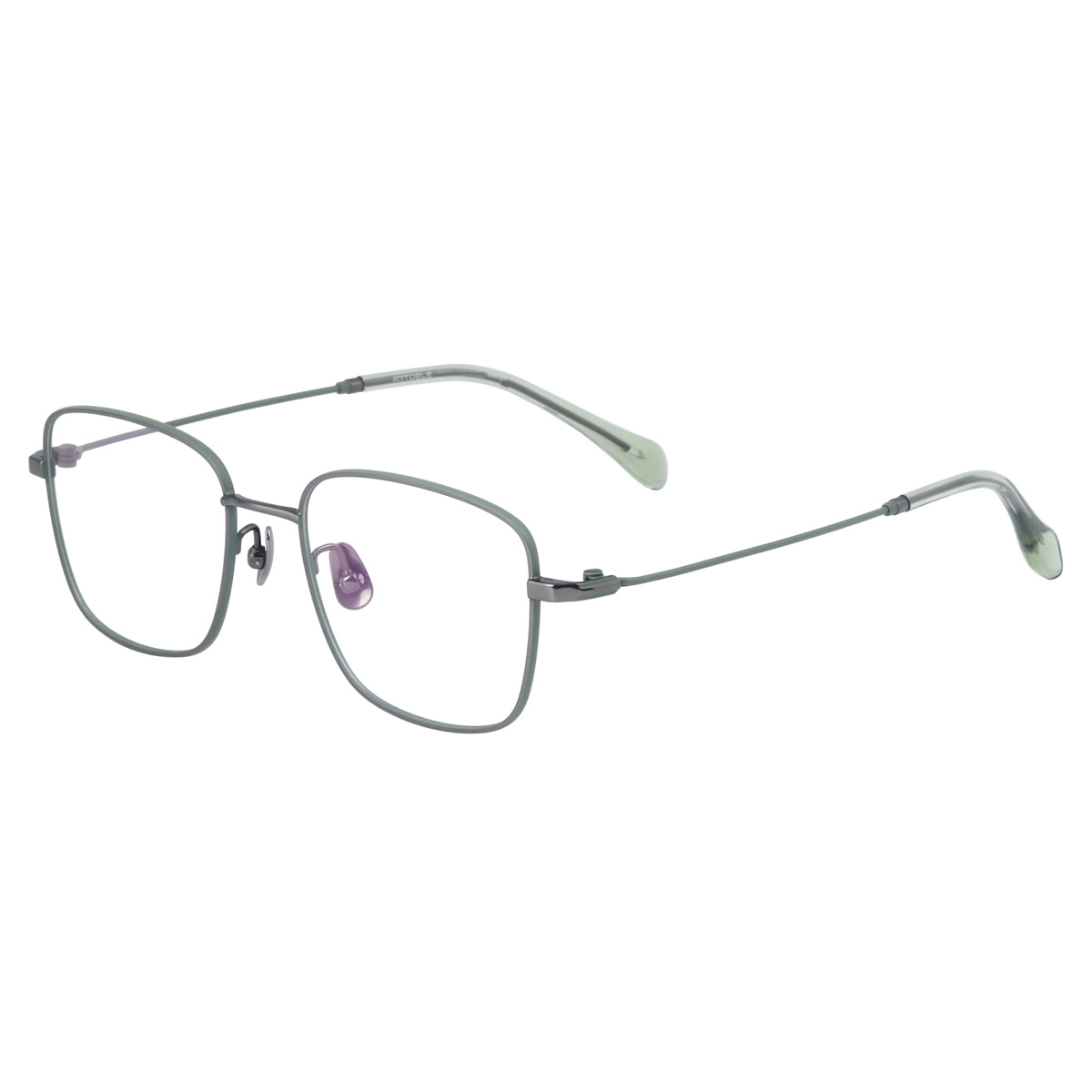
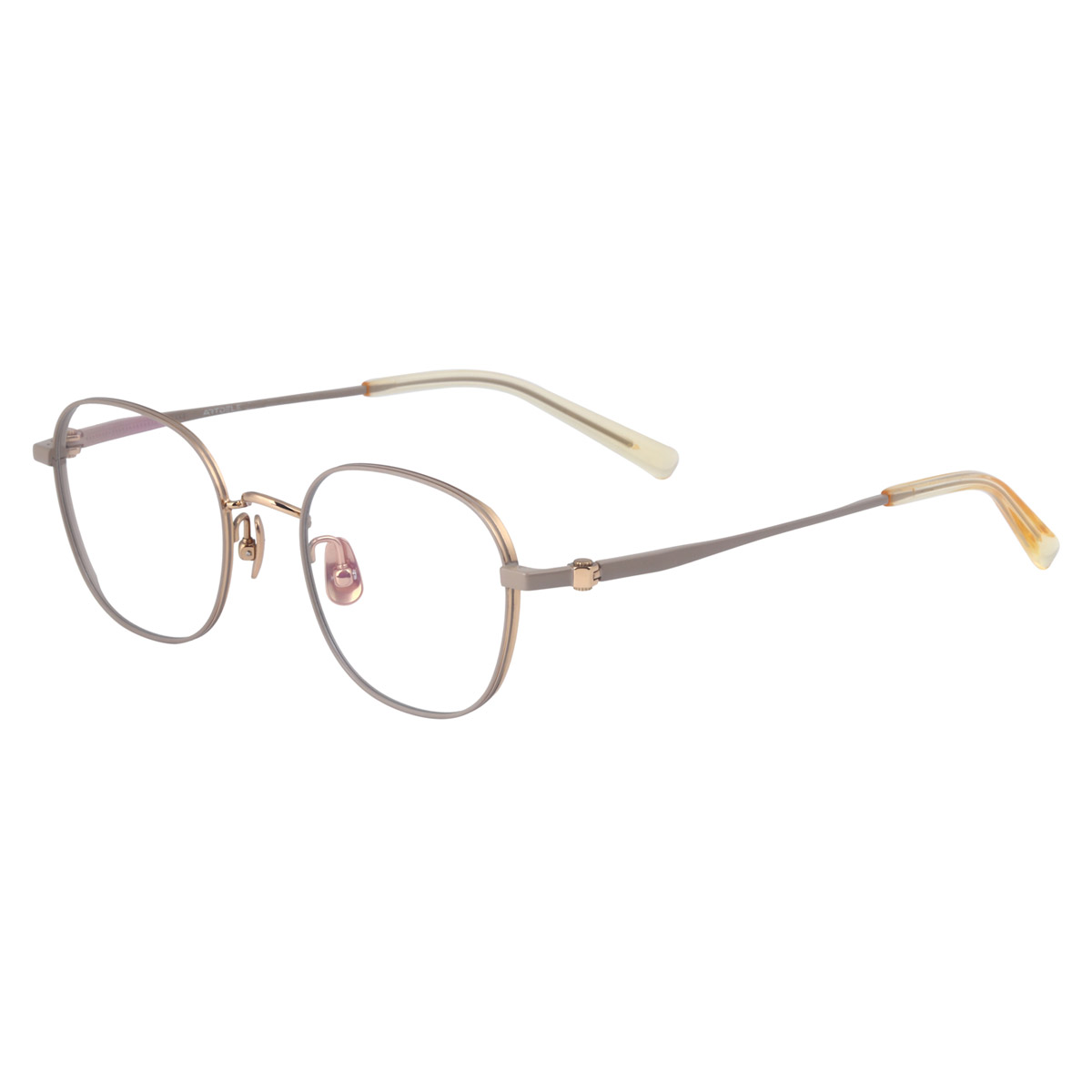
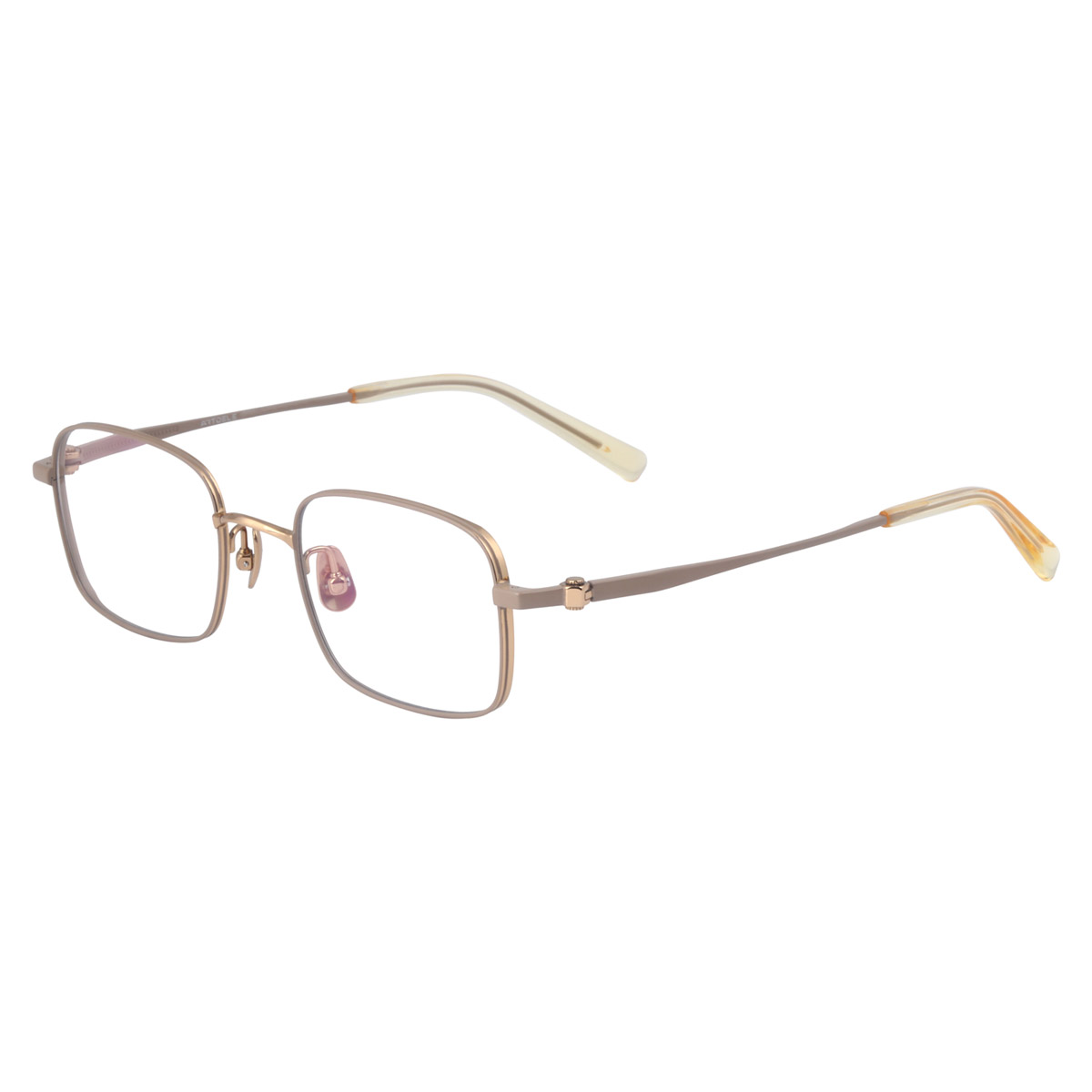
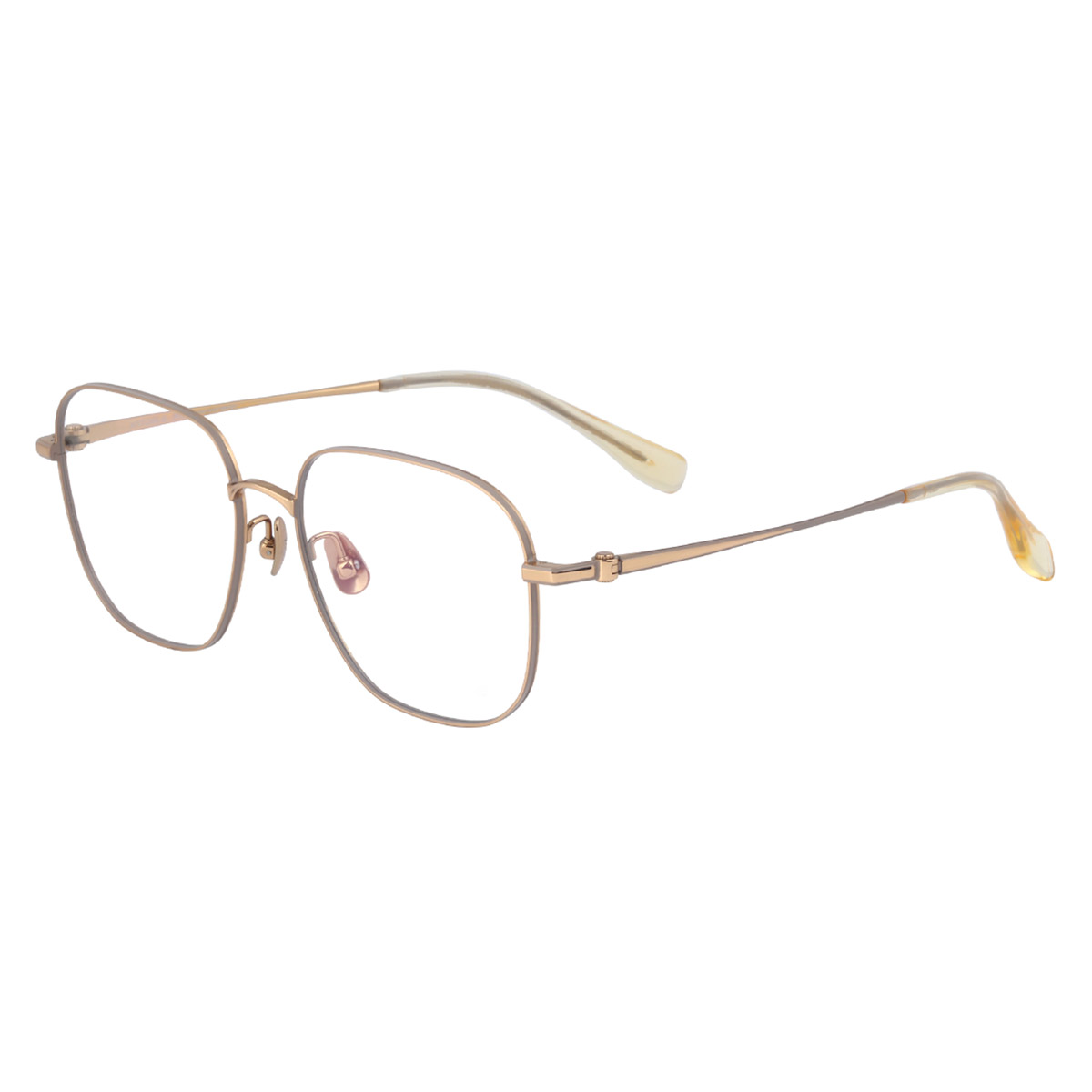
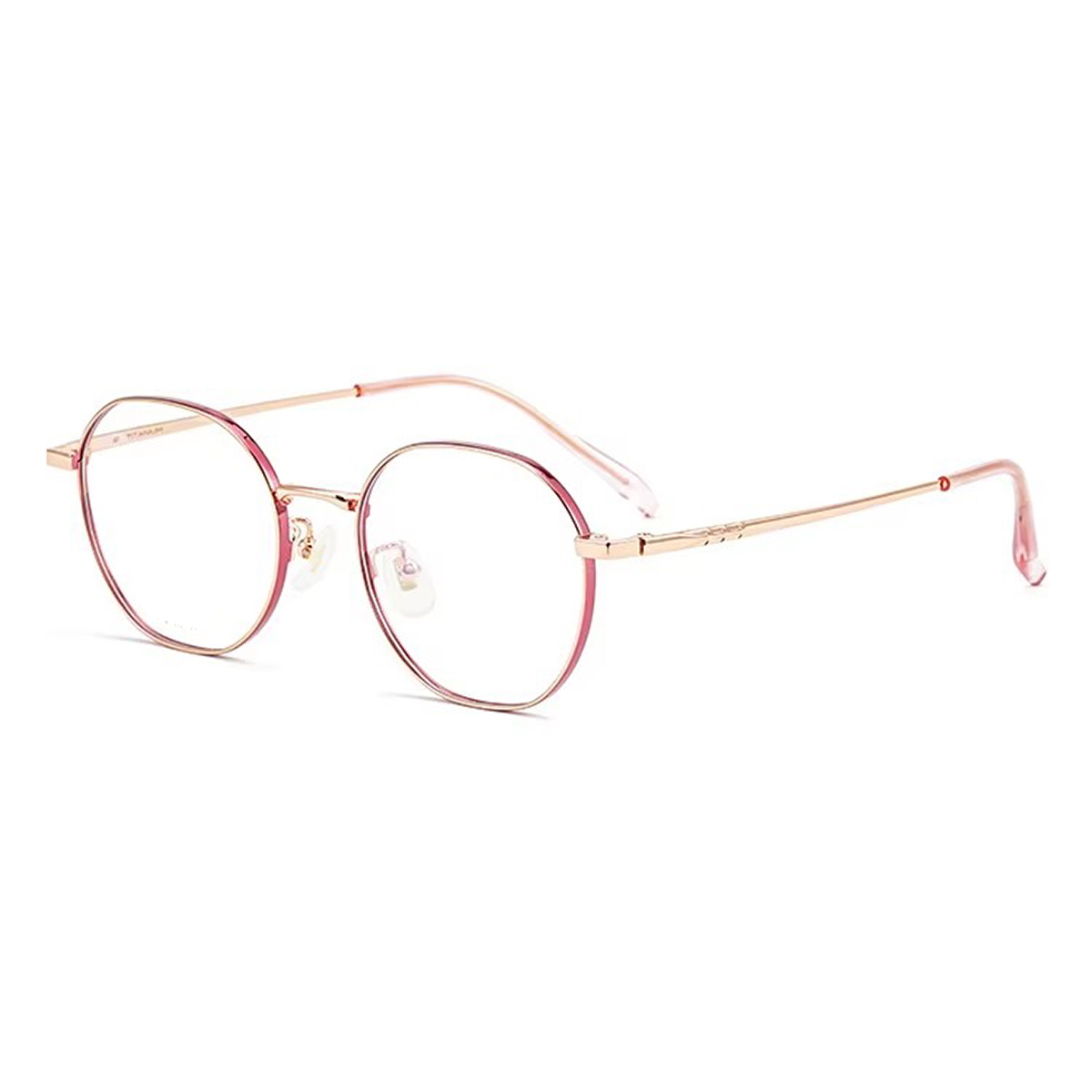
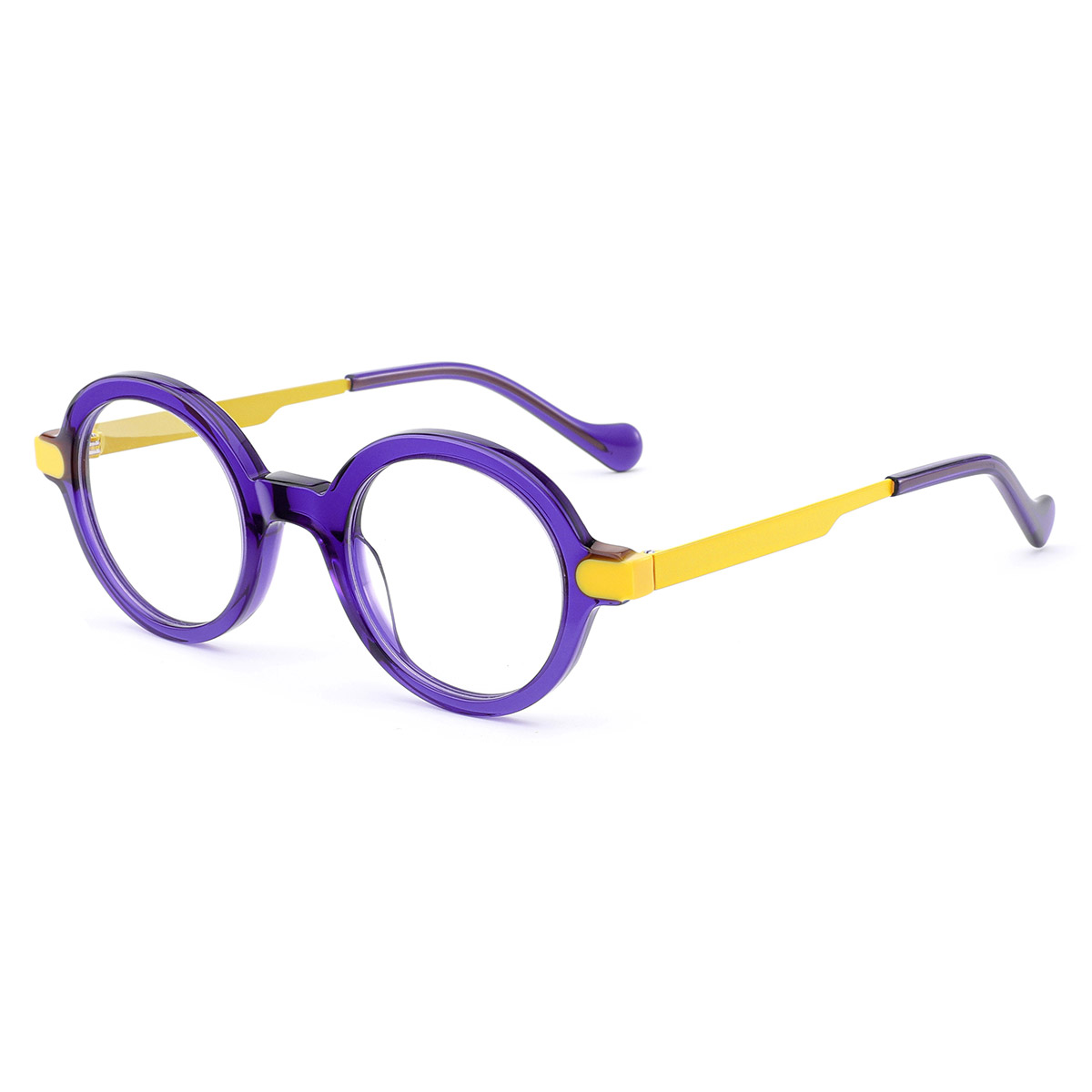
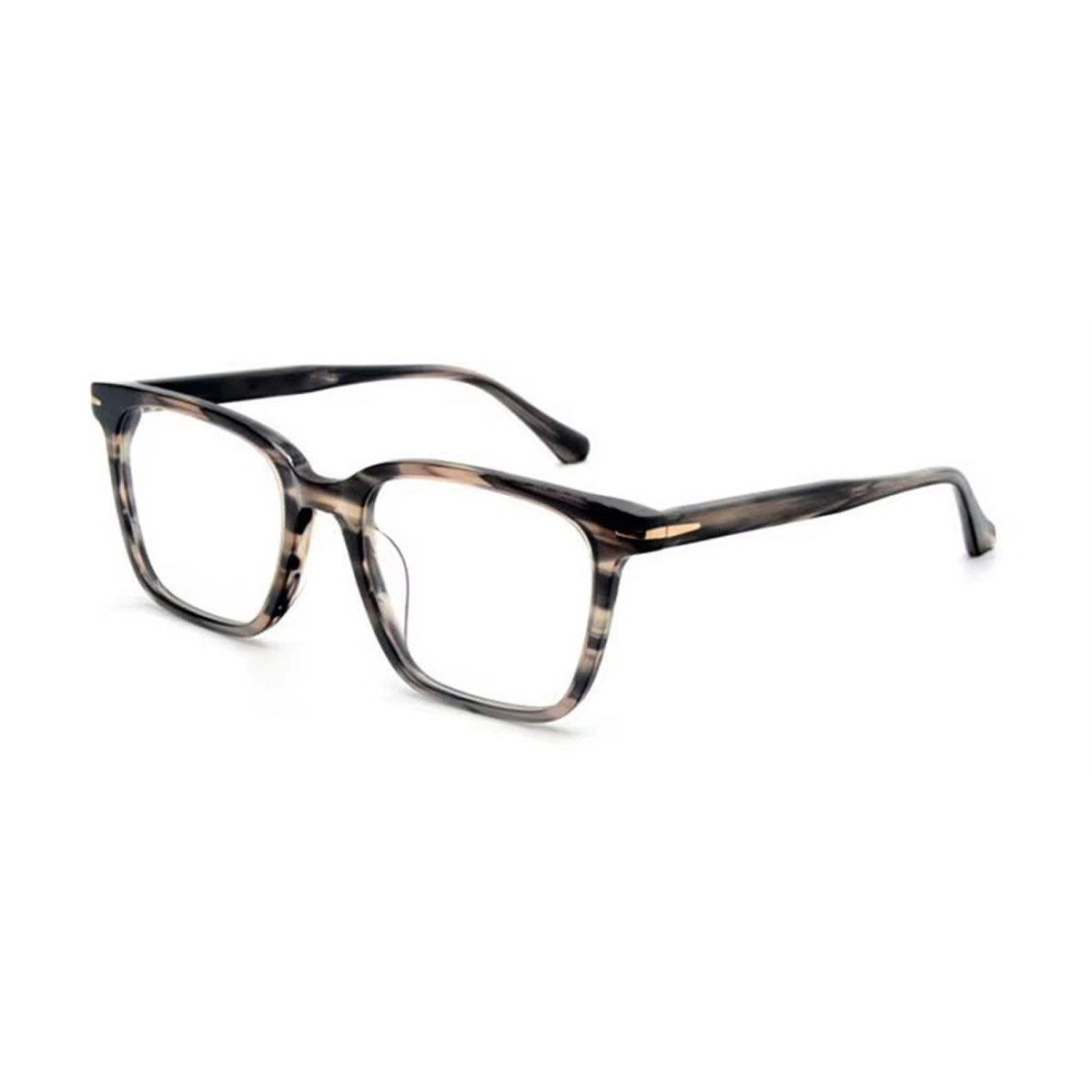
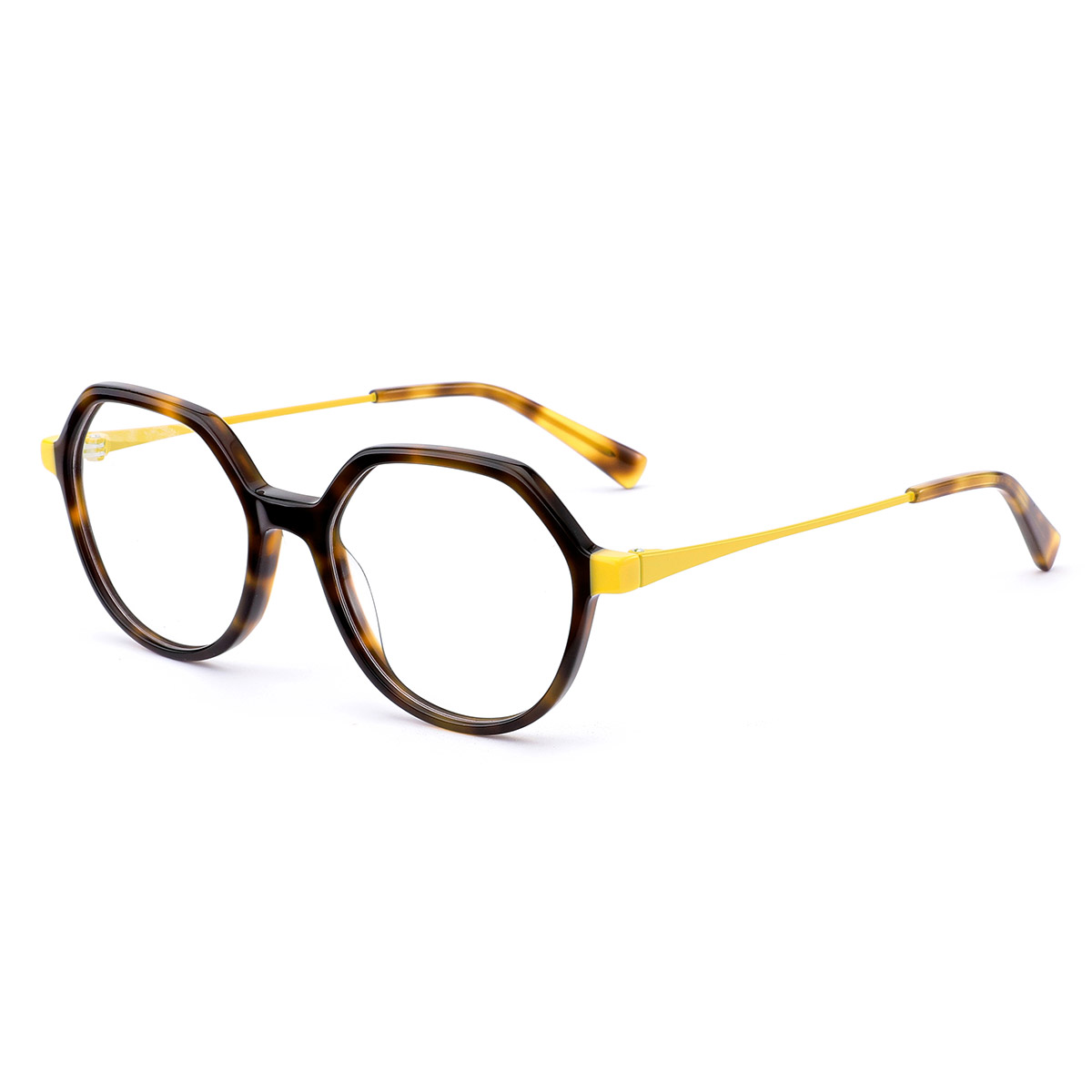
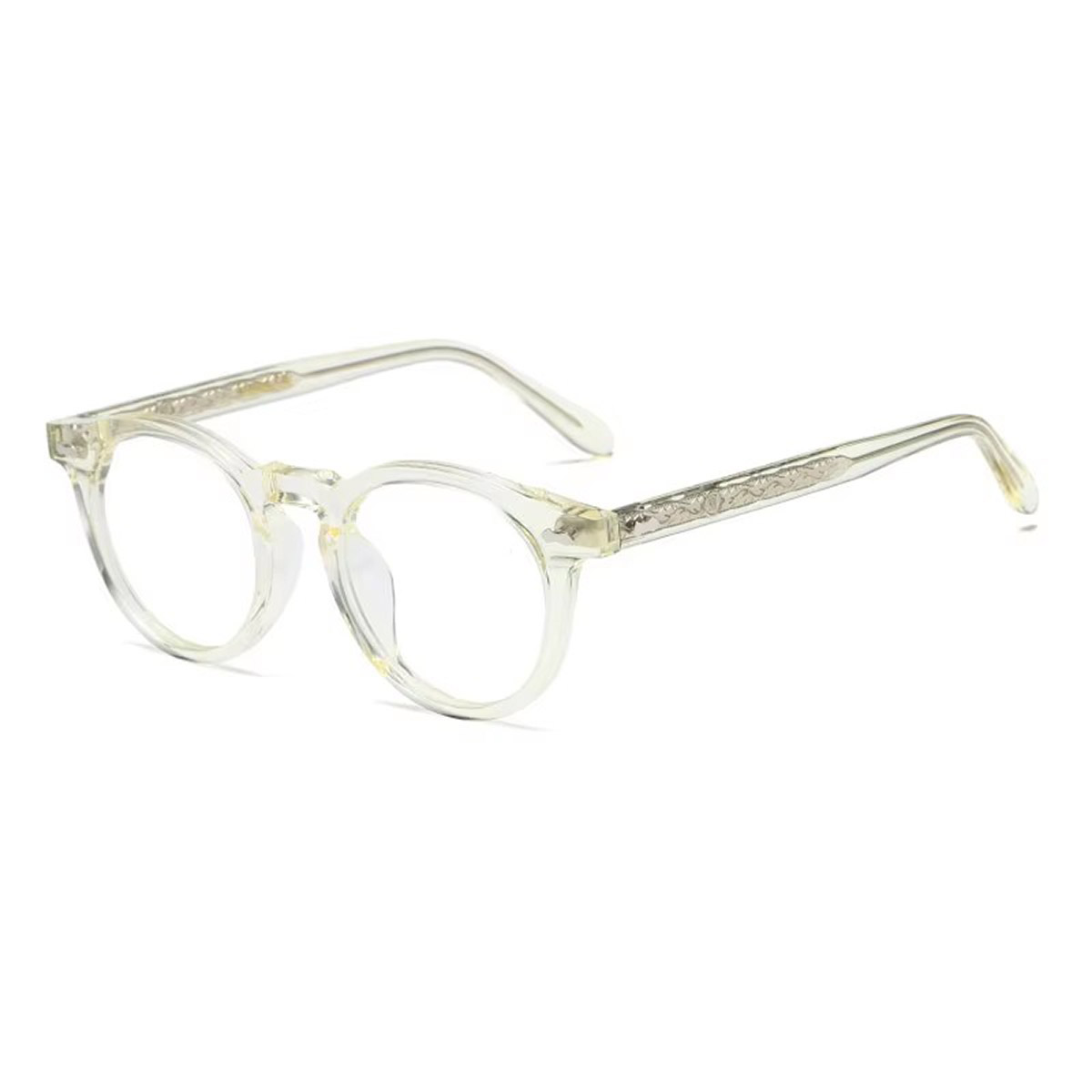
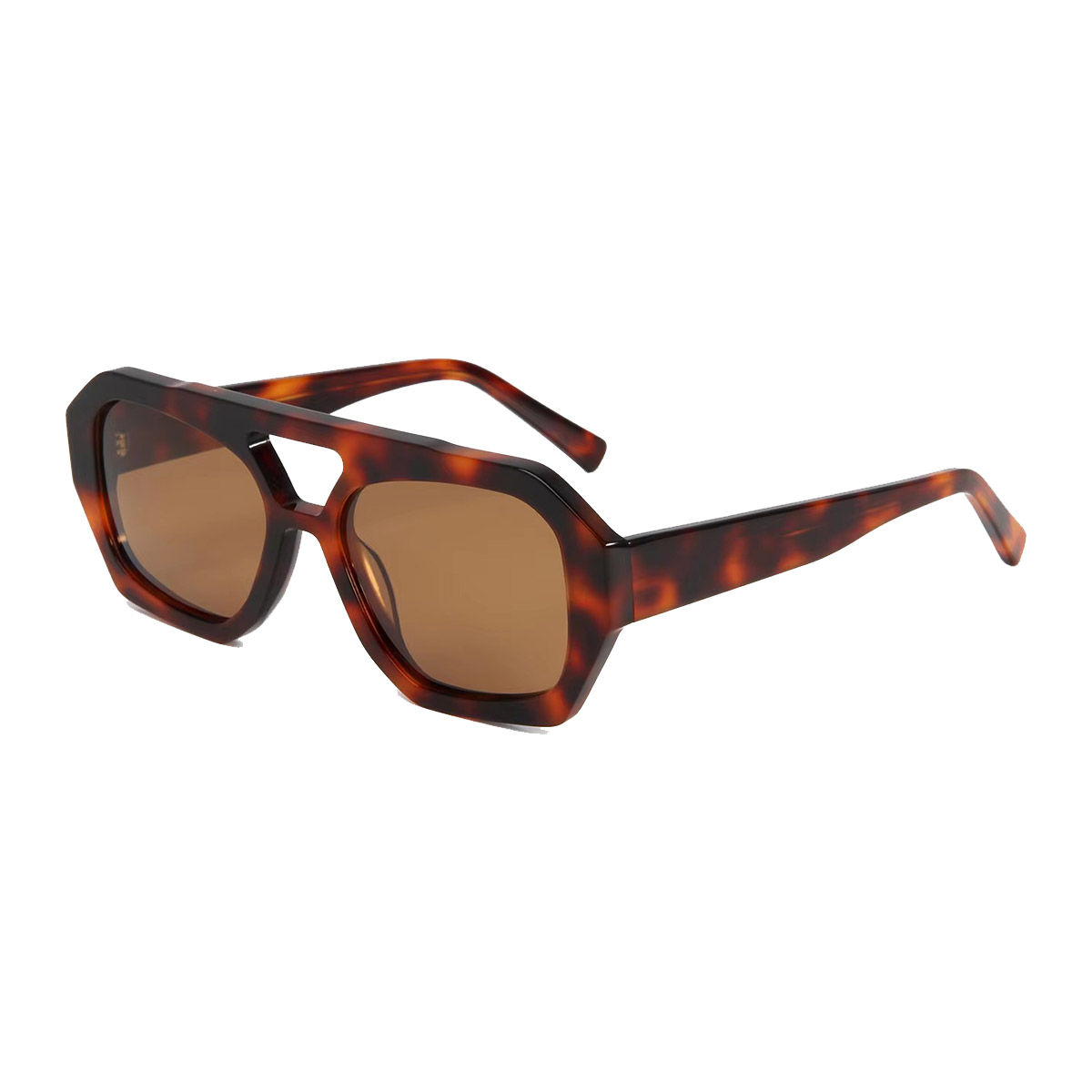
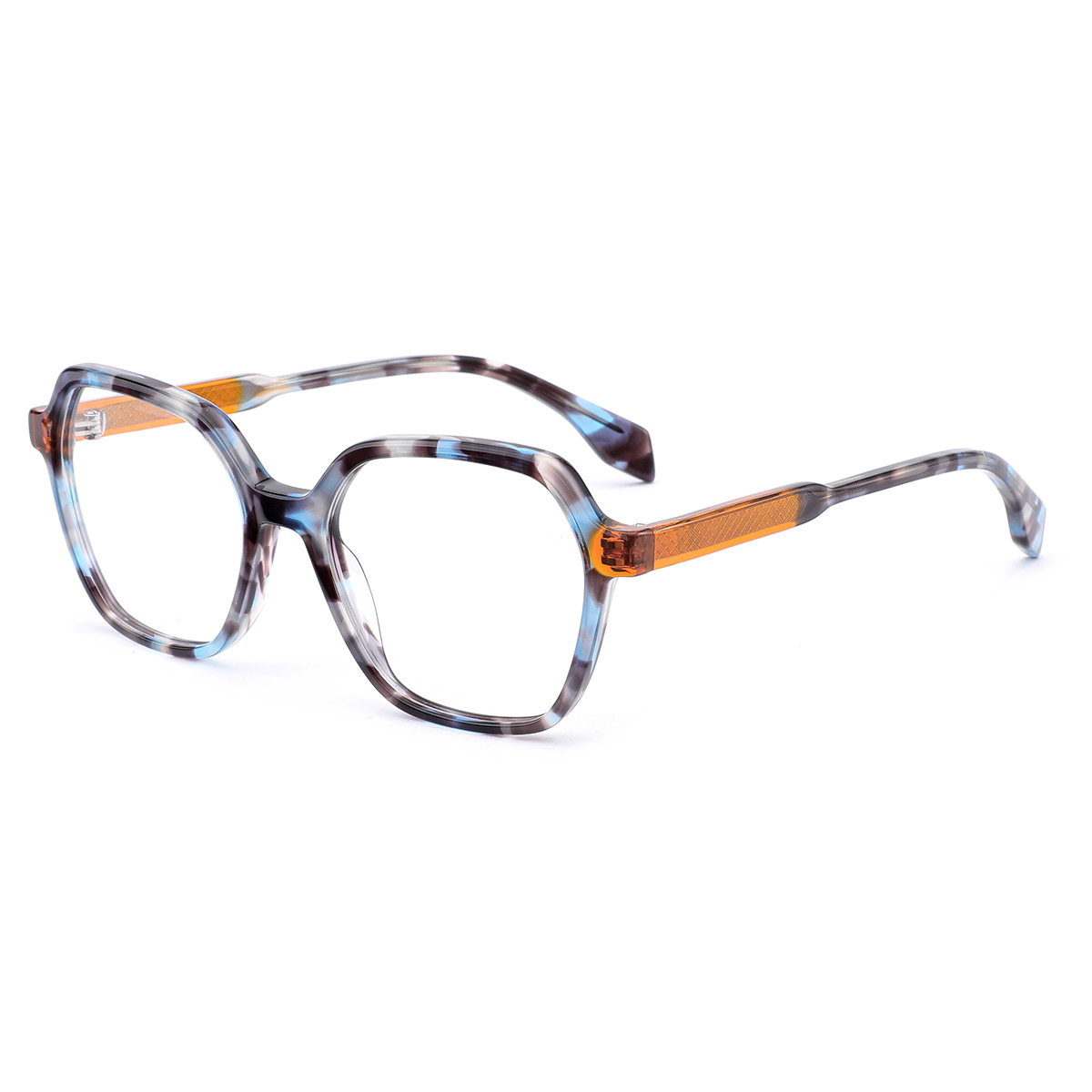
Children absolutely need sunglasses because their eyes are more susceptible to UV damage than adult eyes, making high-quality UV protection a necessity rather than a fashion accessory. Recent ophthalmology studies indicate that because a child’s lens is clearer, it allows up to 70% more UV rays to reach the retina compared to an adult's eye. Protecting vision early in life can prevent chronic conditions such as cataracts and macular degeneration later in adulthood.
Content
Children are more vulnerable to ultraviolet (UV) radiation because their ocular tissues are still developing and lack the protective pigments found in older eyes. While adults often wear sunglasses for comfort, for children, UV protection is a critical health intervention. According to the Vision Council, children receive about three times the annual UV exposure of adults, yet only a small percentage of parents ensure their children wear protective eyewear consistently.
The crystalline lens in a child's eye is extremely transparent. In infants and young children, this lens cannot effectively filter out UVA and UVB rays. This means that nearly all harmful radiation penetrates directly to the back of the eye. By the time a person reaches age 20, they have already received approximately 50% of their lifetime UV exposure. This cumulative damage is irreversible, emphasizing the need for protective sunglasses from a very young age.
Parents must prioritize 100% UV protection and impact-resistant materials over style or tint darkness when selecting sunglasses for their children. Not all dark lenses provide protection; in fact, dark lenses without UV filters can be more harmful because they cause the pupil to dilate, allowing even more UV radiation to enter the unprotected eye.
The most critical feature is a label indicating 100% UVA/UVB protection or UV400 rating. This ensures that the lenses block all light rays with wavelengths up to 400 nanometers, covering the entire spectrum of harmful solar radiation. Always look for certified stickers or tags from reputable manufacturers.
Polycarbonate is the preferred material for children's lenses because it is virtually unbreakable and inherently blocks most UV light. Children are active, and glass or standard plastic lenses can shatter upon impact during play, posing a significant risk of eye injury. Polycarbonate lenses are lightweight and significantly more durable than traditional materials.
Frames should be made of flexible, non-toxic materials like TPEE (thermoplastic polyester elastomer) to prevent breakage and skin irritation. Rigid frames are more likely to snap or pinch. A wrap-around style is also highly recommended to block "peripheral" UV rays that enter from the sides of the glasses.
Understanding the differences between lens types helps parents choose the right eyewear for specific environments, such as the beach or the playground. While all lenses should have UV protection, additional features like polarization can improve visual comfort in high-glare situations.
| Lens Type | Primary Benefit | Best For... |
|---|---|---|
| Standard UV400 | Full UV spectrum blockage | General daily outdoor play |
| Polarized Lenses | Reduces glare from water/snow | Beach trips, skiing, and boating |
| Mirrored Lenses | Reduces light intensity | Extremely bright, high-altitude days |
| Tinted (Grey/Brown) | Maintains color perception | Variable light conditions |
Failure to protect a child's eyes from the sun can lead to serious ocular diseases that manifest later in life. UV damage is cumulative, meaning the "sunburn" the eyes receive today contributes to vision loss decades from now. The following conditions are directly linked to childhood UV exposure:
Many parents believe that cloudy days or hats provide sufficient protection, but these are often insufficient on their own. While a wide-brimmed hat can block about 50% of UV radiation, it does not protect against reflected UV light from surfaces like concrete, water, or sand.
Furthermore, UV levels are not always tied to temperature. A cold, sunny day in the mountains can have higher UV radiation than a warm, overcast day at sea level due to altitude and reflection. Parents should check the UV Index daily; if the index is 3 or higher, sunglasses and sunscreen are mandatory for all outdoor activities.
Consistency and leading by example are the most effective ways to ensure your child adopts the habit of wearing sunglasses. If children see their parents wearing eye protection every time they step outside, they are more likely to perceive it as a normal part of their routine.
Q: At what age should a baby start wearing sunglasses?
A: Most pediatricians and eye doctors recommend baby sunglasses starting at 6 months of age. Before this, infants should be kept in the shade or protected by stroller canopies and hats, as their skin and eyes are extremely sensitive.
Q: Are expensive sunglasses better than cheap ones for kids?
A: Not necessarily. The price tag does not always dictate the level of UV protection. A $10 pair of sunglasses with a certified UV400 sticker is far safer than a $100 designer pair that lacks proper filtering. Focus on the technical specifications rather than the brand name.
Q: Can my child wear sunglasses if they already wear prescription glasses?
A: Yes. You can opt for prescription sunglasses, photochromic lenses (which darken in sunlight), or clip-on polarized lenses. It is vital that vision correction does not come at the cost of UV safety.
Q: Is lens color important?
A: For protection, no. For visual clarity, yes. Grey lenses are excellent for reducing overall brightness without distorting colors, while brown or amber lenses can enhance contrast, which is helpful for sports like baseball or cycling.
Investing in a high-quality pair of children's sunglasses is one of the simplest and most effective ways to protect your child's long-term health. By prioritizing UV400 protection, polycarbonate durability, and a comfortable fit, parents can safeguard their children against the cumulative effects of solar radiation. Remember, the goal is to make eye protection as instinctive as buckling a seatbelt or applying sunscreen. Start today, and ensure your child sees a bright, healthy future.
NEWSLETTER

Copyright © Zhejiang Qiliang Optical Technology Co., Ltd. All Rights Reserved. OEM/ODM Rimless Glasses Frames Manufacturers


 Search
 EN
EN English
 Deutsch
 Français
 Español
 italiano
 cn
cn jp
jp kr
kr