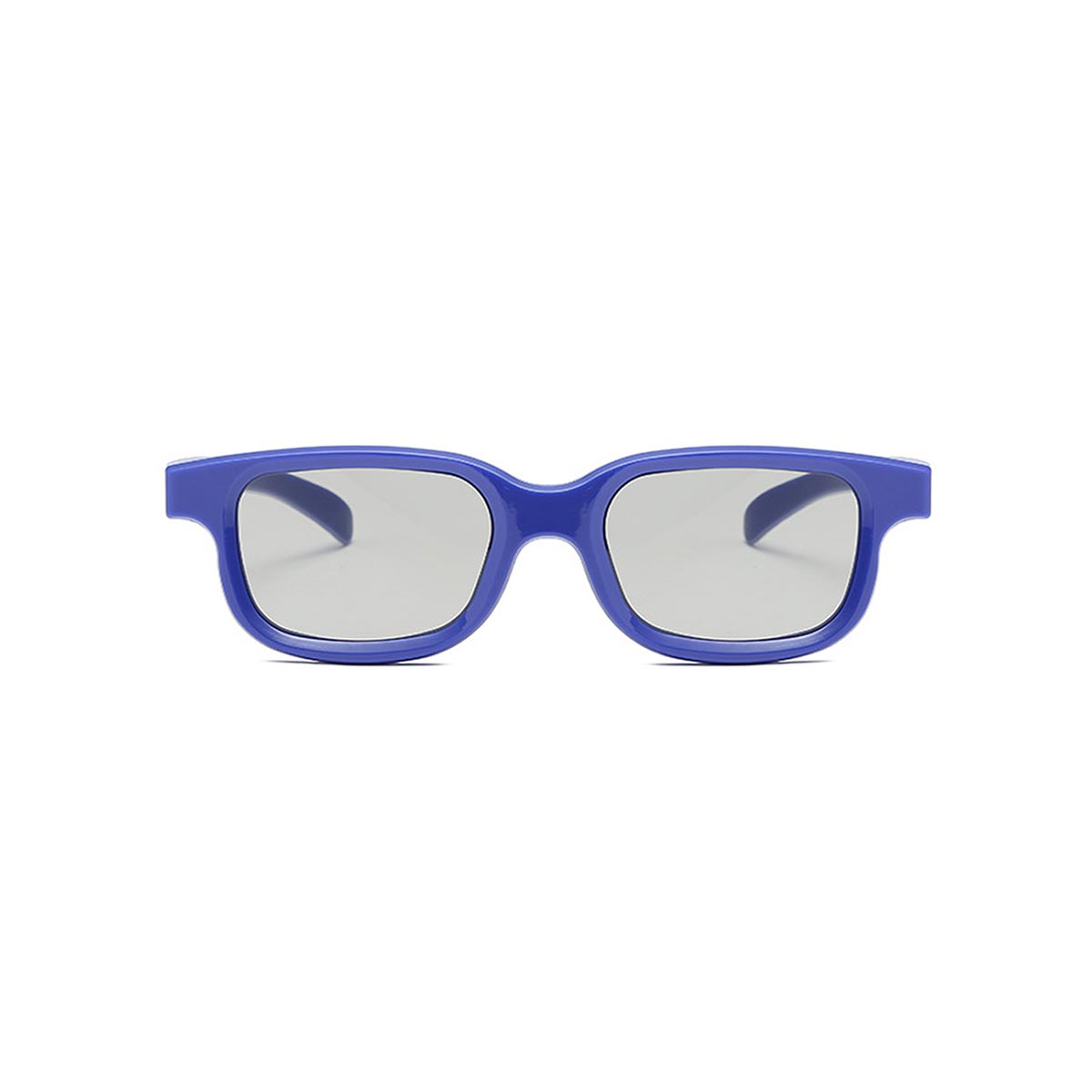
How to Distinguish High-Quality from Low-Quality Metal Sunglasses
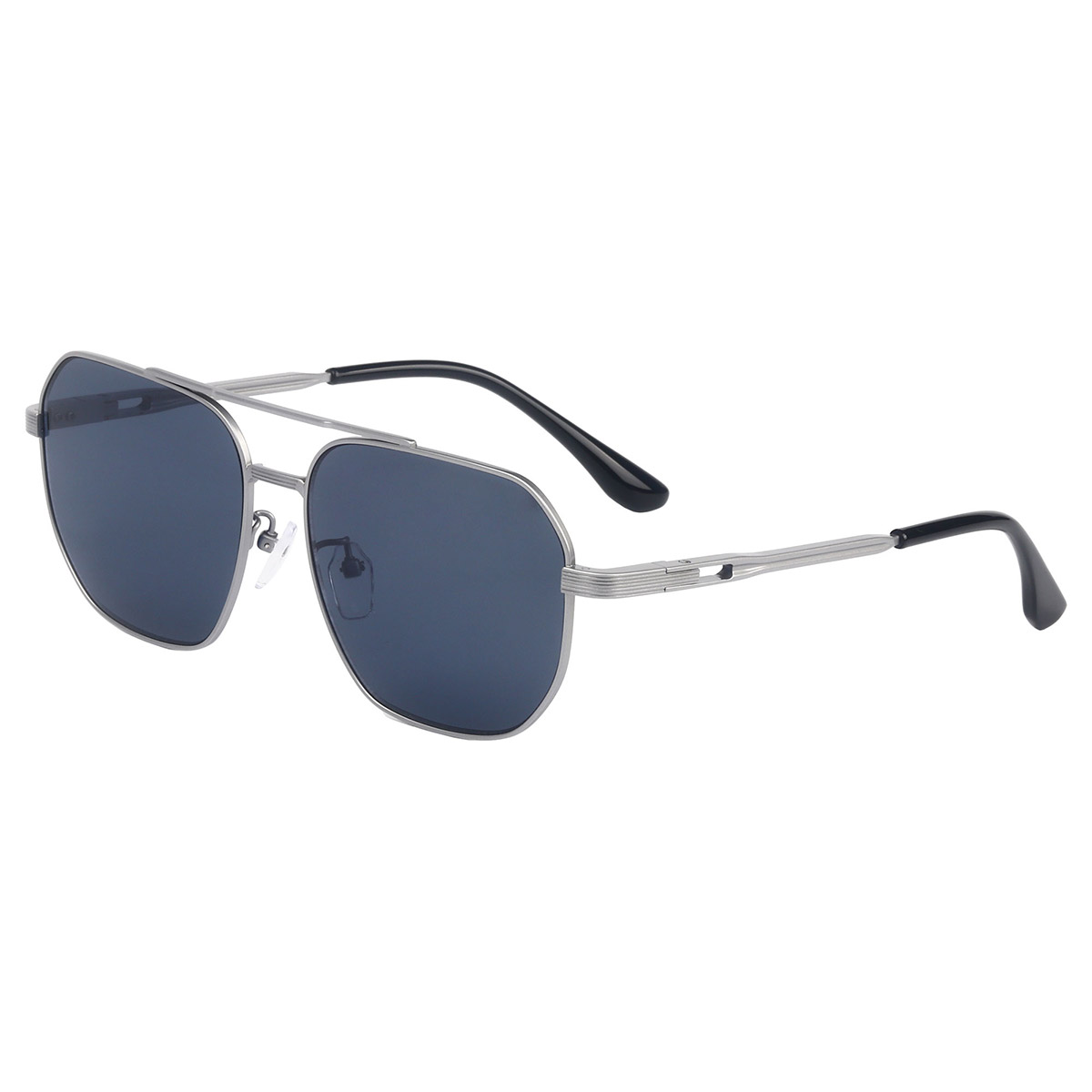
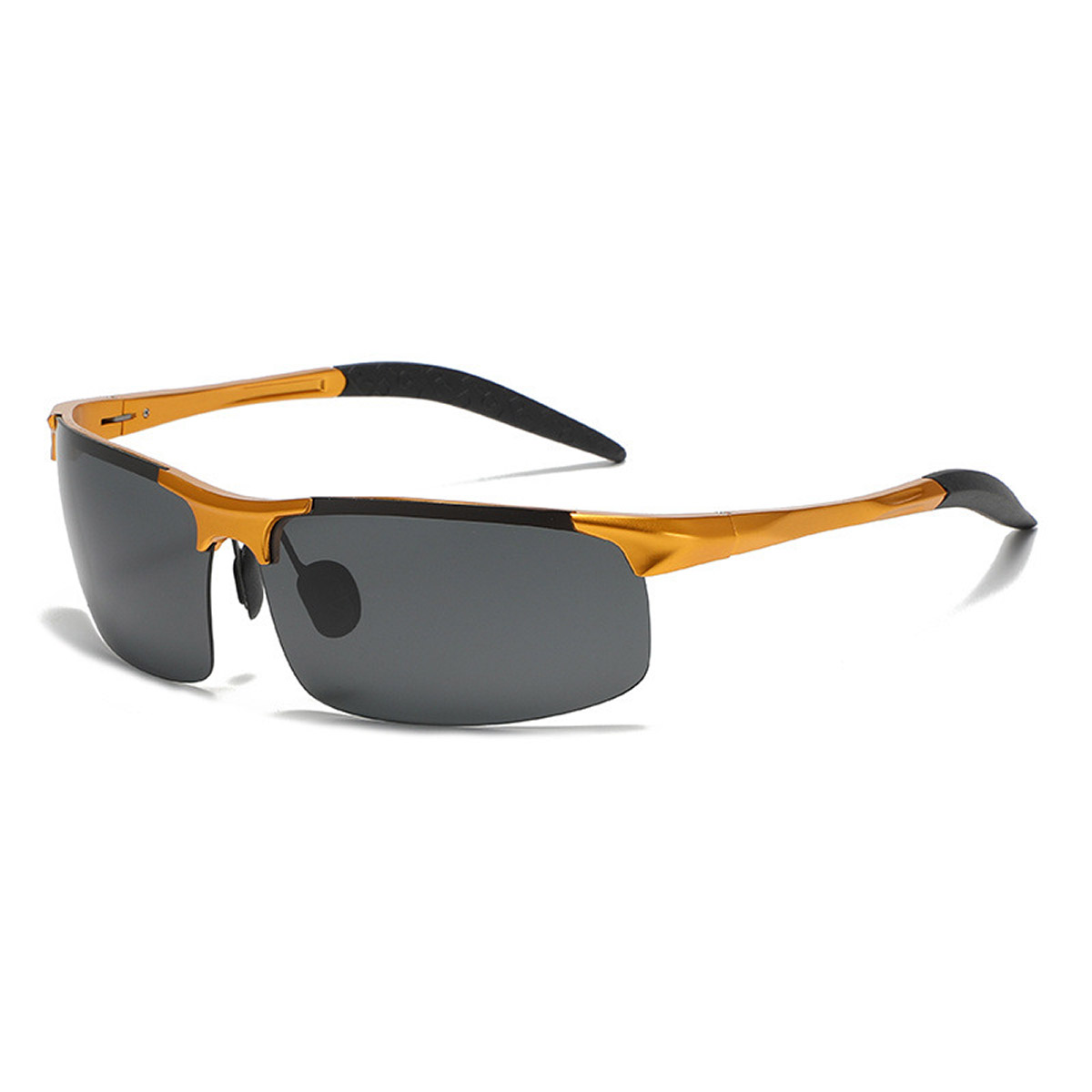
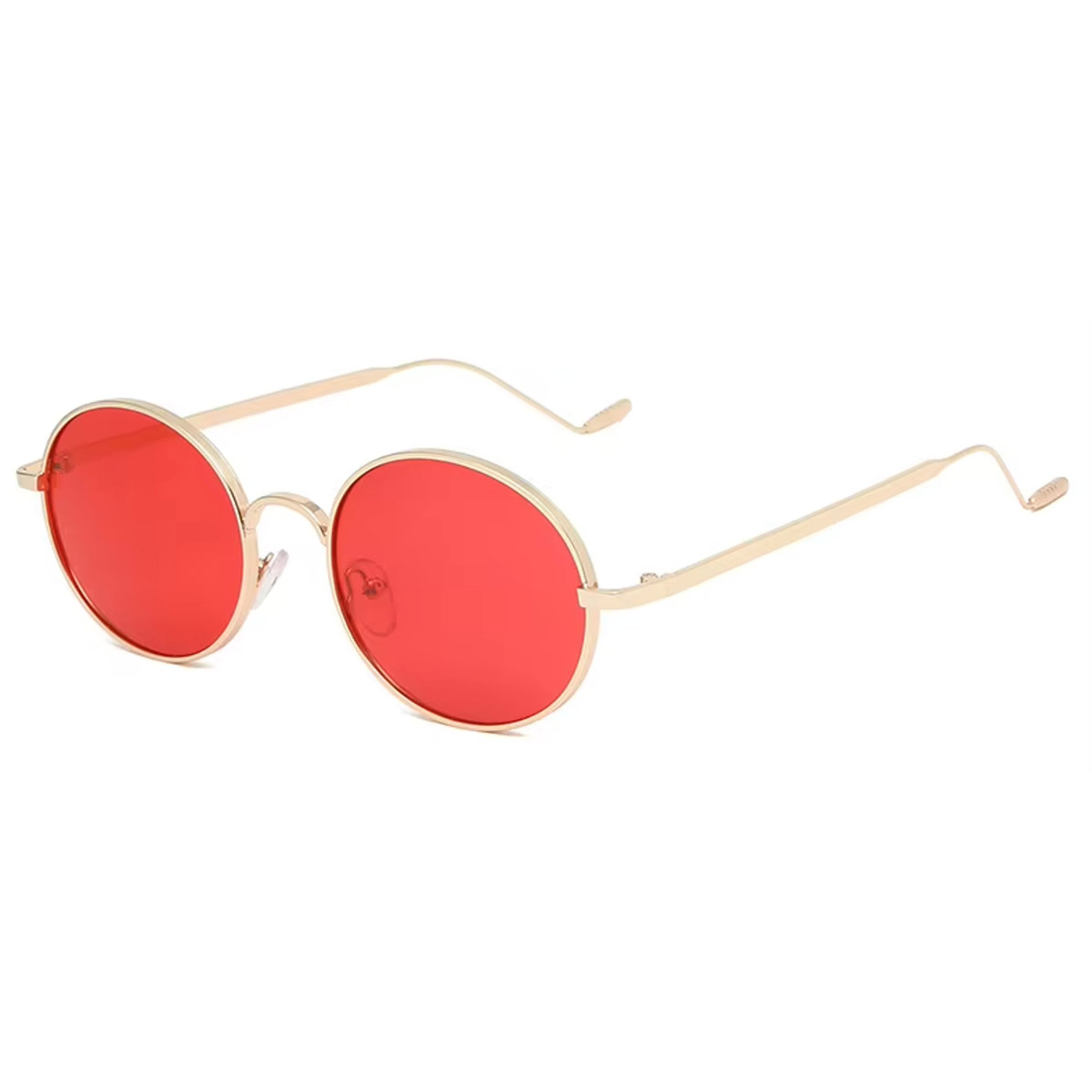
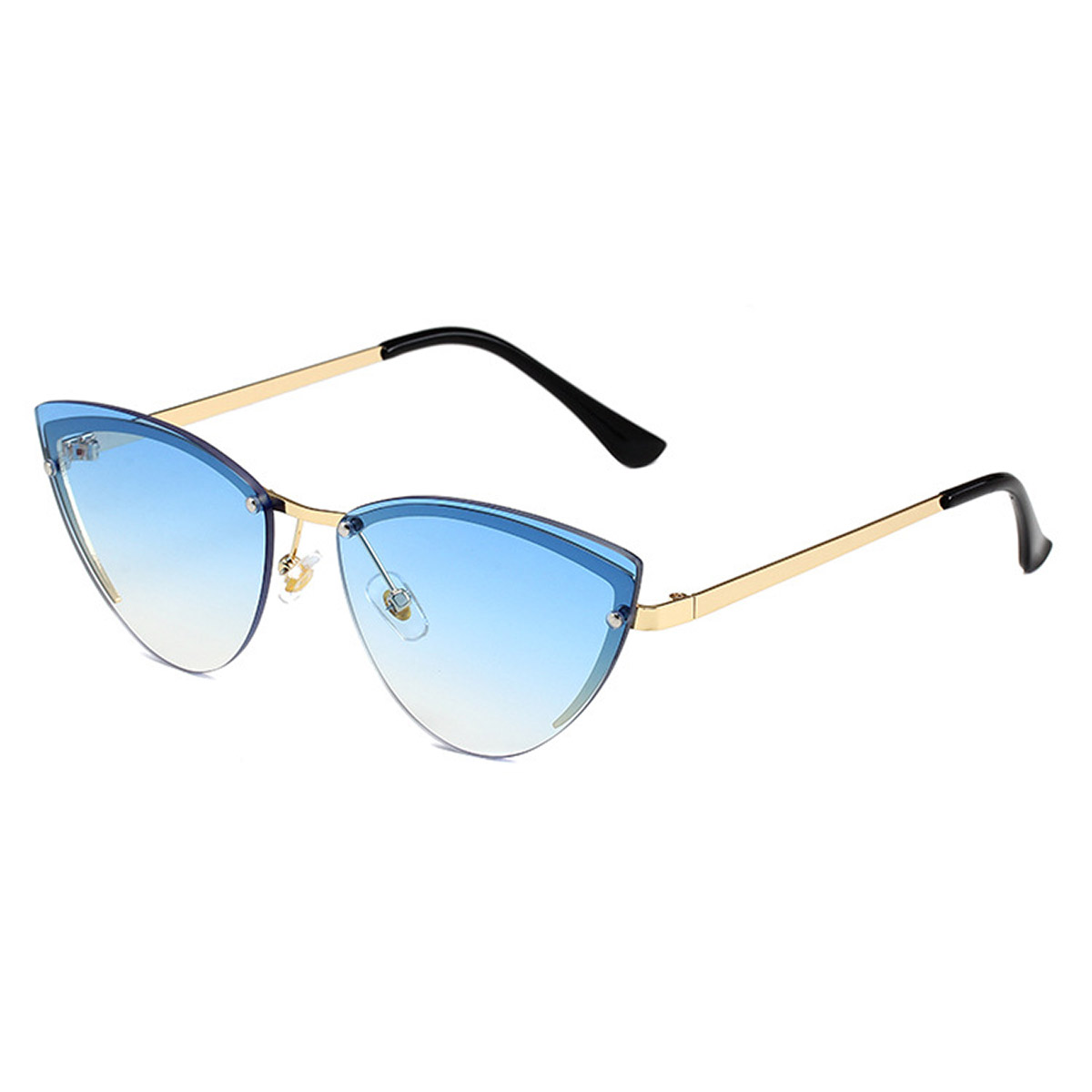
Selecting the right pair of metal sunglasses is an investment in eye health, comfort, and long-term value. The market is saturated with options, making it crucial to understand the key differentiators between superior craftsmanship and inferior products.
1. Material Composition: The Foundation of Quality
The type of metal used is the primary indicator of quality, durability, and comfort.
High-Quality Indicators: Look for frames made from premium materials such as:
Stainless Steel: Offers excellent corrosion resistance, strength, and is often hypoallergenic.
Titanium and Titanium Alloys: The gold standard for metal frames. Pure titanium is exceptionally lightweight, strong, and highly resistant to corrosion. Beta titanium offers even greater flexibility and durability. These materials are ideal for individuals with sensitive skin.
Monel: A nickel-copper alloy known for its strength and resistance to corrosion, though it can cause reactions in those with nickel allergies.
Aluminum: Lightweight and corrosion-resistant, often used in modern, minimalist designs.
Low-Quality Indicators: Inexpensive metal sunglasses often use base metals or alloys that are prone to:
Corrosion and Tarnishing: Frames may develop green oxidation (verdigris) from sweat and moisture.
Allergic Reactions: High nickel content can cause skin irritation and dermatitis.
Heaviness: Poor alloys are often denser, leading to uncomfortable pressure on the nose and ears.
Manufacturers focused on material science, such as Zhejiang Qiliang Optical Technology Co., Ltd., invest significantly in the research and development of advanced metal alloys and polymer materials. Their work in material polymerization and modification directly influences the performance and safety of the final product.
2. Manufacturing and Construction: The Mark of Craftsmanship
How a pair of metal sunglasses is built is as important as what it's made from.
High-Quality Indicators:
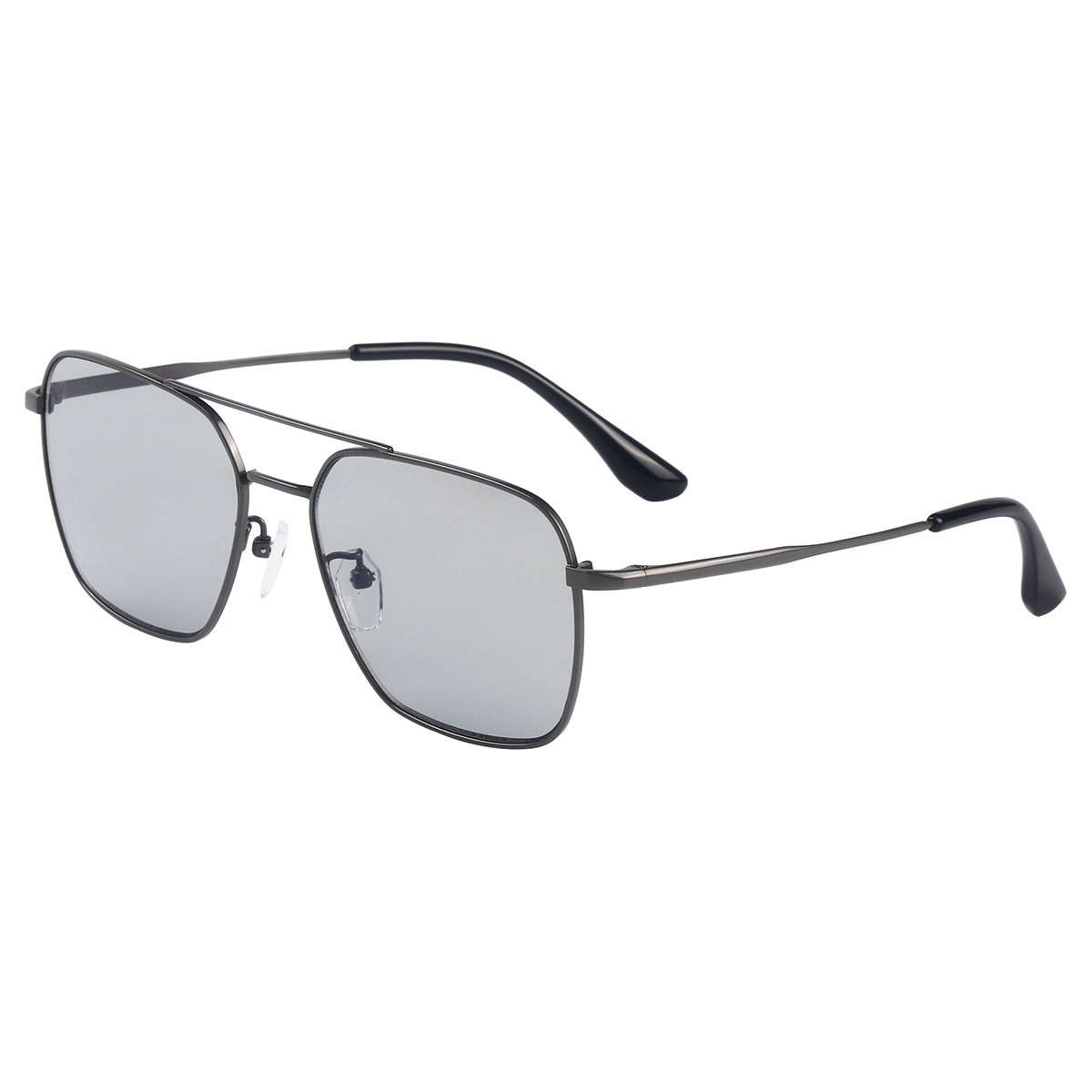
Smooth Welding Points: Examine the temples and bridge for seamless, almost invisible joints. Rough or visible solder points are a sign of poor craftsmanship.
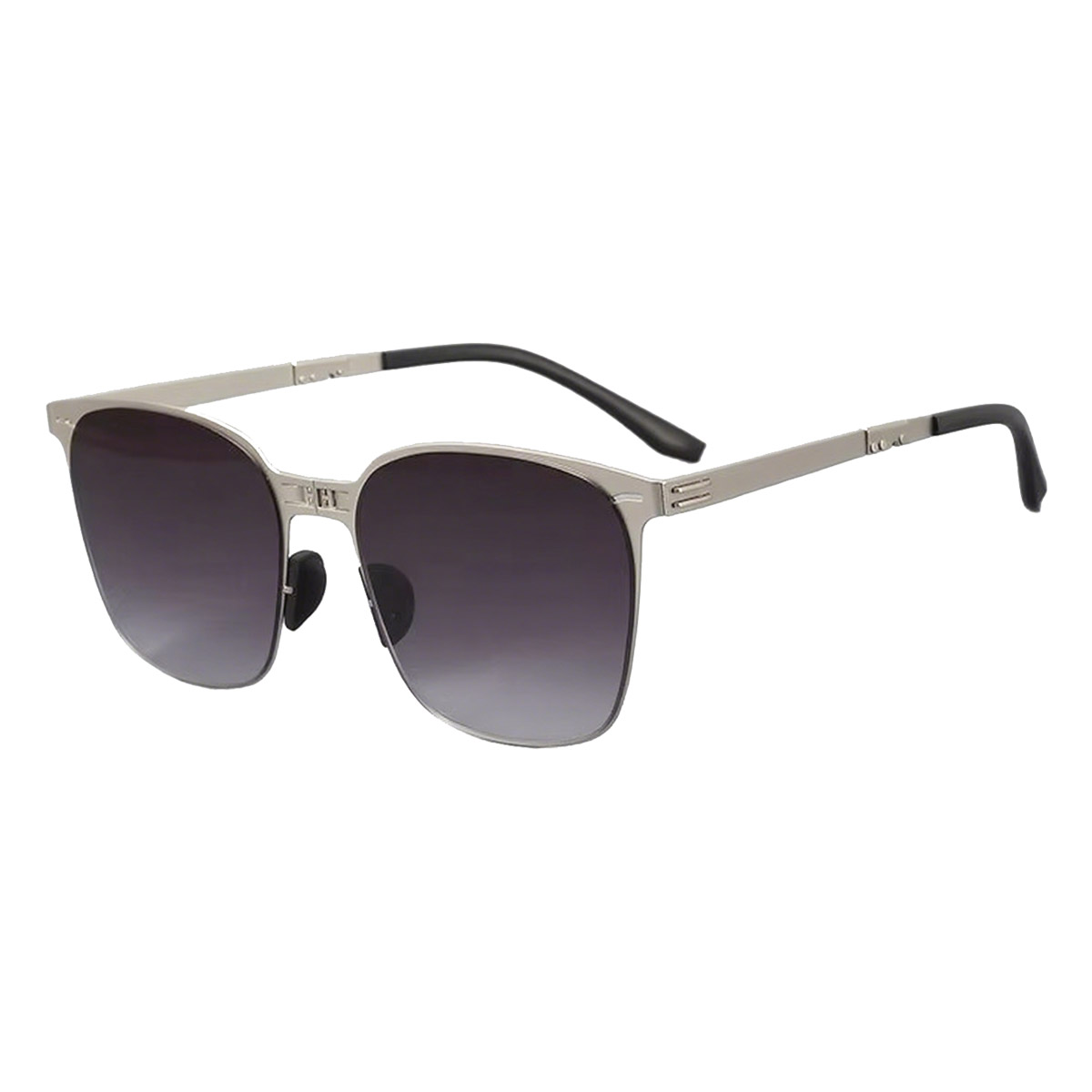
Reinforced Hinges: High-quality hinges are made of sturdy metal, often with multiple barrels (5- or 7-barrel hinges are common), and are securely screwed or riveted into the frame. They should allow for smooth, firm movement without stiffness or looseness.
Spring Hinges: While not essential, well-made spring hinges add durability by providing flexibility and reducing the risk of the temples snapping.
Low-Quality Indicators:
Loose or Squeaky Hinges: This indicates inferior metals or poor assembly and is a common point of failure.
Sharp Edges or Burrs: Run your fingers along the inside of the frame. Any rough or sharp spots signify a lack of finishing quality.
Advanced manufacturing capability is critical here. A company operating 4 dedicated titanium frame production lines and 60 imported injection molding machines, like Qiliang, possesses the technical infrastructure to execute precise, high-tolerance construction consistently.
3. Lens Quality: Protection is Non-Negotiable
The primary function of sunglasses is to protect your eyes from harmful ultraviolet (UV) radiation. This is a matter of health, not just aesthetics.
High-Quality Indicators:
100% UV Protection: Lenses must block 100% of both UVA and UVB rays (UV400 protection). This information should be clearly stated on a label or the product specifications. This protection is inherent in the lens material or coating, regardless of how dark the tint is.
Optical Clarity: High-quality lenses are free from distortions. Look through them at a straight line in the distance; if the line appears wavy or blurred, the lenses are of poor optical grade.
Polarization: Polarized lenses cut reflected glare from surfaces like water, snow, and roads, reducing eye strain and enhancing visual comfort. Quality polarization is even and effective.
Low-Quality Indicators:
No UV Protection Stated: Assume they offer no protection if it is not explicitly labeled. Inadequate UV protection causes pupils to dilate behind dark lenses, allowing more harmful radiation to enter the eye, which is more dangerous than wearing no sunglasses at all.
Visual Distortion: Any warping or blurring is a sign of cheap, improperly molded polycarbonate or acrylic.
4. Finishing and Details: The Final Check
The finer details often reveal the overall commitment to quality.
High-Quality Indicators:
Durable Coatings: Plating (e.g., gold, gunmetal, black) should be even, smooth, and adhered firmly to the base metal without signs of flaking or bubbling.
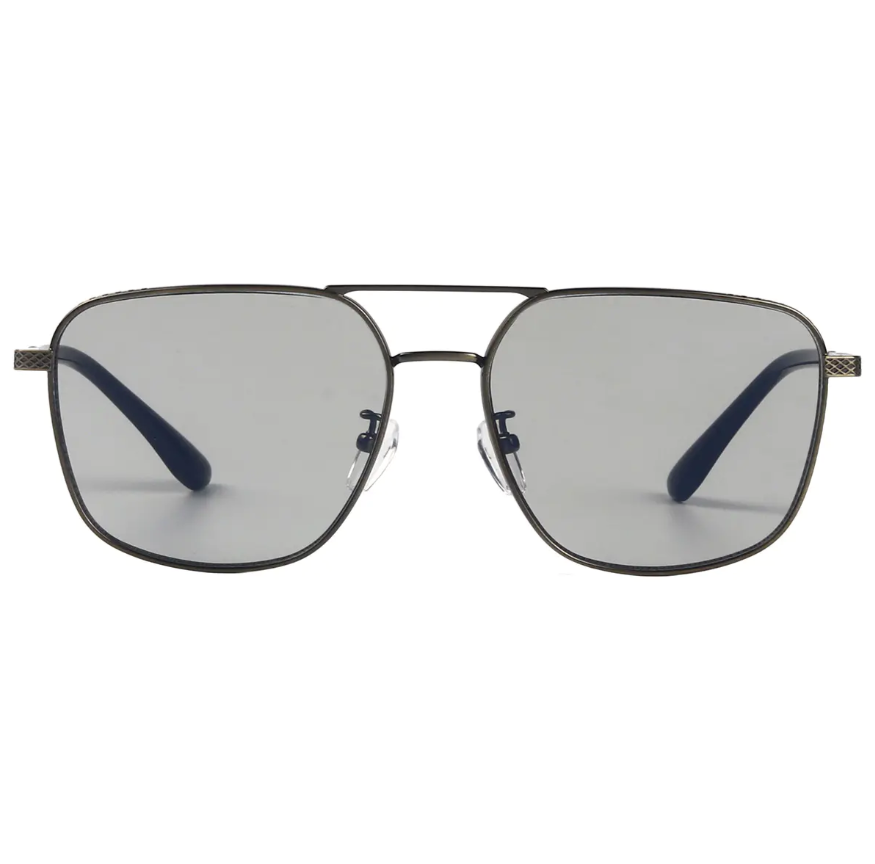
Secure Nose Pads: They should be made of a soft, hypoallergenic material (like silicone) and be firmly attached to the frame with sturdy metal arms.
Even Weight Distribution: The sunglasses should feel balanced on your face without pressing heavily on your nose or temples.

 Search
 EN
EN English
 Deutsch
 Français
 Español
 italiano
 cn
cn jp
jp kr
kr