 Search
 EN
 English
 Deutsch
 Français
 Español
 italiano
 cn
 jp
 kr
High bridge vs low bridge glasses comes down to one practical question: where does the frame rest on your nose, and will it stay there? High bridge glasses are shaped for a taller, more prominent nasal bridge. Low bridge glasses are shaped for a flatter or lower bridge, with a frame front that sits closer to the face and a bridge or nose-pad design that resists sliding. Neither fit is better; the right one keeps the lenses centered without pressure.
A frame can look like a high-bridge or low-bridge style and still fit badly. The label is not a fashion category. It describes bridge height, bridge opening, nose-pad contact, frame angle, and how the temples hold the frame against the head. If those details are wrong, the glasses will slide, sit too low, or press on the sides of the nose.
Content
- 1 What High Bridge and Low Bridge Actually Describe
- 2 High Bridge vs Low Bridge Glasses: A Practical Comparison
- 3 How to Tell Which Fit You Need
- 4 Frame Features That Change the Fit
- 5 Sunglasses, Reading Glasses, and Progressive Lenses
- 6 Buying Risks and What to Check Before You Order
- 7 Frequently Asked Questions About Bridge Fit
- 7.1 What is the difference between high bridge and low bridge glasses?
- 7.2 Are low bridge glasses only for flat noses?
- 7.3 Can I wear low bridge glasses if I have a high bridge?
- 7.4 Do nose pads matter more than bridge height?
- 7.5 How do I stop glasses sliding down my nose?
- 7.6 Are high bridge glasses better for progressive lenses?
What High Bridge and Low Bridge Actually Describe
The bridge is the part of the frame that crosses your nose, and its fit is set by the height of your nasal crest plus the shape of the frame opening.
“High bridge” refers to a nose with a taller, more prominent crest. A high bridge frame usually gives that crest enough room so the frame does not sit too low. “Low bridge” refers to a lower or flatter crest, often with a broader nasal profile. A low bridge fit changes the bridge angle, pad placement, and frame front so the glasses sit closer and higher instead of sliding down.
- Bridge height: how much clearance the frame gives your nose before it touches or rests.
- Nose-pad type: adjustable pads can be set wider or narrower; molded bridges rely on shape alone.
- Frame angle: the tilt of the front relative to the temples affects where the frame settles.
- Temple grip: if the arms are too loose, even a good bridge fit will move.
- Lens weight and height: heavier or deeper lenses can pull a frame downward.
High Bridge vs Low Bridge Glasses: A Practical Comparison
A high bridge frame usually needs a taller bridge opening, while a low bridge frame needs a closer fit and stronger grip. The table below shows the main differences in everyday terms.
| Fit detail | High bridge fit | Low bridge fit |
|---|---|---|
| Bridge opening | Taller or more open, shaped for a higher nasal crest. | Lower and closer, designed to keep the frame front from dropping. |
| Nose-pad contact | Pads sit on the sides of the bridge without spreading too wide. | Pads or bridge shape add contact area and help prevent sliding. |
| Frame angle | Standard angle often works; too much tilt can lift the lower rim. | A small angle change may be needed to keep the lenses vertical. |
| Temple fit | Temples should hold the frame without pressing behind the ears. | A little more wrap or grip can stop the frame moving forward. |
| Common complaint | Bridge pressure or lenses sitting too high. | Frame sliding down and lenses sitting too low. |
How to Tell Which Fit You Need
Use your glasses’ resting position, not your mirror impression, as the main clue. Put the frame on, look straight ahead, and check where it sits after five minutes of normal wear.
- The frame slides down repeatedly: the bridge is probably too low, too wide, or too smooth for your nose. Low bridge fit is often the better starting point.
- The bridge presses on top of your nose: the opening may be too small or too high for your crest. A high bridge fit or a different bridge shape may help.
- Nose pads leave deep marks but the frame is still loose: the pads are concentrating pressure rather than spreading it. Wider or adjustable pads may improve grip.
- Lenses sit too close to your cheeks or lashes: the frame is likely sitting too low. Check bridge height before changing lens size.
- You push the glasses up all day: the bridge and temples are not working together. A tighter temple alone can create pressure without solving the sliding.
Frame Features That Change the Fit
Adjustable nose pads and the right bridge shape do more for fit than frame color or surface finish. For many wearers, small hardware changes matter more than moving to a completely different frame style.
Nose Pads and Bridge Shape
Adjustable nose pads are the easiest fit correction because they can be angled, widened, or brought closer together. A keyhole or saddle bridge can work for some low-bridge wearers, but only if the frame sits at the right height. A high-bridge wearer may need a taller bridge opening and pads that do not sit too low.
Frame Angle and Temples
A frame front should not sit perfectly vertical on every face. Small angle changes can keep the lenses centered, but too much tilt changes the effective lens position and can blur vision. The temples should touch behind the ear without pressing hard; if they are too loose, the frame will slide forward even when the bridge is correct.
Material and Weight
Light frames are comfortable, but weight is not a substitute for geometry. A light frame that sits on the wrong part of the nose will still slide. When comparing optical frames, check bridge width, pad type, and temple length before choosing a material.
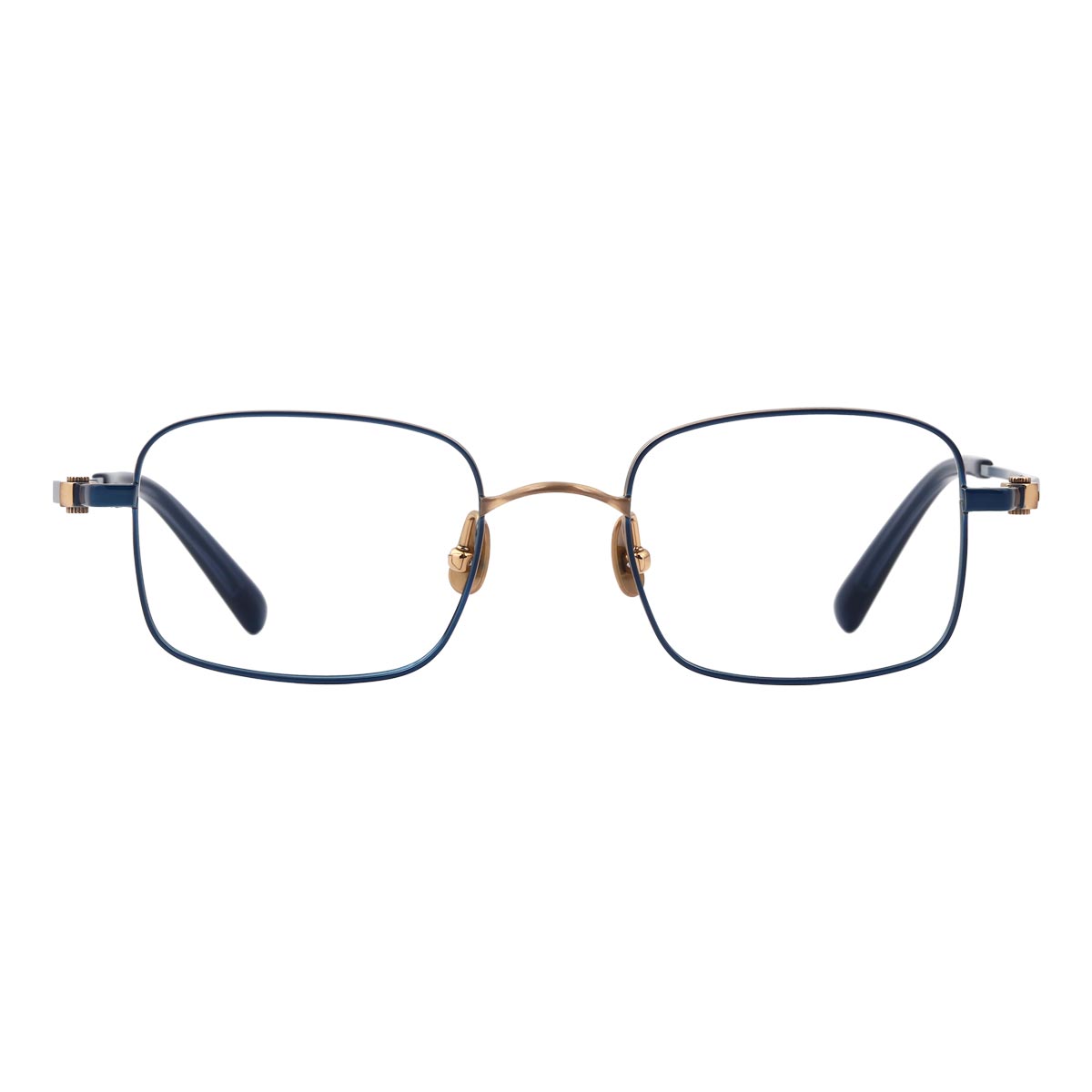 Lightweight Pure Titanium Optical Frames for Everyday WearThese titanium alloy frames offer a lightweight, anti-allergic option for business and daily wear, though bridge fit still matters.View Product →
A pure titanium frame can reduce pressure and is a sensible option for wearers who need a light frame with less downward pull. It still needs the right bridge height; low weight alone will not stop a poor fit.
Acetate frames rely more on molded bridge shape and temple fit because the bridge usually has no adjustable pads. A keyhole bridge or a built-in saddle can be more forgiving, but the frame width must still match the face.
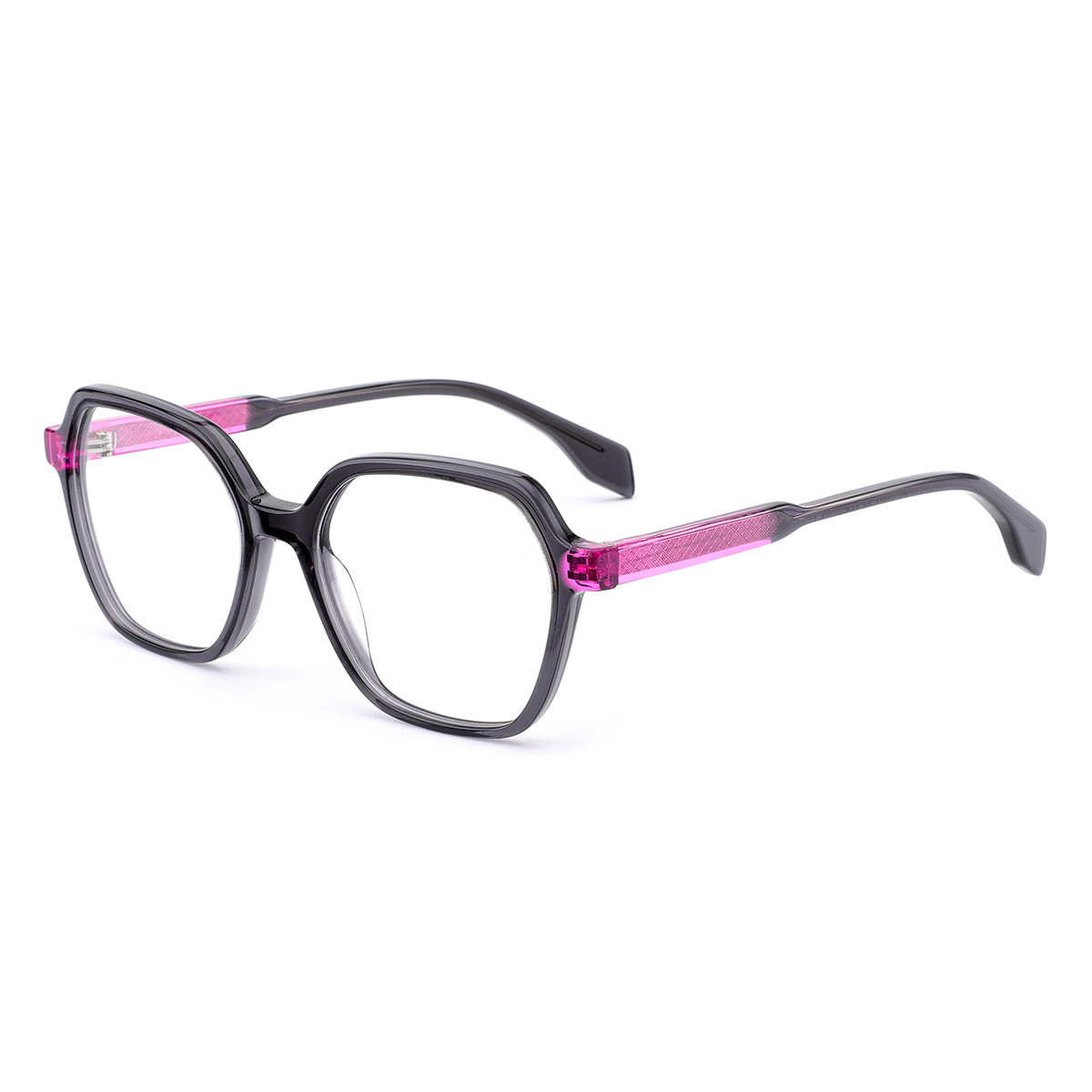 Retro Tortoiseshell Acetate Optical FramesClassic tortoiseshell acetate frames with adjustable nose pads and polished edges, suited to prescription or blue-light lenses and everyday styling.View Product →
Ultem is a lightweight, flexible material that can be molded into closer-fitting shapes. Flexibility helps comfort, but it does not replace correct bridge height or pad contact.
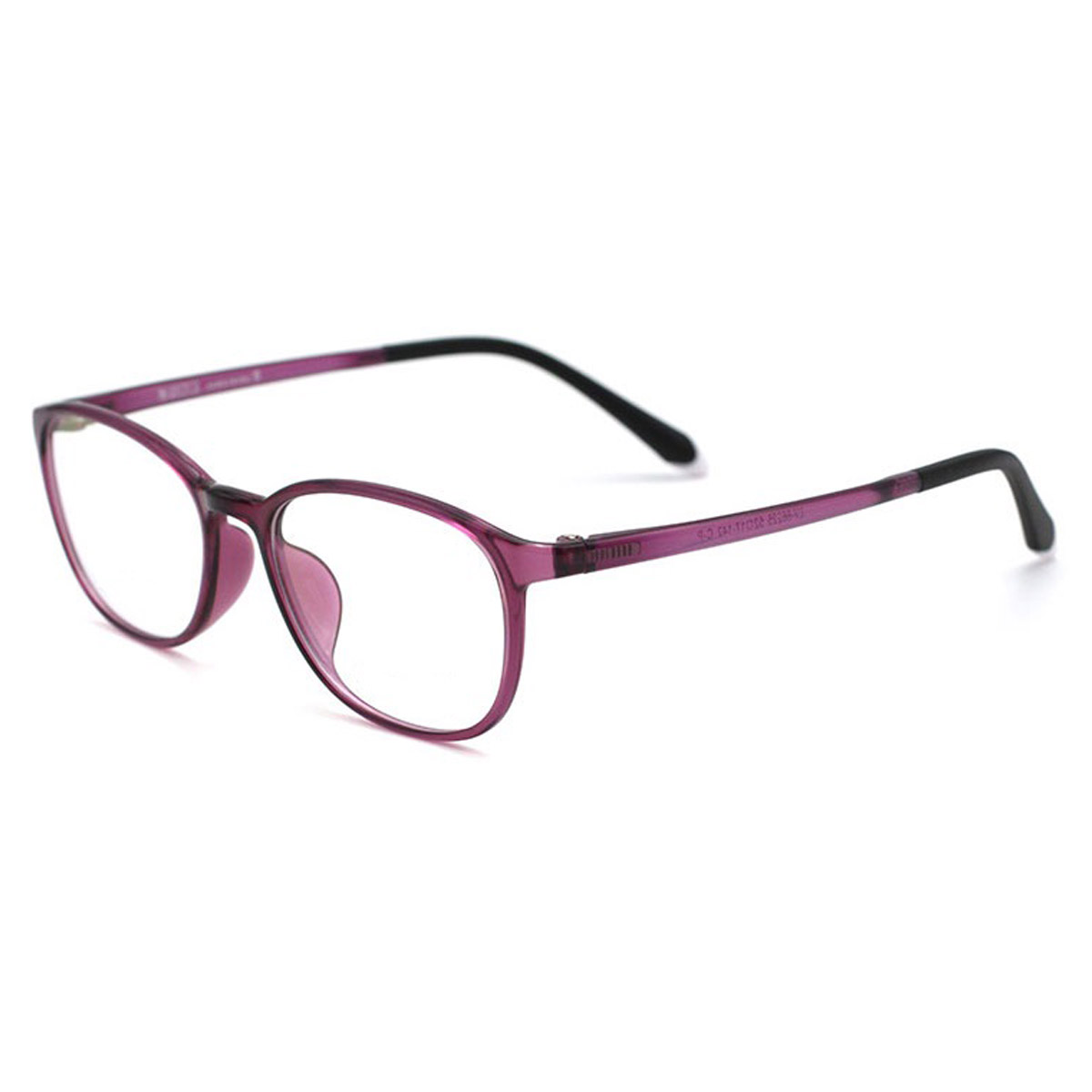 Ultra-light ultem optical glassesUltra-light Ultem optical glasses are made of 11 grams of ultra-light plastic steel, which allows the frame to fit the face like air, and is a perfect fusion of techno...View Product →
Sunglasses, Reading Glasses, and Progressive Lenses
Sunglasses and heavier lenses make bridge fit more obvious because larger frames have more weight and more surface area to move. A low bridge wearer may find that standard sunglasses sit on the cheeks or slide during walking, while a high bridge wearer may feel pressure at the top of the nose.
For sunglasses, look for a frame front that follows the face without touching the cheeks. Wraparound styles can improve stability, but they must still leave room for the lashes and allow the lenses to sit at a usable angle. Reading glasses need the same attention: if the frame slides, the reading zone moves out of position. Progressive lenses are even less forgiving because the corridor must stay aligned with the pupil.
Buying Risks and What to Check Before You Order
The biggest buying risk is a frame that fits at the shop and slides after ten minutes of real wear. Online buyers should treat bridge fit as a measurement problem, not a style guess.
- Bridge width: compare the frame’s bridge size with your current glasses, not just the overall frame width.
- Pad type: adjustable pads offer more correction than a fixed molded bridge.
- Frame width and temple length: a good bridge cannot compensate for arms that are too short or too long.
- Lens weight: high-index lenses and larger frames can change how the glasses sit over time.
- Return policy: confirm whether customized or adjusted frames can be returned.
For private-label or OEM orders, put bridge fit in the specification: bridge width, pad type, frame angle, and adjustment range. A supplier that can state those details clearly is easier to evaluate than one that only offers a “low bridge” label.
Frequently Asked Questions About Bridge Fit
Most fit issues come down to three things: bridge height, pad contact, and temple grip. These answers address the cases buyers ask about most often.
What is the difference between high bridge and low bridge glasses?
High bridge glasses are shaped for a taller nasal crest. Low bridge glasses are shaped for a flatter or lower bridge and usually sit closer to the face to reduce sliding.
Are low bridge glasses only for flat noses?
No. They are for anyone whose standard frames sit too low, slide forward, or rest on the cheeks. Nose shape varies, and fit labels are a starting point rather than a strict category.
Can I wear low bridge glasses if I have a high bridge?
You can, but the frame may sit too close or press on the nose. Check that the bridge does not touch the crest and that the lenses remain centered.
Do nose pads matter more than bridge height?
They solve different problems. Bridge height controls where the frame rests; nose pads control contact area and grip. A frame with the wrong bridge height can sometimes be adjusted, but not always.
How do I stop glasses sliding down my nose?
First check bridge width and pad contact, then adjust the temples. If the frame still slides, a low bridge fit or a frame with adjustable pads is usually more effective than tightening the temples.
Are high bridge glasses better for progressive lenses?
Not automatically. Progressive lenses need a stable frame position. The best choice is the bridge fit that keeps the lenses centered and prevents movement during reading and walking.
The practical rule is simple: choose the bridge fit that keeps the frame still without pressure. High bridge and low bridge glasses are not quality levels or style labels; they are different starting points for matching a frame to a face. Check the resting position, the pad contact, and the temple grip, and the right fit becomes much easier to judge.