 Search
 EN
EN English
 Deutsch
 Français
 Español
 italiano
 cn
cn jp
jp kr
krNeither option is universally better: glasses with nose pads suit flatter or lower nose bridges because the pads are adjustable and hold the frame in place, while glasses without nose pads suit higher nose bridges because the built-in plastic bridge already rests securely without extra hardware. The right choice comes down to your nose shape, how much the frame will move during your day, and whether you would rather manage adjustable pads or a fixed, low-maintenance bridge.
This guide compares glasses with nose pads and glasses without nose pads across comfort, stability, maintenance, style, and skin sensitivity, using insight drawn from optical retailers and eyewear comfort specialists, so you can match the right bridge design to your face before your next frame purchase.
Content
- 1 What Are Nose Pads and How Do They Work?
- 2 Glasses With Nose Pads vs Without: Side-by-Side Comparison
- 3 Advantages of Glasses With Nose Pads
- 4 Drawbacks of Glasses With Nose Pads
- 5 Advantages of Glasses Without Nose Pads
- 6 Drawbacks of Glasses Without Nose Pads
- 7 Which Nose Bridge Type Should You Choose Based on Your Nose Shape?
- 8 Comfort, Sensitive Skin, and Long-Term Wear
- 9 Frequently Asked Questions
- 10 Conclusion
What Are Nose Pads and How Do They Work?
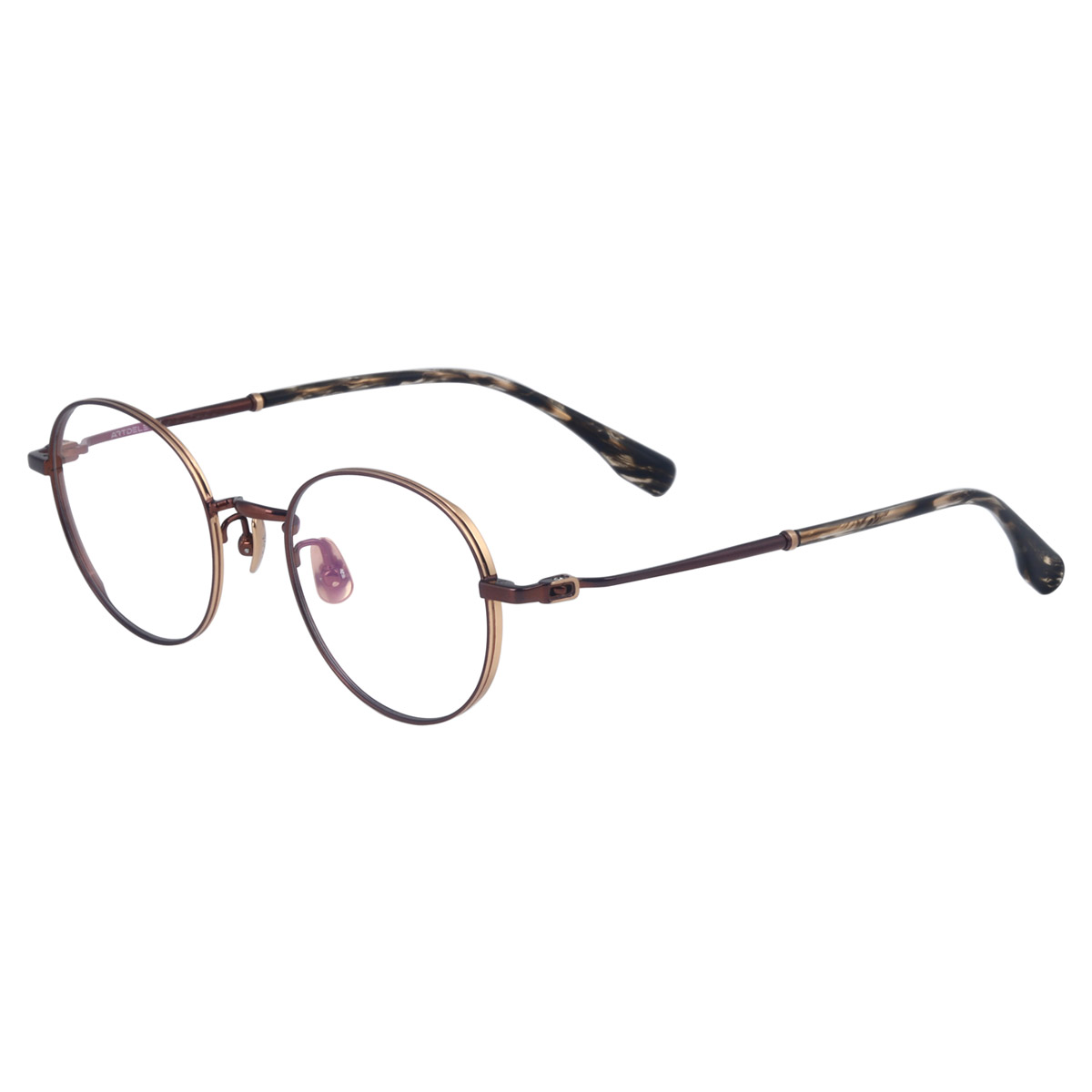
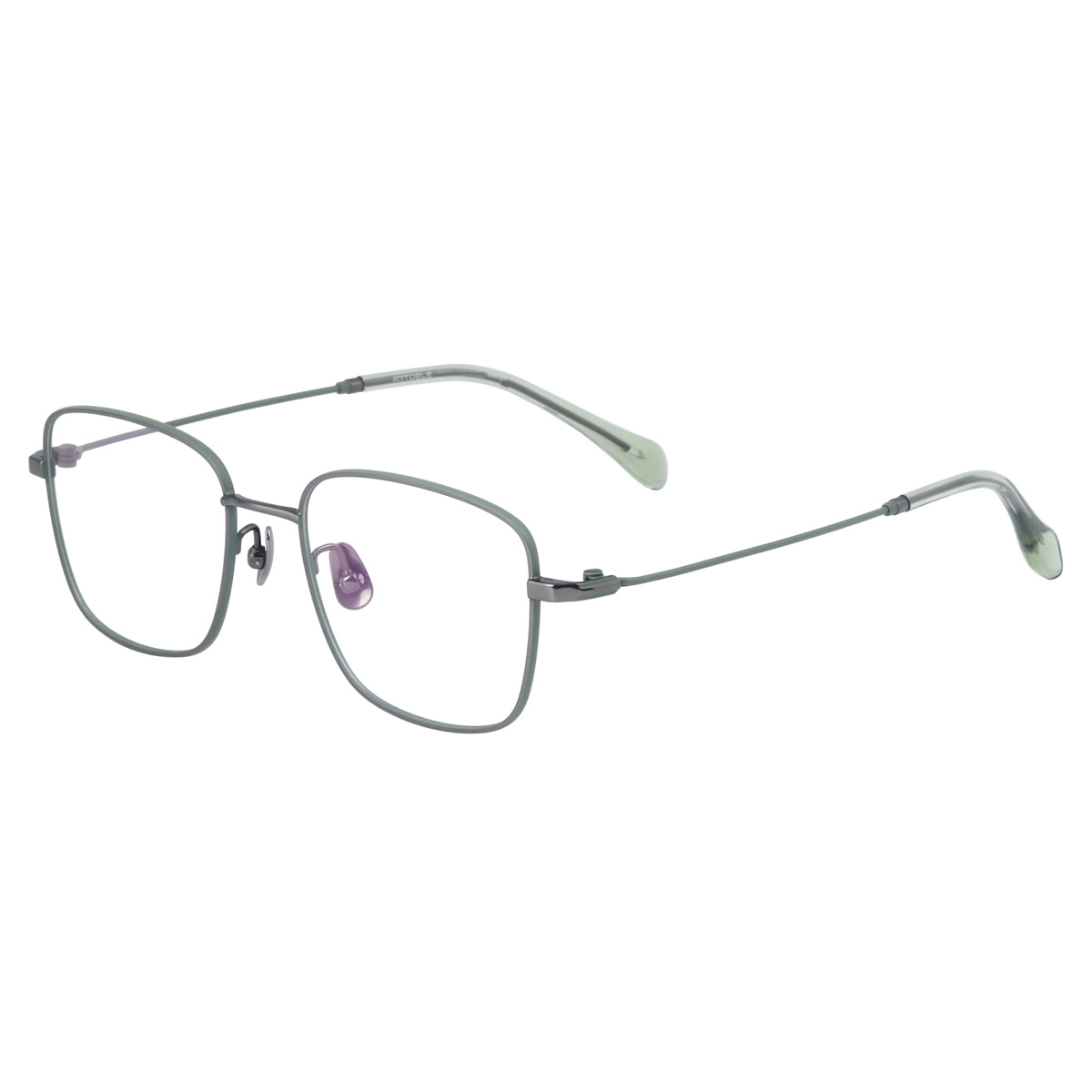
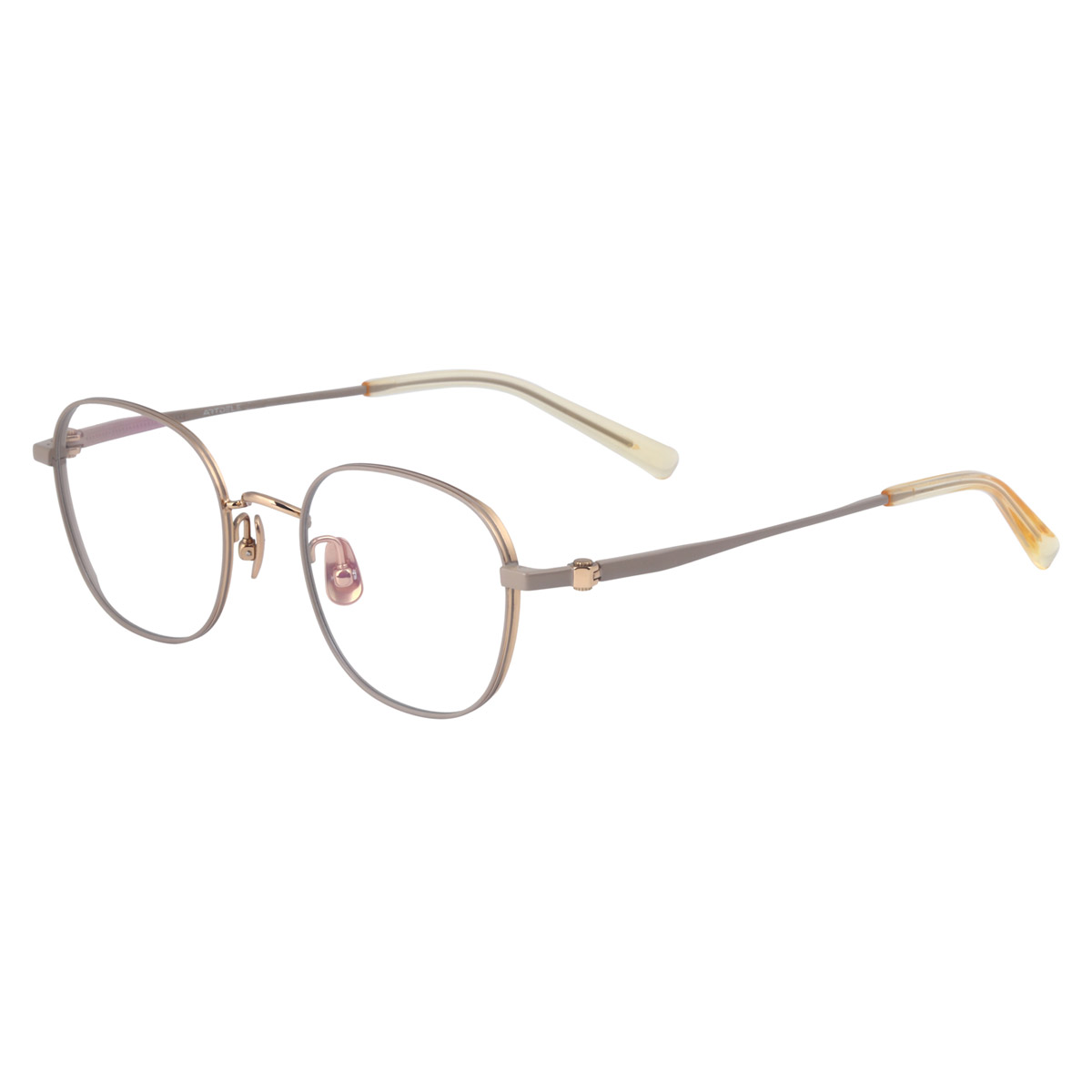
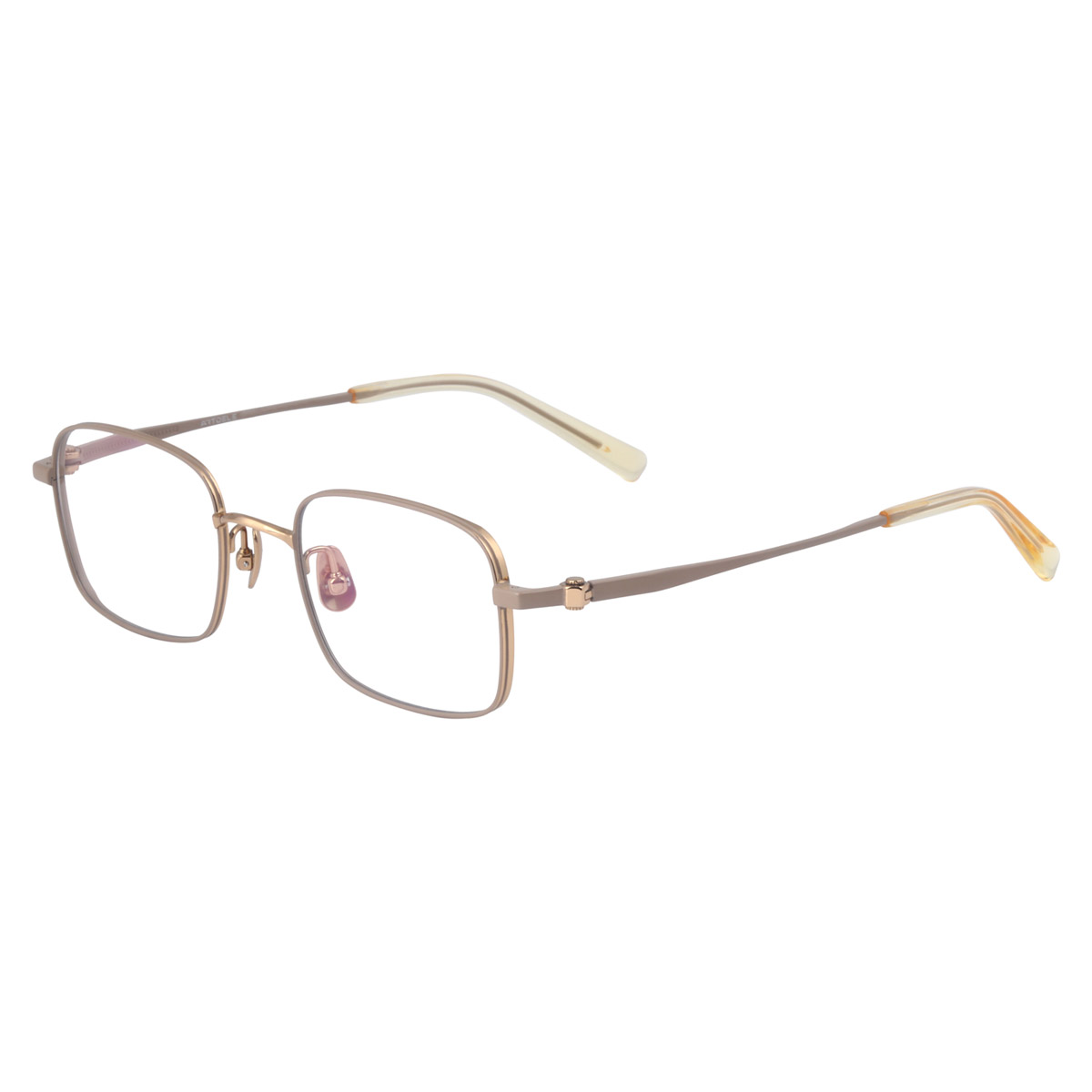
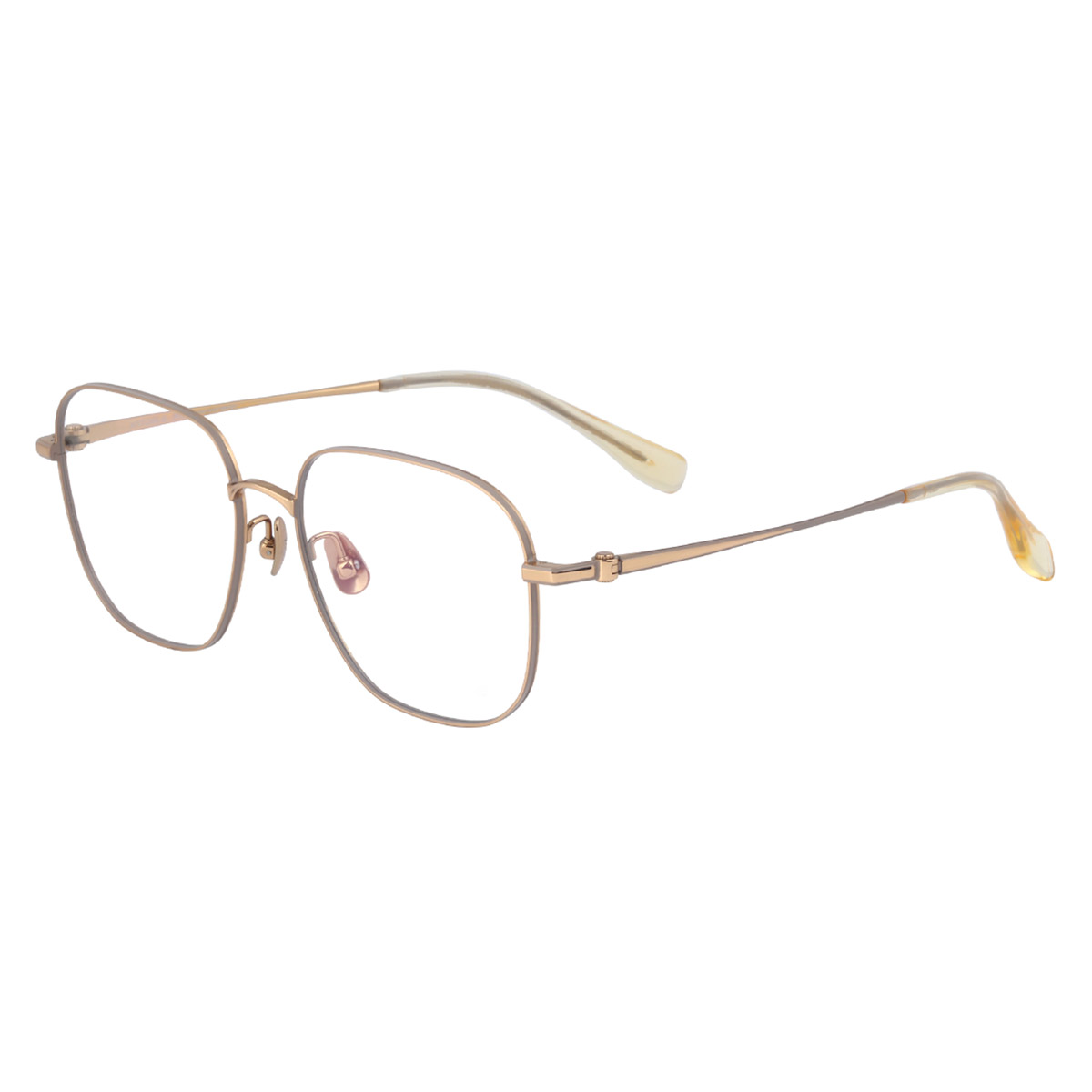
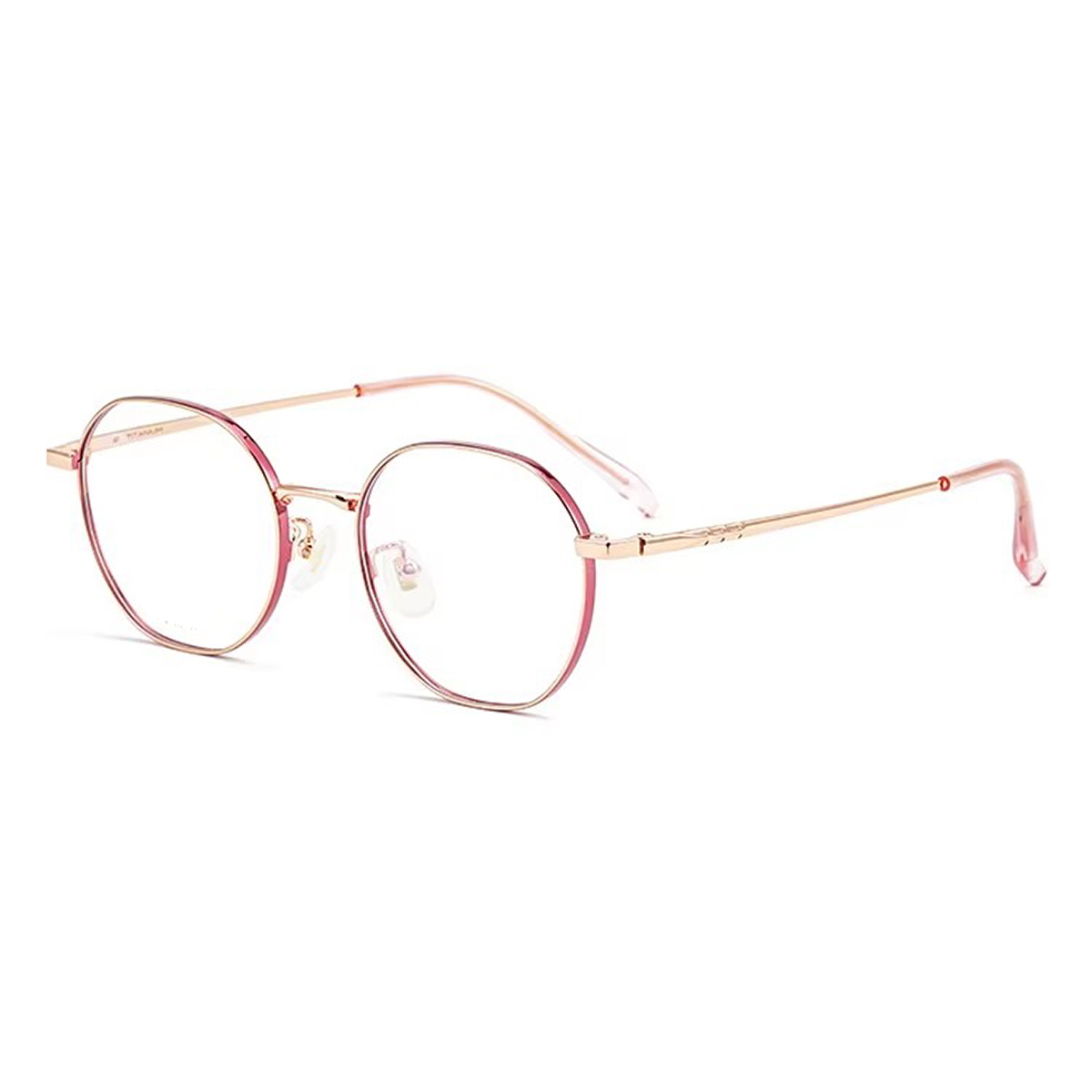
Nose pads are small silicone, plastic, or rubber supports attached to the bridge of a frame that make direct contact with the sides of your nose to hold the glasses in position. They are typically mounted on a metal arm called a pad arm, which can be bent inward or outward to widen or narrow the fit. Nose pads work by concentrating the weight of the frame onto two small contact points on either side of the nose, rather than spreading that weight across a single plastic bridge.
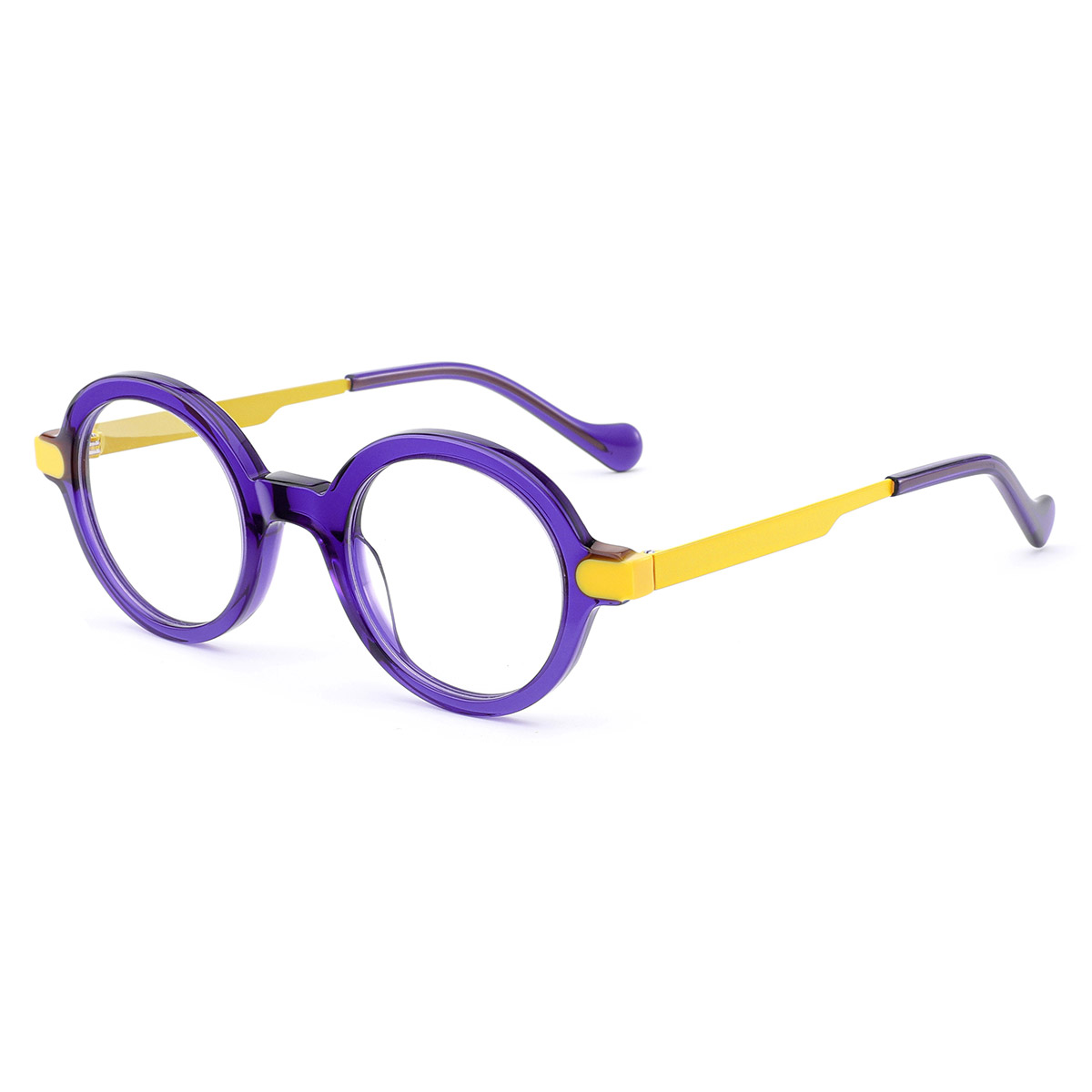
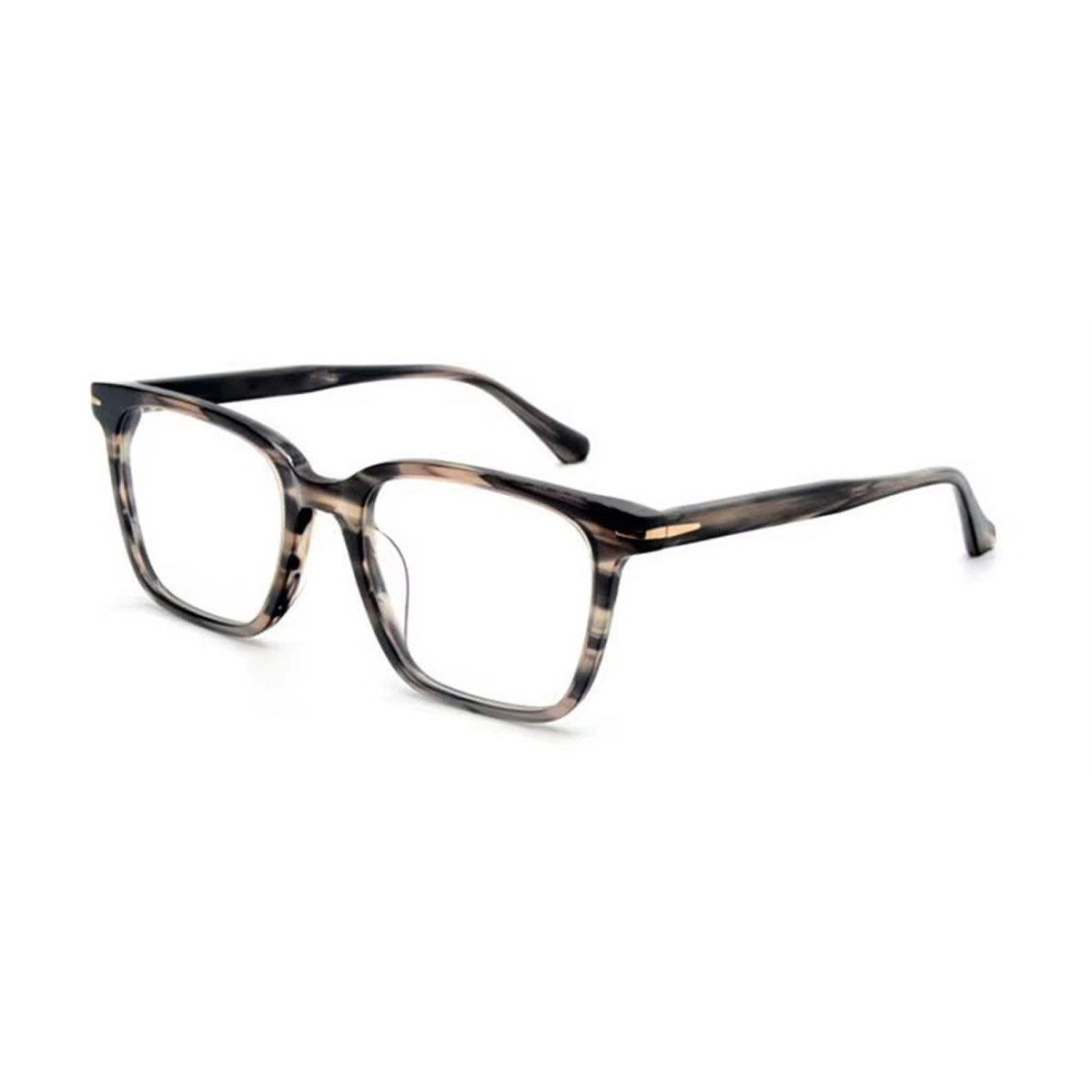
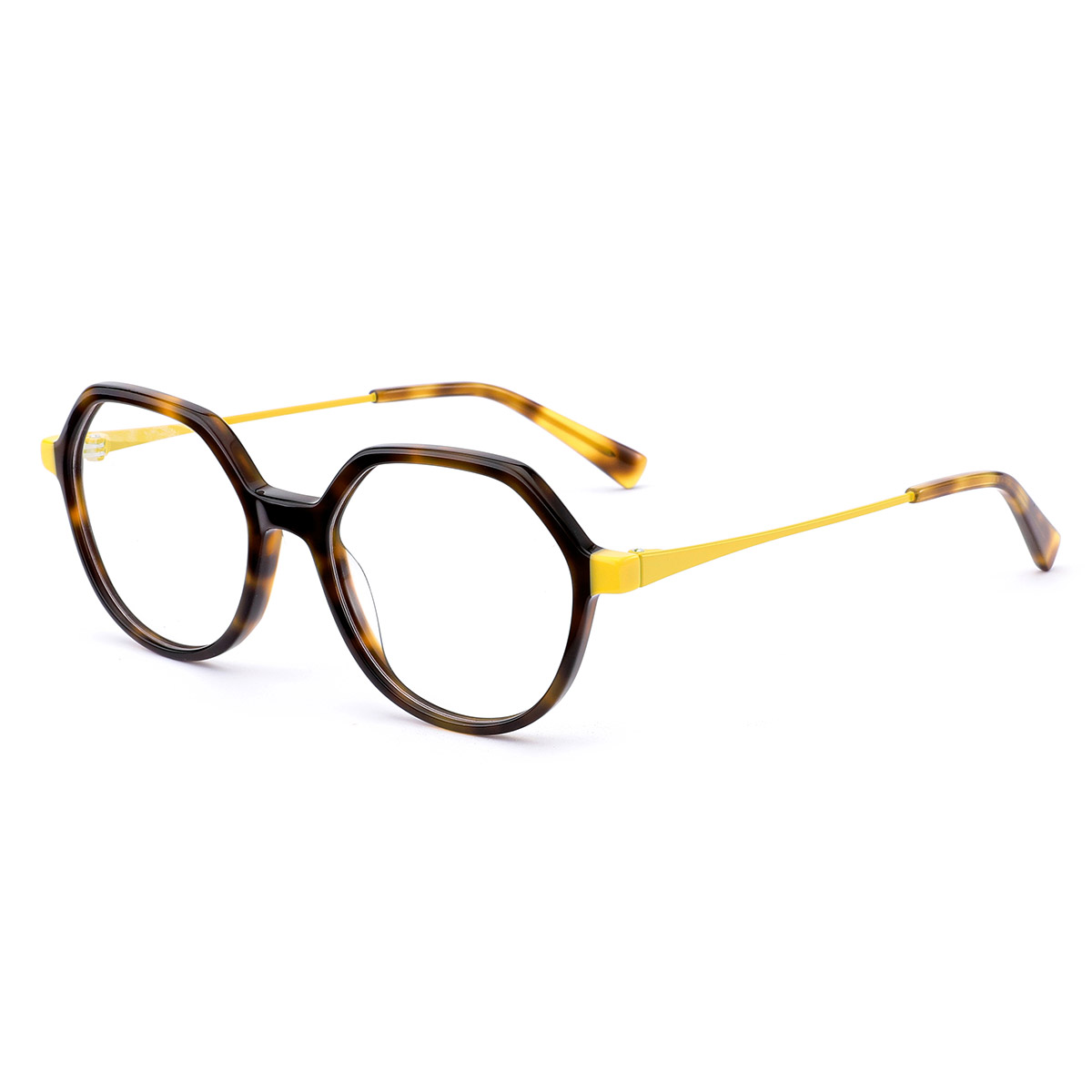
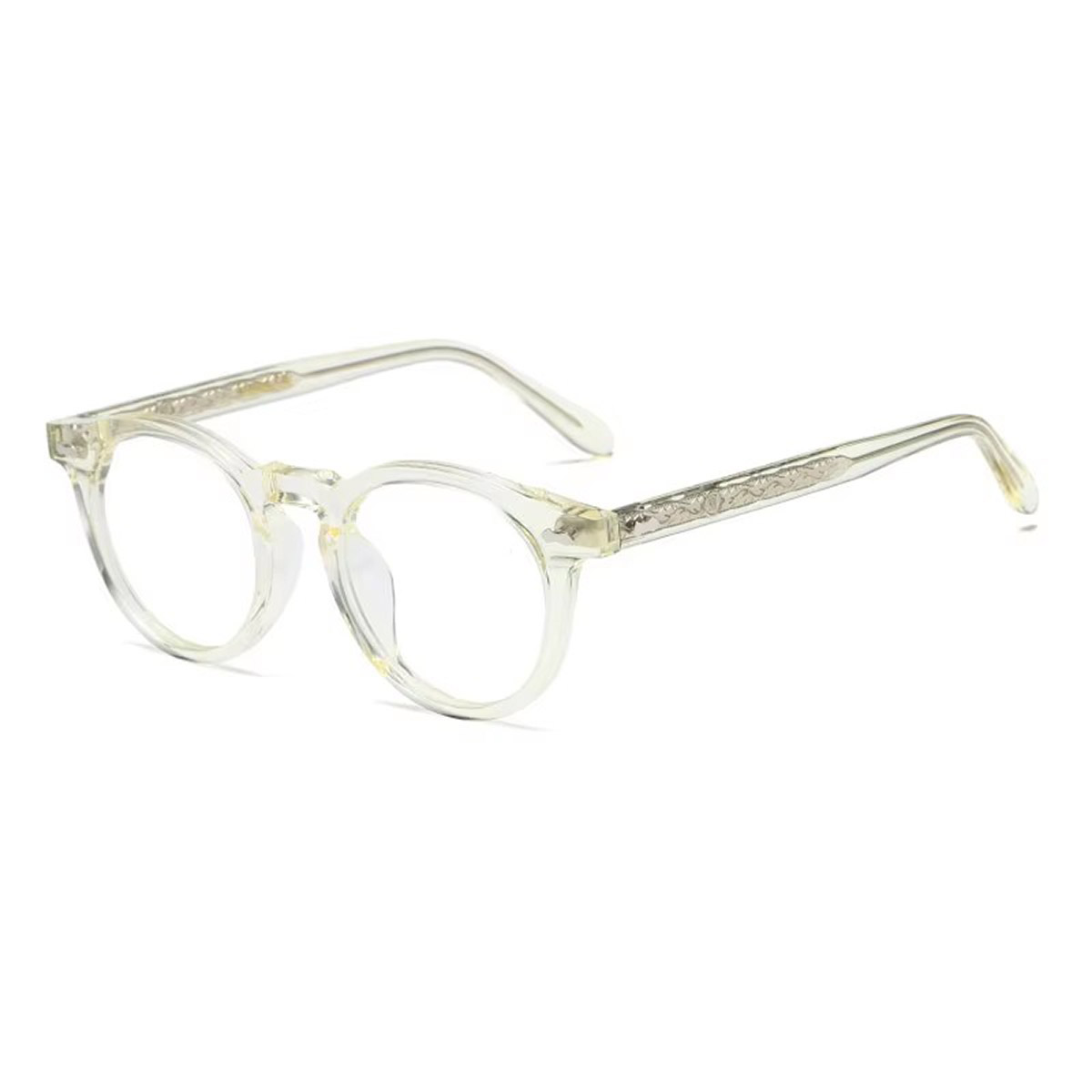
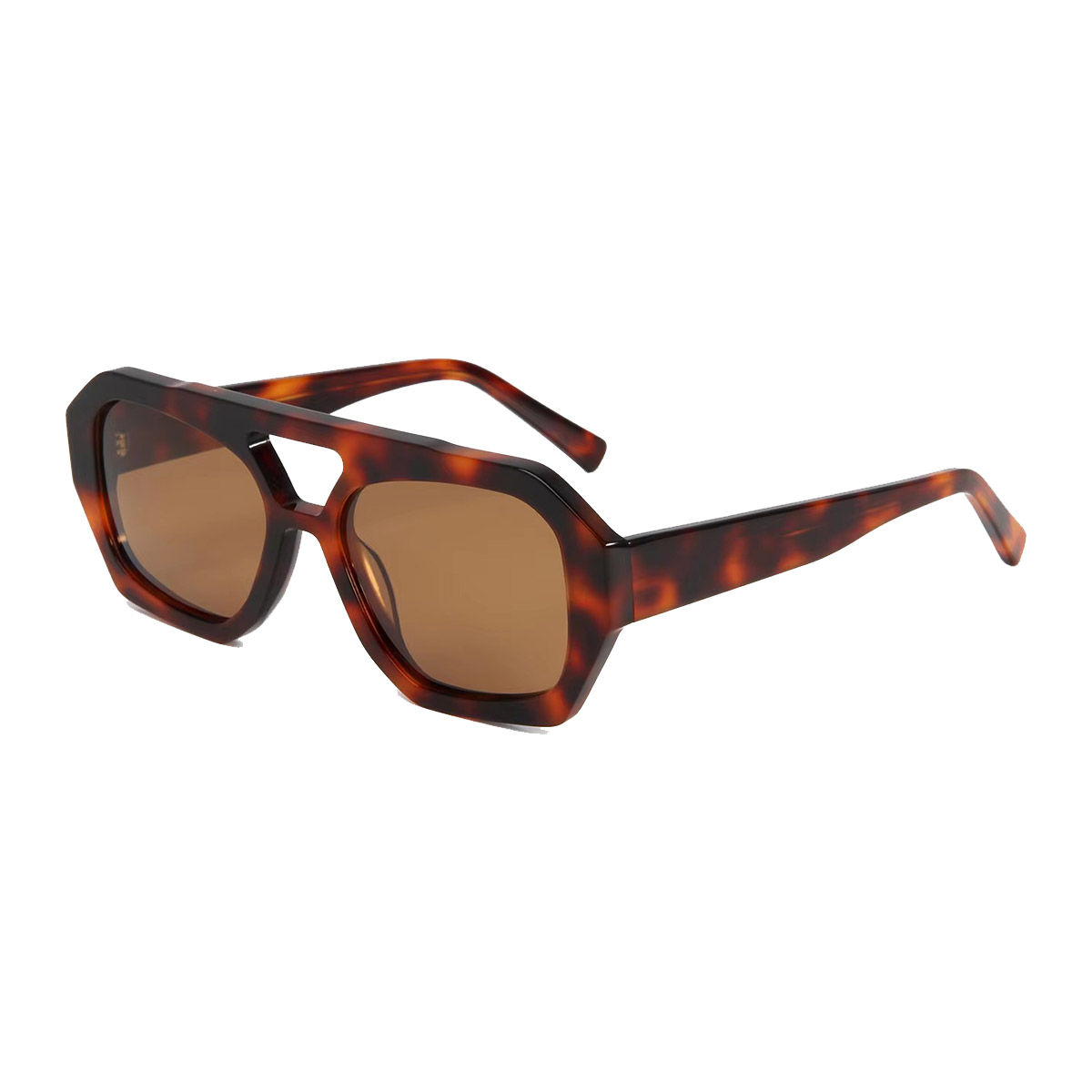
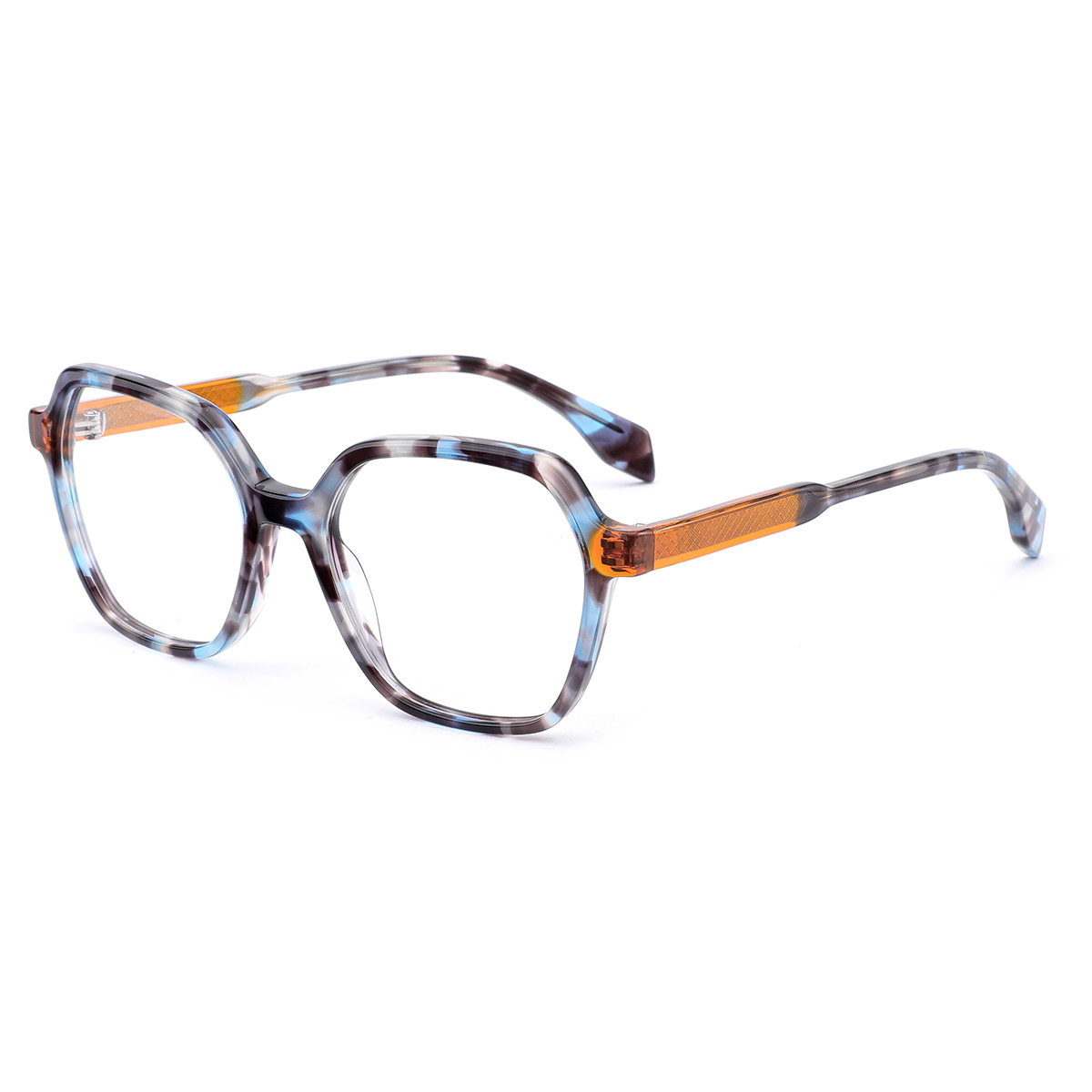
Frames without nose pads instead rely on a molded plastic or acetate bridge that sits directly on the bridge of the nose. This built-in bridge, sometimes shaped as a saddle bridge or a keyhole bridge, spreads the weight of the glasses over a wider surface area instead of two isolated points.
Glasses With Nose Pads vs Without: Side-by-Side Comparison
The table below lines up the two designs across the factors that matter most when choosing eyewear.
| Factor | Glasses With Nose Pads | Glasses Without Nose Pads |
|---|---|---|
| Fit adjustability | Highly adjustable, pads can be bent to fit | Fixed, limited adjustment options |
| Weight distribution | Concentrated on two small contact points | Spread across a wider bridge surface |
| Risk of red marks or dents | Higher, especially with firm pads | Lower, due to even pressure distribution |
| Grip and slippage control | Better for oily skin and active use | Can slip more without a good bridge fit |
| Best suited for | Flat or low nose bridges | High or well-defined nose bridges |
| Maintenance | Requires periodic cleaning, tightening, or pad replacement | Minimal, fewer moving parts |
| Style impression | More classic, common on metal frames | Sleeker, more modern look |
| Common frame materials | Metal, titanium, wire-rimmed | Acetate, plastic, cast frames |
Advantages of Glasses With Nose Pads
Glasses with nose pads give you an adjustable, secure fit that built-in bridges cannot match. The main benefits include:
- Customized fit: Pad arms can be bent closer together or further apart to match your specific nose width and height, which is especially useful for low or flat nose bridges.
- Better slip resistance: The grip created by nose pads helps keep glasses in place during exercise, humid weather, or long workdays, reducing how often you push your glasses back up.
- Improved weight balance: For frames with thick or high-index prescription lenses, nose pads help balance the added weight and reduce pressure on the ears.
- Wider frame selection: Nose pads are compatible with more frame materials, including metal and titanium, giving you more style options to choose from.
Drawbacks of Glasses With Nose Pads
The same pads that create a secure, adjustable fit can also cause skin irritation and extra upkeep. Common downsides include:
- Red marks and indentations on the nose, particularly with firmer plastic or metal pads worn for long hours.
- Loosening screws over time, which can cause the pads to shift or the frame to sit unevenly.
- Dirt and oil buildup around the pad arms, requiring more frequent cleaning than a solid plastic bridge.
- Occasional pad replacement if the silicone or rubber wears out or discolors.
Advantages of Glasses Without Nose Pads
Glasses without nose pads offer a sleeker look and lower maintenance because there are fewer parts to manage. Key advantages include:
- Even pressure distribution: Because the bridge contacts a larger area of the nose, the frame is less likely to leave concentrated red marks or indentations.
- Sleeker, modern aesthetic: Without visible pad arms, the frame has a cleaner silhouette that many wearers find more stylish.
- Lower maintenance: With fewer components, there is less risk of loose screws, lost pads, or parts needing replacement.
- Better for dusty or messy environments: Frames without nose pads have no small crevices where dirt and grime can accumulate around pad hardware, which makes them a practical choice for workshops, kitchens, or outdoor jobs.
Drawbacks of Glasses Without Nose Pads
Without pads, fit relies entirely on how well the built-in bridge matches your nose shape, which limits adjustability. Common drawbacks include:
- Limited fit adjustment since the bridge shape is fixed at the time of manufacturing and cannot be bent like a pad arm.
- Higher chance of slipping for wearers with a low or flat nose bridge, since there is no pad to grip the sides of the nose.
- Less support for heavy lenses, which can make thick or high-index prescription lenses feel less balanced on the face.
- Fewer frame material options, since this design is most common in acetate and cast plastic rather than metal frames.
Which Nose Bridge Type Should You Choose Based on Your Nose Shape?
Your nose bridge height is the single biggest factor in deciding between nose pads and a built-in bridge. As a general rule, a high nose bridge works well with frames that have no nose pads, while a flatter or lower nose bridge benefits from adjustable nose pads that prevent slipping.
High or Well-Defined Nose Bridges
A high nose bridge naturally supports a frame without nose pads, since the built-in bridge already rests securely without extra grip. Wearers in this category often prefer the sleeker look and lower maintenance that comes with a solid acetate or plastic bridge.
Low or Flat Nose Bridges
A flat or low nose bridge is better matched with adjustable nose pads, which can be shaped to hug the sides of the nose and stop the frame from sliding down. This is one of the most common reasons opticians recommend metal frames with pads for wearers who find plastic-bridge frames constantly slipping.
Comfort, Sensitive Skin, and Long-Term Wear
Wearers with sensitive skin generally report fewer irritation issues with frames that have no nose pads, since the weight is spread over a larger surface area rather than concentrated on two points. For people who already experience marks or discomfort from nose pads, switching to a built-in bridge design, or to softer silicone pads if pads are required, is a common first step recommended by eyewear specialists.
On the other hand, for wearers who need their glasses to stay in place through long workdays, sports, or humid climates, the grip provided by nose pads generally outweighs the small trade-off in maintenance. Choosing between the two often comes down to whether stability or minimal upkeep matters more for your daily routine.
Frequently Asked Questions
Are glasses with nose pads more comfortable than glasses without?
It depends on your nose shape. Glasses with nose pads tend to be more comfortable for flatter or lower nose bridges because the pads can be adjusted, while glasses without nose pads are often more comfortable for higher nose bridges since the weight is spread evenly across the bridge.
Do nose pads cause permanent marks on the nose?
Nose pads can cause temporary red marks or indentations, particularly after long wear or with firm pad materials, but these marks typically fade once the glasses are removed. Switching to softer silicone pads or having an optician adjust the fit can reduce this effect.
Can glasses without nose pads slip during exercise?
Yes, glasses without nose pads can slip more easily during exercise, especially for wearers with a lower nose bridge, since there is no pad providing extra grip. Frames with a well-fitted saddle bridge or a sports strap can help reduce this issue.
Are nose pads adjustable on all frames?
No. Nose pads are adjustable mainly on metal or wire-rimmed frames, since the pad arms can be bent by an optician. Fixed nose pads, sometimes found on plastic frames, cannot be adjusted in the same way.
Which option is better for children's glasses?
Glasses without nose pads are often recommended for children, since there are fewer small parts that can break, loosen, or be pulled off during active play.
Conclusion
Choosing between glasses with nose pads and glasses without nose pads is not about one design being objectively better, but about matching the bridge style to your nose shape, lifestyle, and maintenance preferences. Nose pads offer an adjustable, secure fit that suits flatter or lower nose bridges and active lifestyles, while frames without nose pads offer a sleeker look, even pressure distribution, and lower maintenance that suits higher nose bridges and low-upkeep wearers. Trying on both styles in person, and consulting an optician about your specific nose bridge shape, remains the most reliable way to find the fit that stays comfortable through a full day of wear.