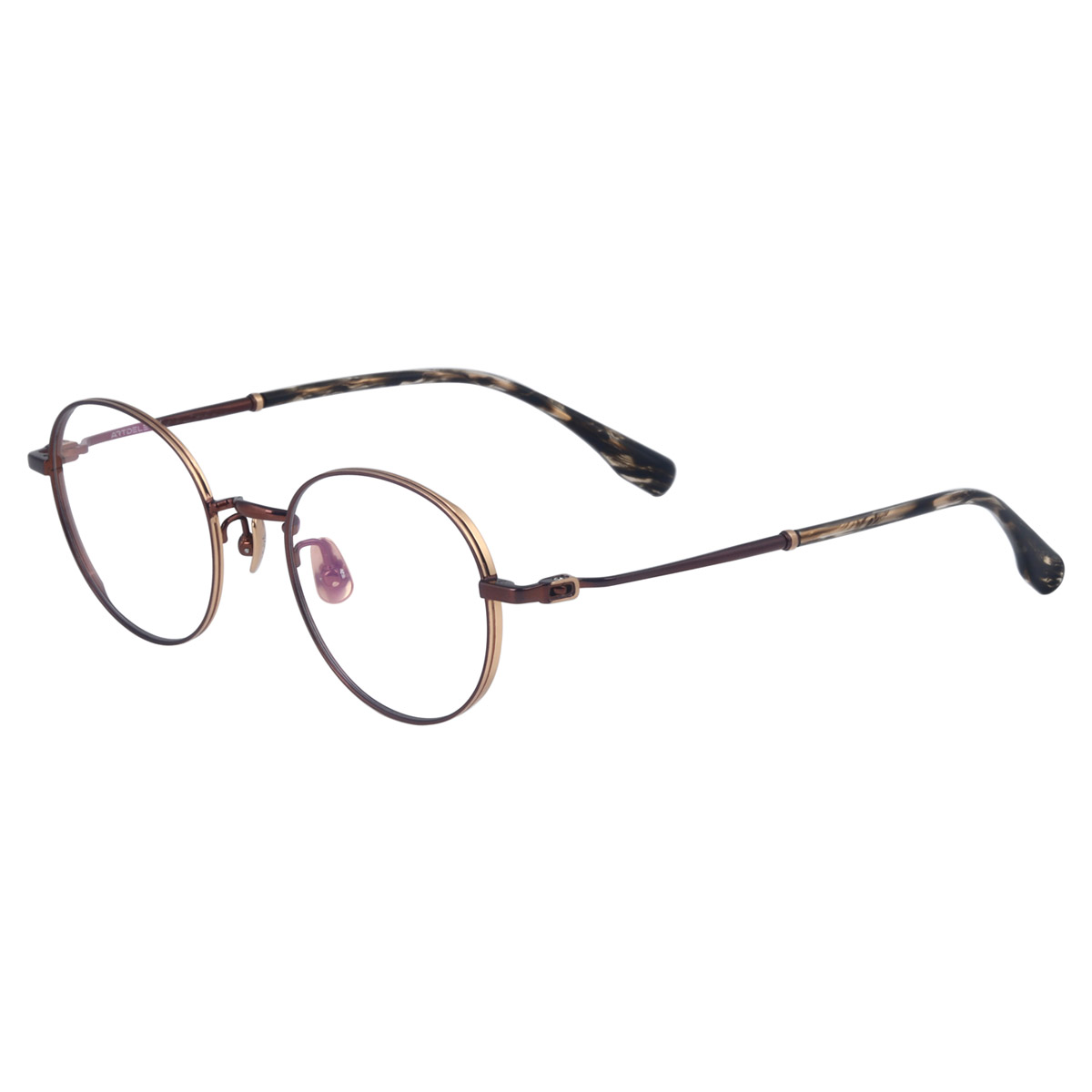
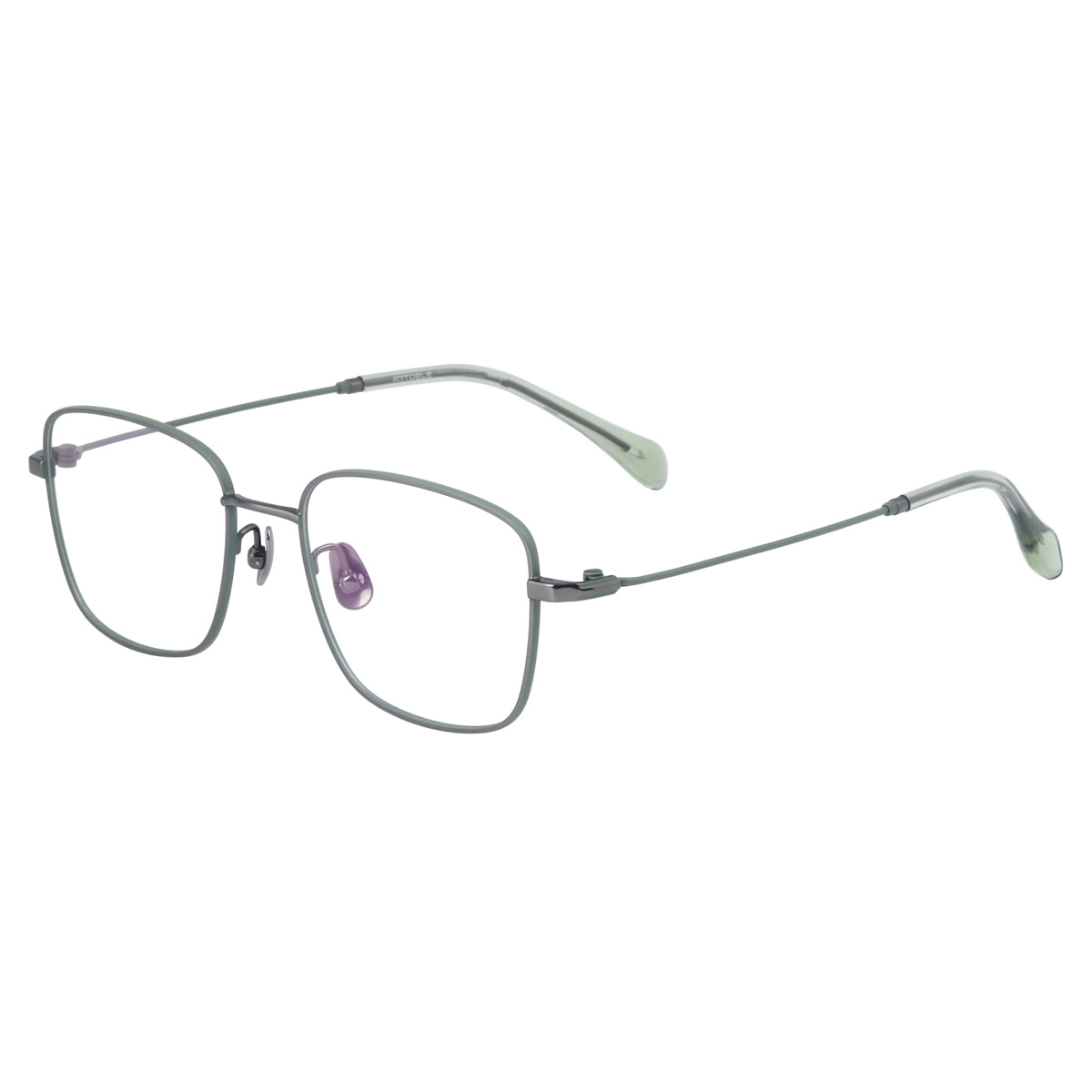
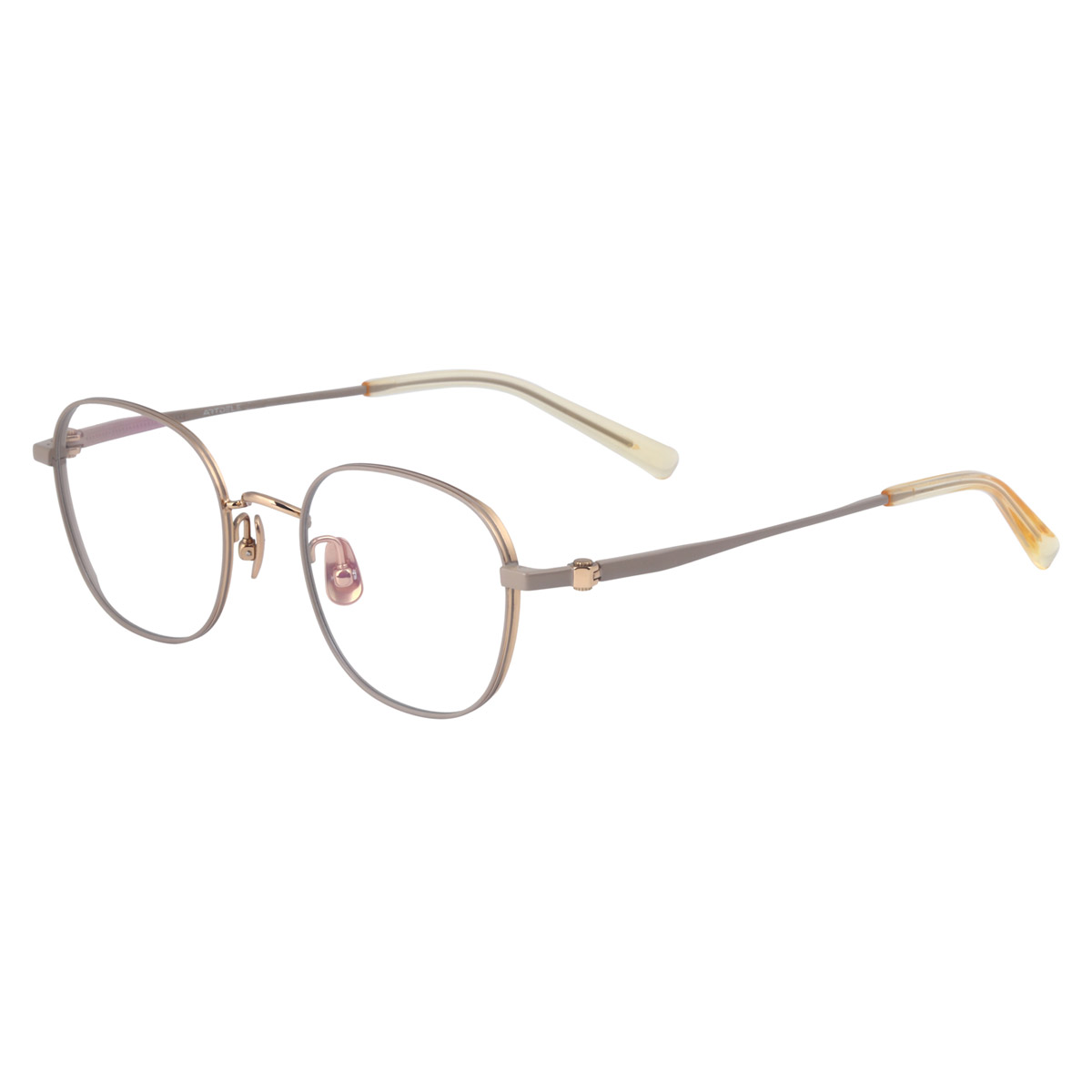
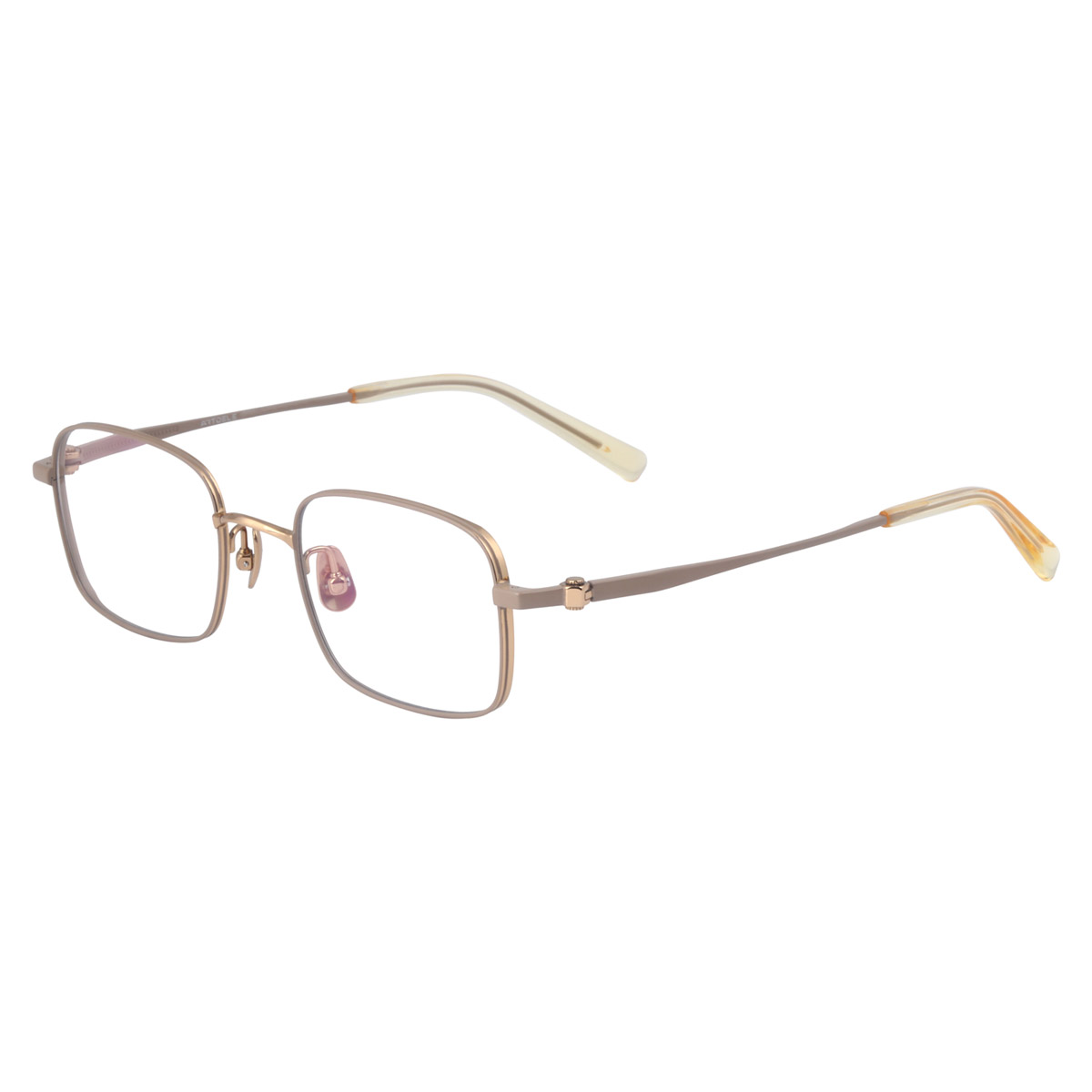
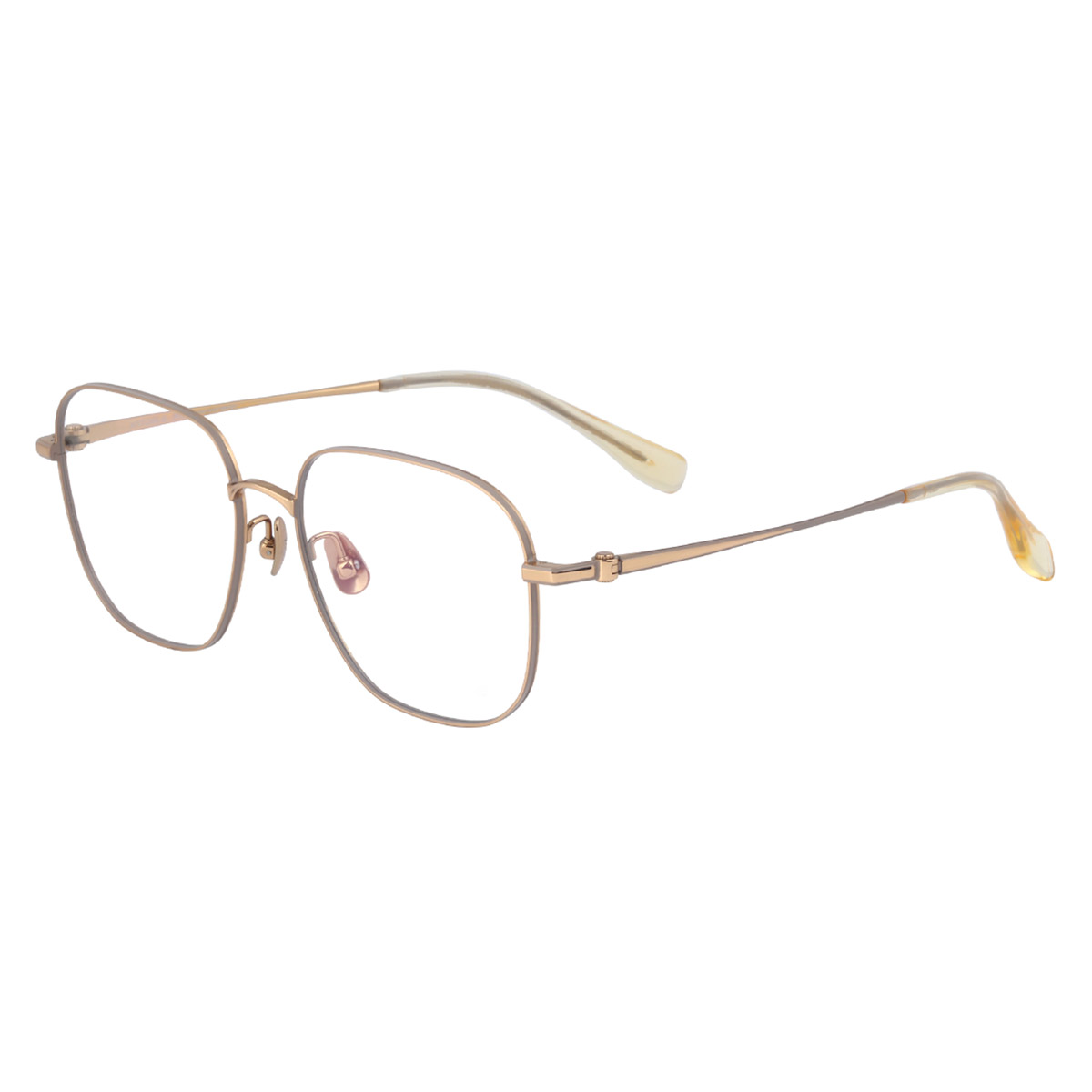
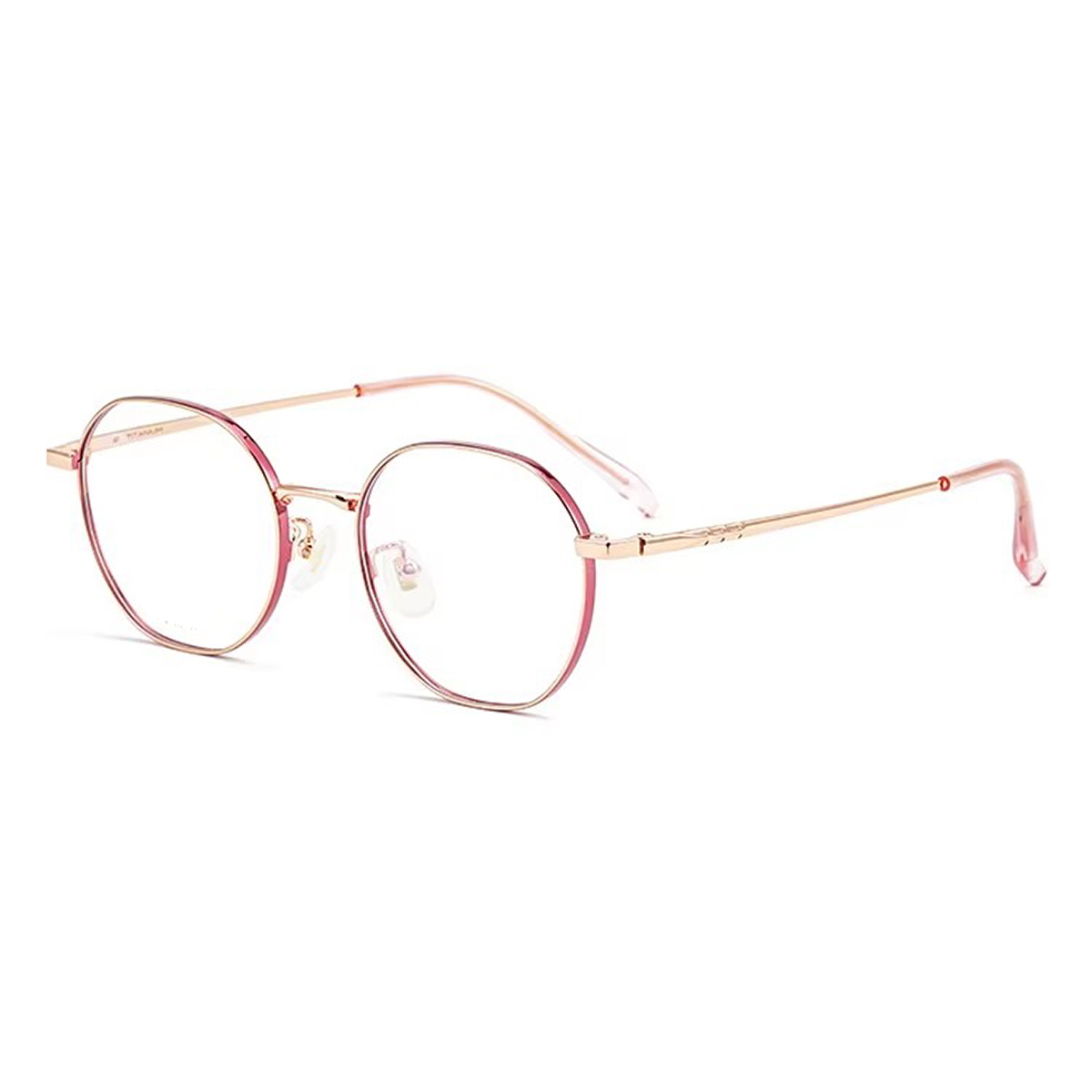
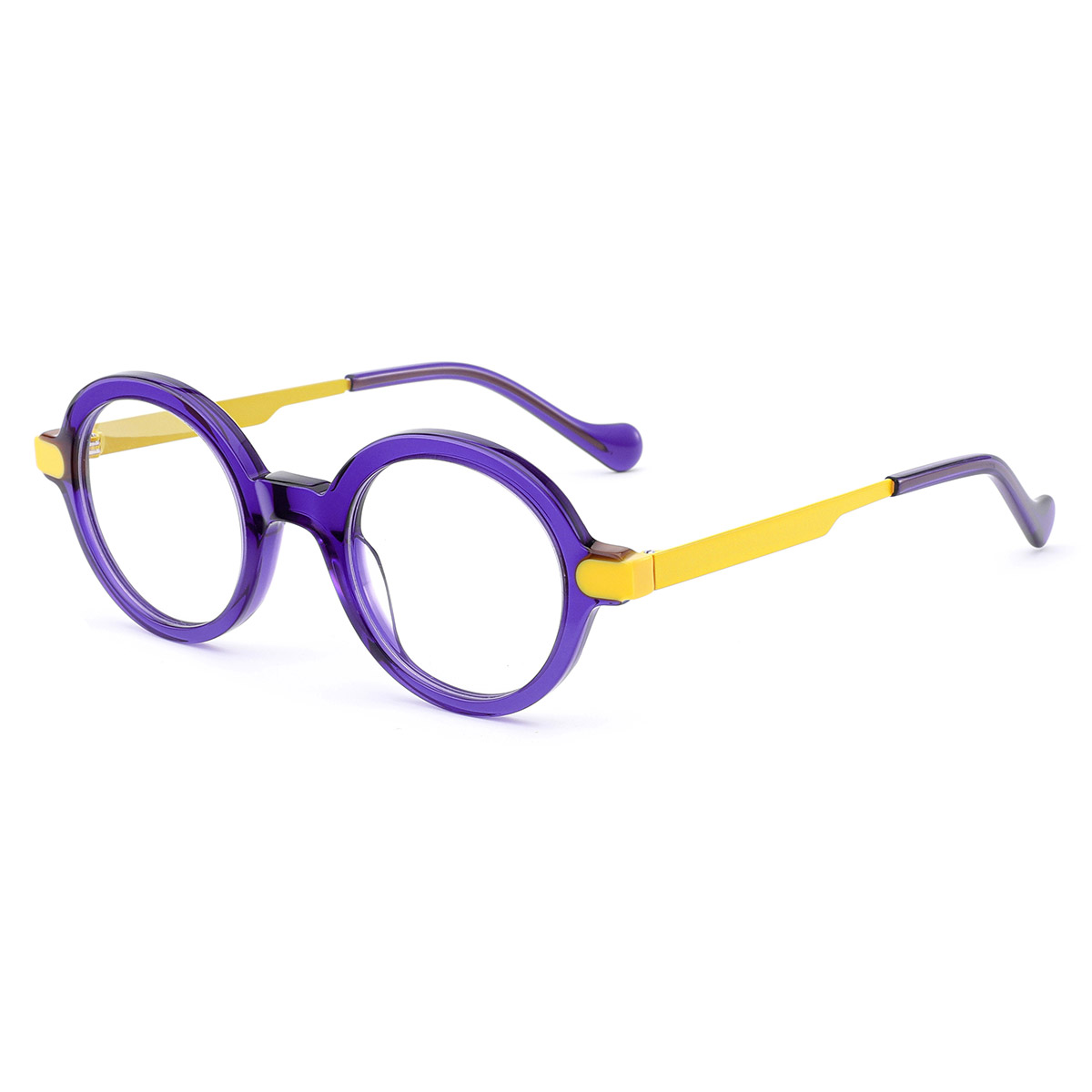
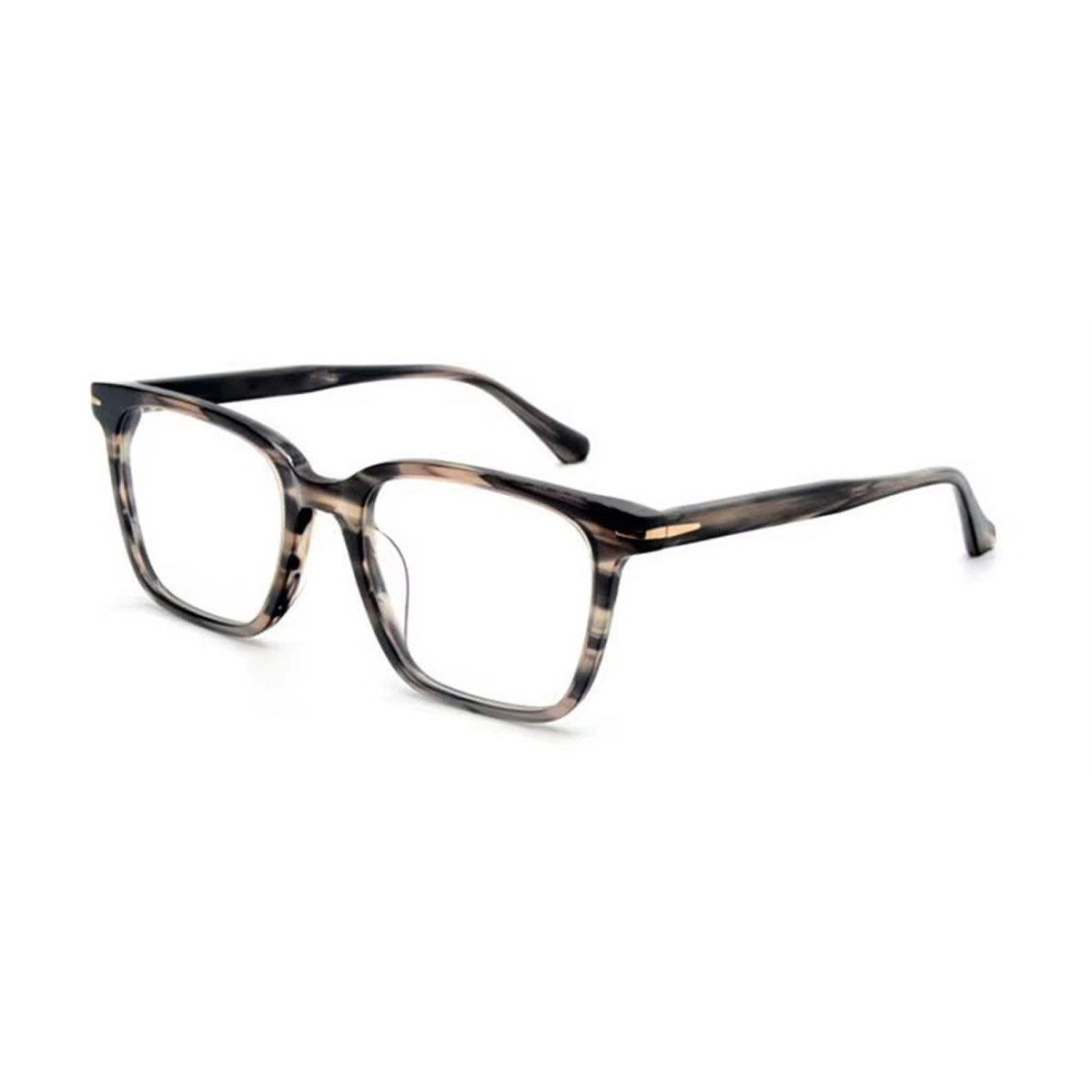
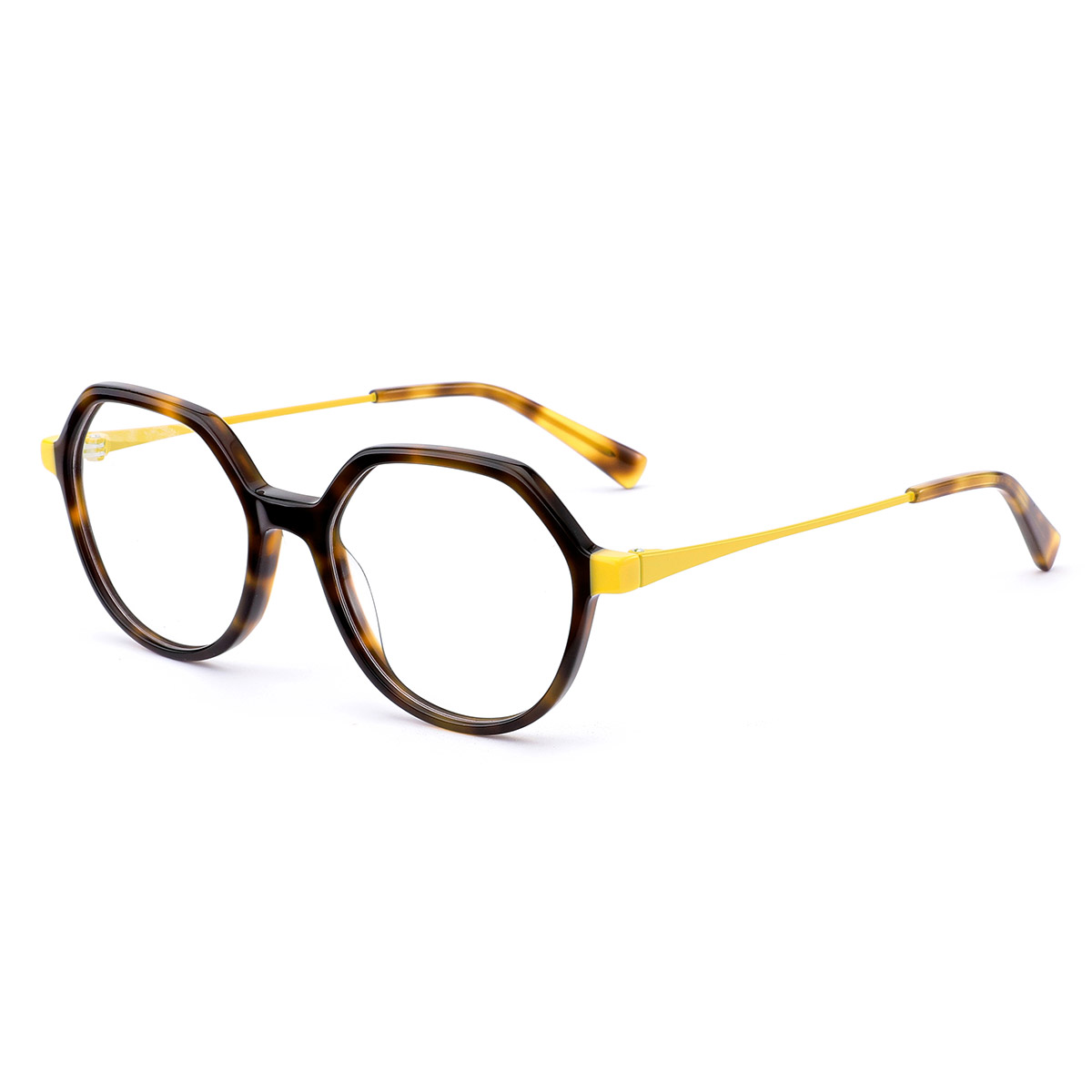
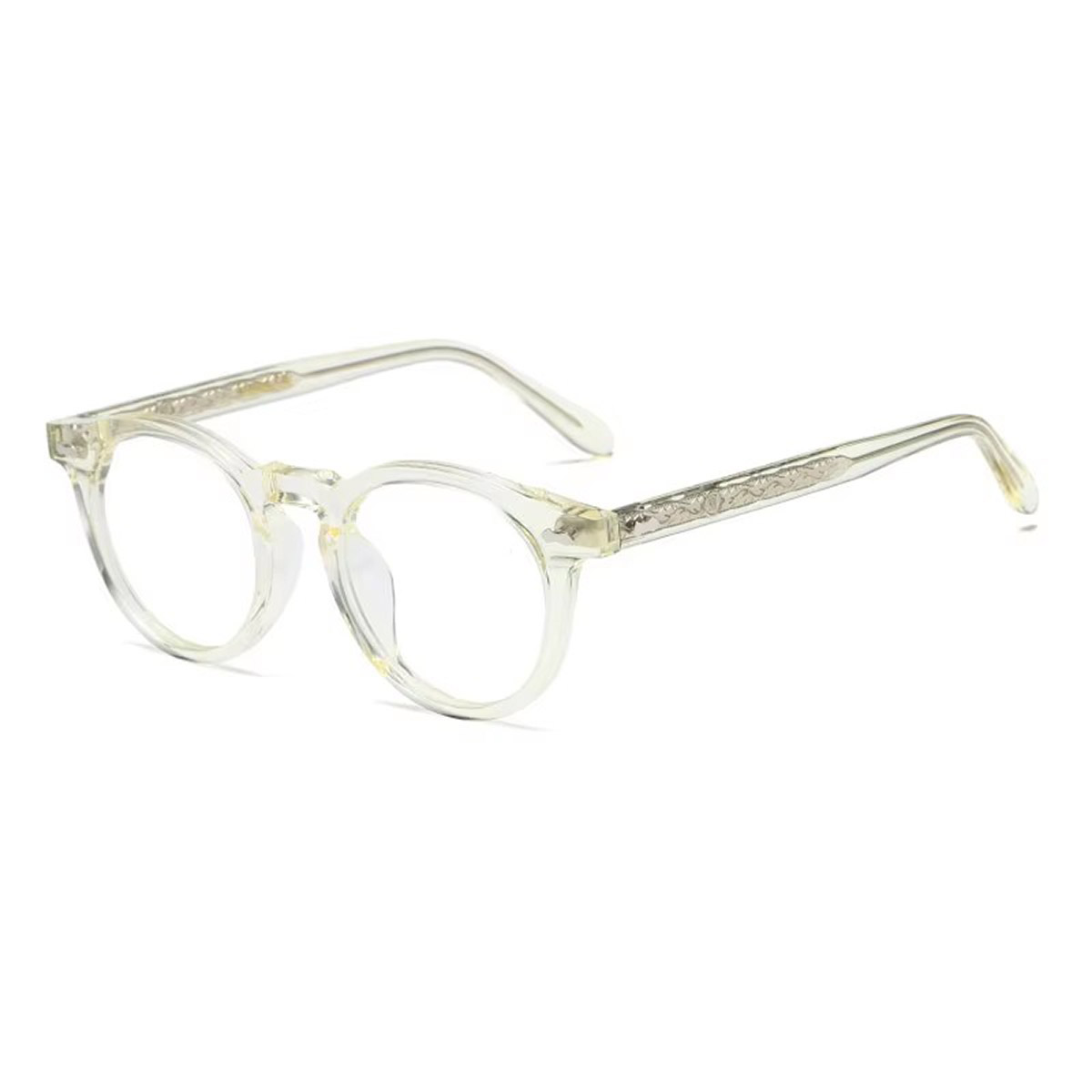
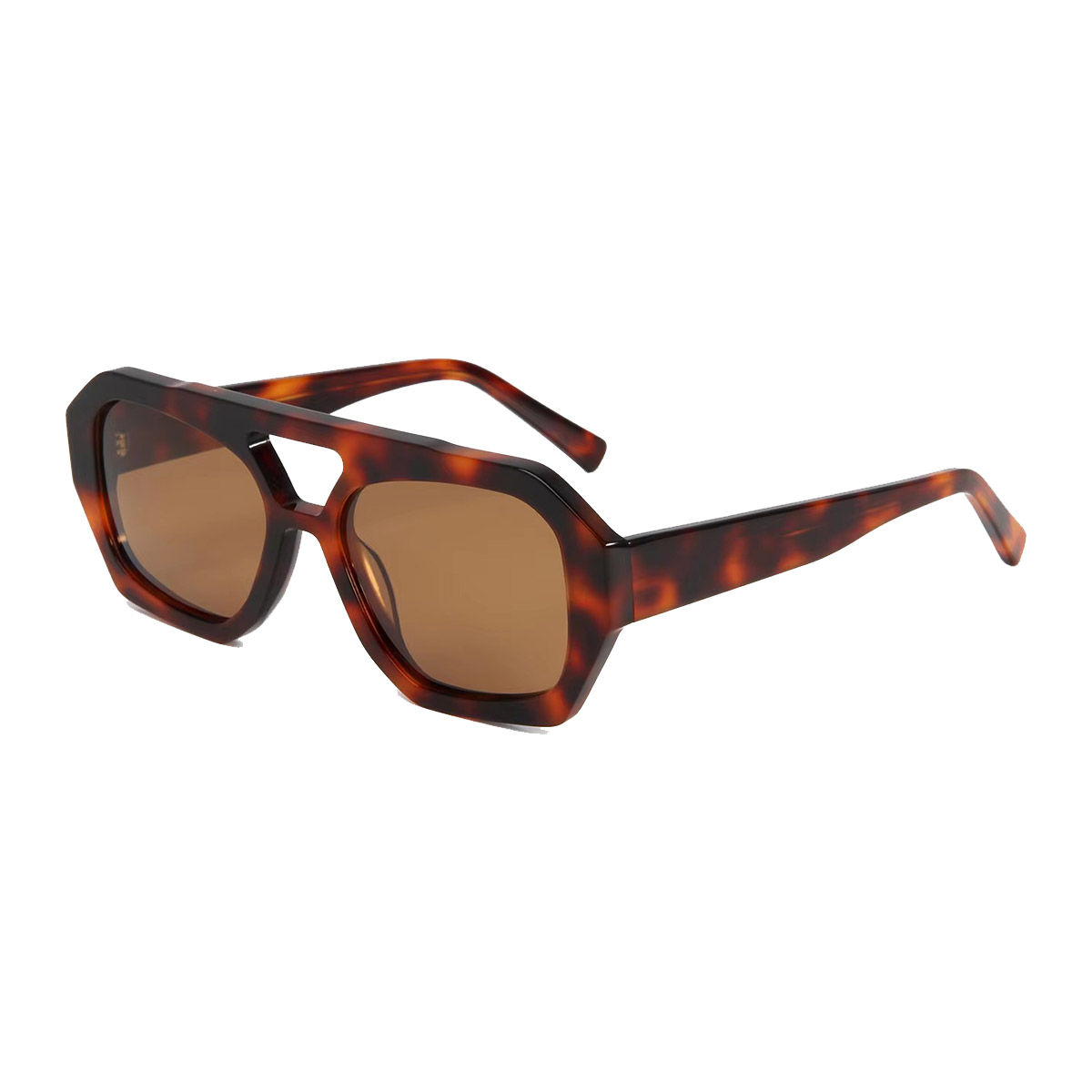
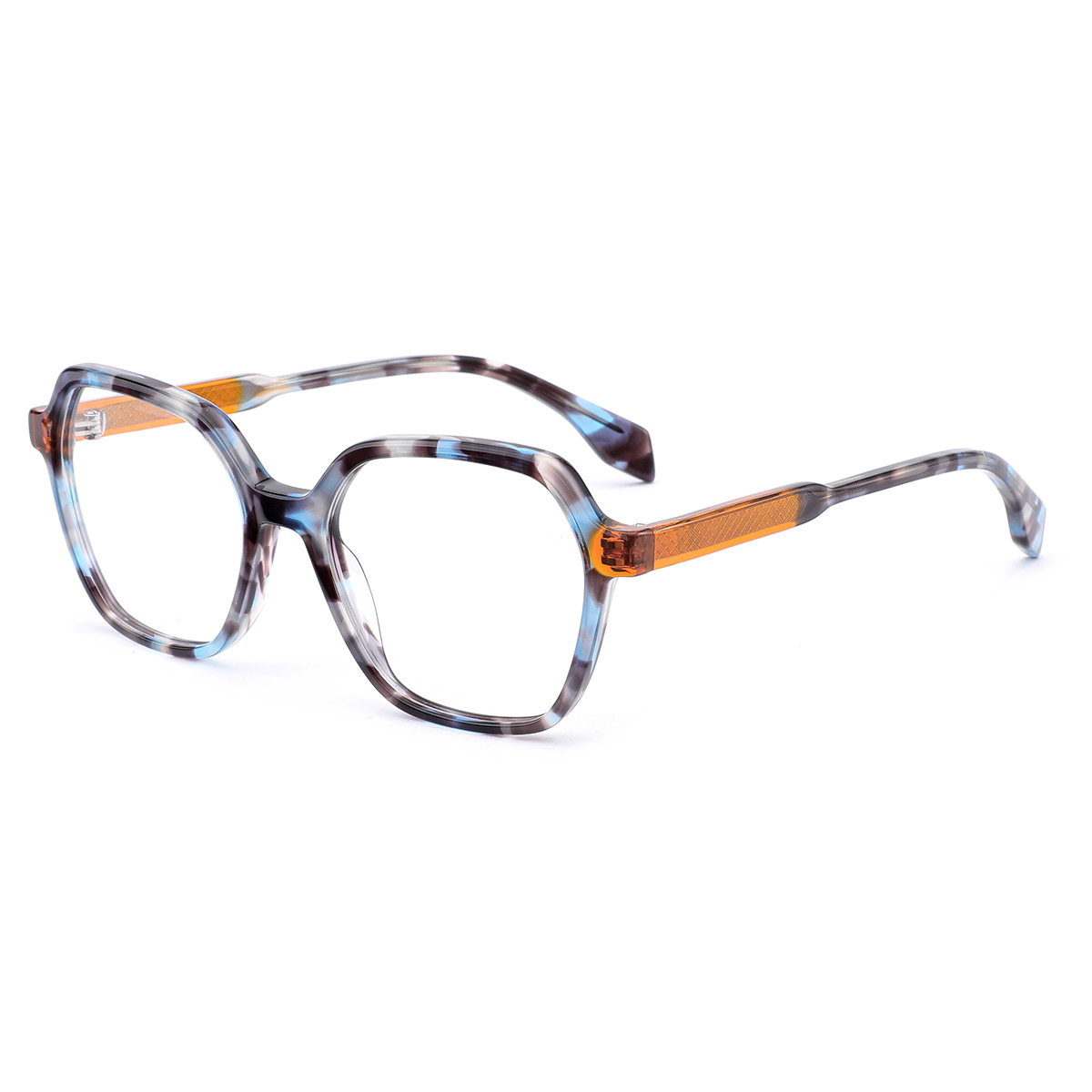
The fastest answer: if your glasses constantly slide down your nose, rest on your cheeks, or leave pressure marks on your face, you likely need low bridge fit glasses. If your frames sit too high, feel loose around the temples, or gap at the nose, you may need standard or high bridge frames. The difference between low bridge vs high bridge glasses comes down to nose anatomy — and getting it right transforms both comfort and appearance.
Content
A low bridge fit means the nose bridge sits lower relative to the pupils, and the frame is designed to accommodate a flatter or lower nose bridge. A high bridge fit assumes the nose bridge is more prominent and elevated, allowing the frame to rest securely on a narrow, raised nose structure.
Bridge height is measured as the distance between the lenses at the center of the frame, typically ranging from 14 mm to 24 mm. Low bridge frames usually have a bridge measurement of 14–17 mm, while high bridge or standard frames range from 18–24 mm.
According to optometric research, approximately 45–55% of the global adult population has facial features that benefit from low bridge fit eyewear, including many people of East Asian, South Asian, Southeast Asian, African, and Latino descent. Despite this, the majority of glasses sold globally are still designed around a Western-standard high nose bridge.
A poor bridge fit is the #1 cause of glasses slipping, cheek contact, and lens misalignment — all of which directly reduce visual clarity and physical comfort.
When the bridge is too high for your face, the glasses perch too low, causing the optical center of each lens to sit below your pupil line. This misalignment forces your eyes to look through the wrong part of the lens — especially critical for progressive or multifocal lenses, where even a 2–3 mm shift can cause distortion and eye strain.
Conversely, when the bridge is too low and the frame is not designed for a low bridge nose, the frame rests on your cheeks rather than your nose bridge, which causes the lenses to tilt outward (known as pantoscopic tilt error), reduces peripheral clarity, and can cause pressure sores on the cheeks after just 2–3 hours of wear.
Low bridge glasses are best suited for anyone whose nose bridge is level with or below the inner corners of their eyes, whose cheekbones are high and prominent, or whose nose has a low, flat, or wide profile at the root.
Key indicators you need low bridge fit glasses:
Low bridge glasses differ from high bridge glasses in five structural ways: bridge height, nose pad design, lens angle, temple arm placement, and overall frame width.
| Feature | Low Bridge Glasses | High Bridge Glasses |
| Bridge height | 14–17 mm (sits closer to face) | 18–24 mm (elevated arch) |
| Nose pads | Integrated / keyhole / saddle bridge | Adjustable silicone pads on metal arms |
| Frame width | Wider across the nose | Narrower, pointed at bridge |
| Temple arm angle | Lower hinge placement | Higher hinge placement |
| Lens tilt | Less pantoscopic tilt needed | More pantoscopic tilt assumed |
| Best nose type | Flat, wide, or low-set bridge | Narrow, prominent, or high-set bridge |
| Cheek clearance | Designed with high cheekbones in mind | Assumes lower cheekbone placement |
Table 1: Structural differences between low bridge and high bridge eyeglass frames across seven key dimensions.
Low bridge glasses primarily use three bridge designs: the keyhole bridge, the saddle bridge, and the adjustable universal bridge — each suited to different nose shapes and frame materials.
Named for its distinctive shape, the keyhole bridge creates a curved cutout between the lenses that widens at the bottom. This allows the frame to rest lower on a flat nose bridge without slipping, as the wider base provides more surface contact. Common in acetate and plastic frames.
The saddle bridge is a smooth, continuous curve between the two lenses — no nose pads. It distributes weight evenly across the nose and is ideal for very flat or button noses where pad-style bridges would grip incorrectly. Found most often in vintage-style and round frames.
Metal frames often feature adjustable nose pads made of soft silicone or PVC on adjustable metal arms. For low bridge wearers, opticians can angle these pads outward and downward to grip the sides of a flat nose bridge — often the most customizable solution. Many modern low bridge glasses feature pre-angled nose pads that are already set for flatter nose bridges out of the box.
You can determine whether you need low bridge or high bridge glasses at home using a mirror and a millimeter ruler in under two minutes.
Step 1 — Check bridge height: Stand facing a mirror. Look straight ahead. Locate the point where your nose meets the space between your eyes (the nasion). If this point is level with or below the inner corners of your eyes (your medial canthi), you likely have a low nose bridge.
Step 2 — Check cheekbone height: Place your current glasses on your face. Look in the mirror. If the bottom rim of the glasses rests on or touches your cheekbones, you have high cheekbones and need more vertical frame clearance — a hallmark of low bridge fit needs.
Step 3 — Measure your bridge width: Using a soft measuring tape or ruler, measure the width across the top of your nose at the narrowest point between your eyes. A width under 18 mm typically indicates low bridge anatomy. A width over 20 mm usually supports standard or high bridge frames comfortably.
Step 4 — The pupillary alignment check: Look straight ahead and have someone observe where the center of your pupil falls relative to your current lens. It should fall roughly in the upper-middle third of the lens. If your pupil appears near the lower half, your glasses have slid too low — you need a lower bridge fit.
For low bridge faces, the most flattering and functional frame styles are round, oval, and geometric shapes with wider bridge measurements and lower frame profiles.
| Frame Style | Suitability for Low Bridge | Why It Works |
| Round | Excellent | Wide saddle bridge, low center of gravity |
| Oval / Soft Rectangle | Excellent | Versatile, available in many low bridge variants |
| Cat-Eye | Good (with keyhole bridge) | Lifts visual weight, but bridge must be wide |
| Aviator | Good (adjustable pads) | Metal frame pads can be customized |
| Rimless / Semi-rimless | Poor | Minimal bridge structure, prone to slipping |
| High-Bridge Wayfarer | Poor | Narrow bridge sits on cheeks, not nose |
Table 2: Frame style suitability ratings for low bridge nose anatomy, with rationale for each recommendation.
Wearing glasses with the wrong bridge fit causes five main problems: visual misalignment, physical discomfort, skin irritation, accelerated frame wear, and reduced lens effectiveness — especially with progressive lenses.
When frames sit too low due to a bridge mismatch, the optical center of the lens moves below the pupil. For single-vision lenses, this causes mild blur and increased squinting. For progressive lenses, the misalignment is severe — the reading zone shifts entirely out of the natural down-gaze position, requiring wearers to tilt their head awkwardly, often causing neck tension and headaches. Studies in clinical optometry suggest that as little as 3 mm of vertical misalignment can degrade visual acuity by the equivalent of one diopter of error.
Frames resting on cheekbones instead of the nose bridge exert localized pressure over a small surface area (typically 2–4 cm²), leading to red marks, skin indentations, and sometimes mild bruising after 4–6 hours of daily wear. Conversely, a frame with a bridge too narrow for a wider nose pinches the nasal bone and causes pain, headaches, and sometimes mild inflammation.
Every pair of glasses has three numbers printed on the inner arm: lens width, bridge width, and temple arm length — the middle number is the bridge measurement you need to match to your nose.
For example, a frame labeled 52-16-140 means:
For low bridge fit glasses, look for a bridge number of 14–17 mm. For standard and high bridge fits, 18–22 mm is typical. Some frames are specifically labeled "LBF" (Low Bridge Fit) or "Asian Fit," and these are engineered with adjusted nose pads, lower bridge placement, and modified temple angles.
Yes — "Asian fit" and "low bridge fit" refer to the same category of frame design, with the former term reflecting regional marketing and the latter being the anatomically accurate descriptor used by modern opticians.
The term "Asian fit" emerged in the eyewear industry in the 1990s and 2000s to describe frames engineered for facial features more common among people of East and Southeast Asian descent — particularly flatter nose bridges, higher cheekbones, and narrower facial widths. In recent years, the industry has shifted toward "low bridge fit" as the preferred terminology, since these features are present across many ethnicities worldwide and the anatomical description is more precise and inclusive.
For low bridge fit glasses, acetate (plastic) frames with integrated keyhole or saddle bridges offer the best combination of stability, comfort, and style variety.
| Material | Low Bridge Pros | Low Bridge Cons |
| Acetate (Plastic) | Wide saddle bridges, lightweight, no pad marks | Less adjustable once manufactured |
| Metal / Titanium | Fully adjustable nose pads, very durable | Pad marks possible, requires optician adjustment |
| TR-90 / Ultem | Extremely lightweight, flexible, sports-suitable | Limited premium styling options |
| Mixed (acetate + metal) | Combines adjustability with style variety | Slightly heavier than pure acetate |
Table 3: Eyeglass frame materials compared by their suitability and practical trade-offs for low bridge nose anatomy.
The choice between low bridge and high bridge glasses is not about preference — it is about anatomy, and getting it right delivers an immediate improvement in comfort, vision quality, and daily wearability.
If your glasses slide, touch your cheeks, or leave your lenses sitting too low, switch to a low bridge fit frame with a 14–17 mm bridge measurement and a saddle or keyhole bridge. If your glasses sit too high, gap at the nose, or feel loose on a prominent nose bridge, look for standard or high bridge frames with 18–22 mm bridge measurements and adjustable nose pads.
When in doubt, visit an optician who offers bridge measurement assessment and request a fitting consultation. A correctly fitted pair of glasses — built for your actual nose bridge — can eliminate years of frustration and eye strain in a single purchase.
NEWSLETTER

Copyright © Zhejiang Qiliang Optical Technology Co., Ltd. All Rights Reserved. OEM/ODM Rimless Glasses Frames Manufacturers


 Search
 EN
EN English
 Deutsch
 Français
 Español
 italiano
 cn
cn jp
jp kr
kr