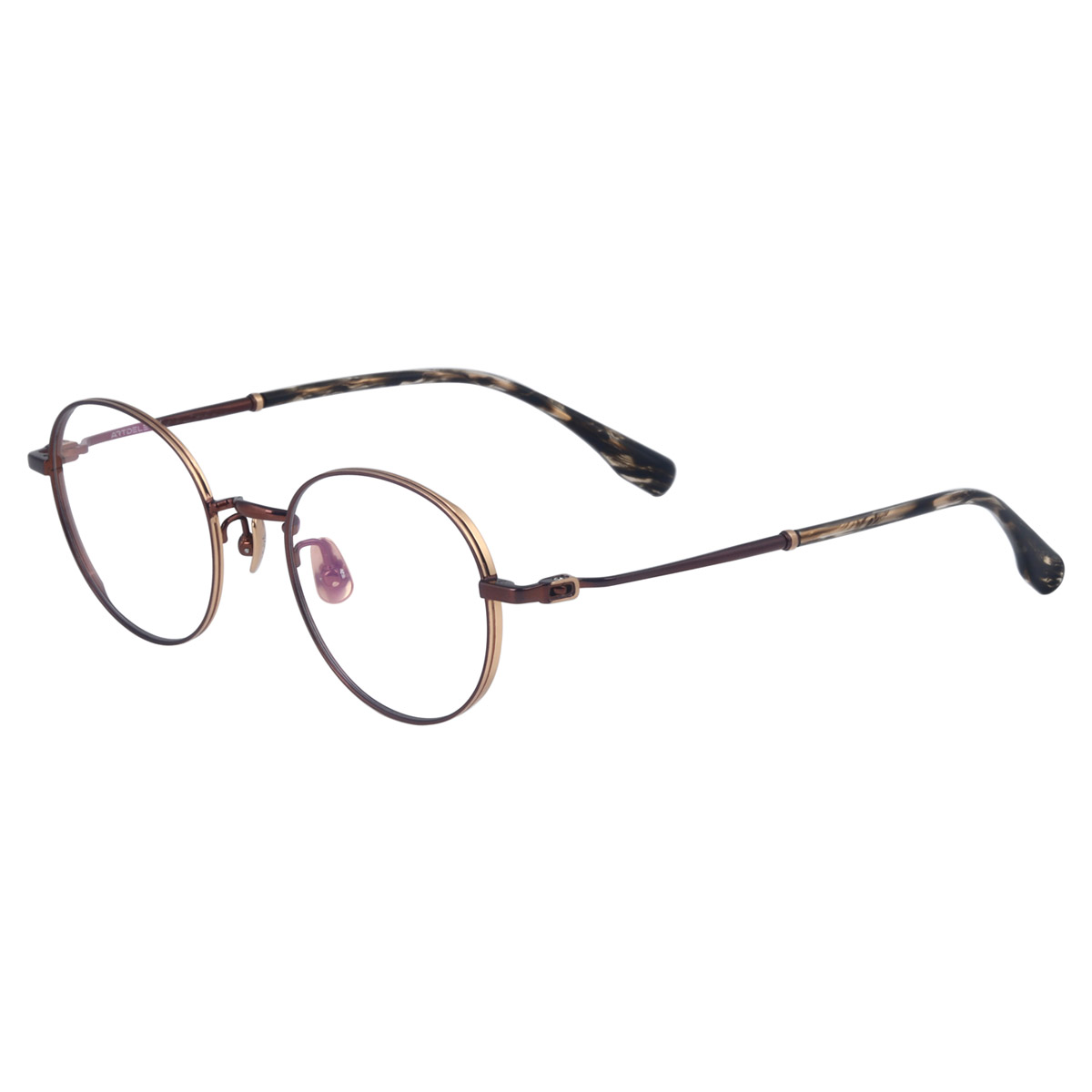
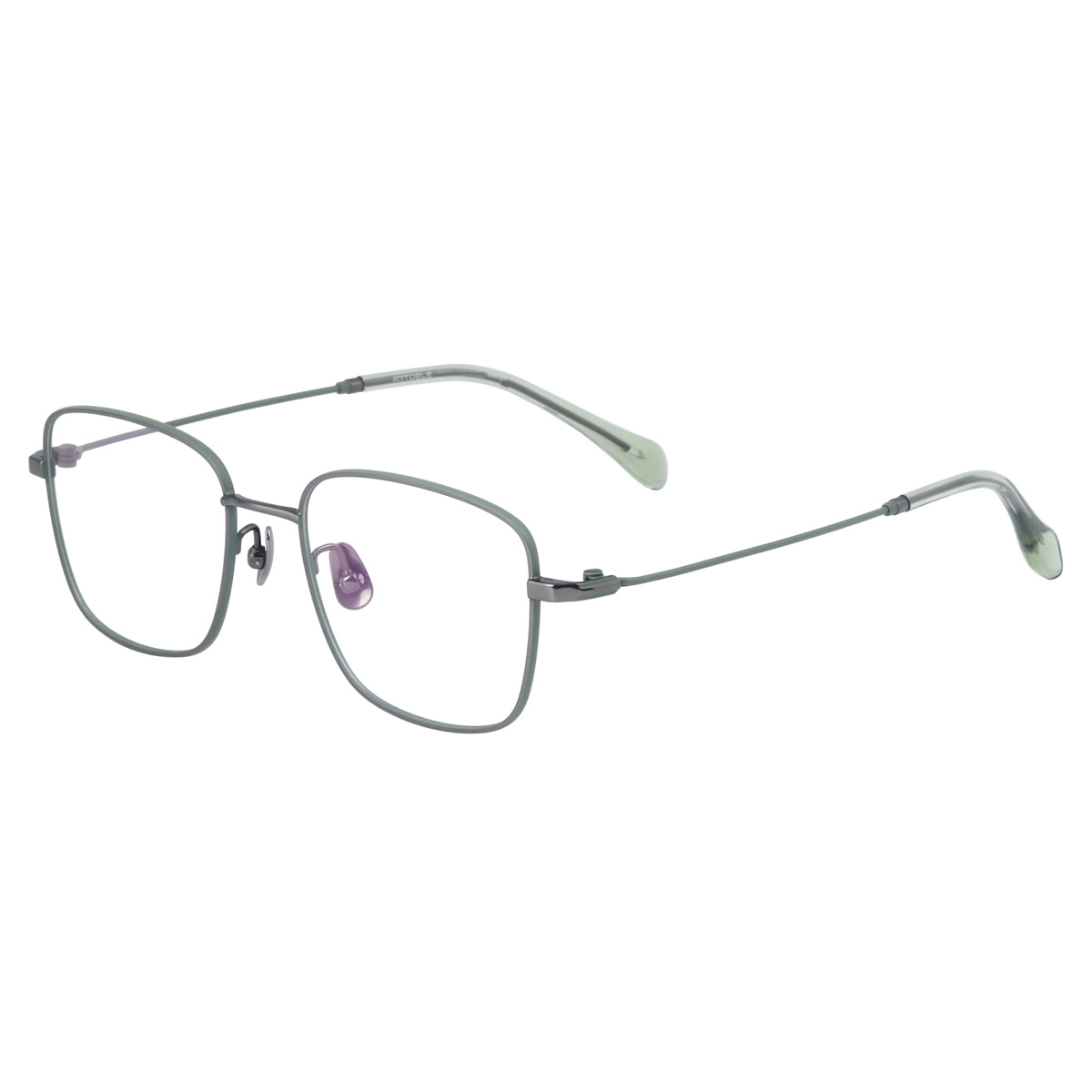
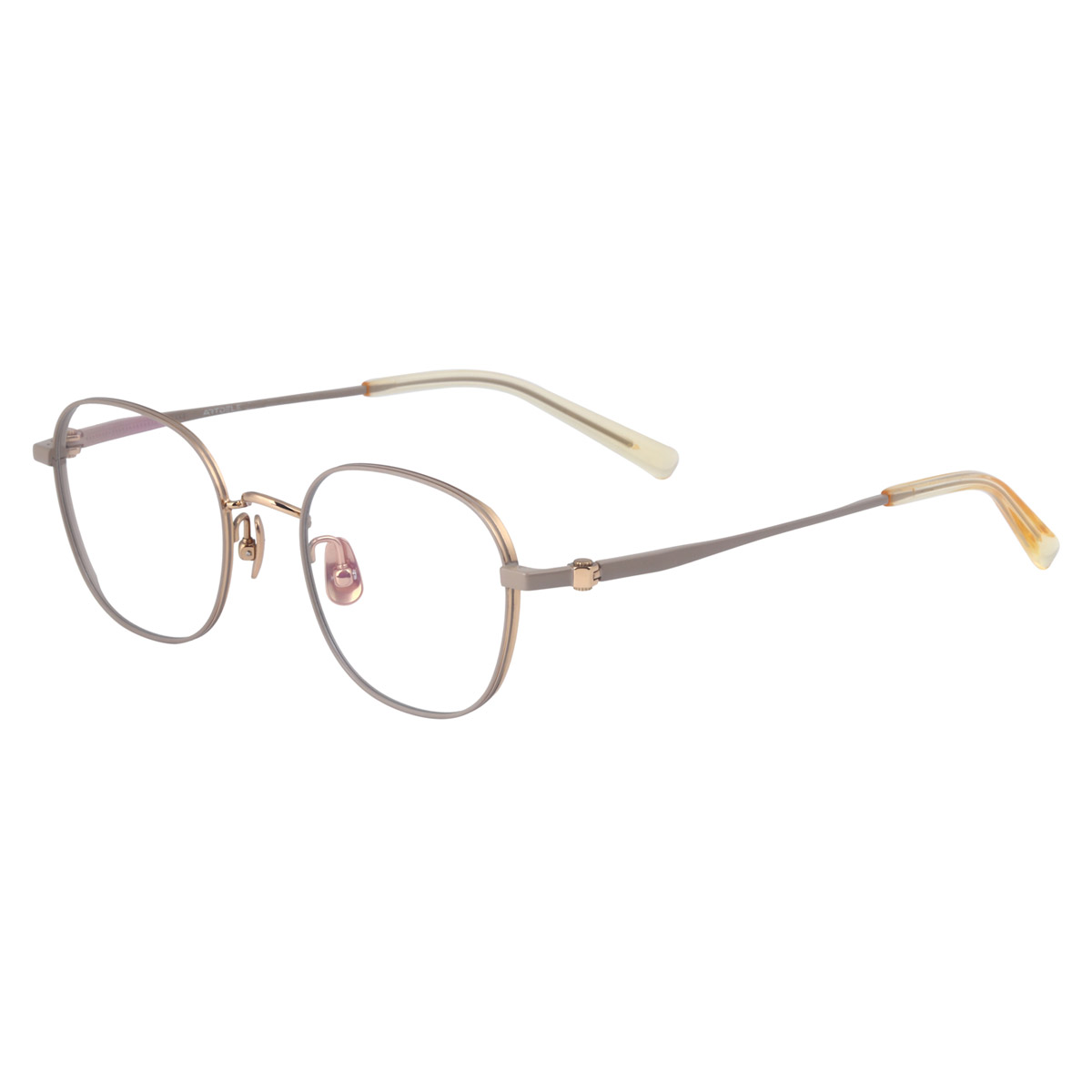
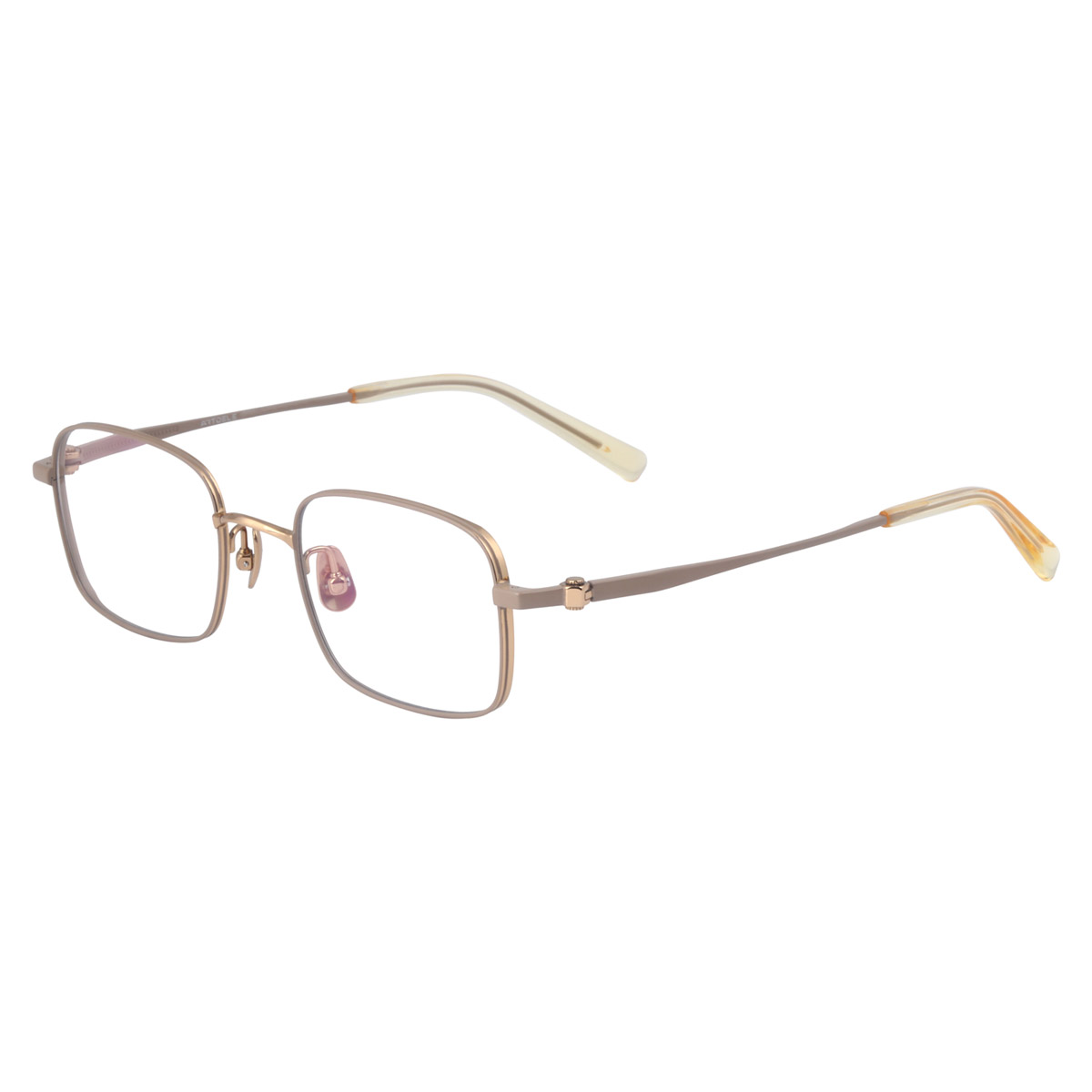
In the rapidly evolving landscape of wearable technology, smart glasses have emerged as a revolutionary bridge between the physical and digital worlds. At their core, smart glasses are wearable computer devices that add information to what the wearer sees, typically through an optical head-mounted display (OHMD) or computerized internet-connected glasses with transparent heads-up displays (HUD). Unlike traditional eyewear, which serves the primary purpose of vision correction or UV protection, smart glasses function as a sophisticated extension of your smartphone or computer, bringing data directly into your line of sight.
Content
To understand the rise of this technology, one must first define what makes a pair of glasses "smart." Smart glasses are essentially wearable computers that utilize a combination of sensors, cameras, and display technologies to provide the user with real-time data, communication capabilities, and augmented reality (AR) experiences.
While standard spectacles are passive tools, smart glasses are active devices. They can capture photos, record videos, provide turn-by-turn navigation, translate foreign languages in real-time, and even allow for hands-free messaging. The integration of smart glasses into daily life represents a shift from "handheld" computing to "heads-up" computing, allowing users to remain engaged with their environment while accessing digital information.
The gap between a standard pair of lenses and a high-tech wearable is vast. The following sections break down the mechanical, functional, and technological disparities that define smart glasses.
Regular glasses are static. They sit on your face and perform one task: refracting light. Smart glasses, however, are built for connectivity. They typically feature Bluetooth or Wi-Fi modules that allow them to sync with other devices. This connectivity enables smart glasses to receive notifications, stream audio, and even access cloud-based AI services.
Perhaps the most significant difference lies in the display. Smart glasses often utilize a tiny projector or a transparent LCD/OLED screen to overlay digital images onto the real world. This is known as Augmented Reality (AR). While regular glasses provide a clear view of reality, smart glasses enhance that reality with contextual data layers.
A pair of smart glasses is packed with hardware that regular frames lack. This includes:
Below is a comprehensive comparison to help clarify why smart glasses represent a new category of consumer electronics.
| Feature | Regular Eyewear | Smart Glasses |
|---|---|---|
| Primary Purpose | Vision correction / Fashion | Computing / Connectivity / AR |
| Power Source | None (Passive) | Lithium-ion Battery |
| Visual Ability | Static vision | Dynamic digital overlays |
| Audio | Not applicable | Integrated speakers/mics |
| Weight | Ultra-light (15g - 30g) | Varies (30g - 100g+) |
| Privacy Concerns | None | High (due to cameras/mics) |
To achieve the "smart" functionality, engineers must miniaturize a computer and fit it into the temples and frame of the eyewear. This involves several critical technological components.
The display is the heart of smart glasses. There are two main methods:
Modern smart glasses require a chipset capable of handling complex tasks like voice recognition and image processing. Many run on specialized versions of Android or proprietary operating systems designed for low power consumption. Because the device is worn on the head, managing heat dissipation is a major engineering hurdle for smart glasses manufacturers.
The applications for smart glasses extend far beyond simple tech novelty. They are currently being utilized in various sectors:
As batteries become more efficient and components continue to shrink, the line between smart glasses and regular eyewear will continue to blur. Future iterations of smart glasses are expected to include features like:
Q: Can I get prescription lenses for smart glasses?
A: Yes, most modern smart glasses offer prescription inserts or the ability to have custom-ground lenses fitted into the smart frames.
Q: Are smart glasses waterproof?
A: Most smart glasses are water-resistant (IPX4 or similar), meaning they can handle sweat and light rain, but very few are fully waterproof for swimming.
Q: How long does the battery last on smart glasses?
A: Battery life varies greatly. Passive smart glasses (audio only) can last 6-12 hours, while heavy AR usage may drain the battery in 1-3 hours.
Q: Do smart glasses replace my smartphone?
A: Currently, smart glasses act as a companion to your phone. While some can function independently with LTE, most rely on your phone for processing and data.
NEWSLETTER

Copyright © Zhejiang Qiliang Optical Technology Co., Ltd. All Rights Reserved. OEM/ODM Rimless Glasses Frames Manufacturers


 Search
 EN
EN English
 Deutsch
 Français
 Español
 italiano
 cn
cn jp
jp kr
kr