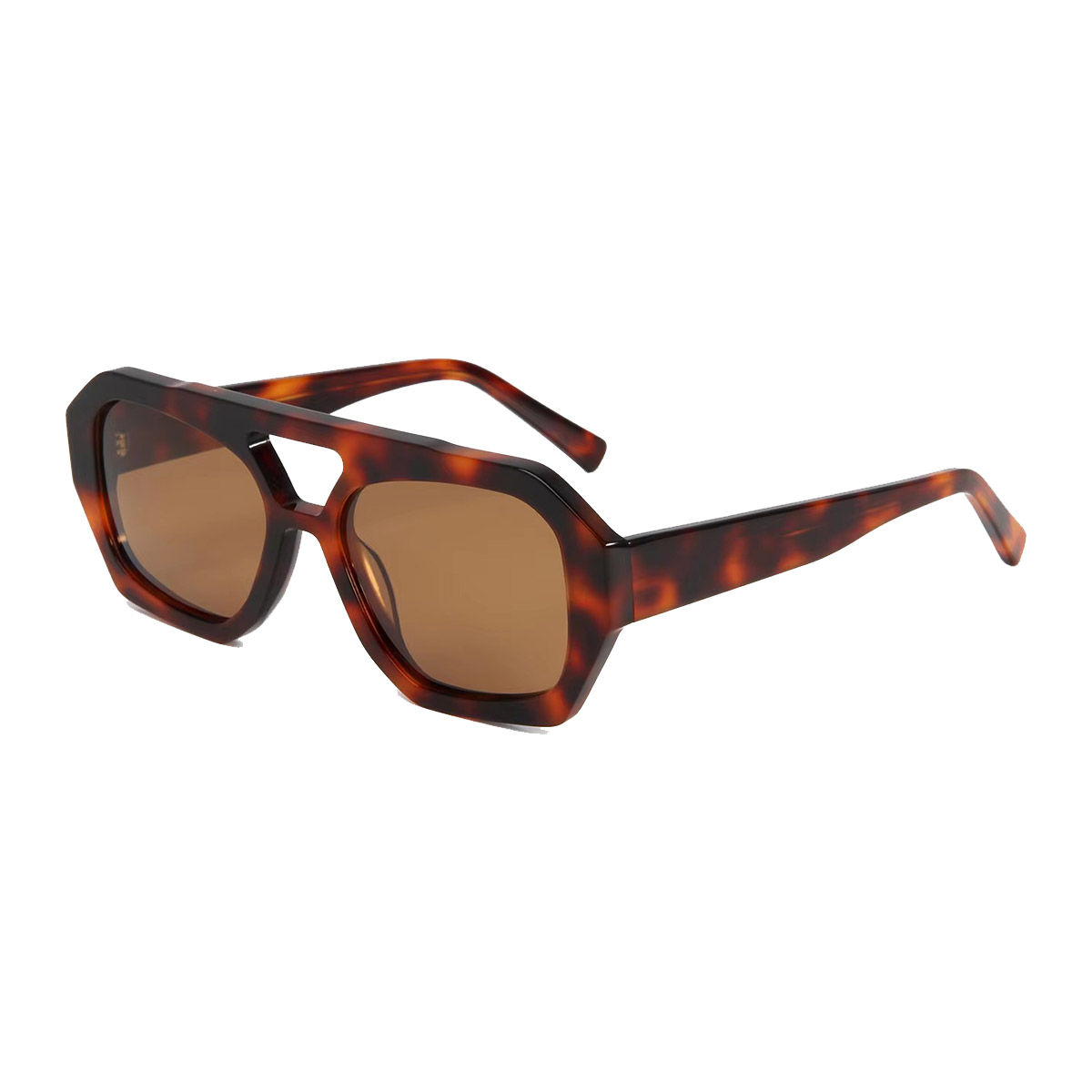
In sunny seasons, sunglasses are not only an essential fashion item but also a crucial barrier protecting your eyes from harmful UV rays. However, many people have some misconceptions when choosing and using sunglasses. Improper wearing can not only fail to provide protection but may even damage your vision.
Here are some of the most common misconceptions about wearing sunglasses. Check if you've fallen for any of them!
Content
This is the most common misconception. Many people believe that the darker the lenses, the better the light blocking and radiation protection.
Truth: The darkness of the lenses only determines the degree of visible light absorption and has no direct relationship with UV protection.
Risk: Wearing dark, low-quality sunglasses without UV protection can cause pupil dilation, allowing more UV rays to enter the eye and causing greater damage to the retina. Look for the UV400 label when purchasing sunglasses.
Because the sun is most glaring in summer, many people only take out their sunglasses during this season.
The Truth: UV damage to the eyes is cumulative and not limited by season. Even in winter, sunlight reflected from snow (risk of snow blindness) and UV radiation remain strong when cloud cover is thin.
Recommendation: Wear sunglasses to protect your cornea and lens whenever outdoor light is strong or the UV index is high.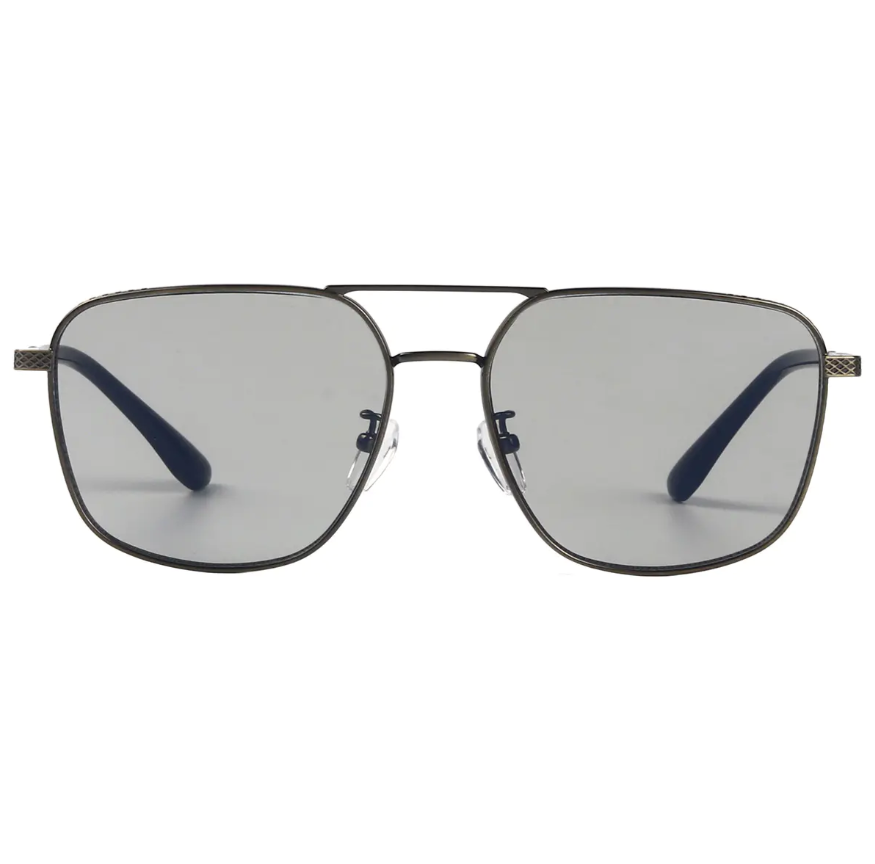
Some people believe that sunglasses can be worn indefinitely as long as they are not broken or scratched.
The Truth: The UV-protective coating on lenses gradually ages over time due to exposure to light and daily wiping.
Scientific Basis: Studies show that the protective performance of sunglasses exposed to sunlight for extended periods decreases year by year. It is recommended to have the lenses checked for protection approximately every two years and replace them if necessary.
In pursuit of a "cool" look, some people continue to wear sunglasses indoors, in tunnels, or at dusk.
Risk: Wearing sunglasses in low-light conditions can reduce visual brightness, increase eye fatigue, and may even cause dizziness and nausea.
Safety Tip: Always remove sunglasses when entering a tunnel while driving to avoid traffic accidents caused by sudden dimming.
Polarized sunglasses are popular because they eliminate glare from water and road surfaces, but they are not a panacea.
Limitations: When wearing polarized sunglasses to view mobile phone screens, car navigation systems, or LCD monitors, rainbow patterns or a blacked-out screen may appear.
Suitable Scenarios: Polarized sunglasses are recommended for fishing, driving, and water sports; for ordinary daily walking, high-quality regular sunglasses are sufficient.
NEWSLETTER

Copyright © Zhejiang Qiliang Optical Technology Co., Ltd. All Rights Reserved. OEM/ODM Rimless Glasses Frames Manufacturers


 Search
 EN
EN English
 Deutsch
 Français
 Español
 italiano
 cn
cn jp
jp kr
kr