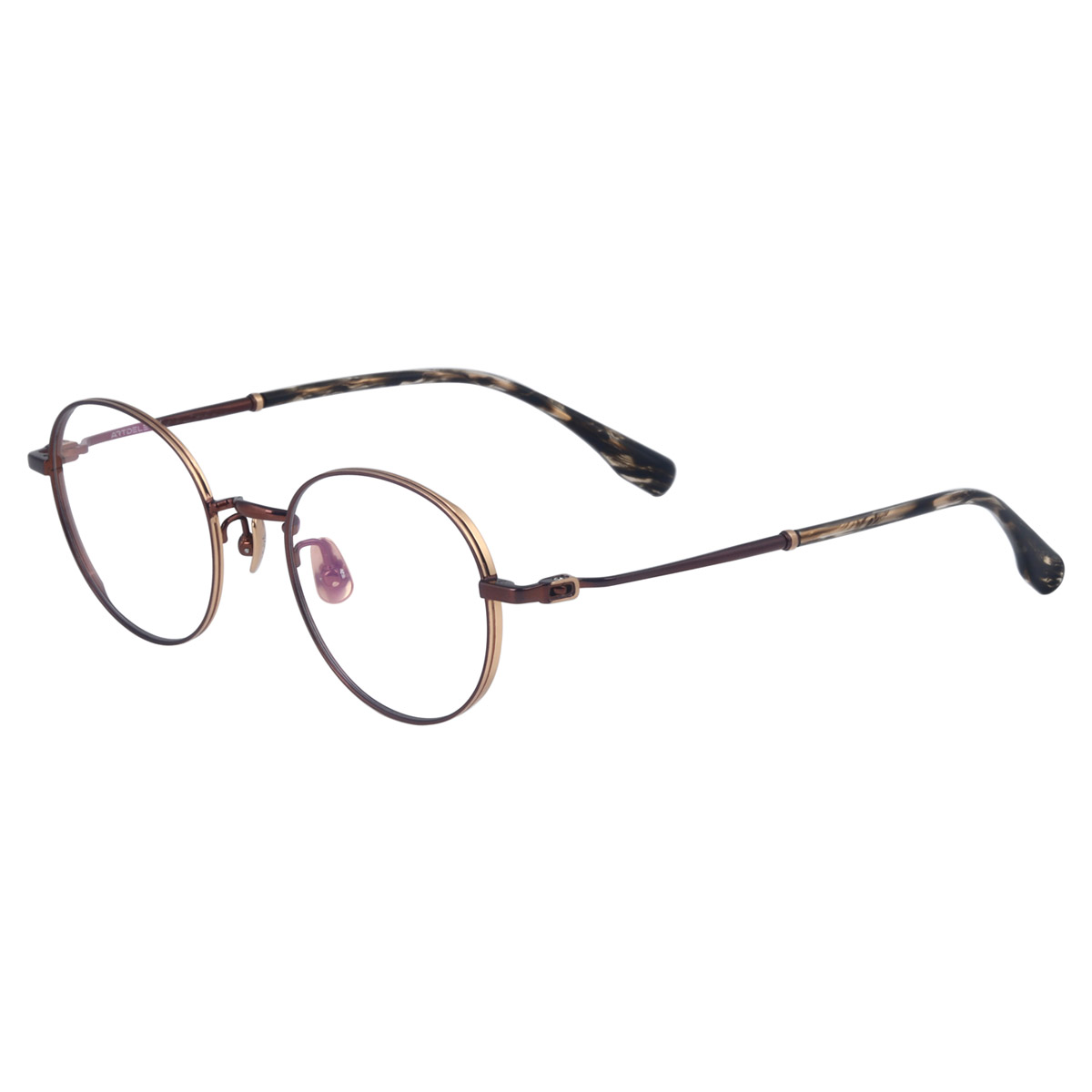
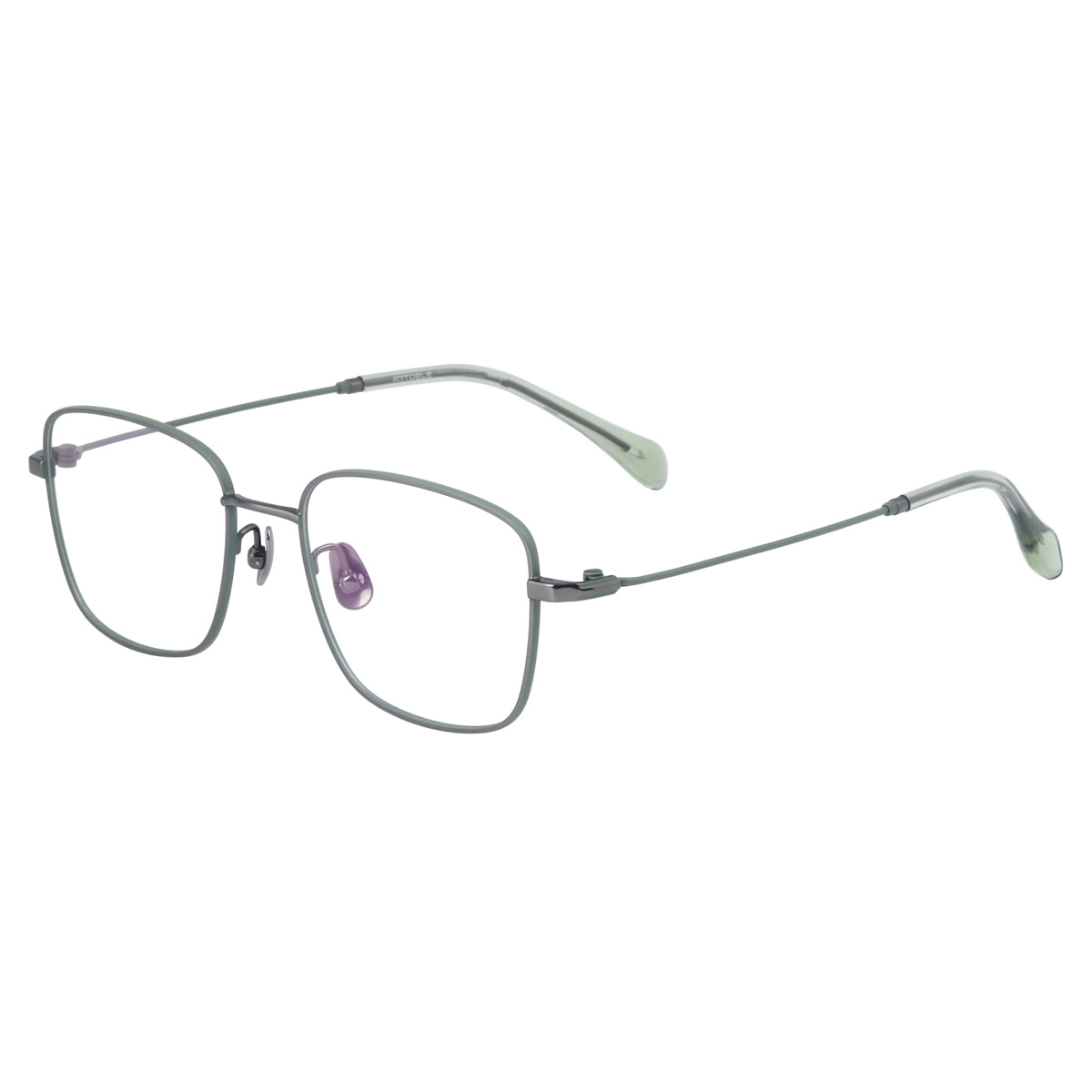
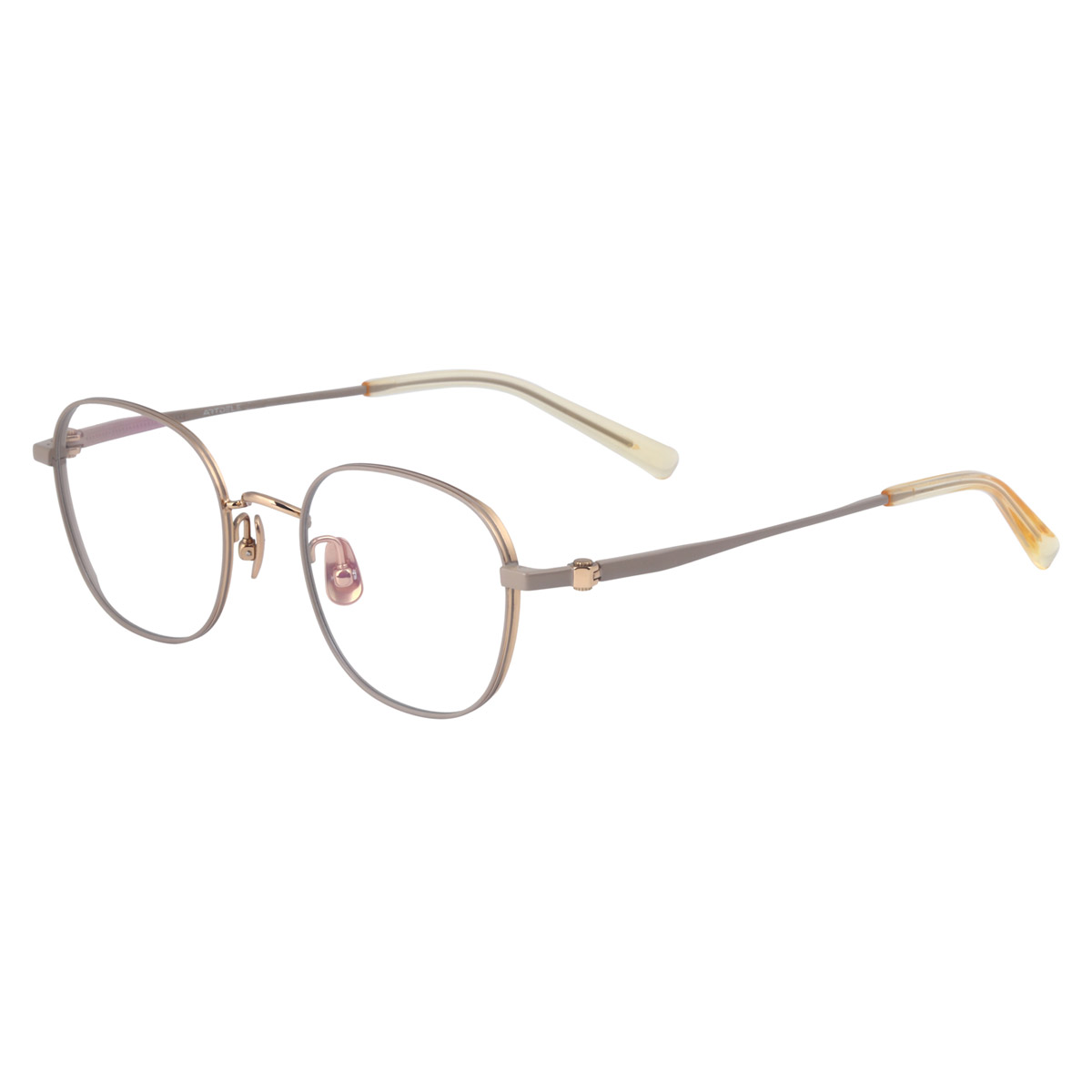
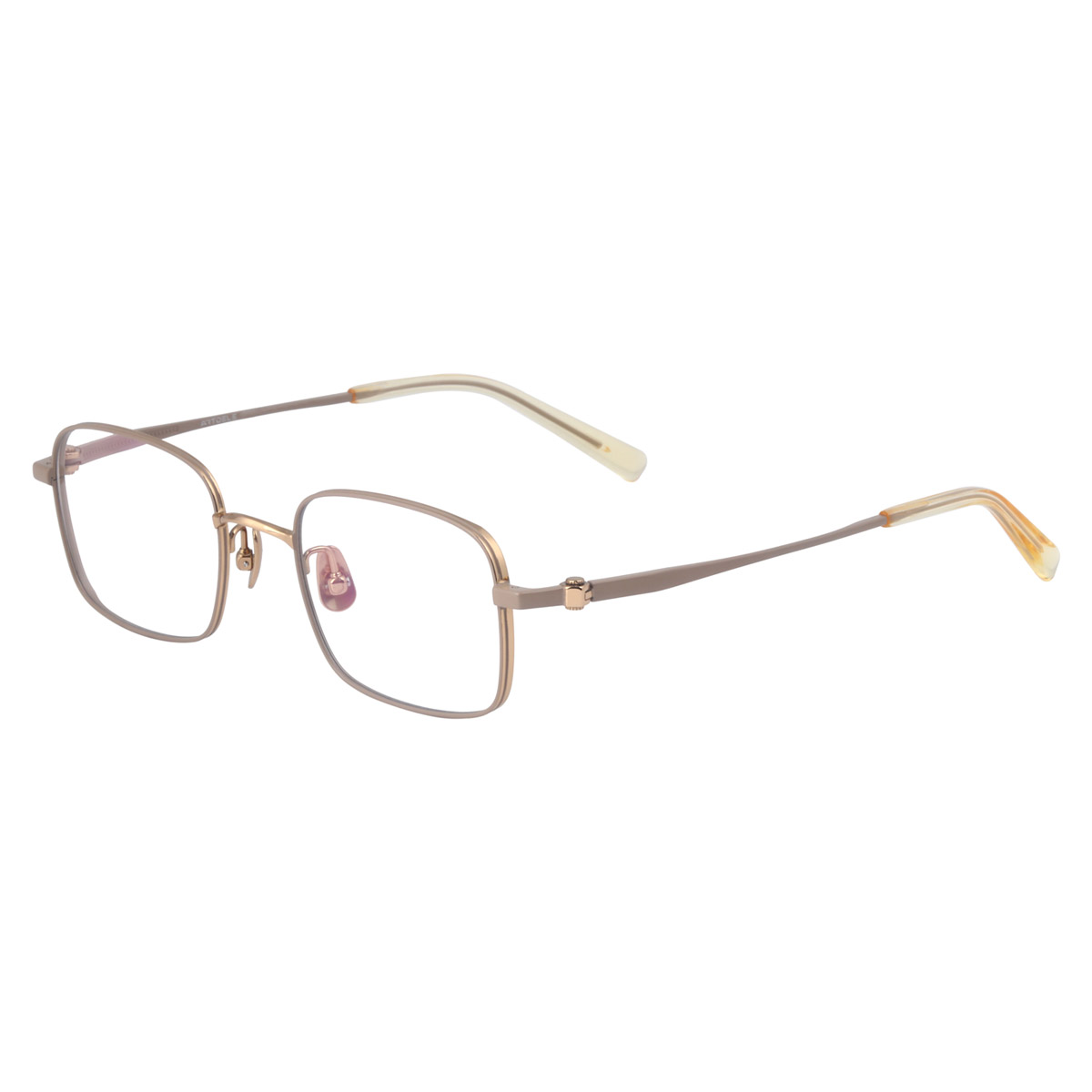
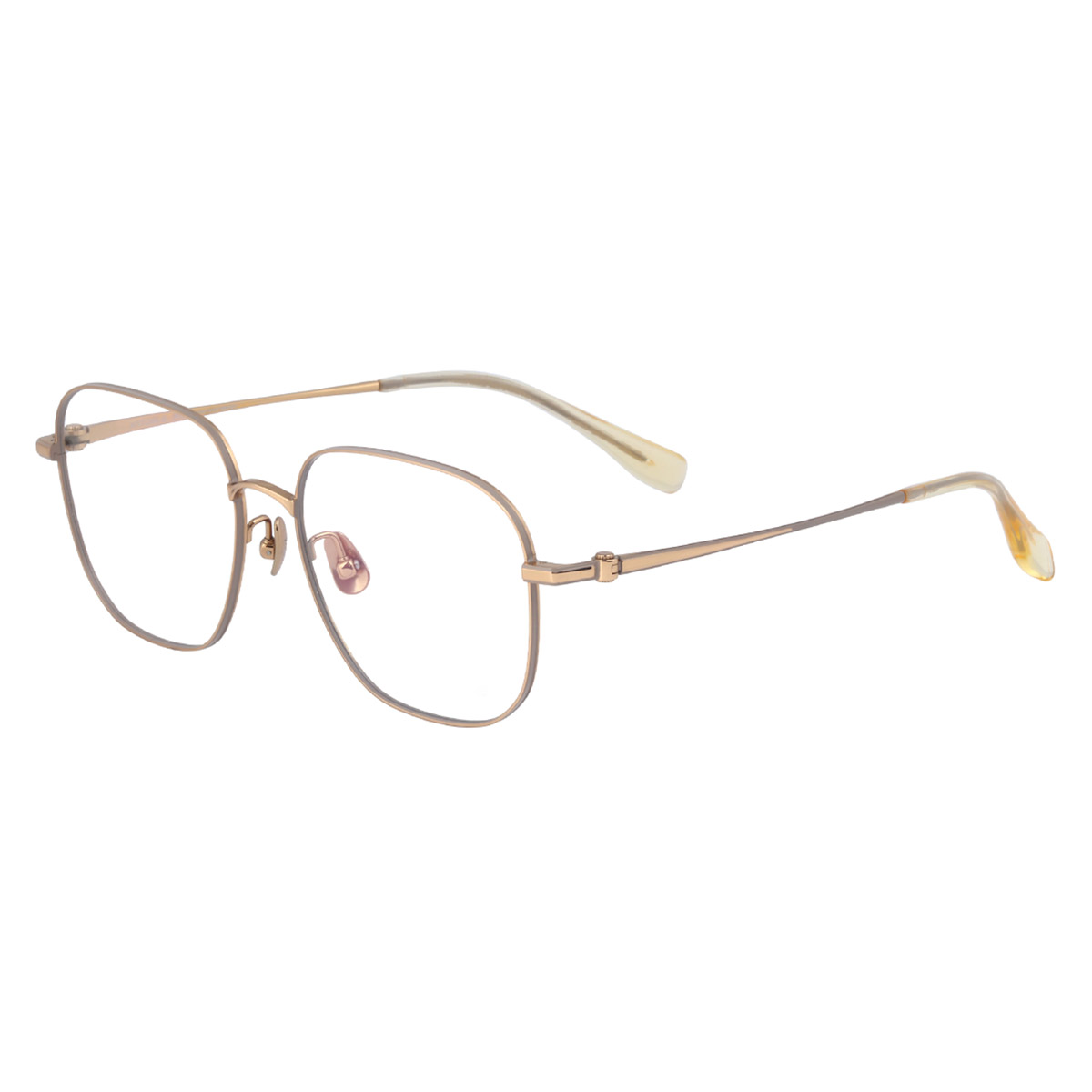
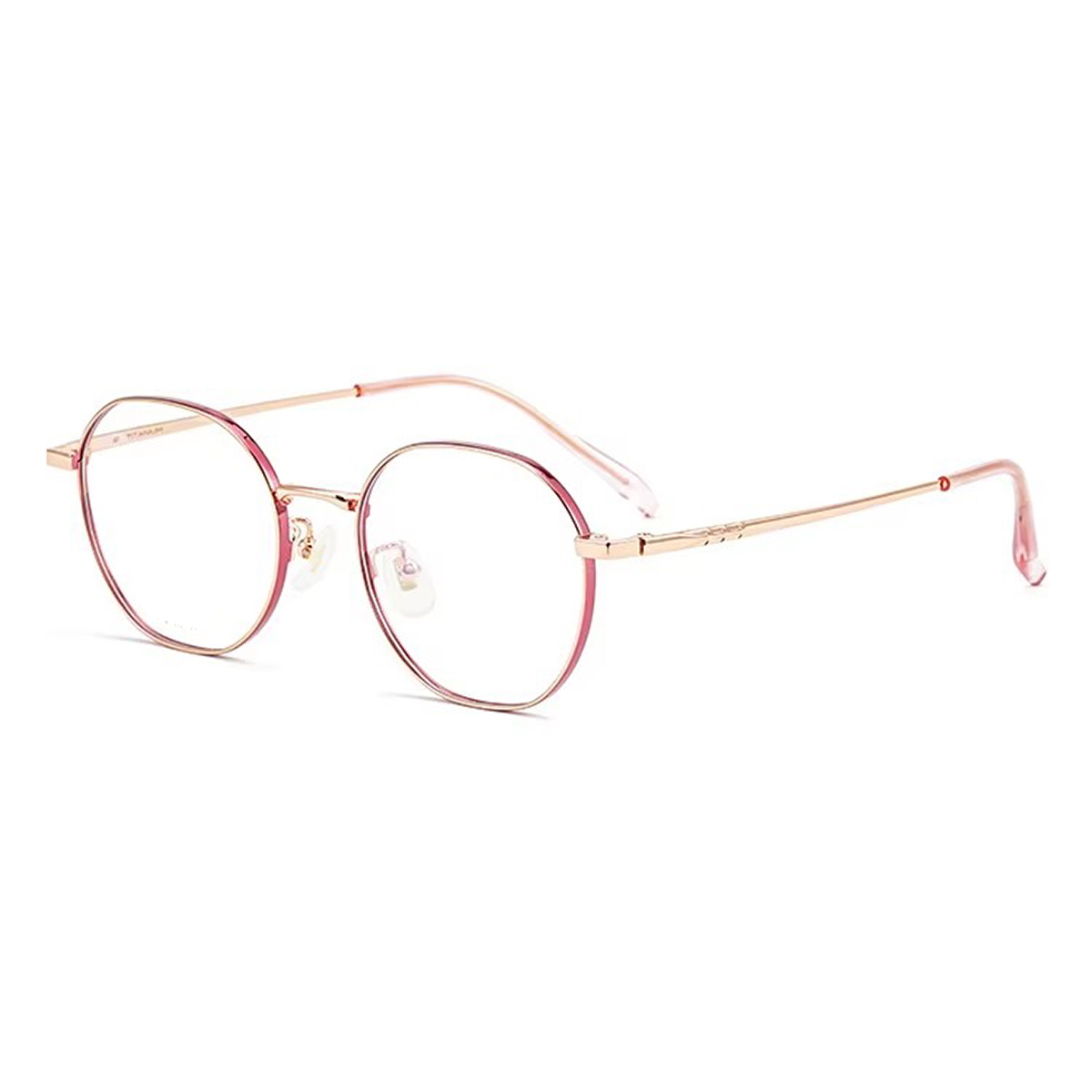
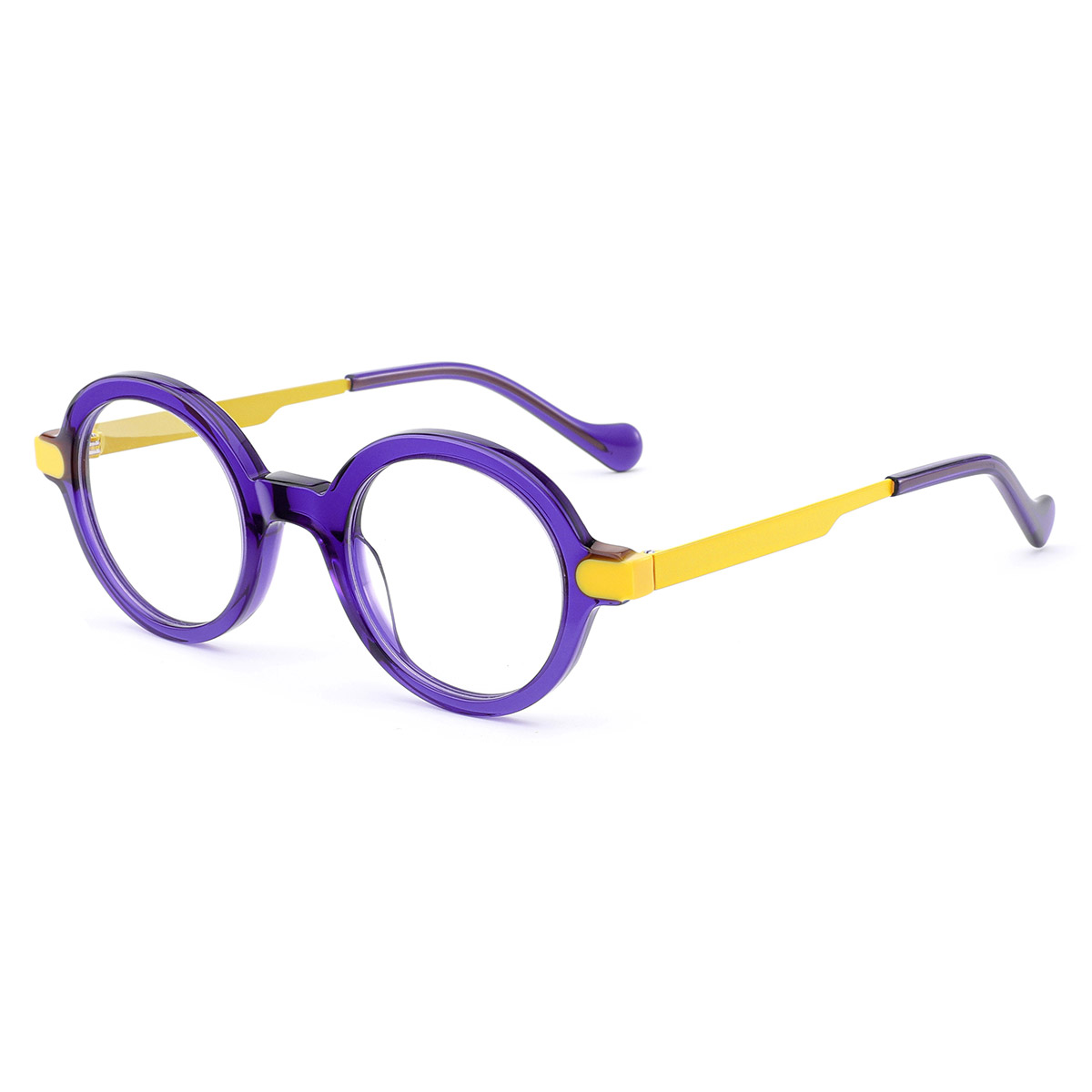
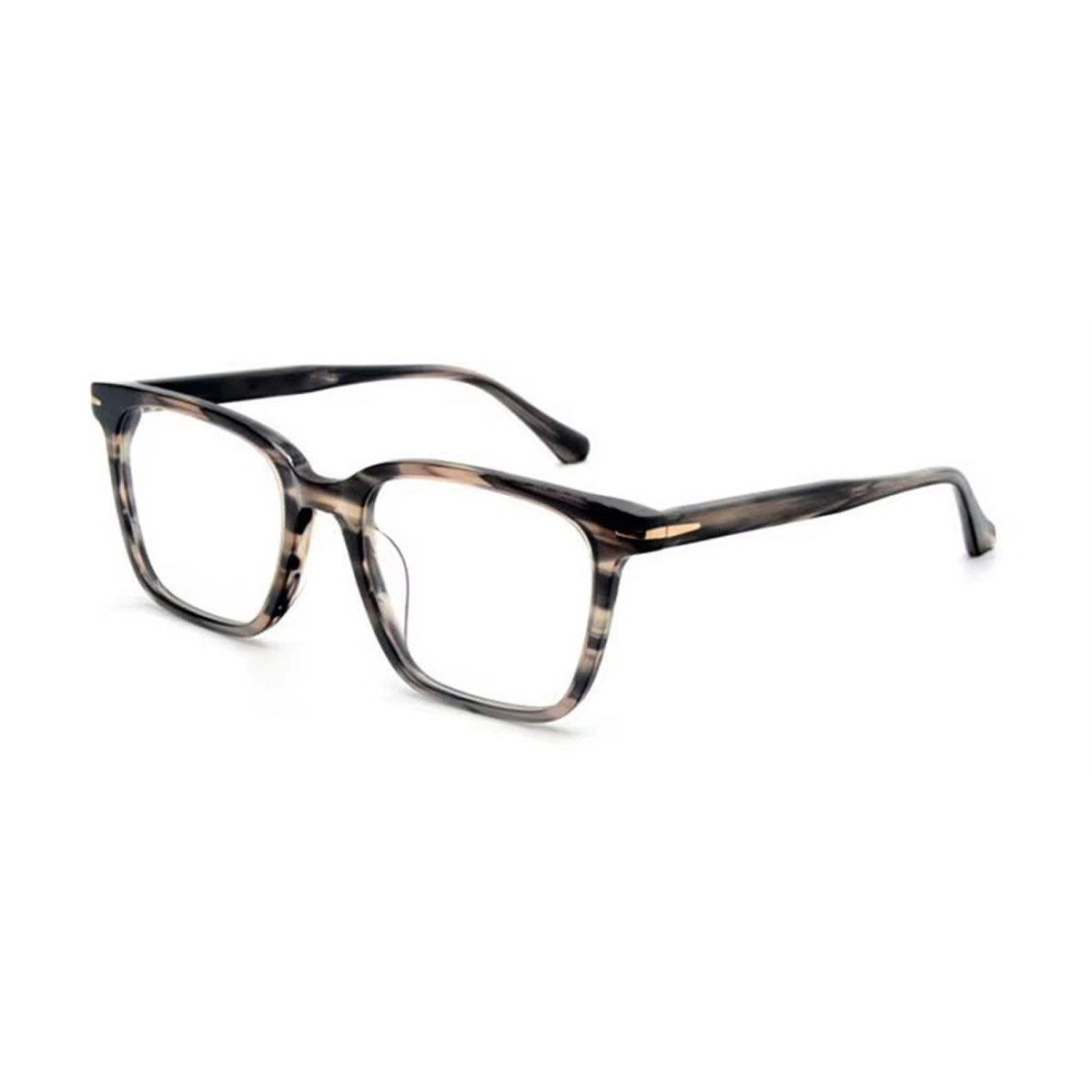
When watching Hollywood blockbusters in the cinema, wearing special 3D glasses instantly makes the images on the screen appear three-dimensional and vivid, almost tangible. This is the magic of 3D glasses.
Content
Humans can see a three-dimensional world because there is a gap of about 6 centimeters between our two eyes. This means that the images seen by the left and right eyes are slightly different (i.e., "binocular parallax"). After the brain processes these two slightly different signals, it produces a sense of depth.
The main function of 3D glasses is to separate the two overlapping images on the screen, ensuring that the left eye only sees the left-eye image, and the right eye only sees the right-eye image. Through this artificially created parallax, it tricks the brain into producing a strong stereoscopic visual effect.
Depending on different projection technologies, 3D glasses are generally divided into the following mainstream types:
Polarized 3D glasses (mainstream in cinemas): Utilize the principle of light polarization. The left and right lenses filter polarized light in different directions. Its advantages include light weight, low cost, and no need for a power source, making it the preferred choice for IMAX and most digital cinemas.
Active shutter 3D glasses (common in home TVs): The lenses contain a liquid crystal layer that blocks vision through high-speed alternating switching. When the screen displays the image for the left eye, the right lens turns black; and vice versa. These glasses offer extremely high image clarity but are more expensive and require charging.
Anisotropic 3D glasses (red-blue/red-green): The most basic technology, using color filters to separate colors. While highly compatible (can be viewed on ordinary monitors), they are prone to color distortion and eye strain, and have largely disappeared from the mainstream market.
While most people encounter 3D glasses in cinemas, with the development of virtual reality (VR) and augmented reality (AR) technologies, their applications have expanded significantly:
Gaming and entertainment: Used with game consoles or PCs that support 3D effects, providing players with an immersive first-person visual experience.
Medical Education: Doctors can use 3D glasses to observe complex anatomical models of the human body or conduct remote surgical simulations, improving surgical precision.
Industrial Design: Architects and engineers can utilize stereoscopic vision technology to comprehensively observe the internal structure of buildings before construction, promptly identifying design flaws.
If you are nearsighted, clip-on 3D glasses are recommended for use in cinemas. They can be directly clipped onto your prescription glasses frame, reducing strain on the bridge of your nose. At the same time, be sure to keep the lenses clean and avoid scratches, as the clarity of the lenses directly affects the final 3D visual experience.
3D glasses are more than just a pair of plastic glasses; they are an important bridge for humanity to explore virtual reality and stereoscopic images. They allow us to break through the two-dimensional plane and enter a three-dimensional world full of depth and detail.
Tip: Watching 3D movies should not be prolonged. If you feel dizzy or eye fatigue, remove your glasses and rest for a moment to allow your eyes to relax.
NEWSLETTER

Copyright © Zhejiang Qiliang Optical Technology Co., Ltd. All Rights Reserved. OEM/ODM Rimless Glasses Frames Manufacturers


 Search
 EN
EN English
 Deutsch
 Français
 Español
 italiano
 cn
cn jp
jp kr
kr