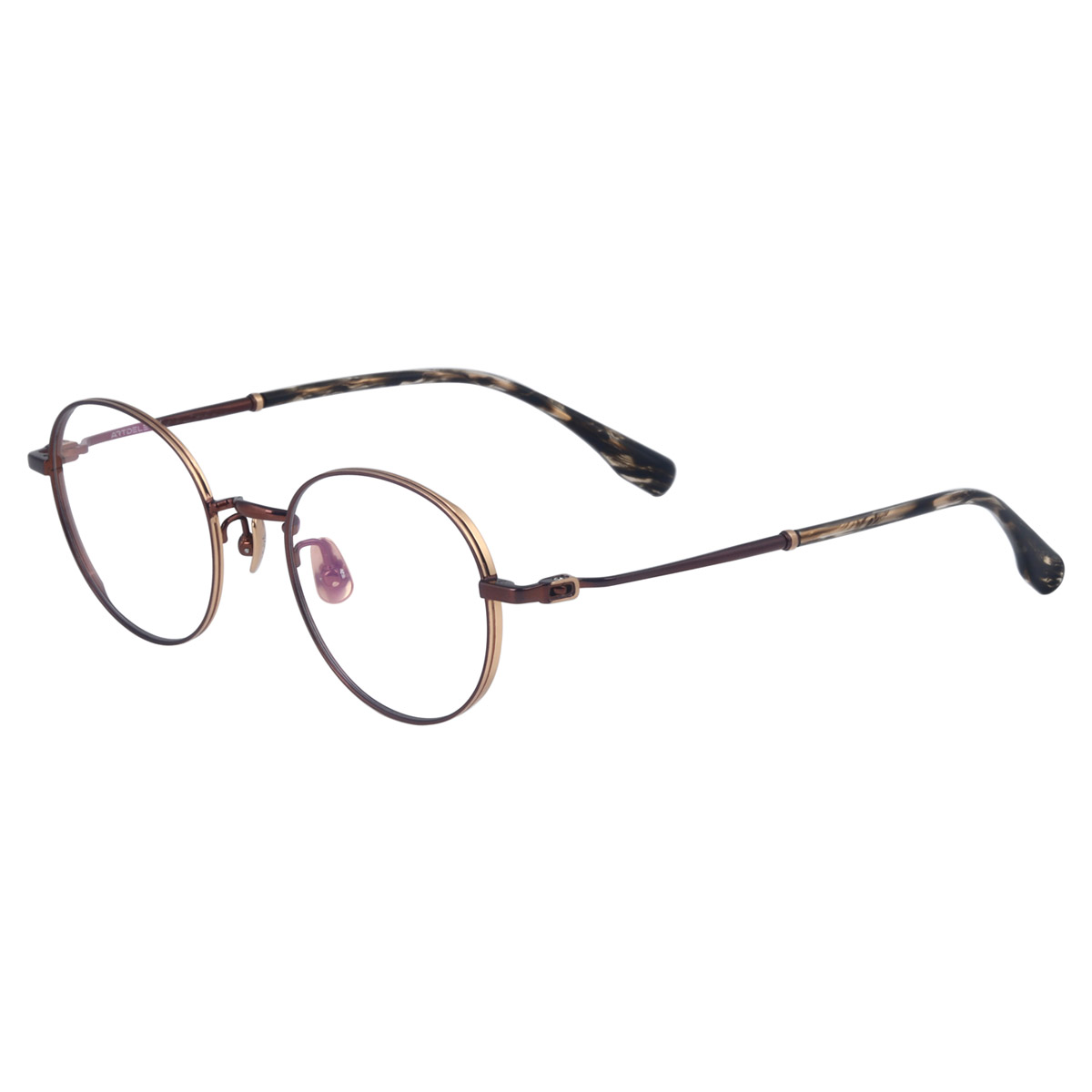
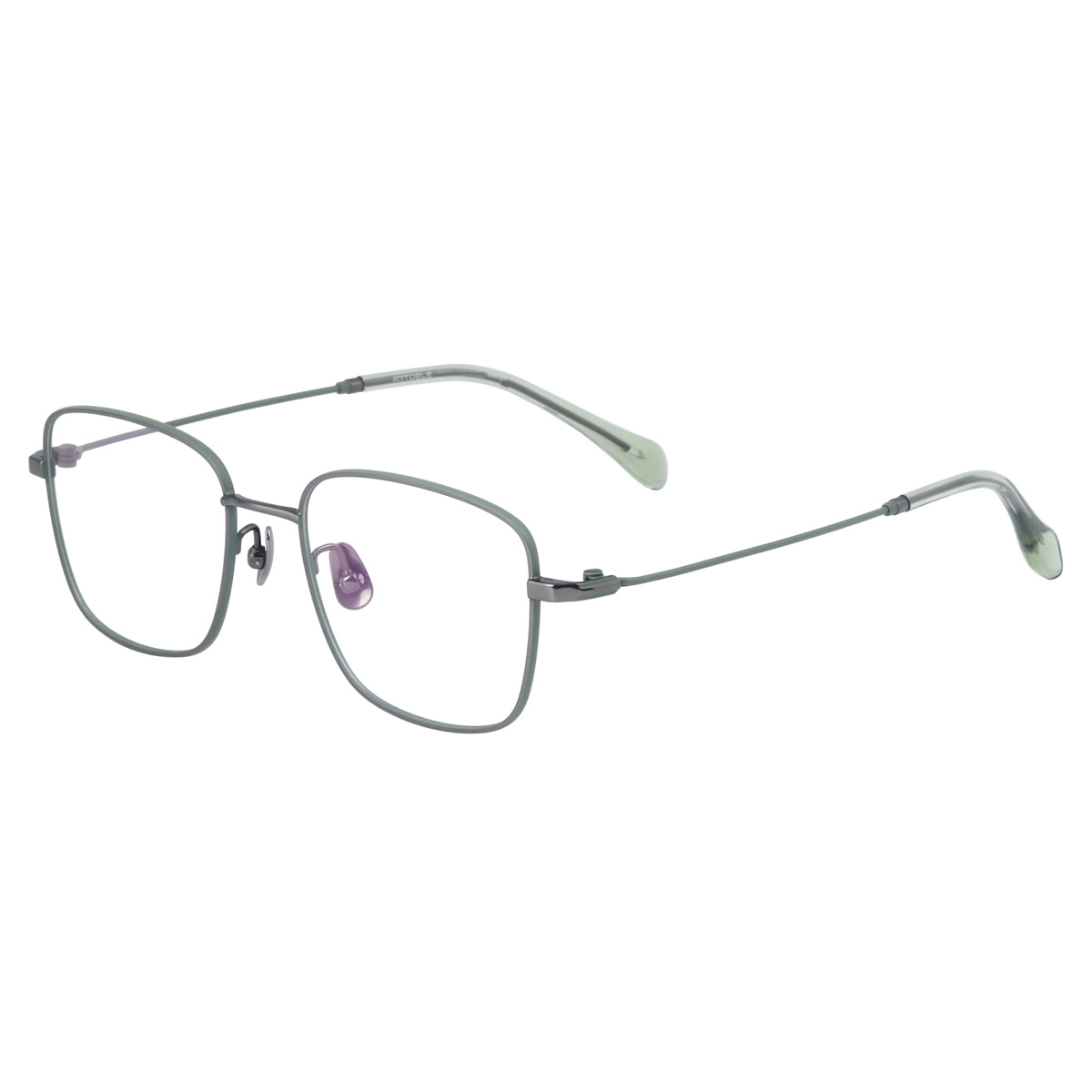
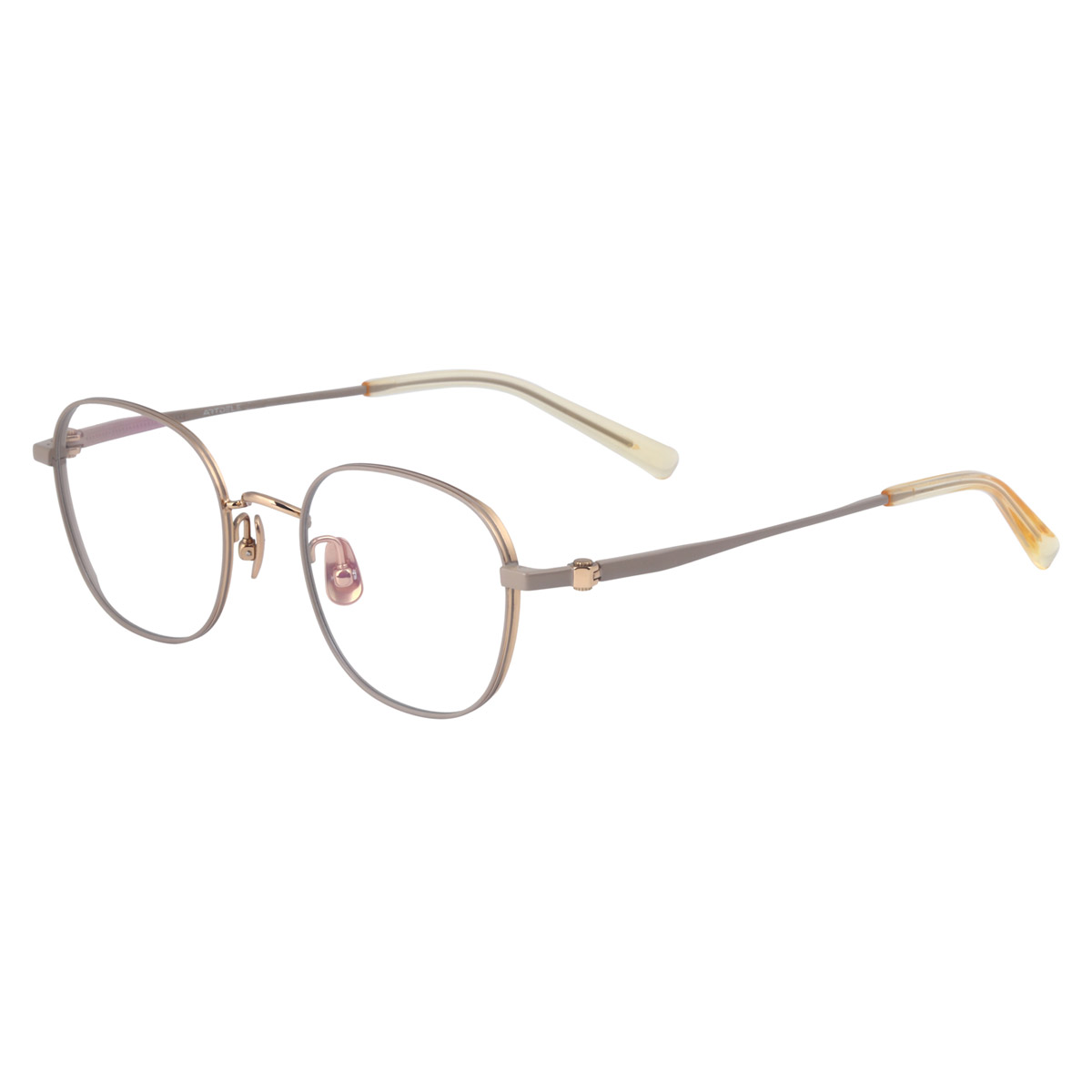
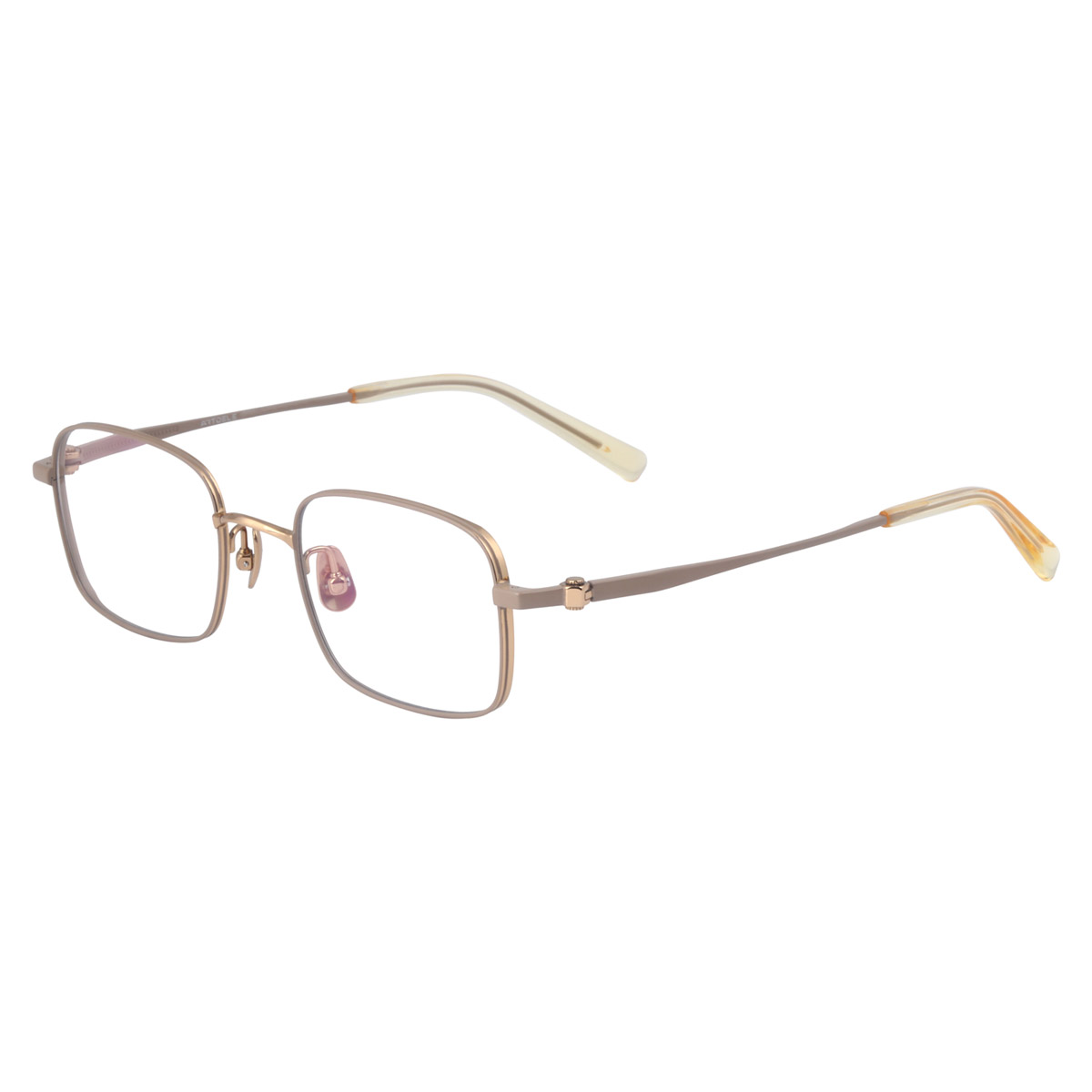
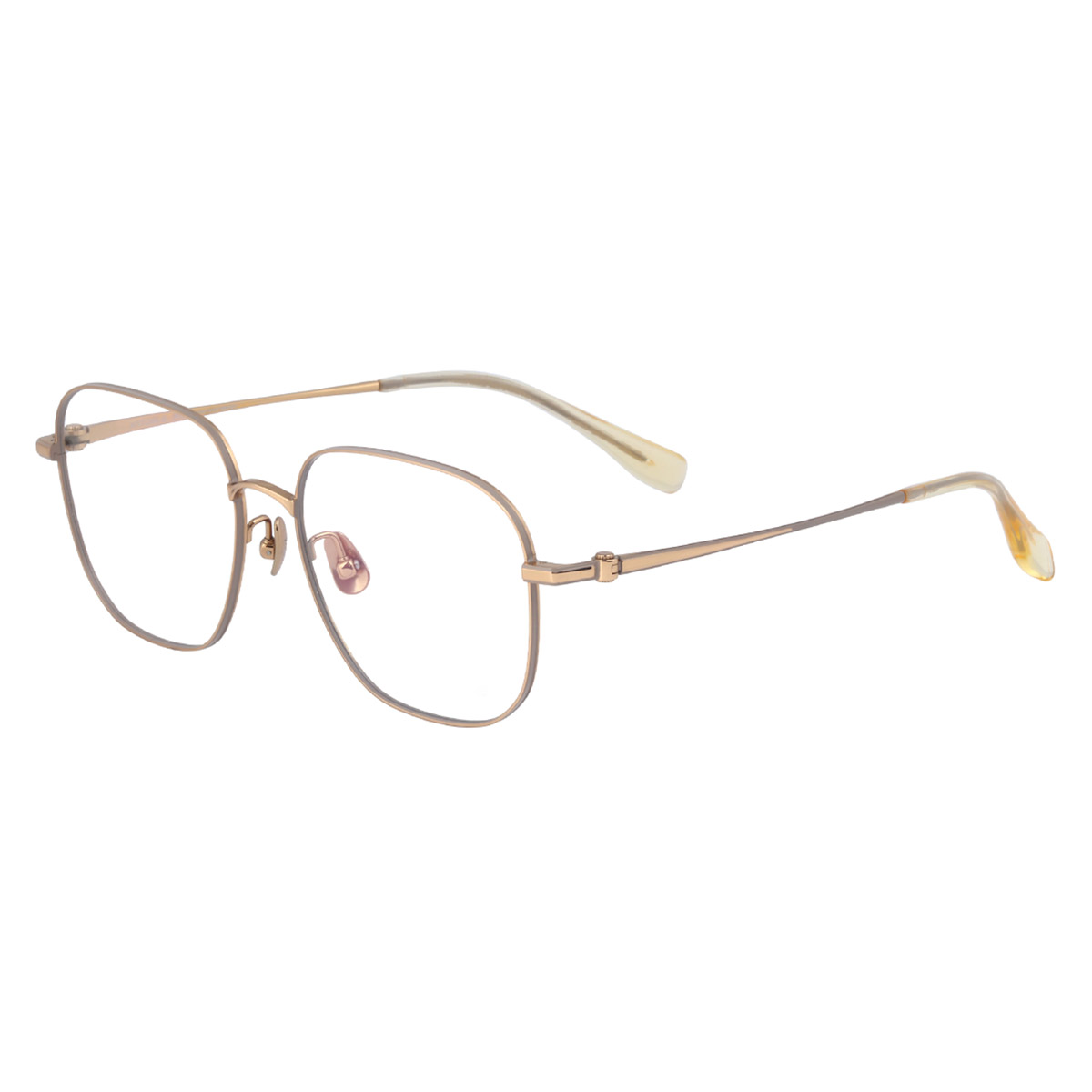
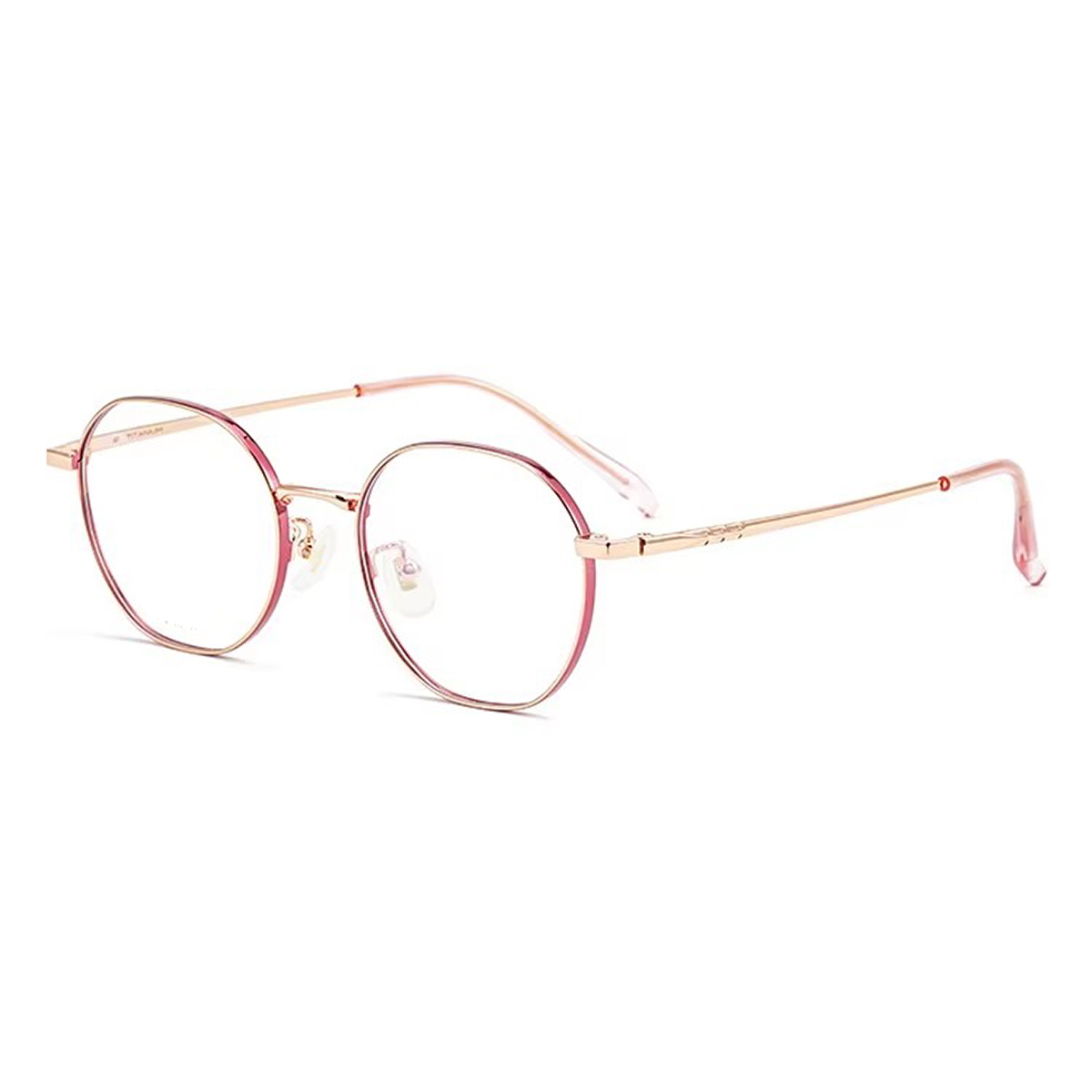
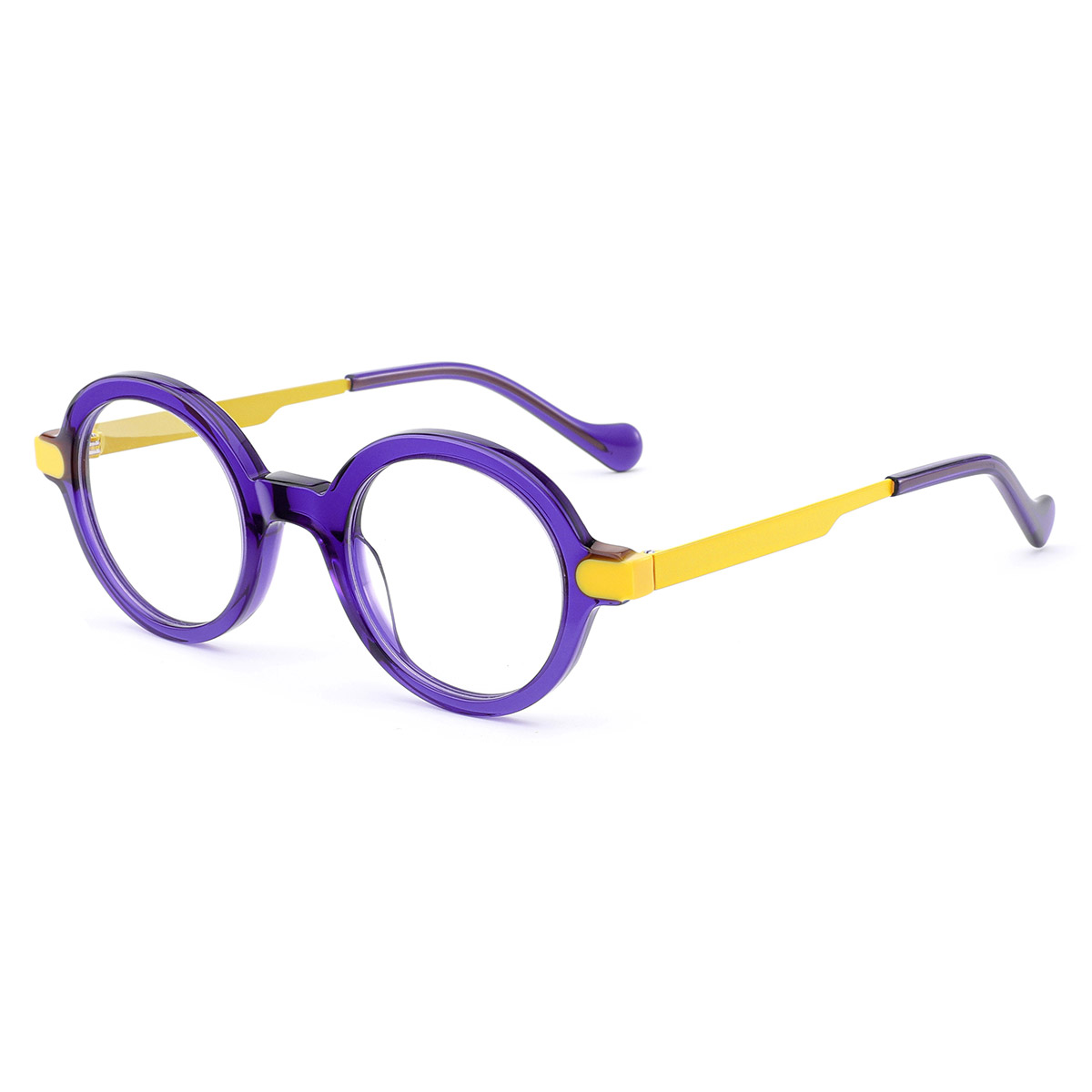
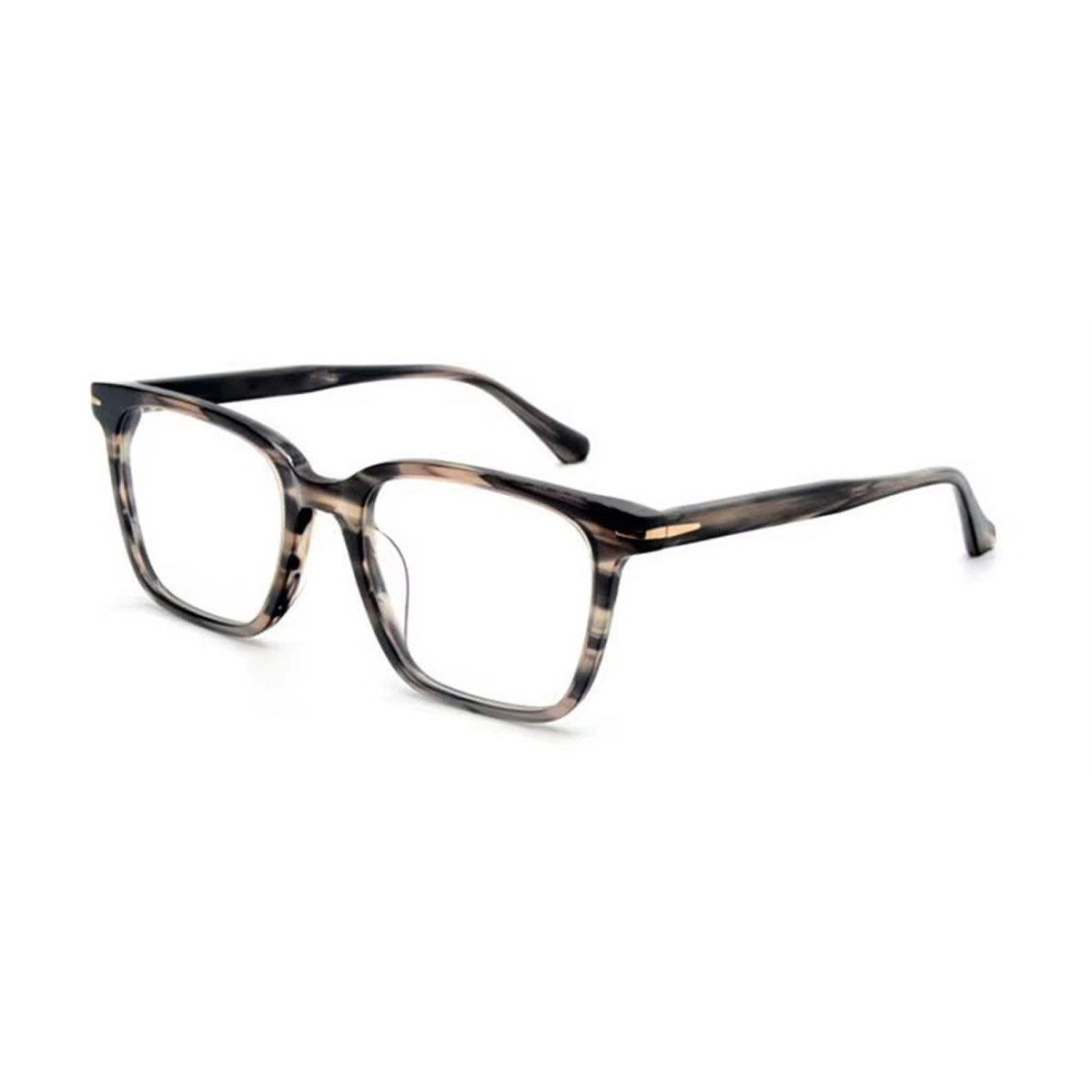
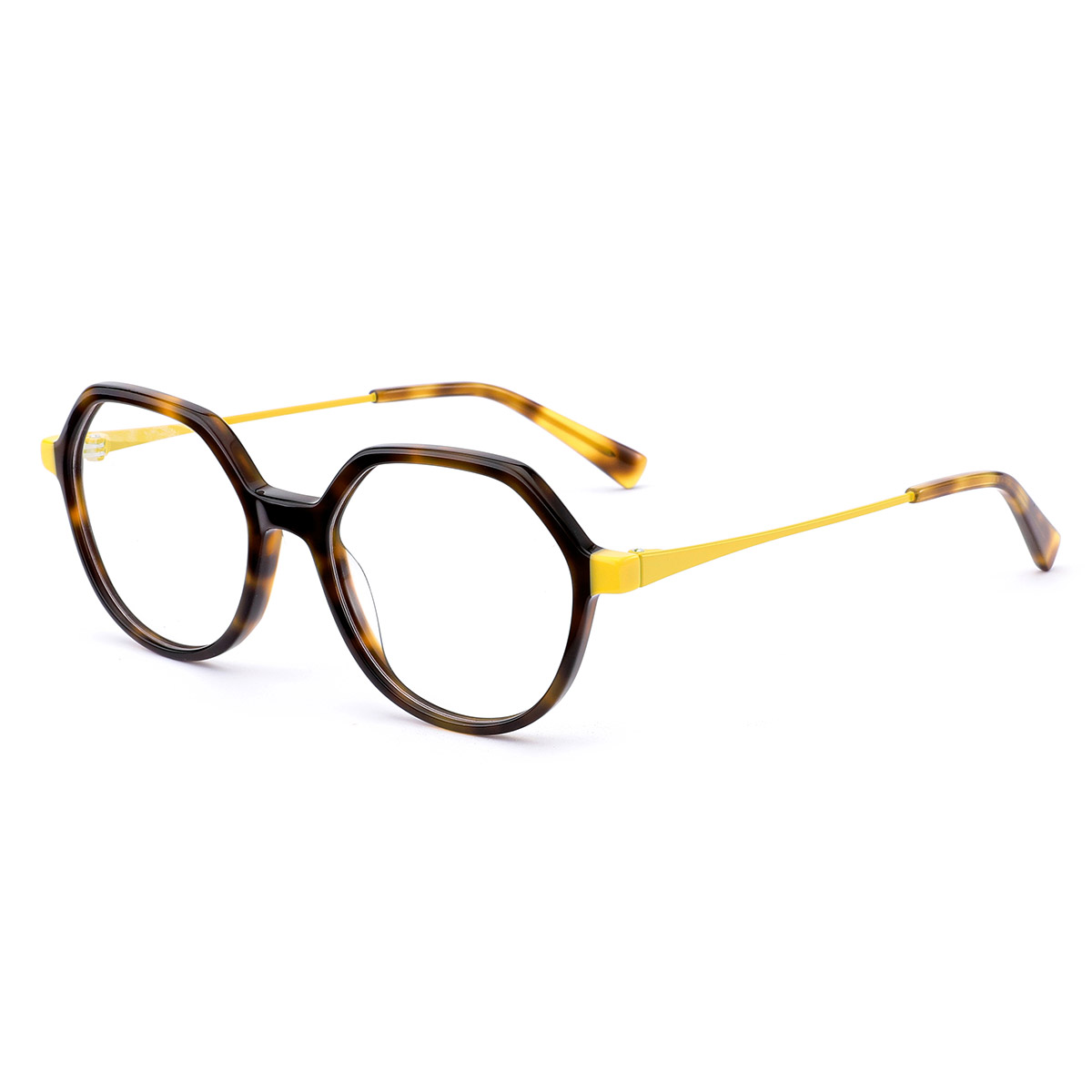
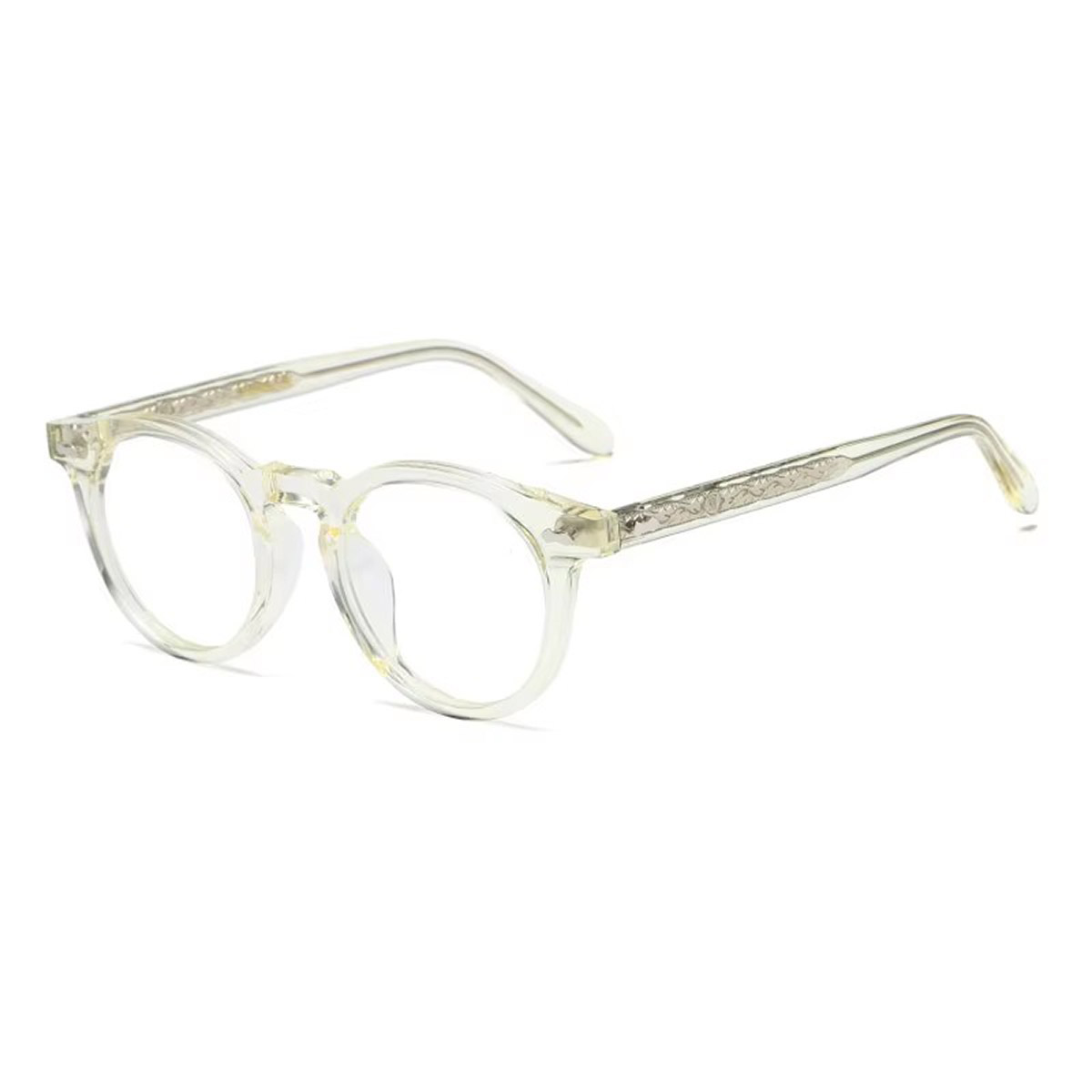
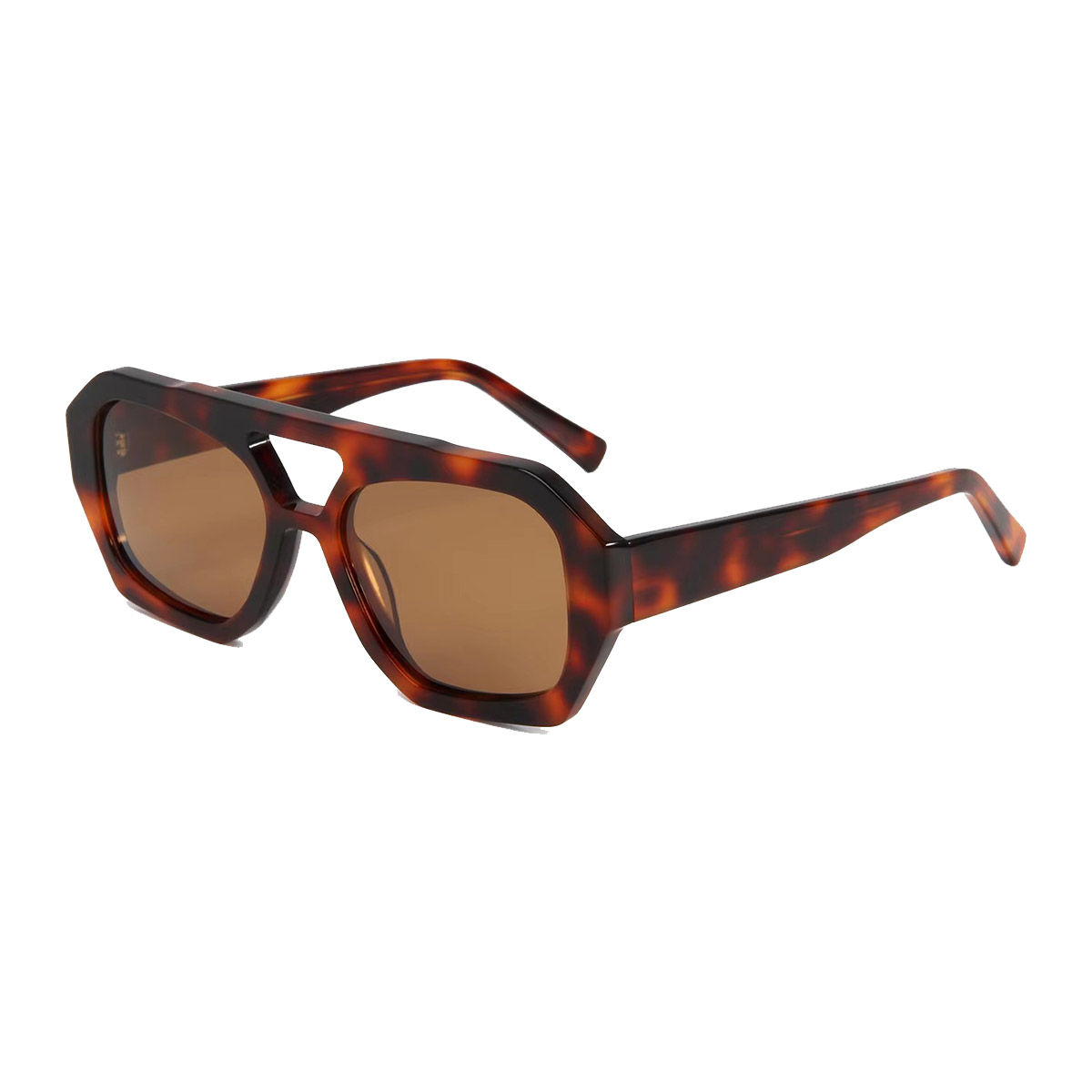
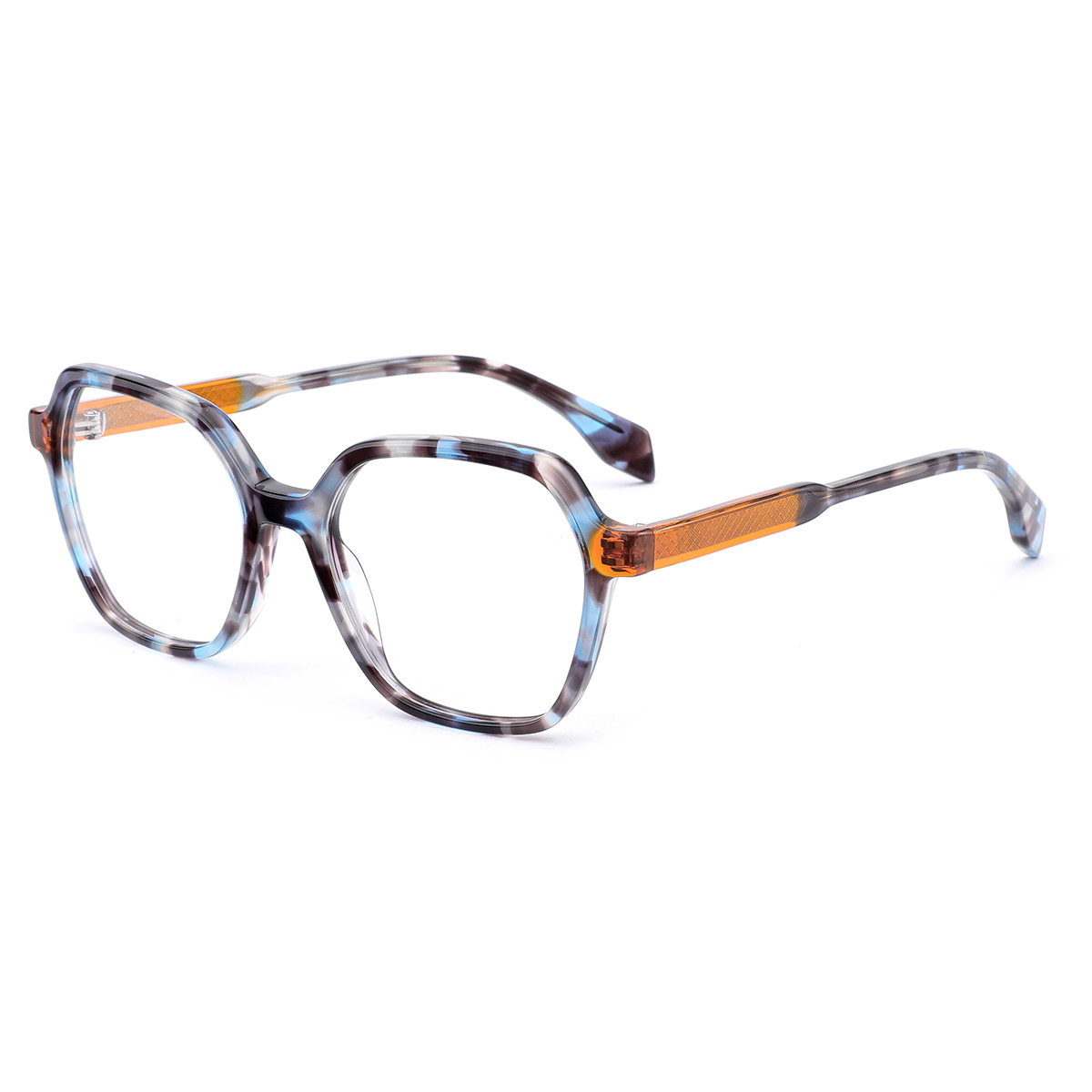
Anti glare and anti reflective glasses both reduce unwanted light interference, but they work differently: anti reflective (AR) coatings eliminate reflections on the lens surface to improve optical clarity, while anti glare treatments are broader in scope and often include polarization or tinting to reduce intense ambient light from sources like the sun or oncoming headlights. Understanding the distinction between these two technologies helps you choose the right eyewear for your specific visual environment — whether you spend most of your day in front of a screen, driving at night, or working outdoors in bright sunlight.
Content
Anti reflective glasses feature a microscopic multi-layer coating applied to the lens surface that uses the principle of destructive wave interference to cancel out reflected light waves before they reach your eye. Each layer of the coating is precisely calibrated to a specific wavelength of visible light. When light strikes the coated lens, reflected waves from the top and bottom surfaces of the coating cancel each other out — a phenomenon known as destructive interference — resulting in up to 99.5% light transmission compared to approximately 92% for an uncoated lens.
A standard uncoated lens reflects roughly 8% of incoming light (approximately 4% from each surface). A high-quality anti reflective coating reduces that reflection to less than 0.5% per surface, meaning nearly all available light passes through the lens to your eye. This dramatically improves contrast, sharpness, and color fidelity — particularly in low-light conditions such as evening driving or dimly lit office environments.
Modern anti reflective coatings typically consist of five to nine alternating layers of metal oxides such as magnesium fluoride, zirconium dioxide, and silicon dioxide, each applied in a vacuum deposition chamber at the nanometer scale. Premium versions also incorporate hydrophobic (water-repelling), oleophobic (oil-repelling), and anti-static outer layers that make lenses easier to clean and maintain optical clarity over time.
Anti glare glasses is a broader term that encompasses any eyewear technology designed to reduce visual discomfort caused by excessive or misdirected light, including polarized lenses, tinted lenses, and lenses with AR coatings that specifically target high-intensity light sources. While anti reflective and anti glare are often used interchangeably in retail settings, they are technically distinct in what they address.
Glare refers specifically to visual discomfort or loss of visibility caused by bright, intense light — sunlight reflecting off water, snow, or wet roads, or the blinding effect of oncoming car headlights at night. Reflection, by contrast, refers to the bouncing of light off the lens surface itself, which creates distracting ghost images and reduces the amount of light reaching the eye.
Polarized lenses are the most effective anti glare solution for outdoor use. They contain a chemical film oriented in a specific direction that blocks horizontally polarized light — the type most commonly responsible for blinding glare from flat reflective surfaces. Polarized lenses can reduce glare by up to 99% from horizontal surfaces, making them the preferred choice for driving, fishing, skiing, and other outdoor activities.
The key difference between anti glare and anti reflective glasses lies in what type of light interference they target and where that interference originates. The table below clarifies the distinction across the most important practical dimensions:
| Feature | Anti Reflective (AR) Glasses | Anti Glare Glasses |
| Primary Function | Eliminates reflections on lens surface | Reduces intense ambient light and glare |
| Light Source Targeted | Reflected light from lens surfaces | Bright external sources (sun, headlights) |
| Technology Used | Multi-layer optical coating (destructive interference) | Polarization, tinting, or AR coating variants |
| Best Environment | Indoors, screens, night driving | Outdoors, driving, water sports, snow |
| Light Transmission | Up to 99.5% | Varies; polarized lenses reduce total light |
| Lens Appearance | Clear; faint blue/green residual tint | Often tinted (grey, brown, yellow) |
| Night Driving Suitability | Excellent — reduces halo and starburst | Variable; yellow tint improves contrast |
| Screen Use (Digital Eye Strain) | Highly effective | Moderate benefit |
| Typical Cost Premium | $30–$150 over base lens price | $50–$200 (polarized) over base lens price |
Table 1: A side-by-side comparison of anti reflective and anti glare glasses across function, technology, environment suitability, and cost.
Anti reflective glasses deliver the greatest benefit to people who spend significant time in front of digital screens, work under artificial lighting, or drive frequently at night. The following groups are the primary beneficiaries:
People who spend more than four hours per day on computers, tablets, or smartphones experience measurable reductions in eye fatigue when using anti reflective lenses. A study published in the journal Ophthalmic and Physiological Optics found that subjects wearing AR-coated lenses reported 27% less visual fatigue after extended screen sessions compared to those wearing uncoated lenses. The coating eliminates the ghost reflections of screen content that appear on the back surface of standard lenses, forcing the eyes to constantly re-focus between the reflection and the actual screen content.
Anti reflective coatings are one of the most impactful safety upgrades available for people who drive after dark. Oncoming headlights, streetlamps, and illuminated road signs create halos, starbursts, and streaks on uncoated lenses that can temporarily impair vision. AR coatings reduce these optical artifacts by up to 90%, shortening the visual recovery time after exposure to bright headlights and improving overall reaction time in low-visibility conditions.
The higher the lens prescription, the thicker and more curved the lens — and the more light it reflects, making AR coating especially valuable for people with strong prescriptions. A high-index lens with a refractive index of 1.74 reflects approximately 14% of incoming light from its surfaces without AR coating — nearly double the reflection of a standard 1.50 index lens. AR coating brings this down to below 1%, restoring clarity and removing the "fish-eye" reflection effect visible to others when looking at a high-prescription wearer.
For professionals who appear on camera or speak to audiences, anti reflective lenses eliminate the distracting white reflections that can obscure eye contact and make glasses appear opaque under studio or stage lighting. This is why AR coating has become standard for broadcast journalists, public speakers, and anyone who communicates professionally via video.
Anti glare glasses — particularly polarized lenses — are most beneficial for people exposed to intense reflected light from outdoor horizontal surfaces such as water, snow, sand, or wet pavement.
Polarized anti glare lenses are the gold standard for fishing, skiing, cycling, golf, and sailing, where reflected glare from surfaces can cause significant visual impairment and safety risks. Fishermen in particular benefit enormously: polarized lenses cut the surface glare from water, allowing them to see below the water surface to spot fish — something impossible with standard or AR-only lenses.
For daytime driving, polarized anti glare lenses reduce the blinding reflected glare from wet or light-colored road surfaces, improving visual comfort and safety during long drives. Research from the Vision Council indicates that over 80% of drivers experience sun glare while driving, with glare-related visibility impairment contributing to a meaningful proportion of daytime traffic accidents. Polarized lenses reduce this risk by selectively blocking the horizontal light waves responsible for road-surface glare.
Individuals with photophobia (light sensitivity), migraine disorders, or post-surgical light sensitivity benefit significantly from anti glare lenses that reduce overall light intensity reaching the eye. Tinted anti glare lenses in grey or amber can reduce total visible light transmission to between 20% and 40% of ambient levels — a substantial reduction that prevents the triggering of light-induced discomfort and headaches.
Not all anti reflective and anti glare coatings are equal — they vary significantly in quality, durability, the wavelengths they target, and the additional functional layers they incorporate. Here is an overview of the main categories:
| Coating Type | Light Reflection Reduction | Additional Features | Best Use Case |
| Standard AR Coating | ~1–2% residual reflection | Basic scratch resistance | Everyday indoor use |
| Premium AR Coating | <0.5% residual reflection | Hydrophobic, oleophobic, anti-static layers | Screen use, night driving, high-Rx lenses |
| Blue Light Blocking AR | <1% reflection + blue light filter | Blocks 20–50% of high-energy blue light | Extended screen use, sleep quality |
| Polarized Anti Glare | Up to 99% horizontal glare reduction | Tinted, UV400 protection | Driving, water sports, snow |
| Mirror Coating (Anti Glare) | Reflects 10–60% of incoming light | Reflective outer surface, UV protection | Extreme bright light (high-altitude, snow) |
| Photochromic + AR | Variable (adapts to light conditions) | Auto-darkens outdoors, clears indoors | Versatile indoor/outdoor daily use |
Table 2: Overview of common anti reflective and anti glare lens coating types, their performance characteristics, and recommended use cases.
Yes — and in most cases, combining both technologies on a single lens delivers the best overall visual performance across a wide range of lighting conditions. Many premium lenses now feature polarization for outdoor glare control combined with a back-surface AR coating to eliminate reflections from light entering from behind the wearer (such as sunlight reflecting off the back surface of sunglasses). This combination is especially valuable for driving glasses, where the wearer encounters both intense daytime glare and the optical reflections common to curved sunglass lenses.
For prescription eyewear worn throughout the day — both indoors and outdoors — photochromic lenses with a premium AR coating represent the most versatile solution. The lens automatically adjusts its tint from clear indoors to dark outdoors, while the AR coating maintains high optical clarity in all lighting states. This eliminates the need to carry two separate pairs of glasses and provides consistent visual comfort across environments.
Blue light blocking anti reflective glasses have become one of the fastest-growing eyewear categories, targeting the high-energy visible (HEV) light emitted by digital screens at wavelengths between 415nm and 455nm. These lenses incorporate a specialized AR coating that reflects or absorbs a portion of blue light before it reaches the eye, aiming to reduce digital eye strain and minimize disruption to the body's natural sleep-regulating melatonin cycle when screens are used in the evening.
Research on blue light glasses is ongoing and results are mixed. A 2021 Cochrane Review found insufficient evidence that blue light filtering lenses reduce eye strain symptoms compared to standard AR lenses. However, several smaller clinical studies have found improvements in sleep quality when blue-light blocking glasses are worn during the two hours before bedtime. The practical consensus among optometrists is that blue light blocking AR lenses do no harm and may provide modest benefits for heavy screen users or those with sleep disruption related to evening device use.
One important caveat: blue light blocking lenses that filter 20% or more of blue light have a noticeable yellow tint that can affect color perception — a trade-off worth considering for graphic designers, photographers, or anyone whose work requires accurate color judgment.
Anti reflective and anti glare coatings require more careful maintenance than standard lenses because their thin surface layers are more susceptible to damage from abrasive cleaning, harsh chemicals, and thermal stress. Follow these guidelines to maximize coating longevity:
The right choice between anti glare and anti reflective glasses depends entirely on your primary visual environment and the type of light interference causing you the most discomfort. Use the following framework to guide your decision:
They are related but not identical. Anti reflective refers specifically to a multi-layer lens coating that eliminates surface reflections through destructive interference. Anti glare is a broader term that includes polarization, tinting, and AR coatings that reduce intense light from external sources. In many optical retail contexts the terms are used interchangeably, but understanding the distinction helps you ask for exactly what you need.
Yes — anti reflective coatings measurably reduce the visual fatigue associated with prolonged screen use. By eliminating the ghost reflections of screen content on the lens back surface, AR coatings reduce the amount of accommodation (focusing effort) the eye must perform, which is a primary driver of digital eye strain. Studies report up to 27% reductions in reported eye fatigue for AR lens wearers compared to uncoated lens wearers in screen-intensive work settings.
Polarized lenses are not recommended for night driving. Their tint significantly reduces overall light transmission to the eye — exactly the opposite of what is needed in low-light nighttime conditions. For night driving, clear anti reflective coated lenses are the correct choice. Some lightly tinted yellow anti glare lenses can enhance contrast in overcast or foggy nighttime conditions, but polarization specifically should be avoided after dark.
With proper care, a quality anti reflective coating should remain optically effective for one to three years before visible degradation occurs. Signs of coating failure include a rainbow-like shimmer across the lens surface, crazing (a network of fine cracks), peeling at the lens edges, or a persistent cloudy appearance that cannot be removed by cleaning. When these signs appear, the lenses can often be recoated by an optical laboratory rather than fully replaced.
For most prescription eyewear wearers, anti reflective coating is one of the highest-value upgrades available relative to its cost. At a typical premium of $30 to $150 over the base lens price, AR coating provides tangible daily benefits in visual clarity, comfort, and appearance. It is particularly cost-effective for high-index lenses (where it dramatically reduces the heavy reflection that high-index materials inherently produce), for people who drive at night, and for anyone who works in front of screens for more than four hours per day.
Yes — but the right type of anti glare coating matters. For oncoming headlight sensitivity, a clear lens with premium AR coating is most effective because it reduces the haloing and starburst effect of point light sources at night. Yellow-tinted anti glare lenses can provide additional contrast in low-ambient-light conditions. Polarized anti glare lenses, while excellent for daytime sun glare, offer limited benefit against headlights since headlight glare is not polarized in the same way as reflected surface glare.
Front-surface AR coating reduces reflections of external light sources bouncing off the outer lens surface, while back-surface AR coating eliminates reflections of light entering from behind — which travels through the lens, reflects off the inner surface, and enters the eye as a secondary unwanted image. Premium lenses apply AR coating to both surfaces for maximum clarity. Back-surface coating is particularly important for sunglasses, where reflected sunlight entering from behind can create distracting secondary images inside the lens without it.
Both anti glare and anti reflective glasses address real and significant visual comfort problems, but they solve different challenges through fundamentally different optical mechanisms. Anti reflective coatings eliminate lens-surface reflections through nanoscale destructive interference — making them the best choice for screen users, night drivers, and high-prescription wearers. Anti glare technologies, particularly polarization, eliminate intense reflected light from external horizontal surfaces — making them the best choice for outdoor enthusiasts, daytime drivers, and anyone with light sensitivity.
Consulting a licensed optometrist or optician who can assess your specific visual environment and prescription requirements remains the most reliable path to the optimal lens combination — but understanding the core distinctions between anti glare and anti reflective glasses ensures you enter that conversation well-informed and ready to make the choice that will genuinely improve your daily vision.
NEWSLETTER

Copyright © Zhejiang Qiliang Optical Technology Co., Ltd. All Rights Reserved. OEM/ODM Rimless Glasses Frames Manufacturers


 Search
 EN
EN English
 Deutsch
 Français
 Español
 italiano
 cn
cn jp
jp kr
kr