 Search
 EN
EN English
 Deutsch
 Français
 Español
 italiano
 cn
cn jp
jp kr
krGlasses that hurt the top of your ears are a fit problem, not a phase your ears will grow out of. The pain comes from contact pressure at the temple tips, and it has four usual causes: a tip that rests on the skin above the ear instead of hooking behind it, a frame front narrower than your head, arm weight acting as a lever, and outside pressure from headphones, helmets or masks.
The sections below cover what you can fix in five minutes, what your frame material will tolerate, and the measurements worth checking before you buy again.
Content
- 1 Why the Top of Your Ears Hurts
- 2 Home Adjustments That Relieve Ear Pressure
- 3 Check Your Frame Material Before You Bend Anything
- 4 How Tight Should Temples Actually Be?
- 5 When Adjustment Is Not Enough: Frames Designed to Spare the Ear
- 6 Red, Itchy or Flaky Skin Above the Ear
- 7 What to Check Before Buying Your Next Pair
- 8 How Frame Geometry Is Decided Before You Ever Try It On
- 9 FAQ
Why the Top of Your Ears Hurts
Ear-top soreness is a contact-pressure problem. A frame can sit perfectly on the nose and still dig in behind the ear, because the last centimetre of the arm carries far more force than most wearers expect.
The temple tip lands on the skin instead of hooking behind the ear
The strip of skin just above your ear is thin, sits directly over the temporal bone, and is crossed by the auriculotemporal nerve. If the final 10 to 15 mm of the arm rests there rather than curving down behind the ear, even a light frame produces a sharp, localised ache, often within half an hour.
The frame front is narrower than your head
When the distance between the two arms is smaller than your head width at the temples, the arms stay bowed outward for as long as you wear them, and they push back with the same force. The result is a constant squeeze at the widest point, usually right above the ear. A 5 mm shortfall is enough to be noticeable by the end of a working day.
Arm weight works as a lever
Every gram at the front of the frame is magnified at the tip of the arm. A 28 g titanium frame with short arms and a 45 g acetate frame with long ones can feel completely different after two hours, even when both are fitted correctly.
Something else is pushing the arms inward
Over-ear headphones, helmet straps, masks and winter hats all press the arms against the skull. If the soreness only appears on the days you wear headphones, the frame is not the whole problem. The stack is.
Home Adjustments That Relieve Ear Pressure
Most ear-top pain can be reduced in a few minutes, provided the frame material tolerates bending. Work through these steps in order and stop as soon as the soreness disappears.
- Find the exact contact point. Press along the arm with a fingertip until you locate the one spot that feels tender. Everything that follows should move that spot, not loosen the whole frame.
- Warm the arm if the material allows it. Acetate, TR90 and Ultem soften at roughly 60 to 70 °C; thirty to sixty seconds in warm water is normally enough to make the plastic slightly pliable without damaging it.
- Widen the arms at the back, not the frame front. Hold the front steady and open the final third of each arm outward by 2 to 3 mm, in two passes rather than one.
- Move the bend point back. If the tip digs into skin, shift the downward bend 3 to 5 mm closer to the ear so the arm hooks behind the ear instead of resting on top of it.
- Reduce the drop if the top of the ear is carrying the weight. Lifting the tip slightly transfers load to the side of the head, where skin is far more tolerant.
- Test in 20-minute blocks. Wear the frame, note the pressure, adjust again. Two or three small passes beat one large bend.
Two warnings. Never bend titanium, stainless steel or memory alloys cold, because they spring back and can crack at the hinge. And never heat a frame with lenses fitted, since many lens materials and coatings will not survive the temperature.
Check Your Frame Material Before You Bend Anything
Acetate, TR90 and Ultem are the materials most forgiving of careful home adjustment. Titanium and memory metals are best left to an optician.
| Frame material | Home adjustment | Behaviour when bent | Feel above the ear |
|---|---|---|---|
| Acetate | Yes, with gentle heat | Holds shape well after warming | Heavier, but can be shaped away from the ear |
| TR90 | Yes, with gentle heat | Flexible, slowly returns to shape | Light, spreads pressure along the arm |
| Ultem | Yes, with gentle heat | Stiff with good memory | Light and strong, suits narrow heads |
| Pure titanium | No, optician only | Springs back, holds little | Very light, low pressure |
| Stainless steel or memory metal | No, optician only | Returns immediately | Light, but tips can feel sharp |
| Metal front with TR arms | Partly, arms only | Plastic arms adjust, front does not | Light front with softer tips |
How Tight Should Temples Actually Be?
A comfortable frame has measurable limits, and they help you judge whether adjustment will be enough.
- Temple width should be 3 to 8 mm wider than your head at the temples. Anything tighter means permanent outward bowing.
- Contact should be spread along the arm rather than concentrated at one point.
- You should be able to slide a thin card between the arm and your temple with light resistance.
- Total weight matters for all-day wear: under 30 g for most adults, under 20 g for children.
- A red mark after two hours is acceptable only if it fades within fifteen minutes of removing the frame.
If a frame fails two or more of these checks, adjustment can buy comfort but rarely solves the underlying mismatch.
When Adjustment Is Not Enough: Frames Designed to Spare the Ear
When the frame is the wrong width or weight, the more reliable fix is a different frame. Three design details matter most: total weight, how evenly the arm touches the head, and what the tip is made of.
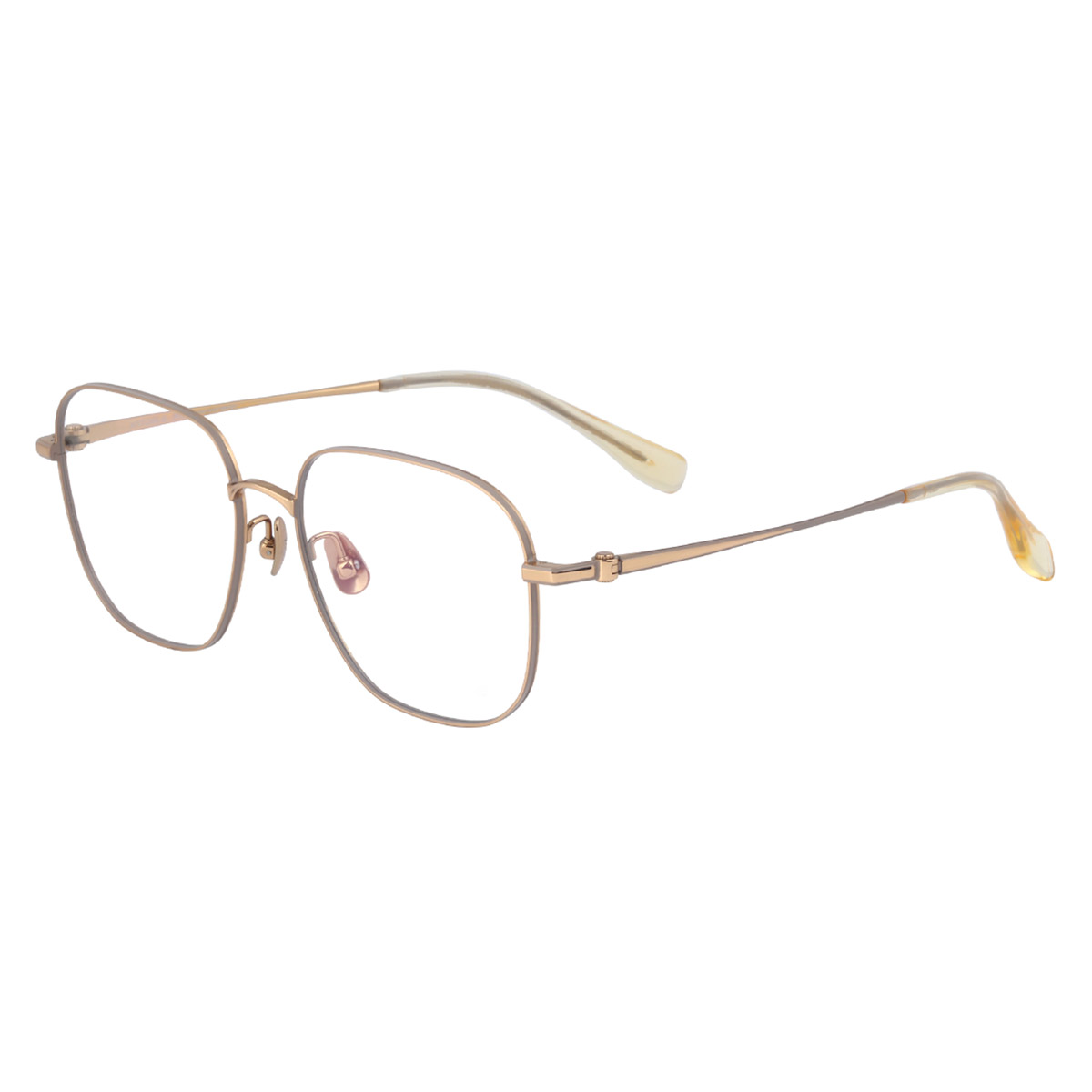
Lightweight titanium frames are a common answer, because titanium lets a frame stay thin and light without becoming fragile. A thin arm carries less momentum, so the tip presses less on the skin above the ear, and the same material is naturally hypoallergenic for wearers who react to plated metal.
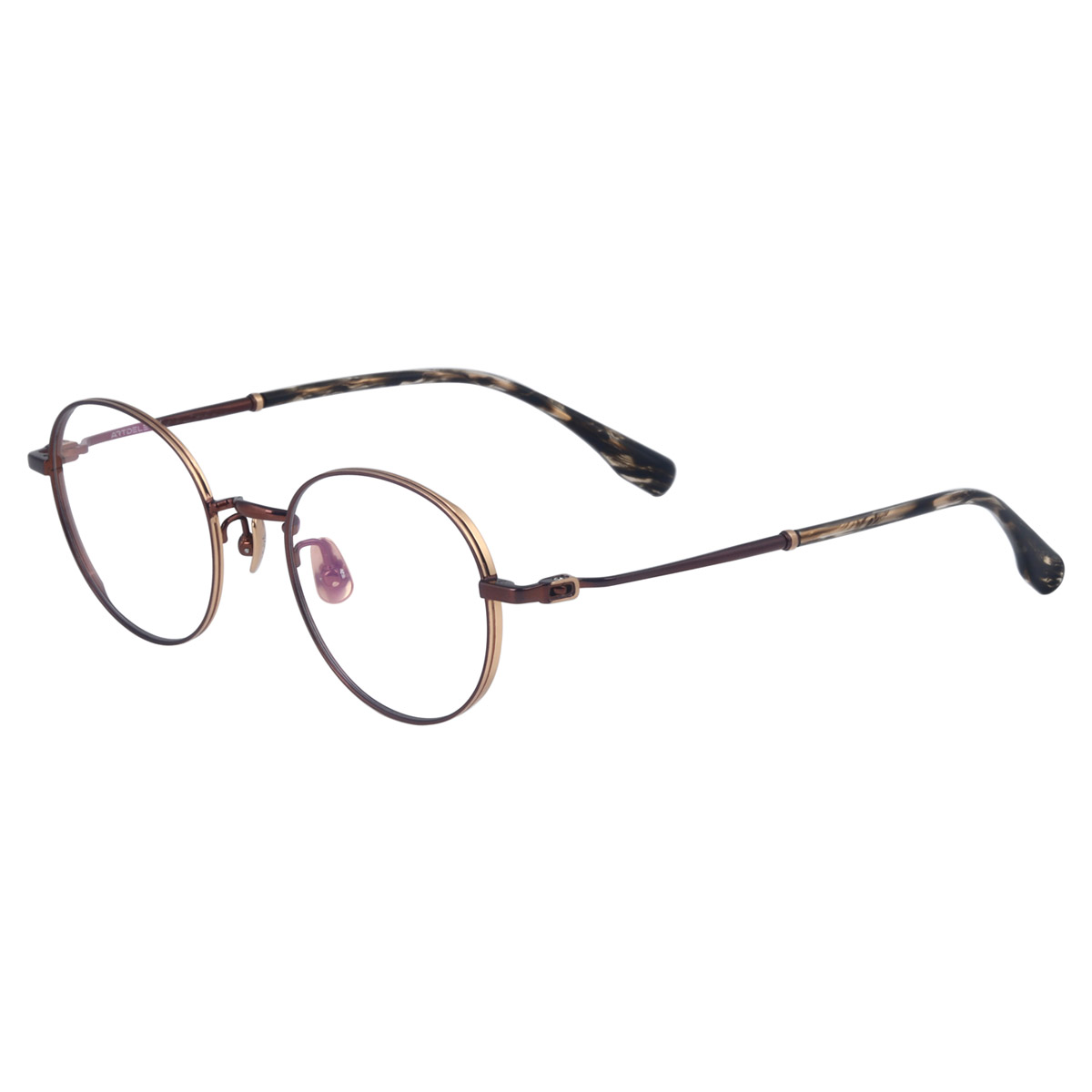
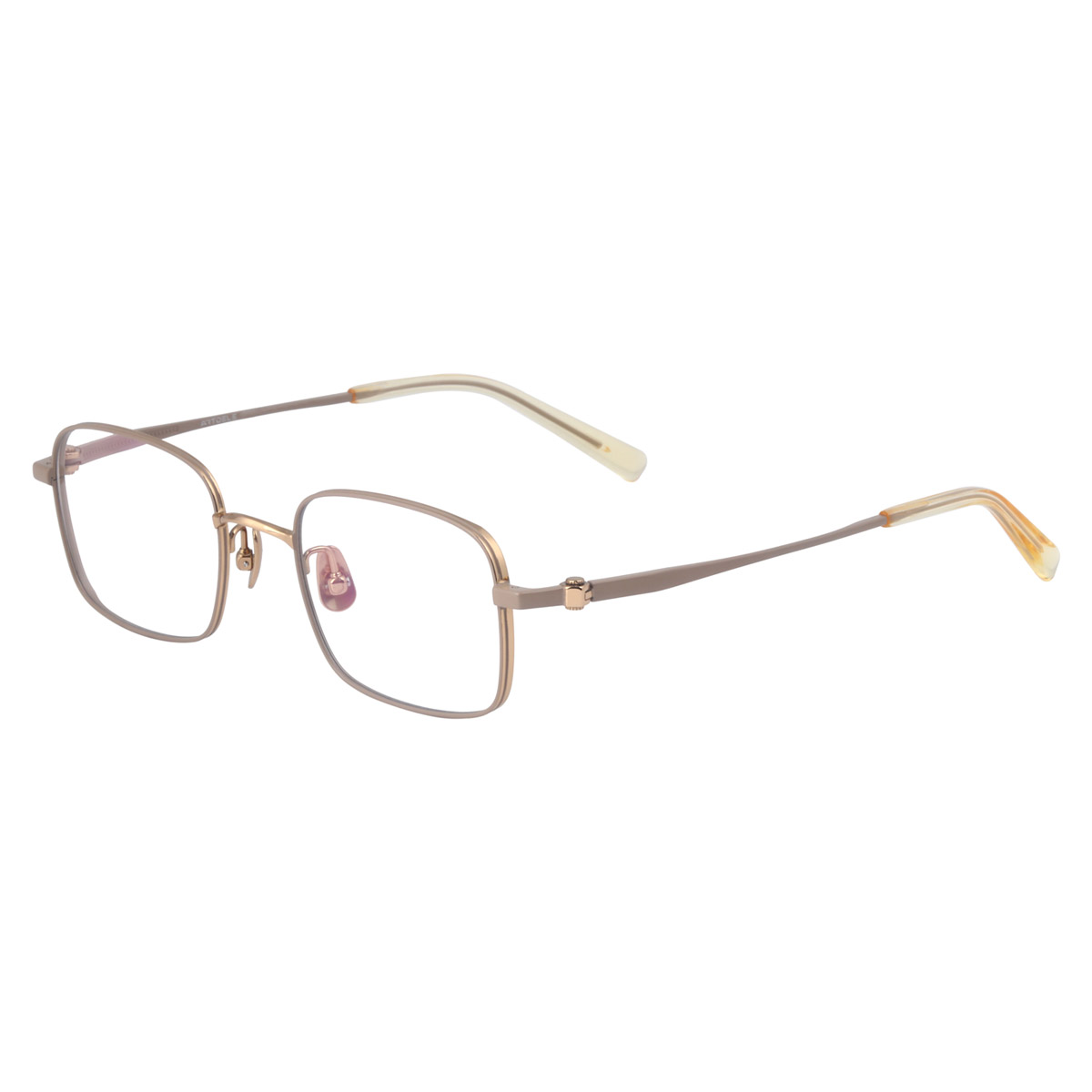
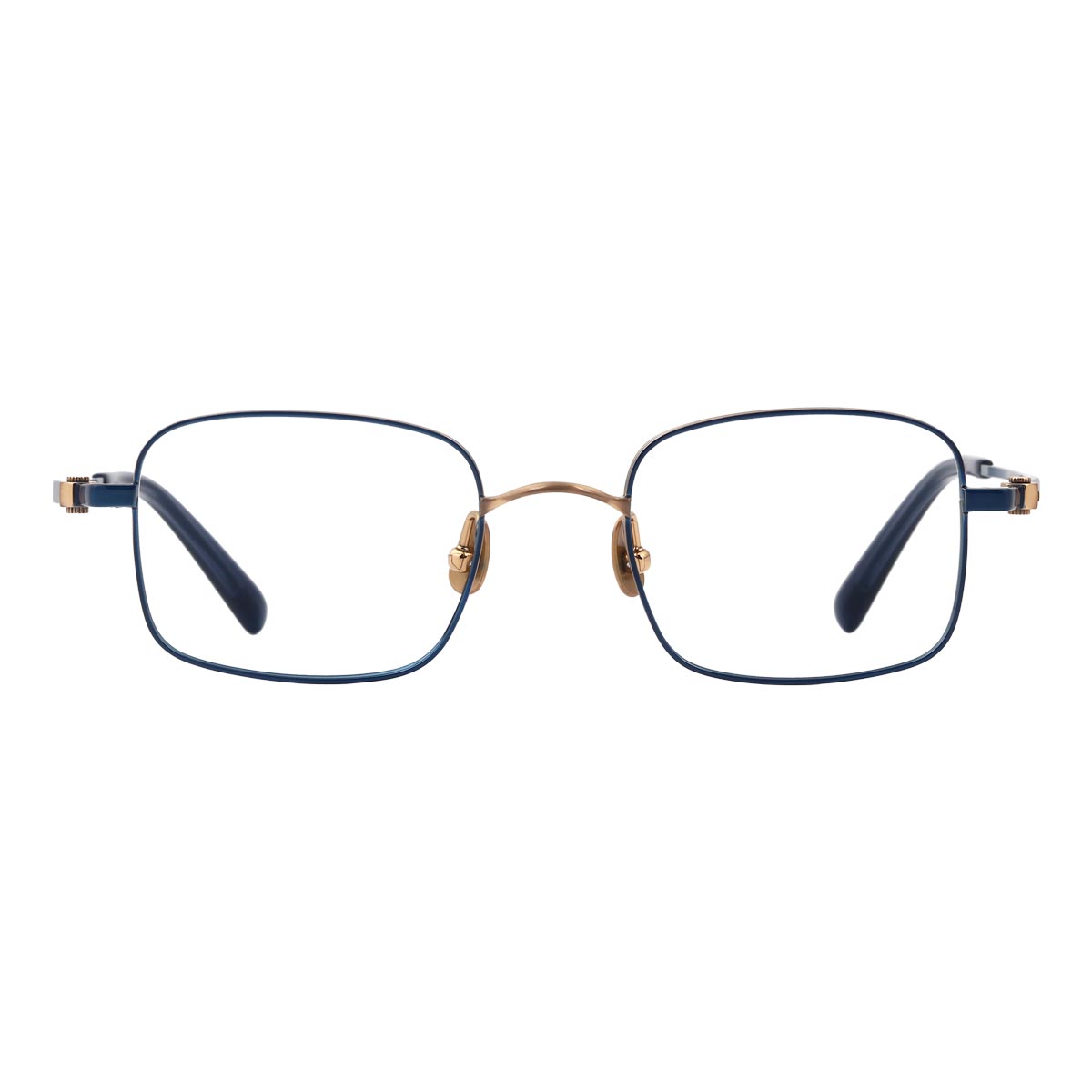 Lightweight Pure Titanium Square Optical Glasses for Sensitive SkinTitanium frame with thin arms aims to reduce ear pressure; hypoallergenic material suits sensitive skin and all-day business or daily wear.View Product →
Ask for two numbers when you compare options: frame weight in grams and temple width in millimetres. Those two figures predict ear comfort far better than the shape or the colour of the frame.
Red, Itchy or Flaky Skin Above the Ear
If the skin above your ear is red, itchy or flaking rather than simply tender, pressure may not be the only issue, and contact irritation from metal release is worth ruling out.
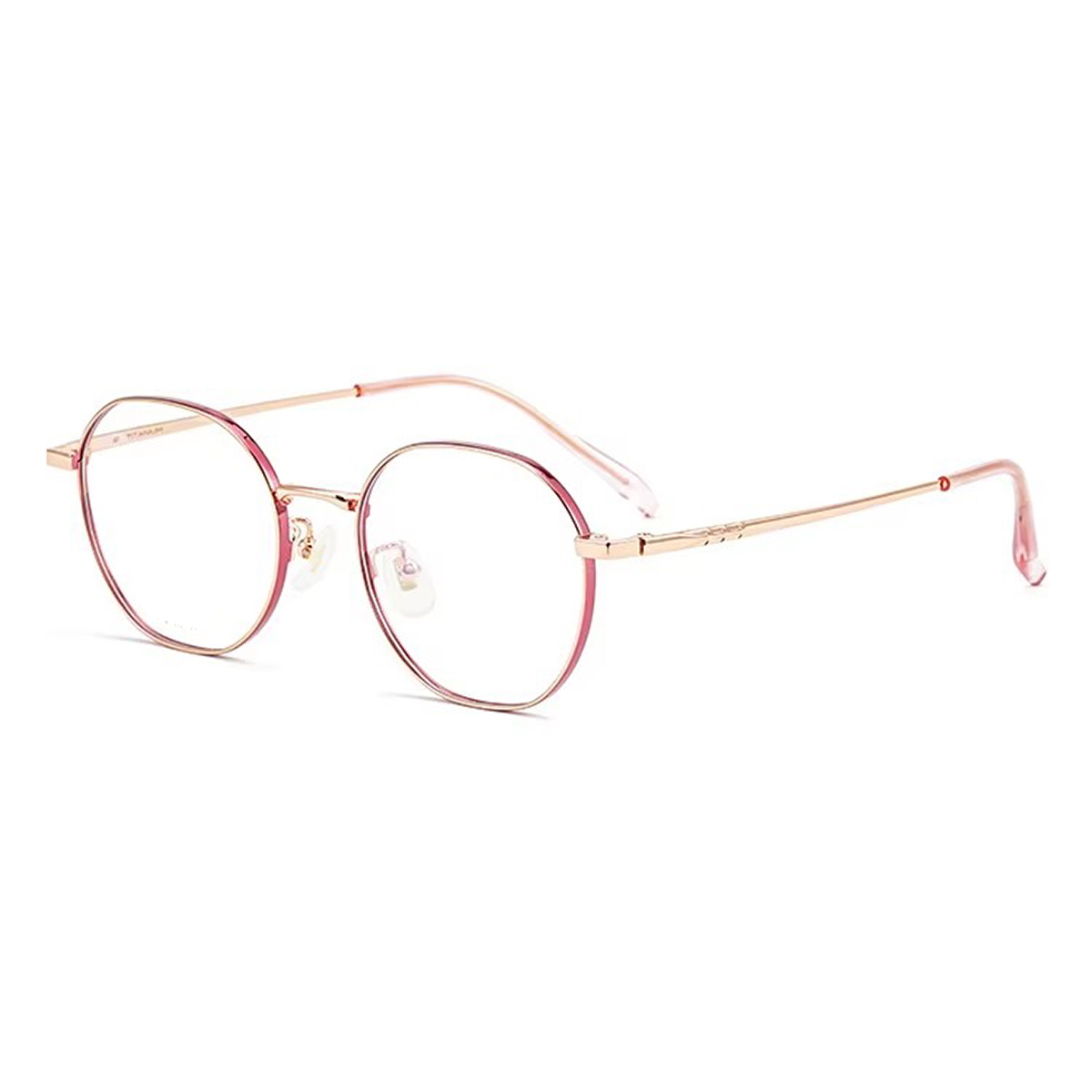
Plated metal temples and some solder joints release small amounts of nickel, and the skin behind the ear is one of the first places to react. Frames with titanium, Ultem, TR90 or silicone-sleeved tips rarely trigger this, and they also tend to be lighter.
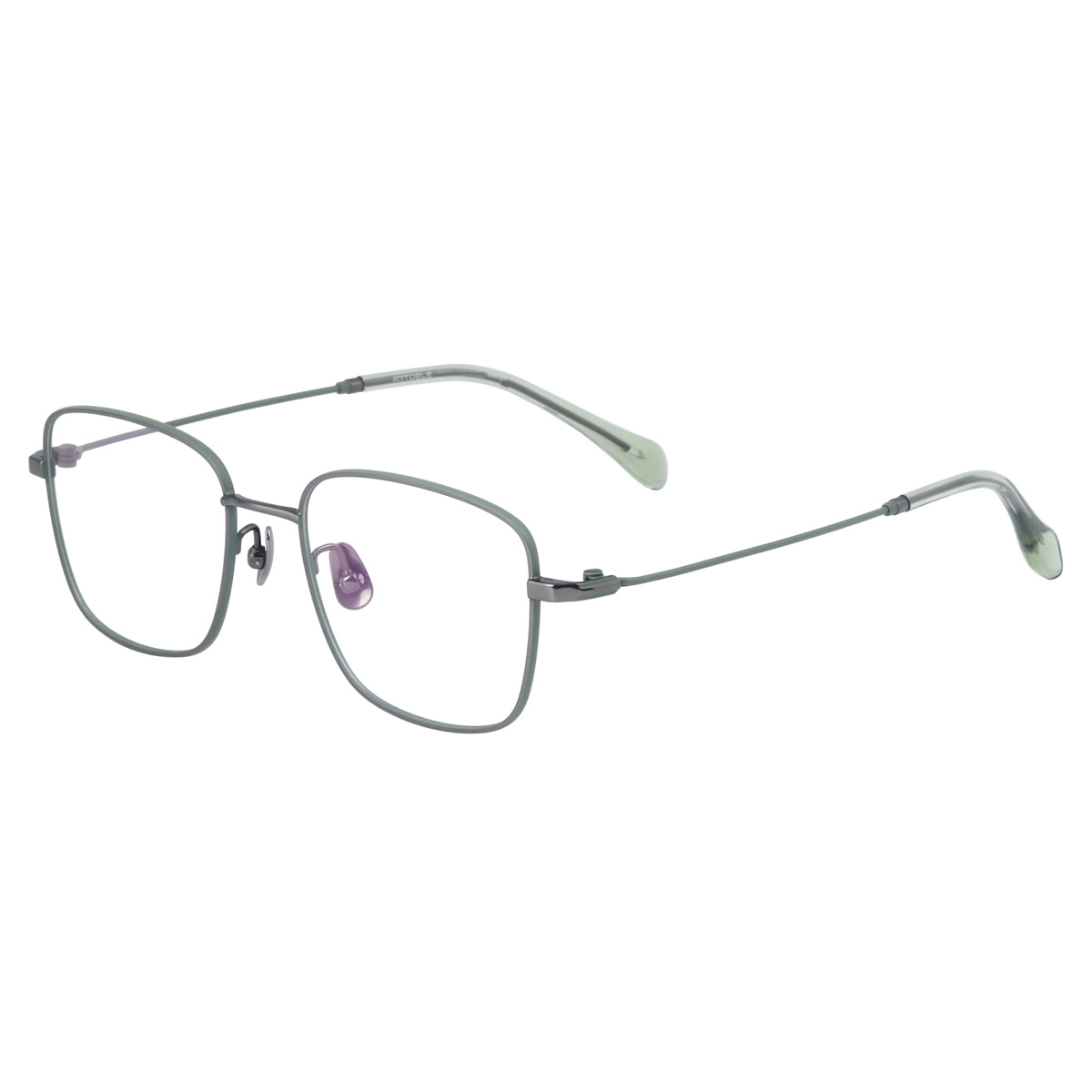
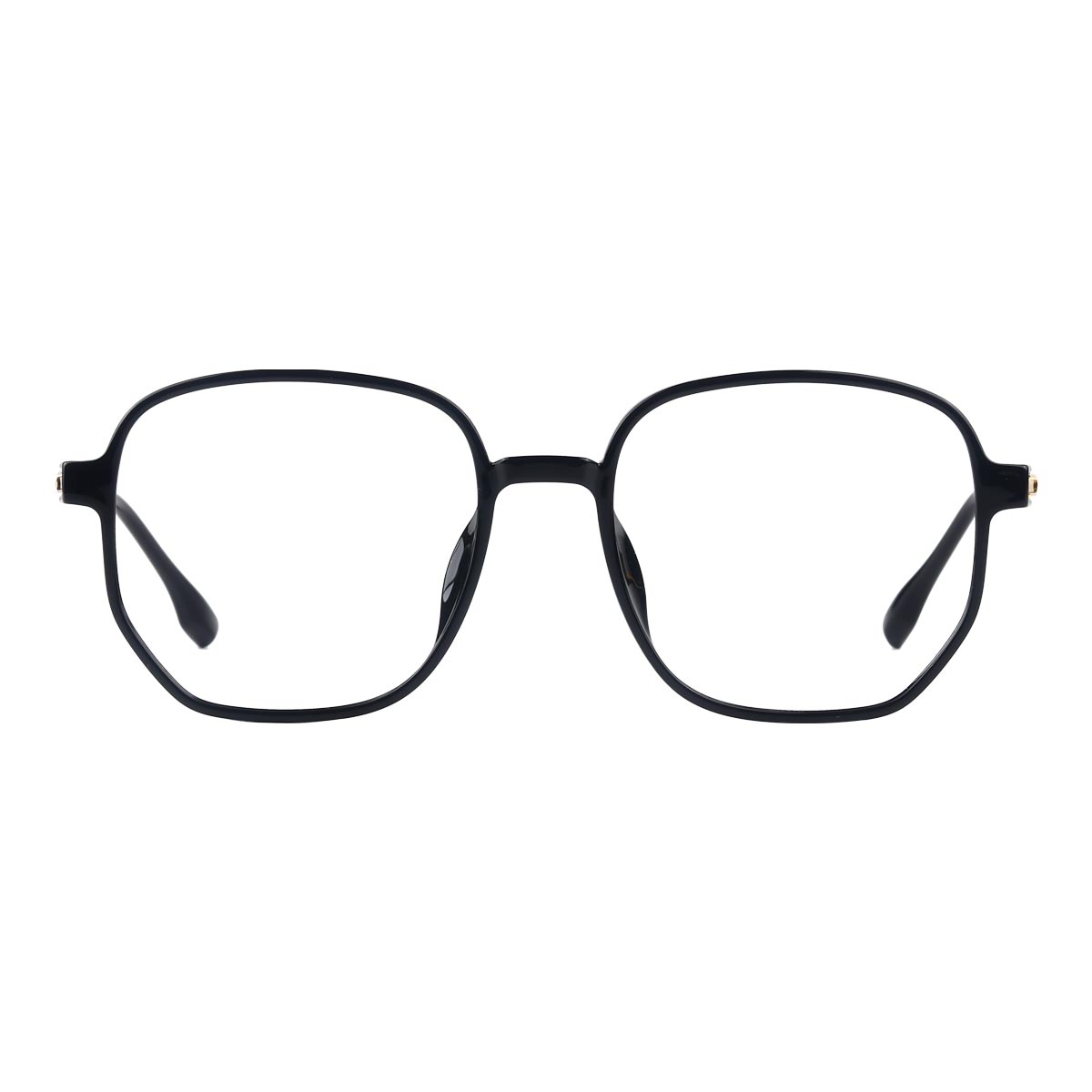 Ultra-Light TR90 and Medical Steel Anti-Allergic Optical GlassesTR90 flex frame and medical steel temples target sensitive skin; lightweight zero-pressure design suits long wear, while flexible material helps reduce pressure-related discomfort.View Product →
A simple test: switch to a frame with non-metal arms for two weeks. If the redness fades but the tenderness stays, you are dealing with pressure rather than allergy, and adjustment is the right next step.
What to Check Before Buying Your Next Pair
Bring a short checklist to the fitting, because most ear pain is predictable before you pay.
- Temple width at least 3 mm wider than your head at its widest point.
- Arms that touch evenly along their length, with the bend starting behind the ear.
- Rounded or silicone-covered tips rather than bare cut metal edges.
- Frame weight under 30 g for adults, under 20 g for children.
- Visible clearance between the arm and the top of your ear when you look down.
- A material your optician is willing to adjust later.
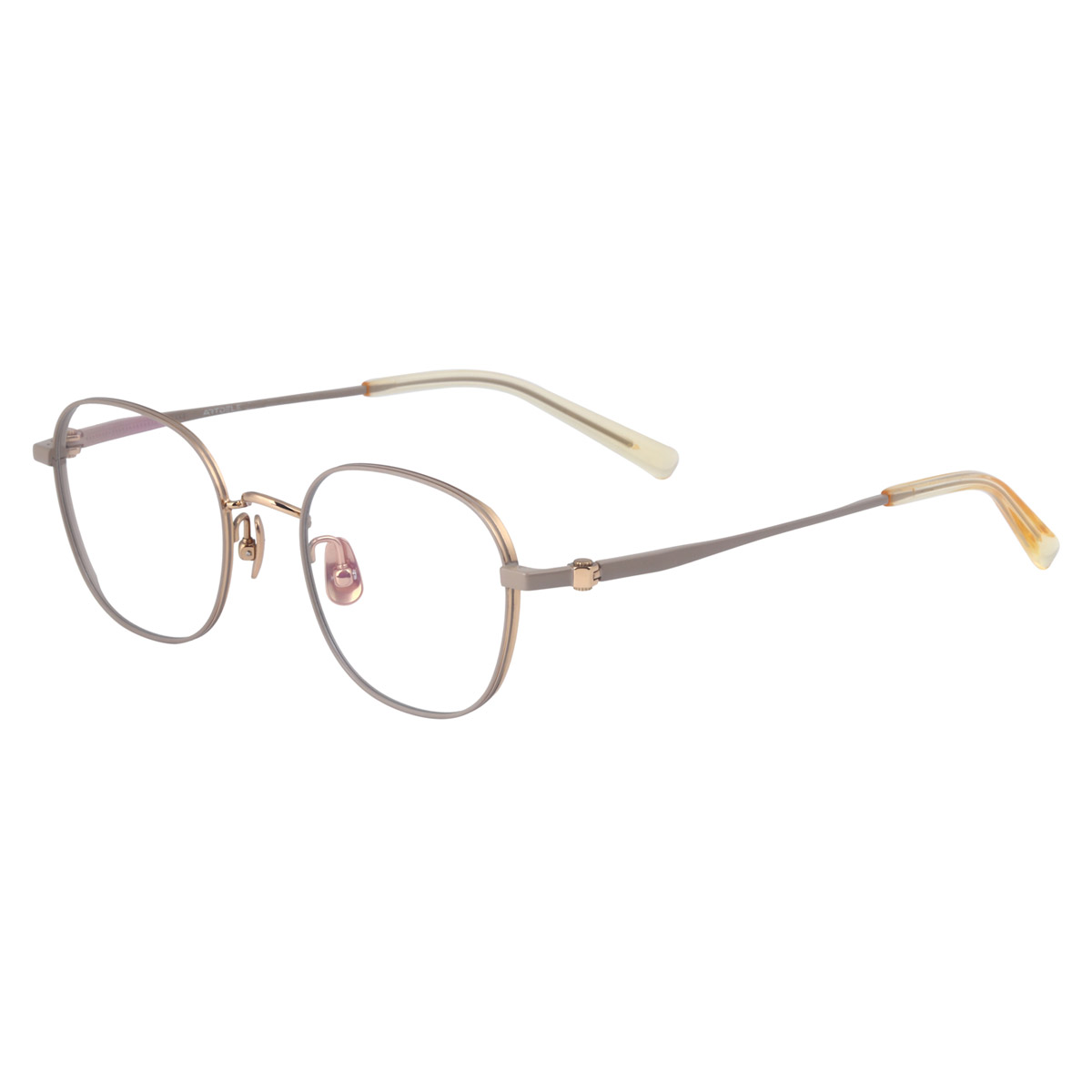
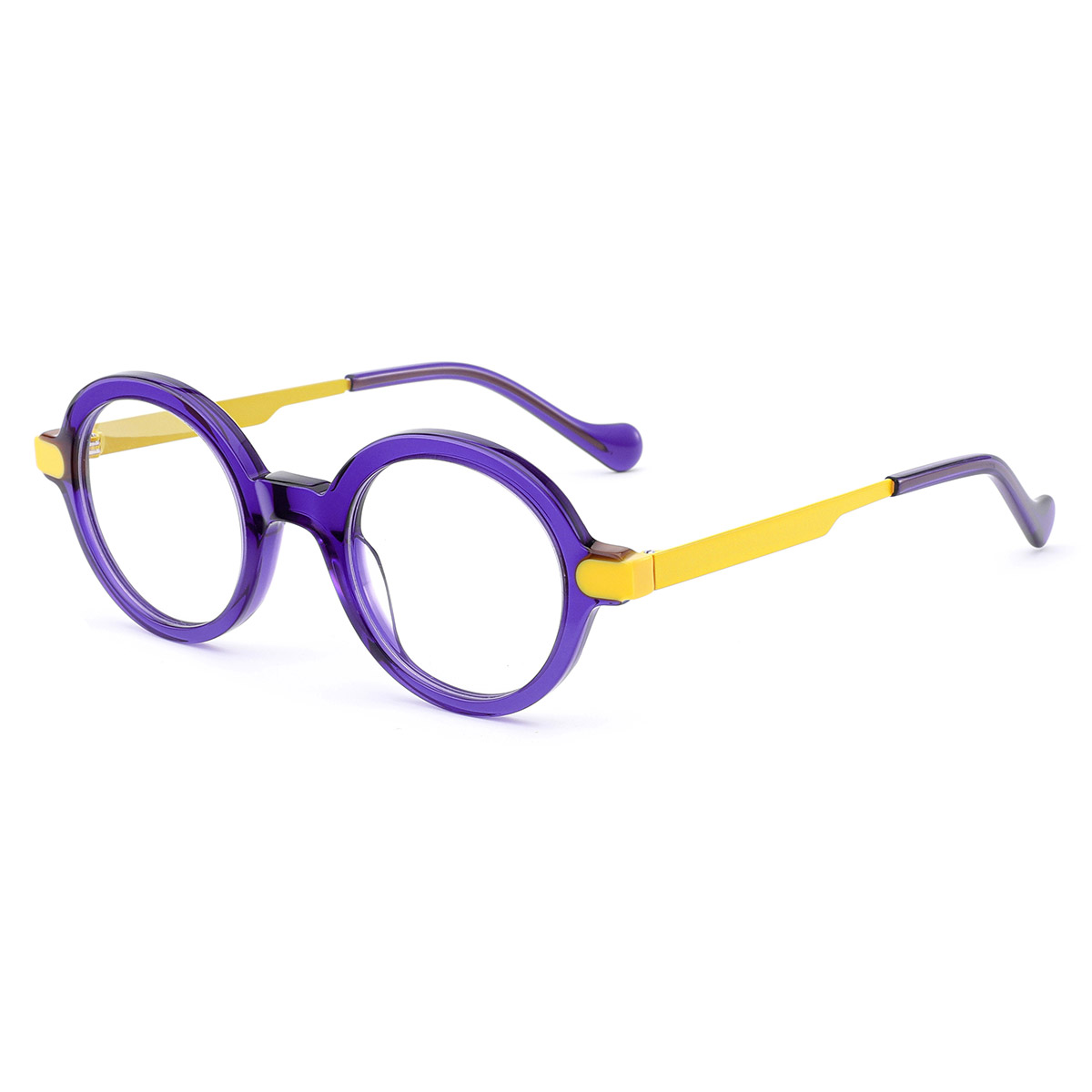
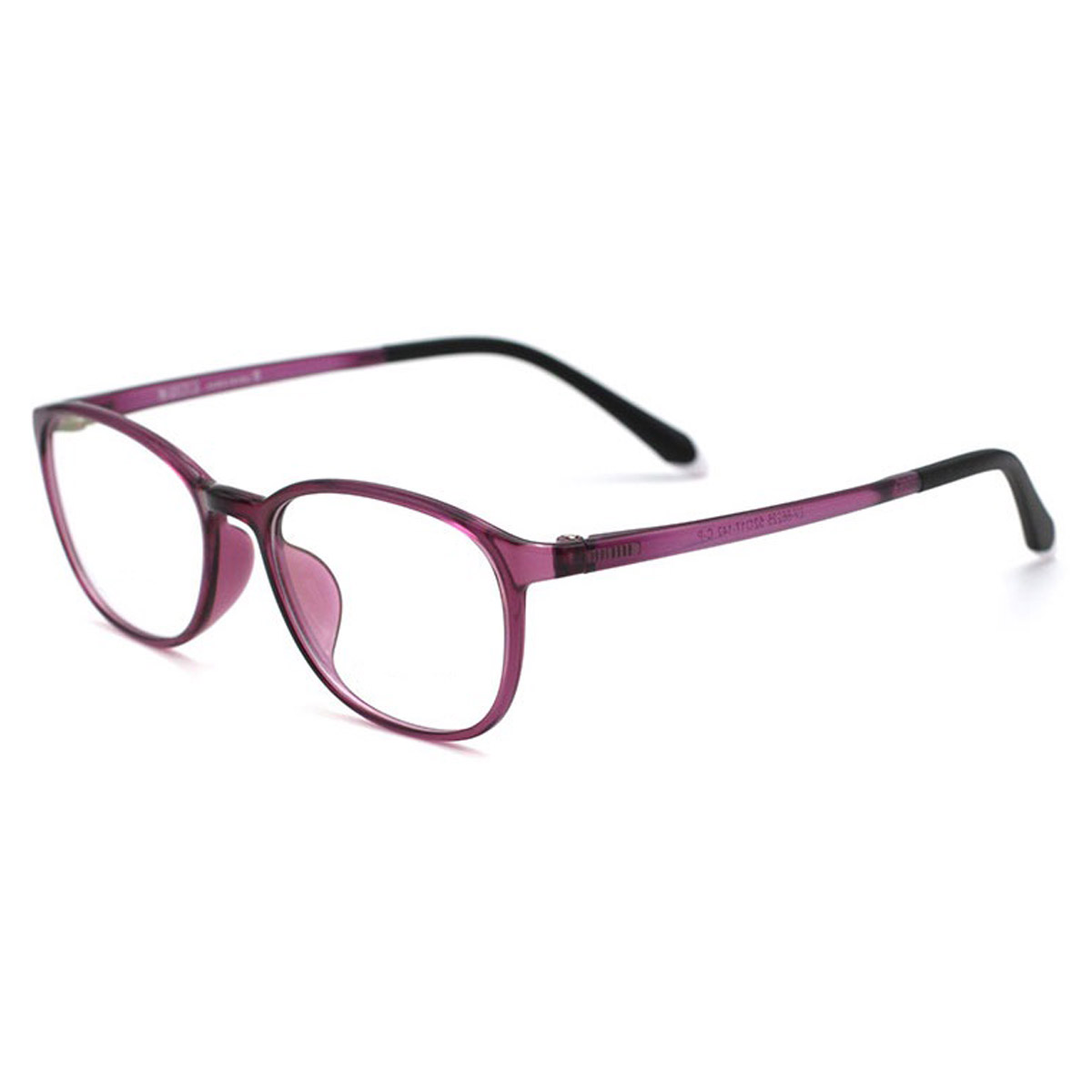 Ultra-Light Ultem Oval Optical Glasses with Topological Hollow DesignUltem frame with topology-inspired hollow lens rings reduces weight for sensitive nose bridges; flexible arms may suit narrow or asymmetrical heads and prescription daily wear.View Product →
Flexible materials such as Ultem are worth considering for narrow or asymmetrical heads, because the arm absorbs part of the outward force instead of transferring all of it to the skin above the ear.
How Frame Geometry Is Decided Before You Ever Try It On
A large share of ear discomfort is built into a frame long before it reaches a shop.
Temple width, bend point, tip radius and material memory are set by tooling and assembly. As an eyewear manufacturer producing optical frames, sunglasses and reading glasses in titanium, acetate, Ultem and TR90, we set those dimensions in the moulds and jigs. That means a buyer can specify a wider temple opening or a softer tip radius instead of accepting whatever the last production run happened to produce.
FAQ
Will ear pain from glasses go away on its own?
No. The soreness fades overnight, but if the temple tip keeps landing on the same spot it returns the next day. Pain above the ear is a fit signal, not a breaking-in phase.
Can I bend the arms myself?
Acetate, TR90 and Ultem tolerate careful warming and gentle widening. Titanium, stainless steel and memory alloys should be adjusted by an optician who can reshape them without cracking the hinge.
Why does only one ear hurt?
Faces are rarely symmetrical, and one ear usually sits higher or further back. Check that both arms bend at the same point and that tip height matches on both sides, because a 2 mm difference is enough to cause one-sided soreness.
Do silicone ear hooks or temple pads help?
They can. Sleeves spread pressure over a larger area and add grip, which helps when the frame is slightly loose. If the frame is already too narrow, the extra thickness makes the squeeze worse.
Is it normal for new glasses to hurt for a week?
Mild, even pressure across the side of the head is common for a day or two. Sharp pain at one point above the ear is not, and it will not resolve by waiting.
Does frame weight decide whether the top of my ear hurts?
Contact area usually matters more than weight. A 50 g frame with a wide, well-bent tip can be more comfortable than a 25 g frame whose tips rest directly on the ear.
Ear-top pain has a short list of causes and an equally short list of fixes: move the contact point off the skin above the ear, widen the arms rather than the frame front, stay within what your frame material can take, and check weight and temple width before you buy. If two rounds of adjustment do not help, the frame, not your ears, is the problem.