 Search
 EN
EN English
 Deutsch
 Français
 Español
 italiano
 cn
cn jp
jp kr
krA popped-out lens is usually a two-minute inconvenience rather than a broken pair of glasses. The lens itself normally survives the fall; what failed is the retaining system around it — a screw, a nylon cord, a stretched rim groove, or a frame front that has slowly bent out of shape. Pressing the lens back in takes about a minute, and working out why it came loose is what stops the same corner from failing again next week.
Content
- 1 Why a lens pops out: the four real causes
- 2 How to put the lens back in, by frame type
- 3 Field fixes that work — and the ones that ruin lenses
- 4 When a repair stops being worth it
- 5 How to keep the lens where it belongs
- 6 Why some frames hold lenses better than others
- 7 Kids' and sports frames: where lenses leave home most often
- 8 FAQ
Why a lens pops out: the four real causes
Nearly every loose lens traces back to one of four failures — a lost screw, a stretched nylon cord, a distorted frame front, or a chipped lens bevel — and only the last one means the lens itself is finished.
Lenses are held by geometry, not by glue. A full rim grips the lens along a bevelled edge, a semi-rimless frame holds the lower half with a nylon cord, and a rimless mount uses two screws per lens. Distort the front, dry out the cord or enlarge a screw hole, and the grip disappears. That is why a lens that seemed to fall out at random had usually been working loose for weeks.
| What failed | Frame type | What you notice | What it means |
|---|---|---|---|
| Frame front bent or twisted | Full-rim metal or acetate | The lens feels loose, spins slightly, or sits proud of the rim | Reshaping is a quick optician job; leaving it stretches the groove further |
| Nylon cord stretched or snapped | Semi-rimless and half-rim mounts | The lens drops from the bottom edge, with cord visible below it | The cheapest repair in eyewear, and worth doing before the lens is lost |
| Screw loose, missing, or its hole cracked | Rimless and three-piece mounts | The lens swings when the temple moves, or falls out as the frame opens | Every loose day enlarges the hole; a cracked hole cannot be saved |
| Bevel chipped after a drop | Any frame | A chip or a bright stress line along the lens edge | The lens must be replaced — pressing it back in will not hold under load |
How to put the lens back in, by frame type
The lens always goes back the way it came out, so it is the frame type — not the lens — that tells you which edge to start with.
Full-rim frames: top edge first
Sit at a table with a cloth underneath and start with the top edge. Push the upper part of the lens bevel into the top groove, then press the lower half in with firm, even thumb pressure close to the outer edge. Pressing on the centre of the lens is how stress marks and hairline cracks appear, so keep your thumb near the frame. You should hear a soft click as the bevel seats.
Semi-rimless frames with a nylon cord: reseat the cord, not the lens
On a half-rim frame the lens never presses in — the cord has to go back into the bottom groove. Use a plastic tool or a fingernail to walk the cord into place from the inner corner outward, then check that it sits level on both sides of the bridge. If the cord feels brittle or has gone chalky white, it is due for replacement no matter how well it seats today.
Rimless and screw-mounted frames: check the screw and the bushing
Rimless lenses are held by a 1.4 mm or 2.0 mm screw through a drilled hole, often with a plastic bushing that absorbs shock. Align the lens, start the screw by hand, then tighten with a jeweller's driver using almost no force. If the screw spins freely, the hole or bushing is stripped, and no amount of tightening will keep it in.
Wrapped sports and grooved frames: warm the frame, never the lens
Wrapped fronts need a little flexibility to accept a lens again. Warm running water for twenty to thirty seconds softens most TR90 and nylon frames enough to work the lens in. Keep the lens out of the water: heat is what delaminates anti-reflective coatings and warps polarised film.
Field fixes that work — and the ones that ruin lenses
Transparent tape and a spare screw will get you through the day; adhesives and abrasive polishes will cost you a lens.
| What people try | Does it work? | What actually happens |
|---|---|---|
| Transparent tape across the corner | Yes, for a day | Holds well enough to finish a commute; residue cleans off with isopropyl alcohol |
| Super glue or epoxy on the bevel | No | Adhesive fumes fog lens coatings, and a bonded lens cannot be removed without breaking it |
| Thumb pressure on the centre of the lens | Risky | Uneven pressure cracks lenses at drill holes and leaves stress marks visible in polarised light |
| Warm water on an acetate frame | Yes | 60-70°C water softens acetate in under a minute, exactly as an optician would |
| Warm water on the lens itself | No | Coatings and polarising films separate from the substrate and cannot be repaired |
When a repair stops being worth it
If the screw hole is cracked, the rim is chipped, or the same frame has already been straightened twice, replacing the frame costs less than the risk of losing the lens for good.
A front that has been bent back into shape is softer at that point and will bend again, and a rim with a hairline crack will open up the next time the glasses are dropped. When a lens pops out of the same corner more than twice in a year, the honest diagnosis is a worn groove or a frame that never matched the lens bevel in the first place — both are solved by a new front, not a new lens.
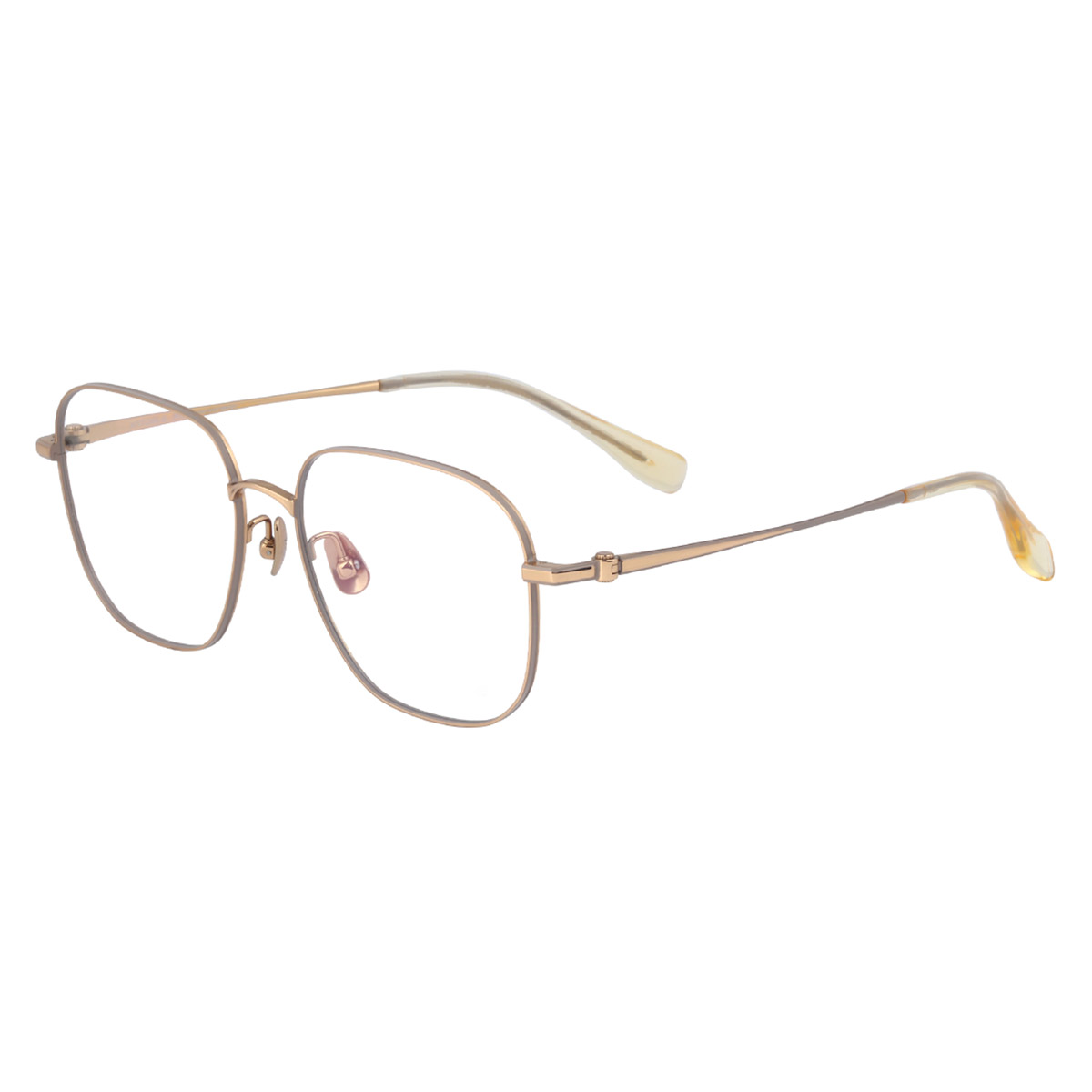
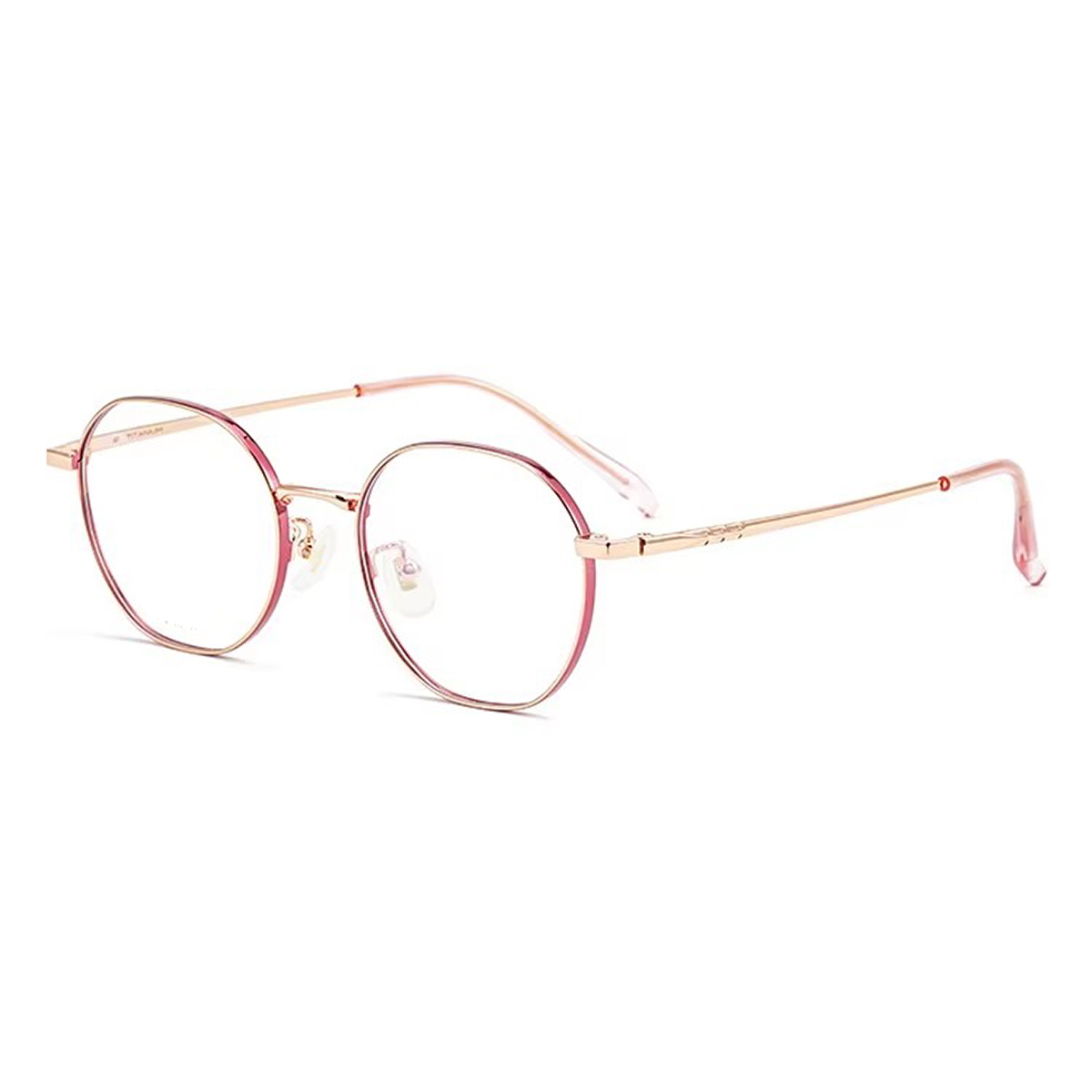
A full-rim front with a deep groove is the most forgiving choice for anyone whose lenses keep working loose:
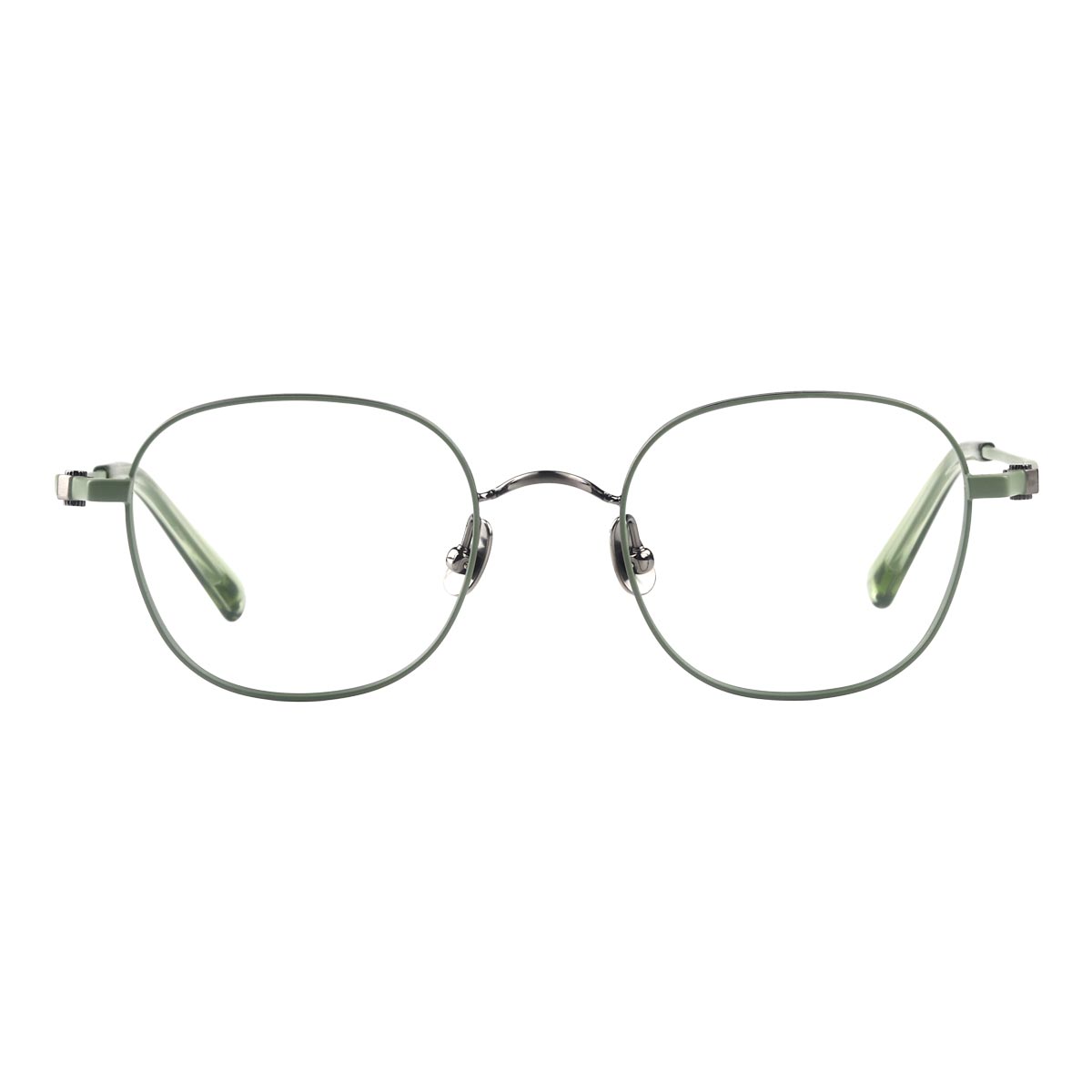 Full-Rim Pure Titanium Ergonomic Optical Glasses AD9010Full-rim pure titanium frame with ergonomic adjustable nose pads and elastic hinges, designed for comfortable long-term wear and secure lens seating.View Product →
How to keep the lens where it belongs
Two habits prevent most of these repairs: take your glasses off with both hands, and check the screws every few months.
- Remove and put on your glasses with both hands — pulling one temple sideways twists the front, which is what loosens a bevel grip.
- Tighten rimless screws twice a year with a proper driver; a loose screw costs nothing to fix, a cracked drill hole costs a lens.
- Never leave acetate frames on a dashboard or windowsill. Acetate softens well below boiling point and sets in a warped shape as it cools.
- Store glasses folded in a hard case, never lens-down in a bag, and keep keys and coins in a separate pocket.
- Replace the nylon cord on semi-rimless frames every twelve to eighteen months, even if it still looks intact.
- Higher-power and progressive lenses put more load on cords and screws, because the thicker edge sits heavier in the frame. Our guide to choosing reading glasses explains how lens thickness and frame choice affect long-term fit.
Why some frames hold lenses better than others
Lens retention is a manufacturing decision rather than luck: groove depth, bevel angle, cord tension and material memory decide whether a frame grips a lens for years or for weeks.
Acetate is stiff and machines into a precise, deep groove, which is why traditional acetate fronts hold a cut bevel so well — but it also softens with heat and stays where it bends. TR90 and similar nylon-based materials flex and spring back, so they survive knocks that distort a metal front, though they need tighter lens tolerances because the rim itself moves under load. Titanium barely moves at all, which is why thin titanium frames keep their alignment for years.
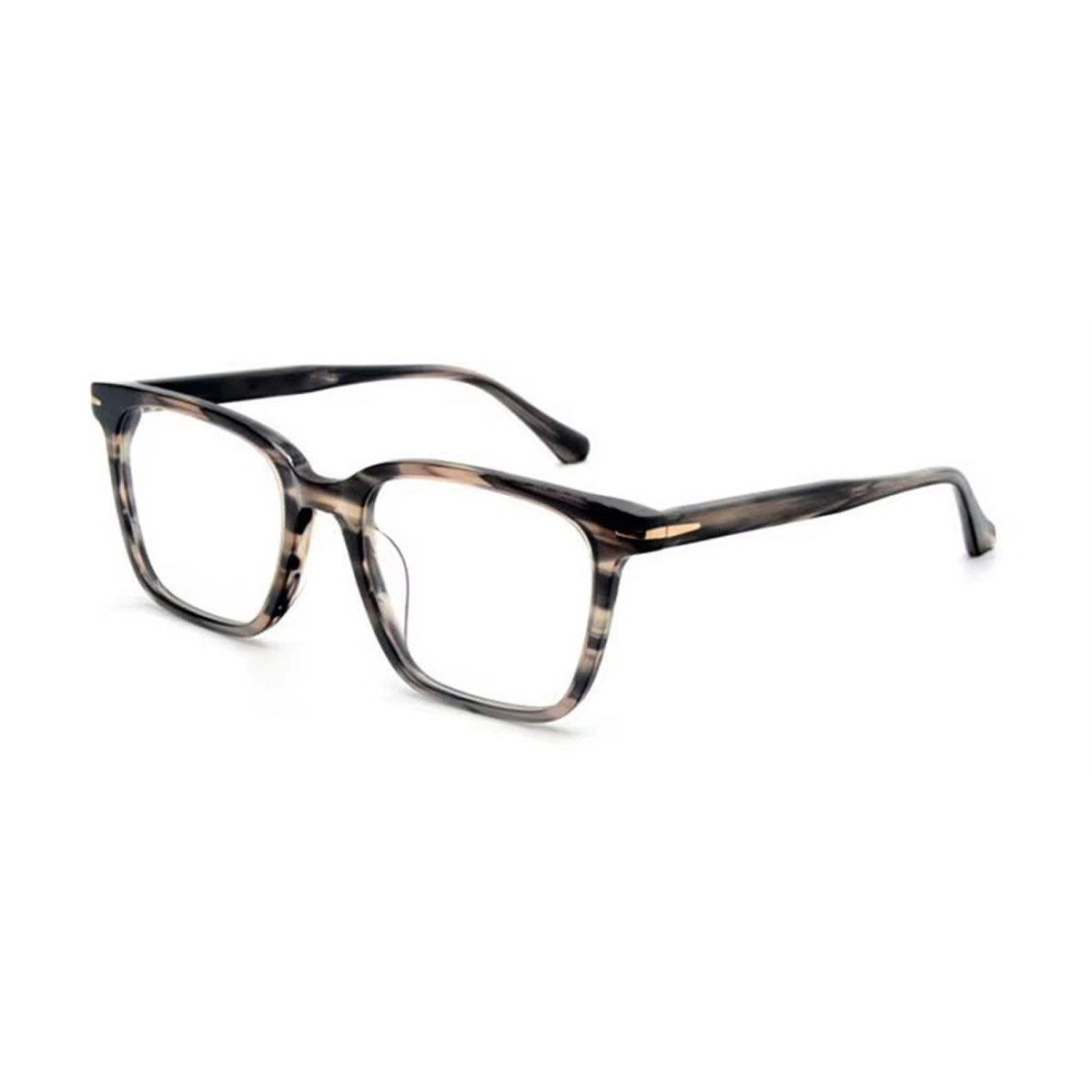
For lenses that keep loosening, the practical check is the groove and the bevel, not the lens material. A frame cut with a slightly deeper groove and a bevel matched to the lens edge will hold through years of daily wear, while a shallow groove on an otherwise expensive frame will fail repeatedly:
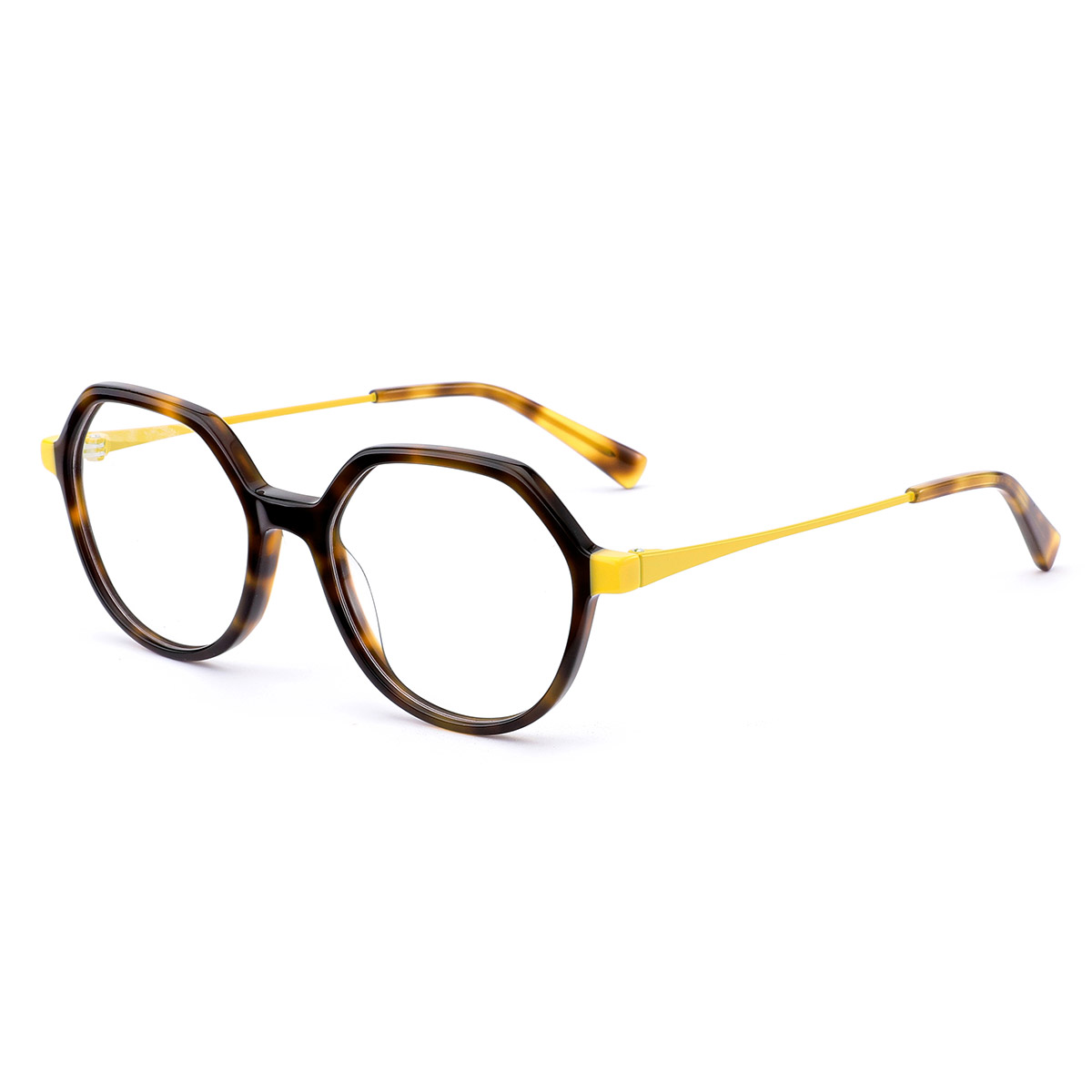
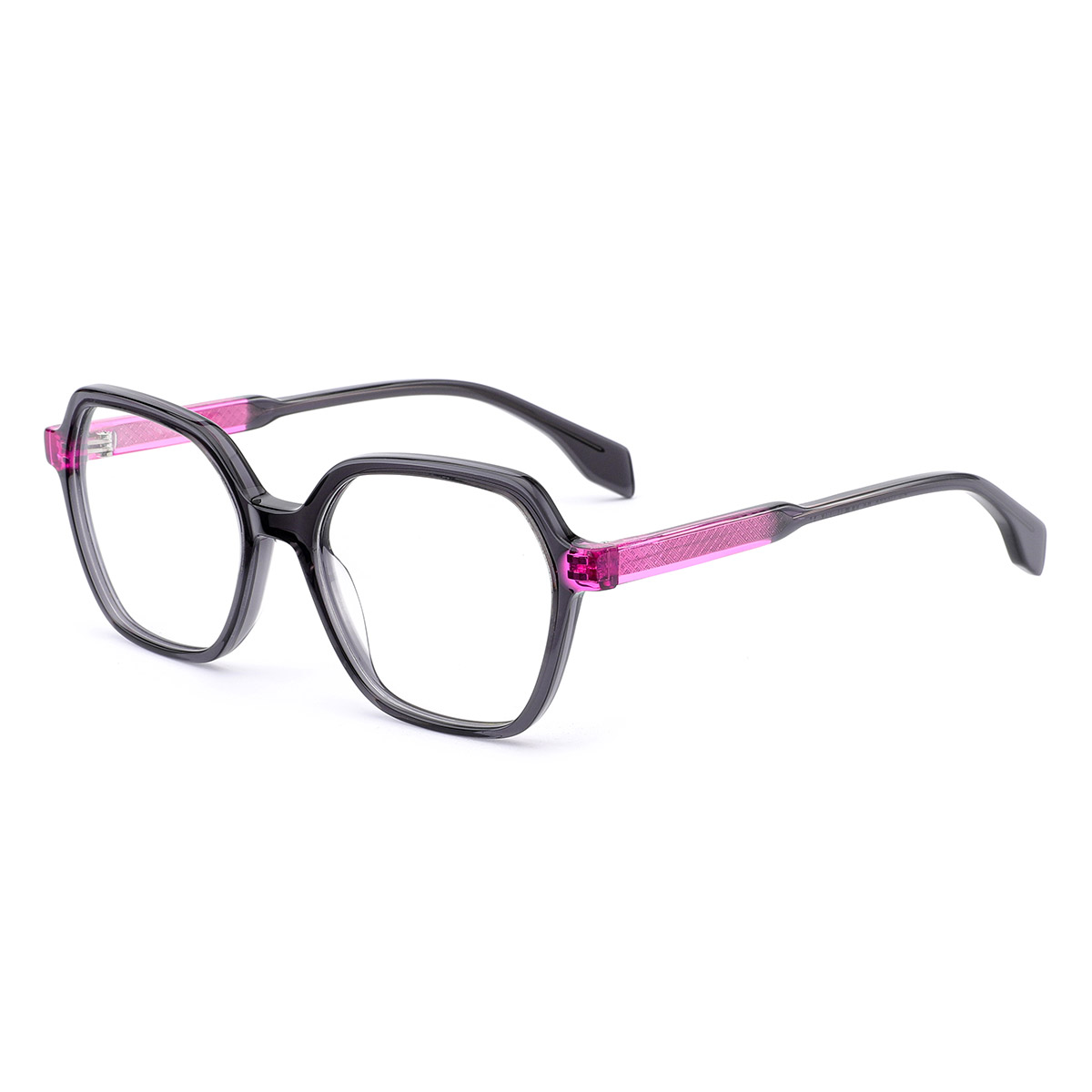 Retro Tortoiseshell Acetate Optical Glasses A8853Classic tortoiseshell acetate frame with adjustable nose pads, metal hinges, and in-house production checks that support secure lens fitting.View Product →
We build frames in-house from acetate, titanium, TR90 and Ultem, and these tolerances are checked on the production line rather than discovered by the wearer.
Kids' and sports frames: where lenses leave home most often
Impact is the single biggest reason lenses pop out of children's and sports frames, and the usual fix is a more flexible frame rather than a tougher lens.
In a school bag, a child's frame gets twisted, sat on and pulled apart daily. A rigid front springs back into shape but drags the lens out of the groove on the way; a flexible TR90 or silicone-hybrid frame bends and returns without disturbing the bevel, which is why paediatric frames are usually built from those materials with a full rim and rounded edges. Sports frames follow the same logic and add a wrapped shape that keeps the lens under tension during a fall.
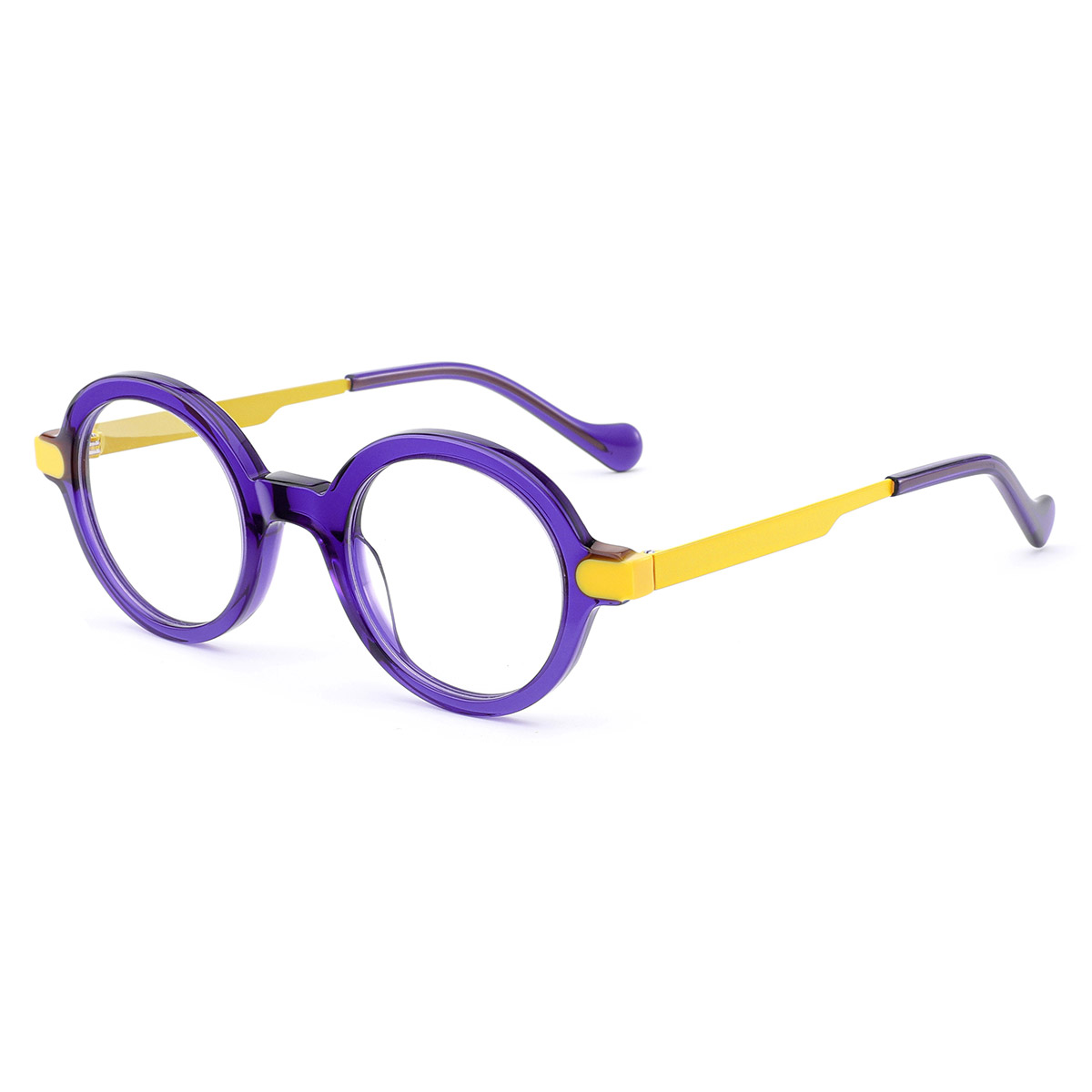
If you are replacing a children's frame after a lens has come loose, a lightweight full-rim TR90 mount is the safer pattern:
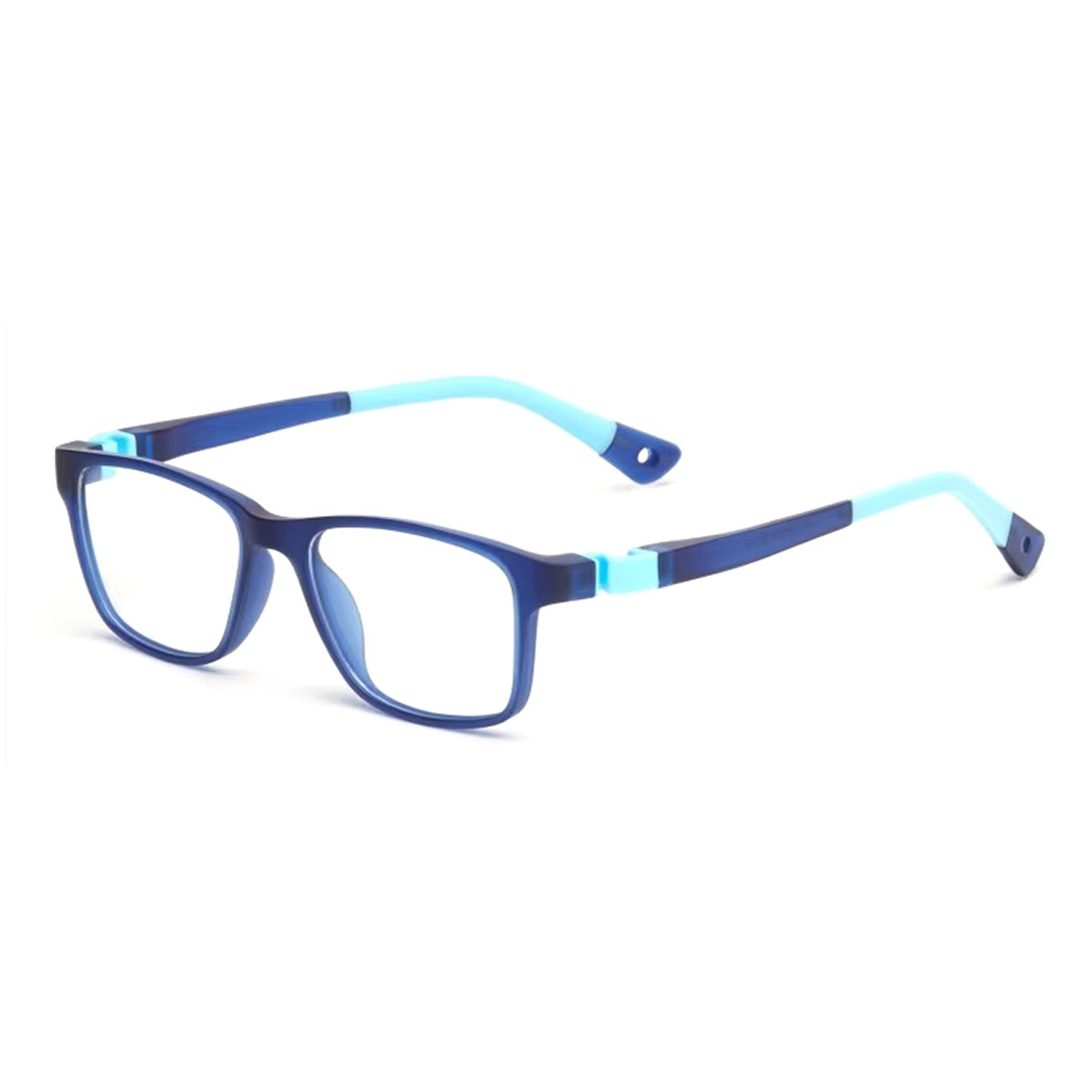 TR90 Square Lightweight Children's Optical Glasses 1031Lightweight TR90 full-rim kids' frame with a square shape and collision-resistant build, suitable for active daily wear and prescription lenses.View Product →
FAQ
Can I glue a lens back into the frame?
No. Adhesive fogs lens coatings, dries brittle and makes the lens impossible to remove later without breaking it — and it still will not hold under the tension a proper bevel provides.
Is it safe to wear glasses with a missing lens for a day?
Only if you are not driving. A single-lens pair distorts depth perception and peripheral vision, and the empty side leaves the eye exposed to dust, glare and impact.
Will an optician re-seat my lens for free?
Most will re-seat a lens or tighten a screw at no charge, and many replace a nylon cord for a small fee while you wait. It is worth asking before you attempt a repair on a rimless frame yourself.
Why does the same lens keep popping out even after it is put back?
Because the frame is usually at fault, not the lens. A groove that has stretched, a screw hole that has enlarged, or a slight twist in the front will release the lens again within days; a cord replacement or a new frame fixes all three.
A popped-out lens is a symptom, and the sensible response is a two-step one: reseat it carefully on a table today, then find out whether the frame is still holding it properly. If a screw is loose, tighten it; if a cord is chalky, replace it; if the front has been bent straight twice already, retire the frame. That sequence costs very little and keeps a perfectly good lens out of the bin.