 Search
 EN
EN English
 Deutsch
 Français
 Español
 italiano
 cn
cn jp
jp kr
krThe short answer: polarized sunglasses contain a microscopic vertical filter that blocks reflected glare, while tinted sunglasses simply darken everything you see. Choose polarized when you drive, boat, fish, or ski near water or snow; choose tinted when you want affordable general shading and need to view phone or dashboard screens clearly.
Both lens types reduce brightness, but they do it in fundamentally different ways. That difference affects clarity, eye fatigue, color perception, and even how safely you can read a car display. This guide compares them across real-world scenarios, explains the filtering principle behind each, and recommends which type fits your intended use.
Content
What Are Tinted Sunglasses?
Tinted sunglasses are lenses that have dye or absorbing coatings to reduce overall light transmission. They do not distinguish between direct sunlight and reflected glare; they simply lower the intensity of all visible light passing through.
Tints come in gray, brown, green, amber, and many fashion colors. Gray preserves natural color balance best, brown and amber boost contrast in hazy conditions, and green offers a neutral look with slightly warmer contrast. A dark tint, however, is not equal to UV protection. UV rating depends on the lens coating or substrate, not on how dark the lens appears.
- Best for: everyday city shade, casual outdoor wear, and sunny drives with a clear windshield.
- Limits: no glare elimination, and reduced clarity when strong reflections come from water, wet roads, or snow.
What Are Polarized Sunglasses?
Polarized sunglasses start with a tint and add a polarizing layer that blocks horizontally oriented light waves, which are exactly the rays that create harsh glare on flat reflective surfaces.
When sunlight bounces off water, snow, a wet road, or another vehicle's windshield, it becomes horizontally polarized. The filter inside a polarized lens is vertically aligned, so it absorbs that glare while letting useful vertical light pass through. The result is clearer vision, deeper color saturation, and noticeably less squinting and eye strain. All polarized lenses are tinted, but not all tinted lenses are polarized, and that is the core of this comparison.
For a wider look at how different lens choices affect comfort and protection, our sunglasses buying guide explains the basics in more detail.
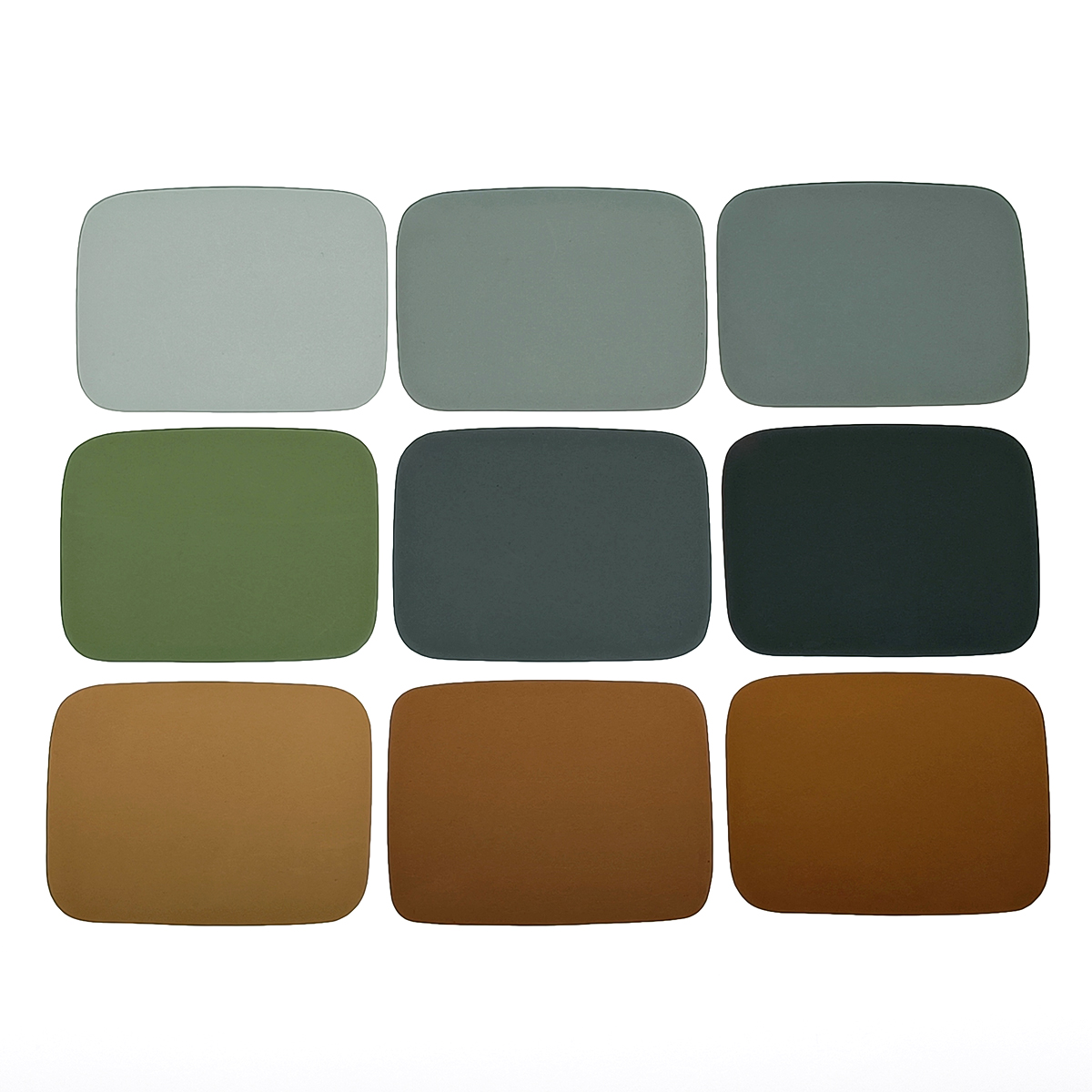 UV400 TAC Polarized Lens with Multi-Layer UV ProtectionThis lens combines polarized glare filtering with strong UV blocking for driving and outdoor use. Its multi-layer composite structure balances glare elimination and color fidelity, making it a practical choice for harsh conditions.View Product →
Polarized vs Tinted: Key Differences at a Glance
Polarized and tinted lenses differ mainly in glare control, contrast, screen compatibility, and price.
| Factor | Polarized Sunglasses | Tinted Sunglasses |
|---|---|---|
| Glare reflection blocking | Yes, blocks most reflected glare from water, snow, and roads | No, only reduces overall brightness |
| Visual clarity in bright conditions | High, because glare is removed | Moderate, because glare remains |
| UV protection | UV400 available on quality lenses | UV400 available on quality lenses |
| Color perception | Enhanced contrast and deeper colors | Depends on tint color; gray is the most neutral |
| LCD phone or dashboard visibility | Can dim or blacken screens at certain angles | No interference |
| Typical price | Higher, due to polarizing film and lamination | Lower, simple dye process |
The price gap matters in bulk purchasing too. Polarized lenses require extra lamination steps and stricter quality control to avoid coating defects and blind spots. That is why an extremely cheap pair labeled "polarized" should raise suspicion, while a well-made tinted pair can remain a dependable budget option.
How to Tell Whether Sunglasses Are Polarized
A two-minute test with a smartphone tells you whether a lens is genuinely polarized.
- Put on the glasses and look at a flat LCD screen, such as a phone or calculator.
- Tilt your head about 45 degrees to one side.
- If the screen turns dark, iridescent, or nearly black, the lens is polarized.
- If nothing changes, the lenses are simply tinted.
For stronger proof, hold two pairs of sunglasses face-to-face and rotate one pair 90 degrees. Genuine polarized lenses darken dramatically or turn black where they cross, while tinted lenses stay the same.
How to Choose: Use Scenarios and Lens Materials
Choose based on the surfaces you look at and the devices you need to read.
Water, Snow, and Road: Choose Polarized
Polarized lenses pay for themselves quickly for fishing, boating, skiing, cycling, and long drives in open sun. Glare removal protects your eyes, reduces fatigue, and improves contrast so you can better spot fish, waves, curbs, potholes, or icy patches.
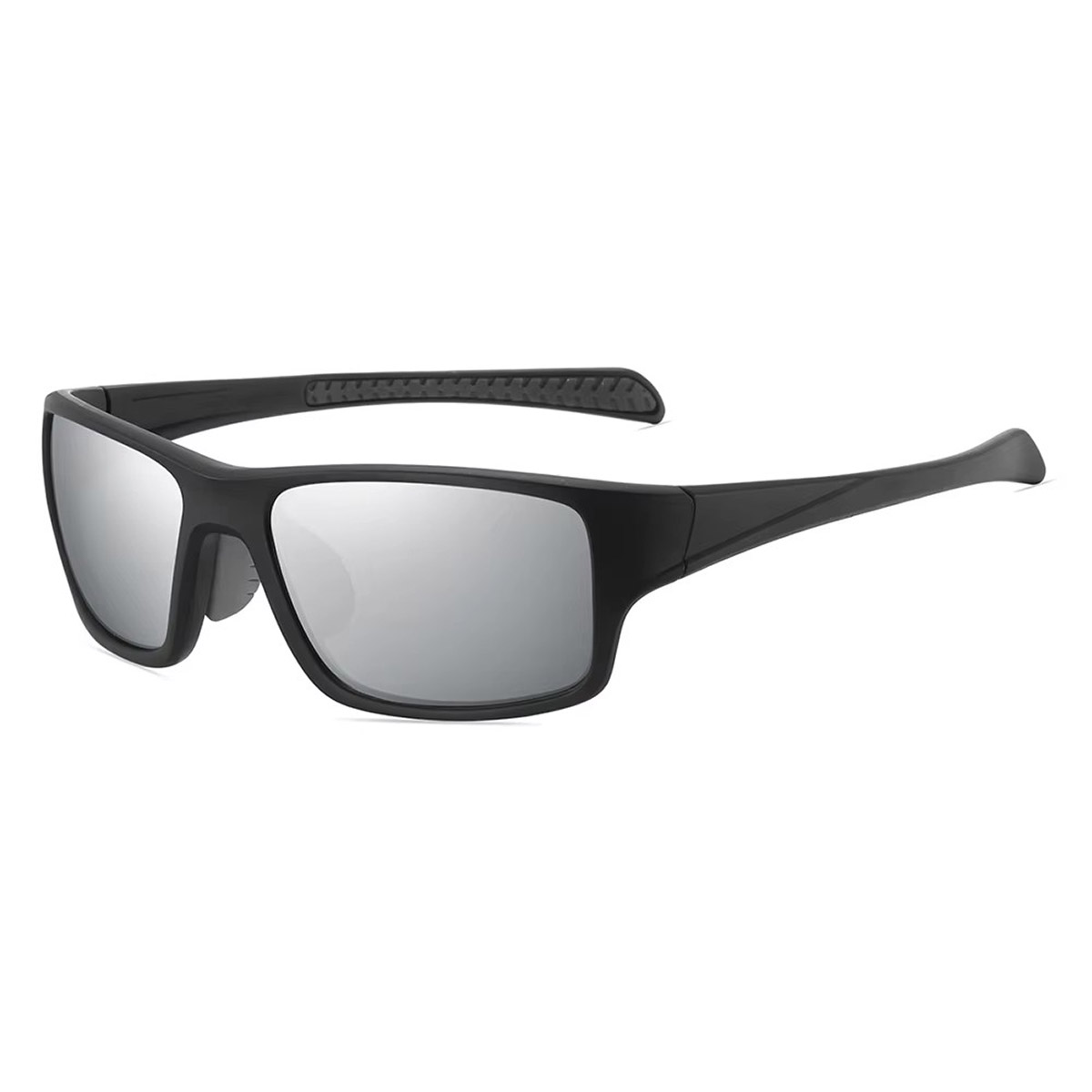 Men's Polarized Fishing Sunglasses with Anti-Glare LensesDesigned for fishing and other outdoor sports, these sunglasses feature polarized lenses that reduce glare from water and snow, plus a lightweight corrosion-resistant frame for long wear in bright conditions.View Product →
For cycling and road use, choose a snug sports frame with PC or nylon polarized lenses, which combine impact resistance with low weight.
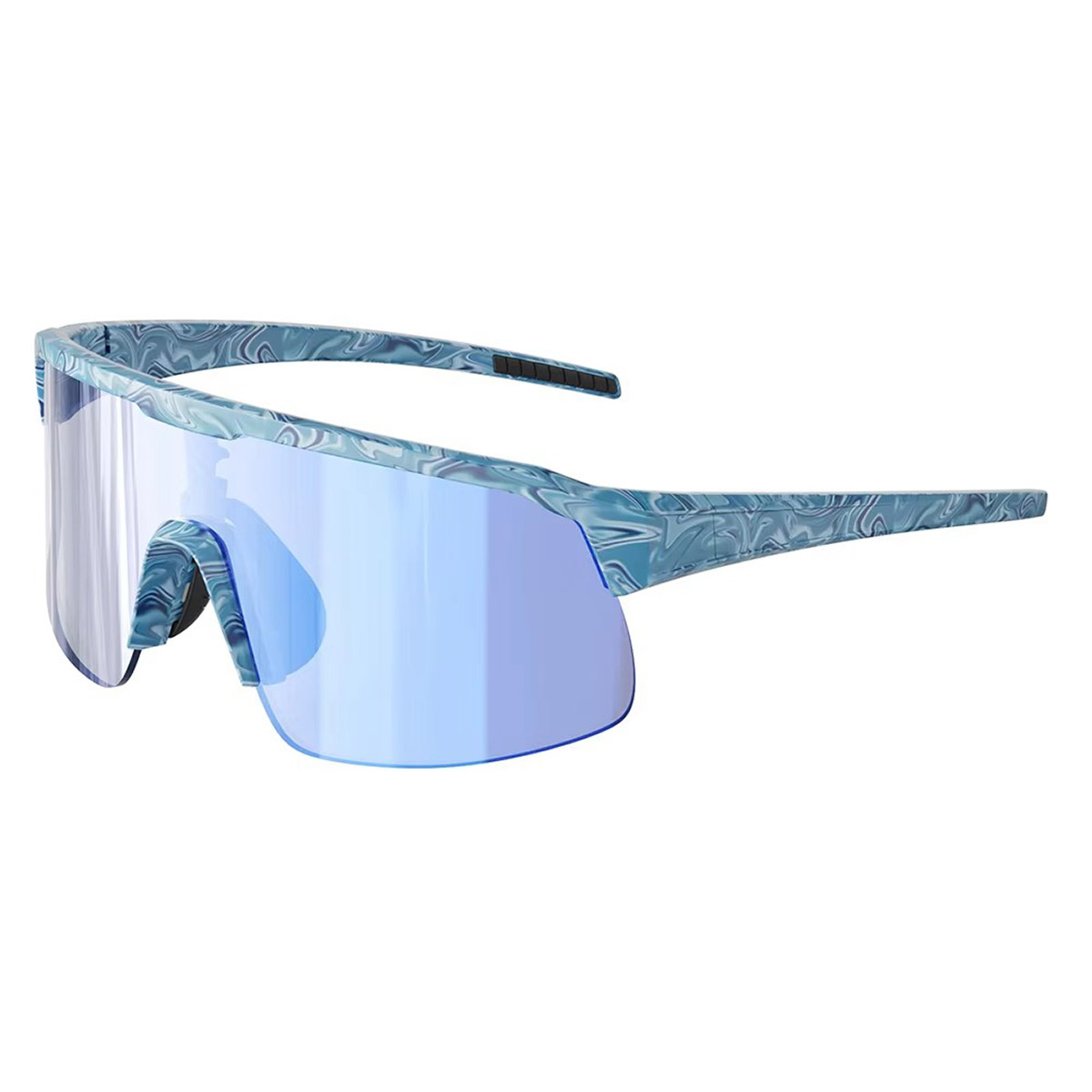 Women's UV400 Polarized Sport Sunglasses for CyclingThis lightweight TR90 frame offers UV400 protection and high-definition polarized lenses that cut reflections, with a women-specific fit and anti-fog ventilation for extended cycling or running.View Product →
Everyday Wear and Screen Work: Tinted May Be Enough
If you mainly walk in the city, sit at a café, or check your phone frequently, a quality tinted lens avoids the LCD dimming that some polarized lenses create. Gray tints stay neutral, brown adds warmth, and an anti-reflective coating improves comfort. Many OEM/ODM buyers use tinted styles as an entry-level lineup and reserve polarized options for premium tiers.
Lens Materials and the UV400 Standard
Lens material matters more than tint type for durability. TAC polarized lenses are the most common for sunwear because they are lightweight, affordable, and accept a wide range of tint colors. PC lenses provide higher impact resistance for sports and safety eyewear. Nylon lenses give the best optical clarity and chemical resistance for premium lines.
Always confirm that lenses meet the UV400 standard, which blocks UVA and UVB rays up to 400 nanometers. Remember that a dark tint without UV400 can actually do more harm than no sunglasses at all, because the darker lens makes your pupils open wider and lets more rays reach the retina.
Frequently Asked Questions
Here are the most common buying questions we hear from retailers and end users.
Are polarized sunglasses better than tinted sunglasses?
They are better in glare-prone conditions but not universally. If glare affects your driving, fishing, or time near snow or water, polarized wins. If you need accurate screen reading or a simple budget pair, tinted lenses are the smarter choice.
Do polarized sunglasses block UV light?
Not automatically. Polarization removes glare, while UV400 protection removes ultraviolet radiation. A well-made polarized lens usually includes UV400, but you should verify the lens specification before purchase.
Can polarized sunglasses be worn for driving?
Yes, for most drivers. Reducing glare from wet roads and other vehicles is a clear safety benefit. The only drawback is that some car navigation or heads-up displays may look darker from certain angles, so test them with your specific vehicle first.
Will polarized lenses make phone screens look dark?
Yes, at certain angles. This is the main practical downside of polarization. If your day involves constant phone or tablet use, you can tilt the screen slightly or choose a lightly tinted lens instead.
What is the difference between TAC and nylon polarized lenses?
TAC polarized lenses are a multi-layer construction with triacetate cellulose and a polarizing film, which keeps cost low for everyday sunglasses. Nylon polarized lenses are molded from polyamide resin and deliver sharper optics, better impact resistance, and higher resistance to heat and chemicals, making them common in performance and safety eyewear.
Bottom line: polarized sunglasses are a functional upgrade over tinted sunglasses whenever reflected glare affects comfort or safety. Tinted sunglasses remain a valid, economical choice for general shade and digital-screen use. For product planning, treat polarization as a premium performance feature and tint color as a style feature; the most balanced lineup includes both.
As an optical manufacturer, we produce polarized and tinted sun lens series in TAC, PC, and nylon materials, with OEM and ODM support for frame matching and packaging. You can browse our complete lens and frame catalog on our website.