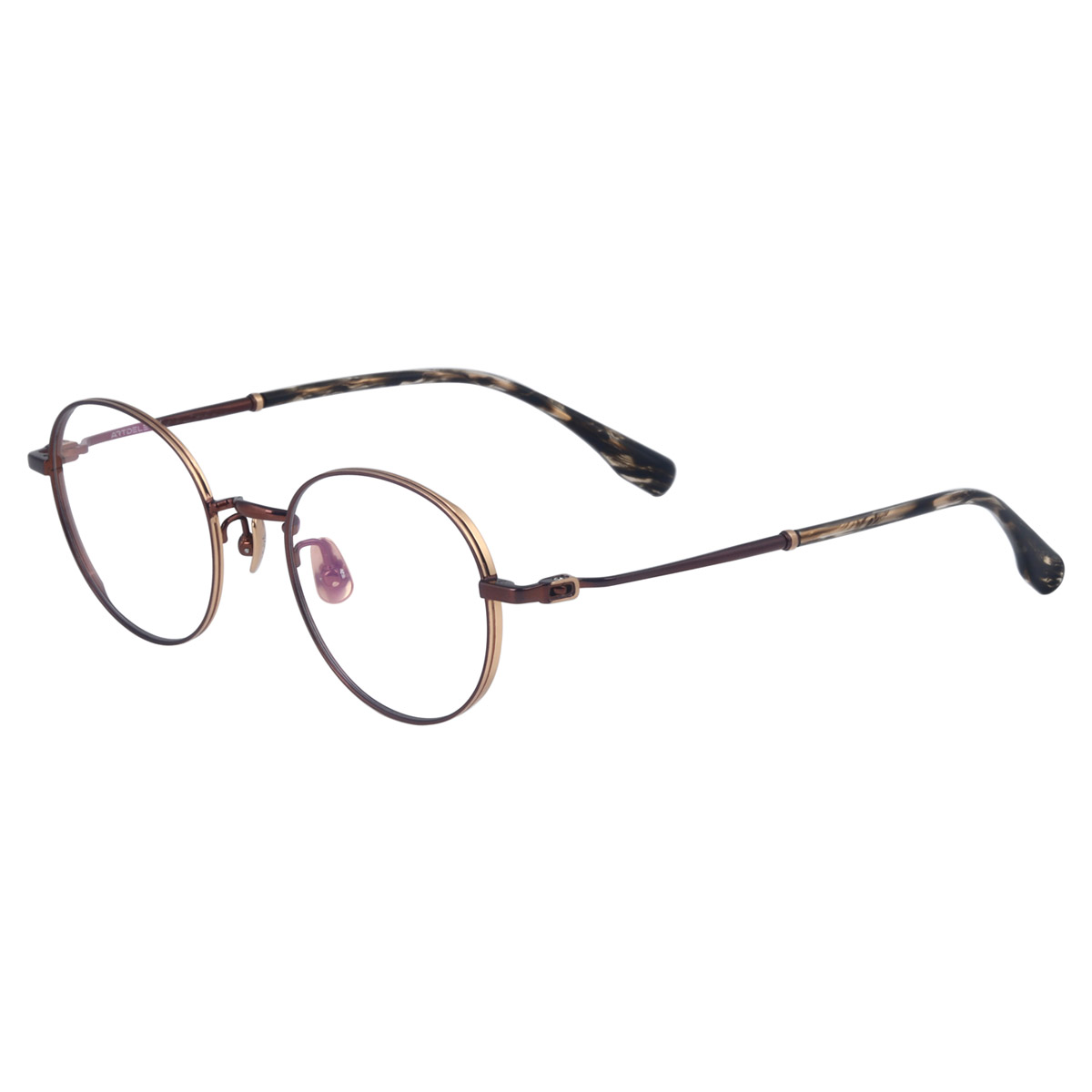
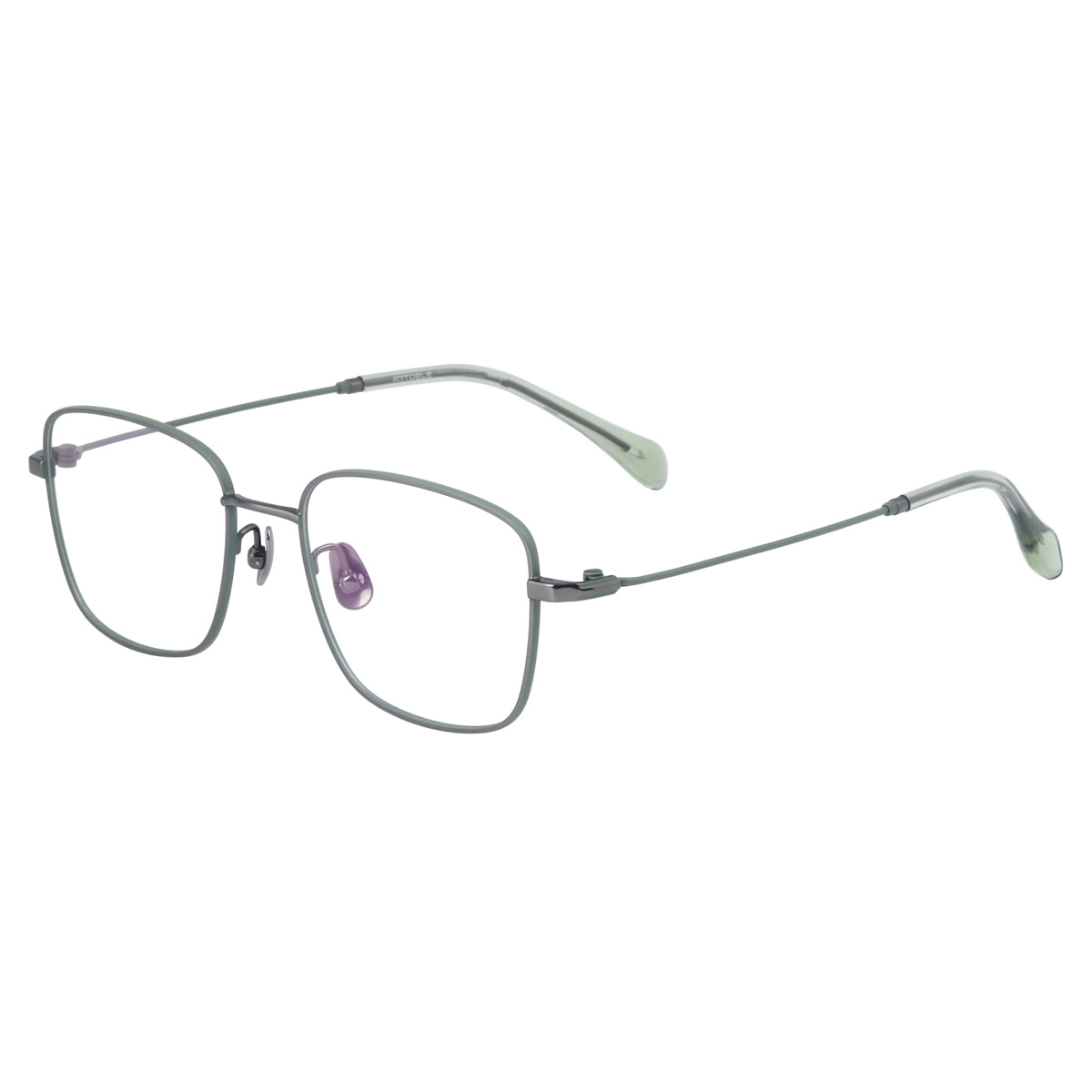
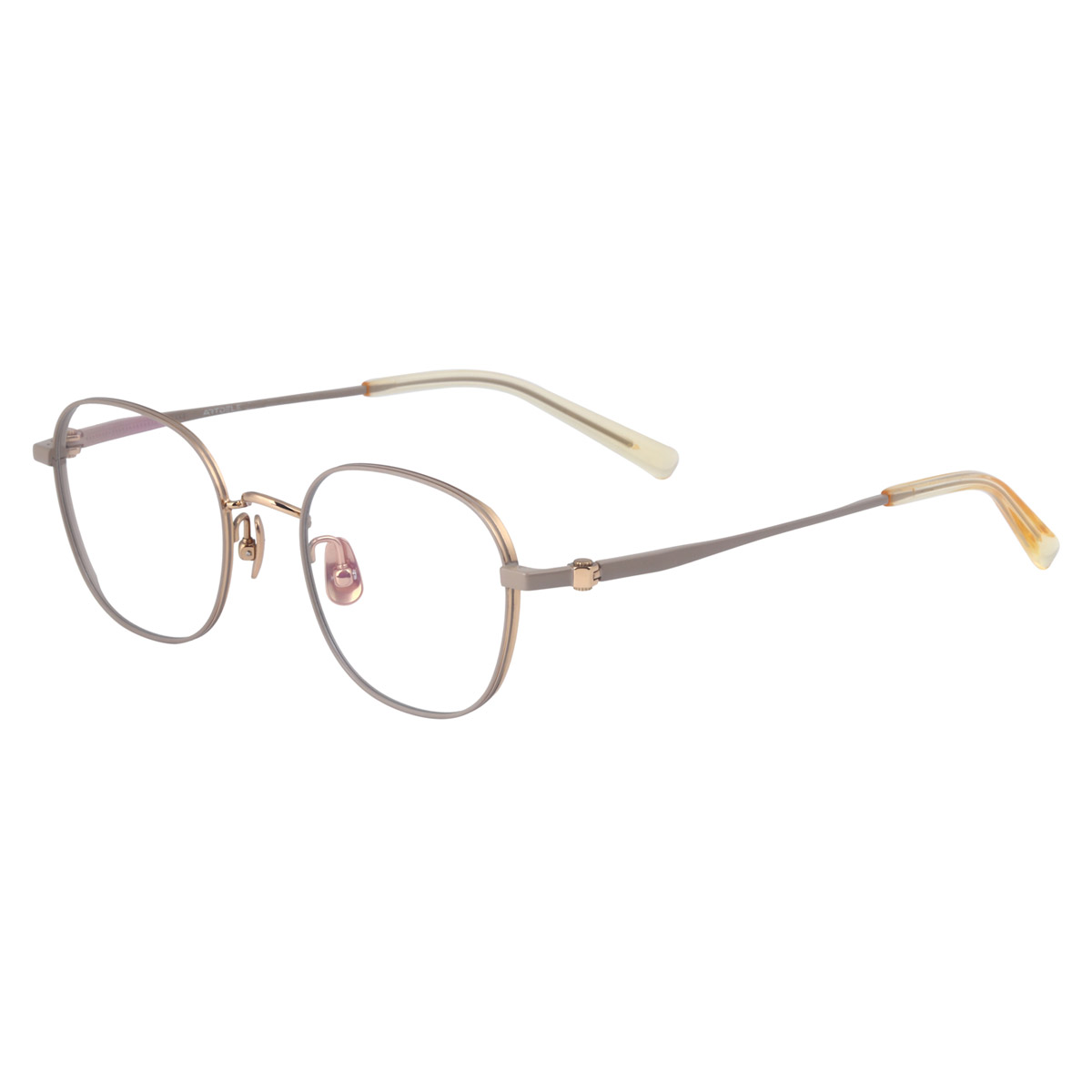
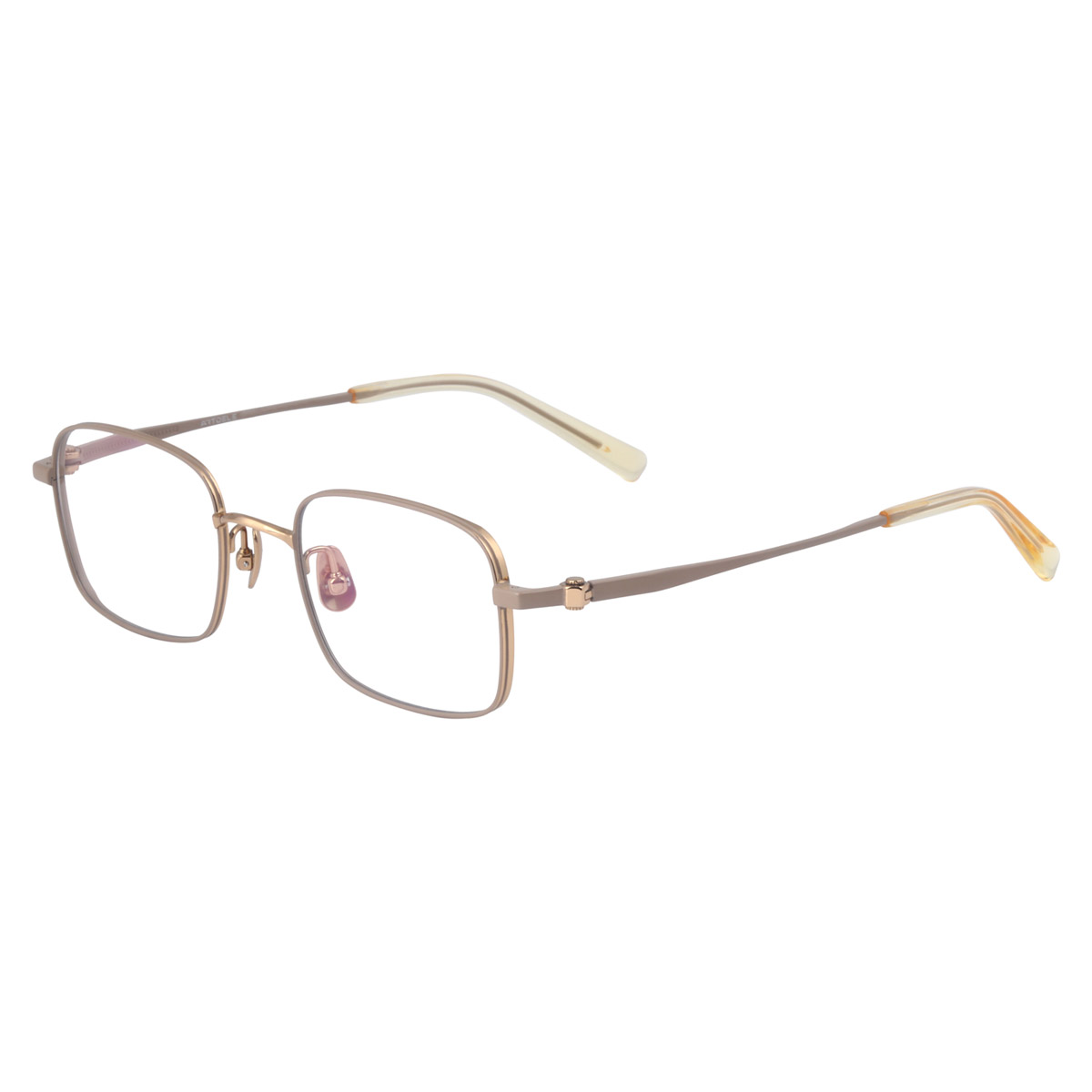
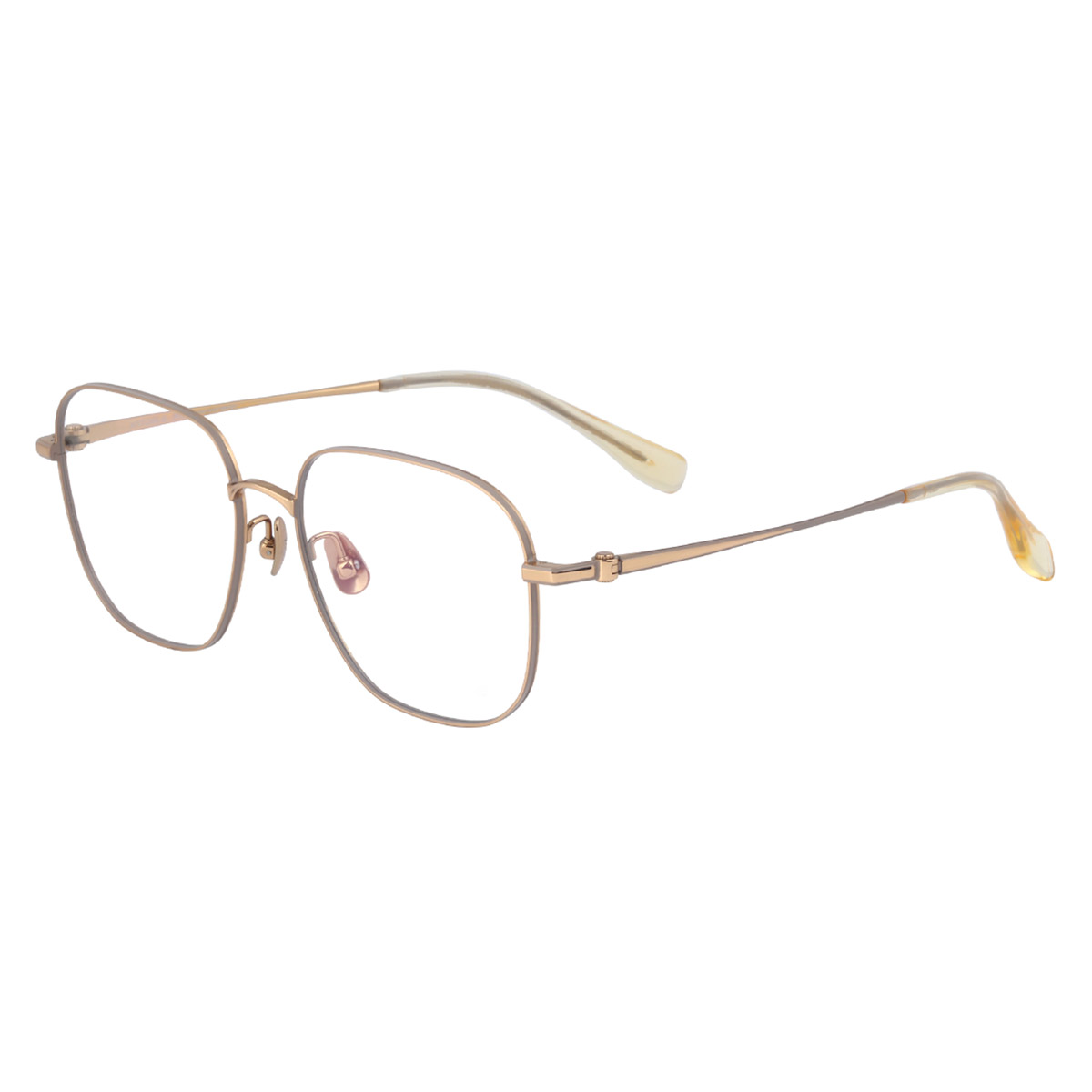
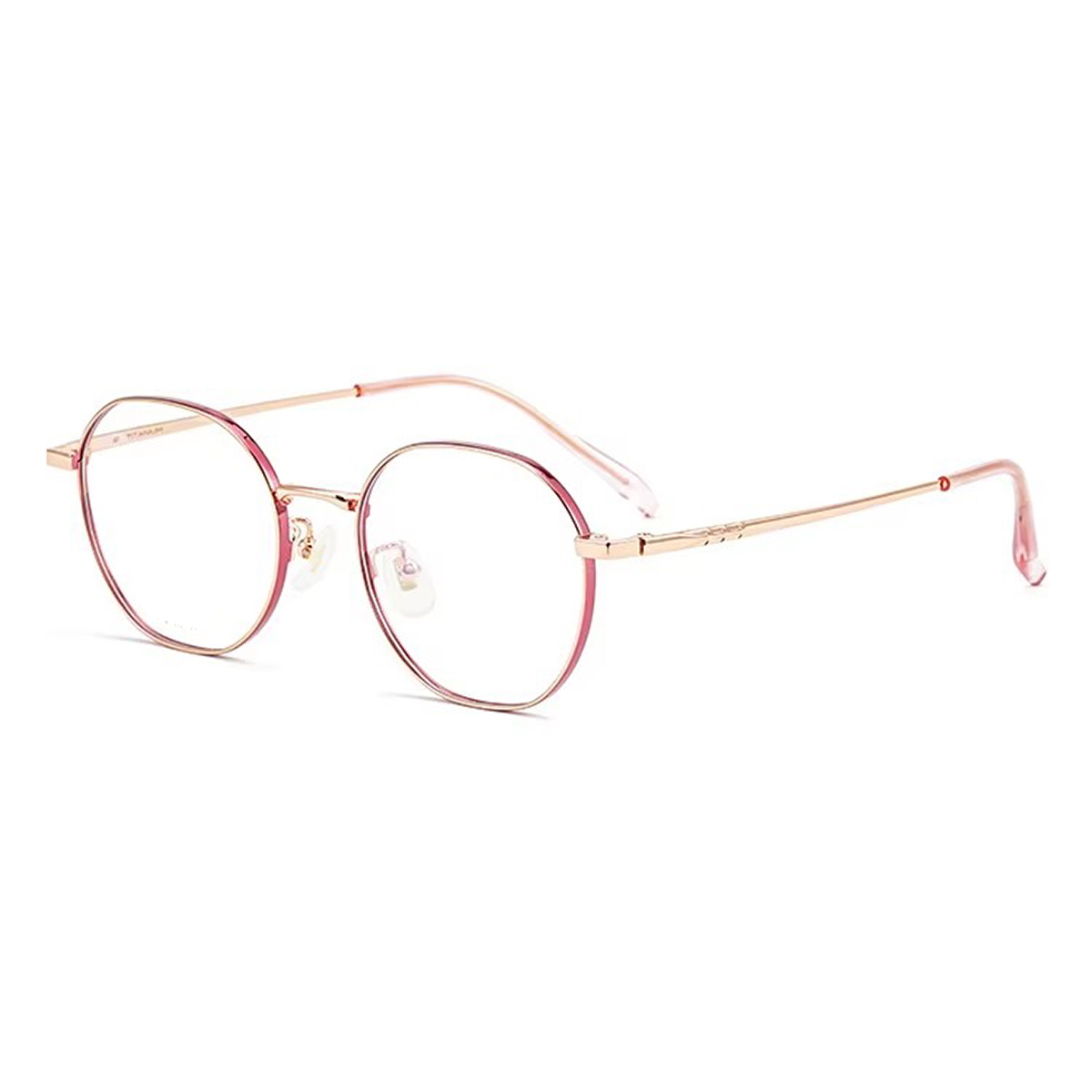
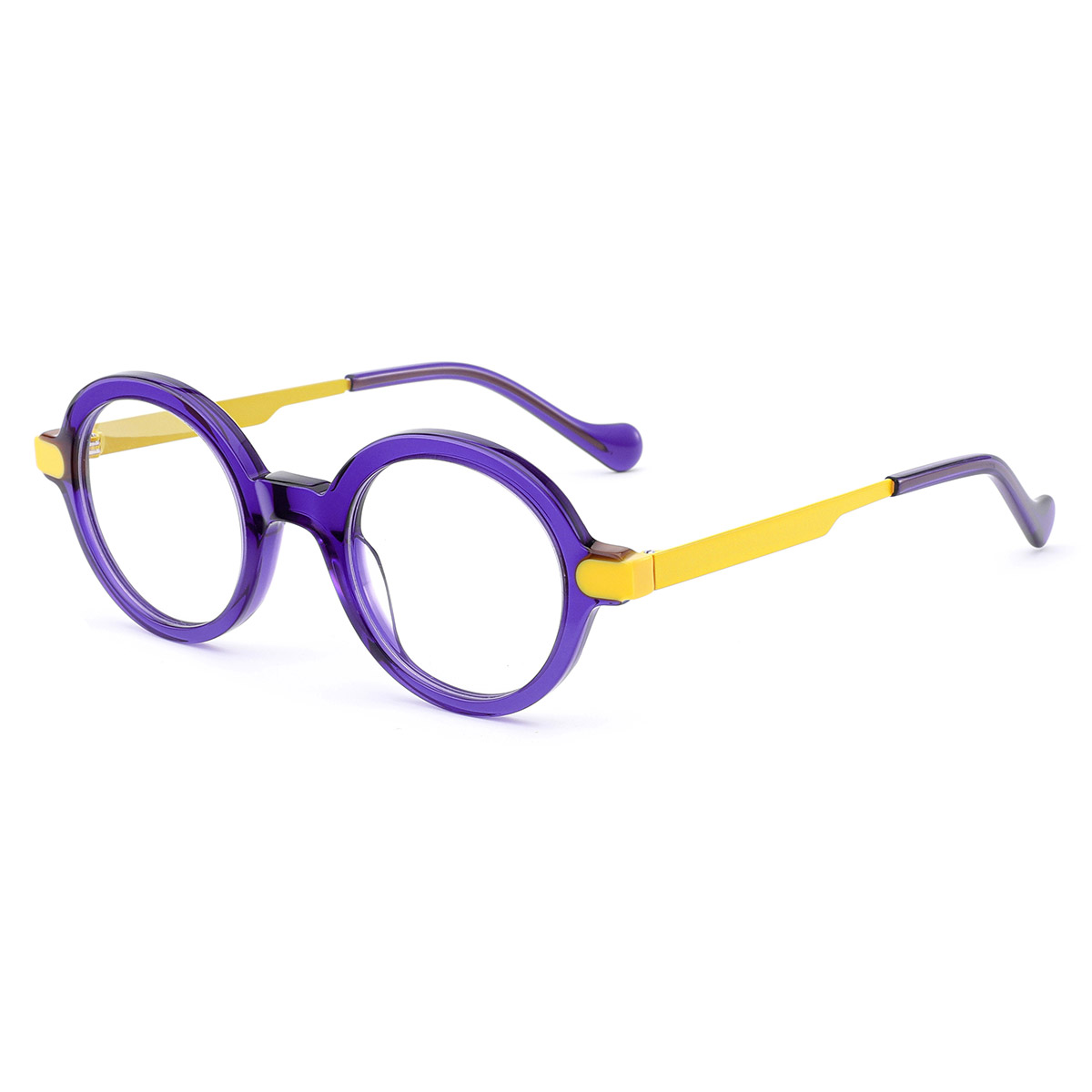
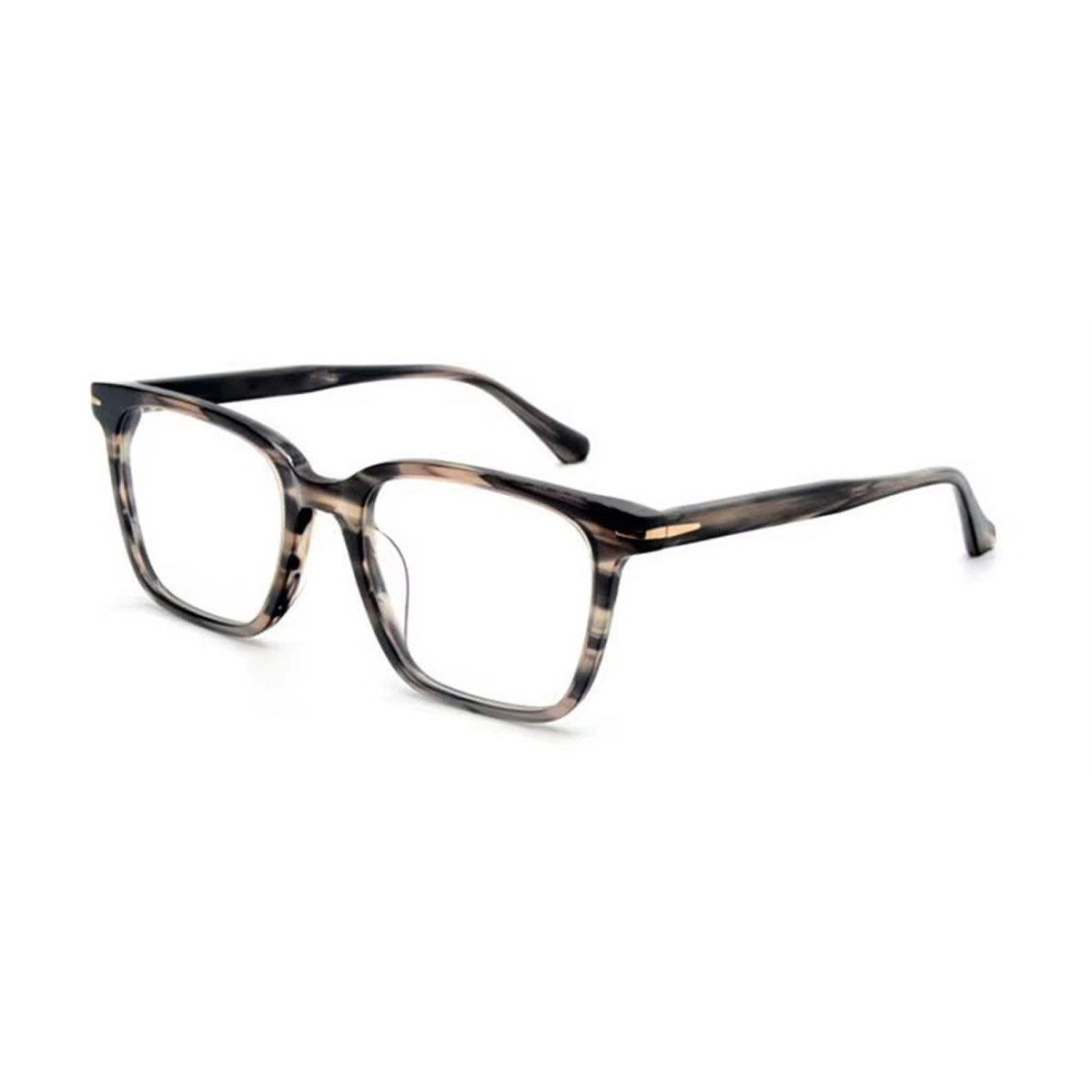
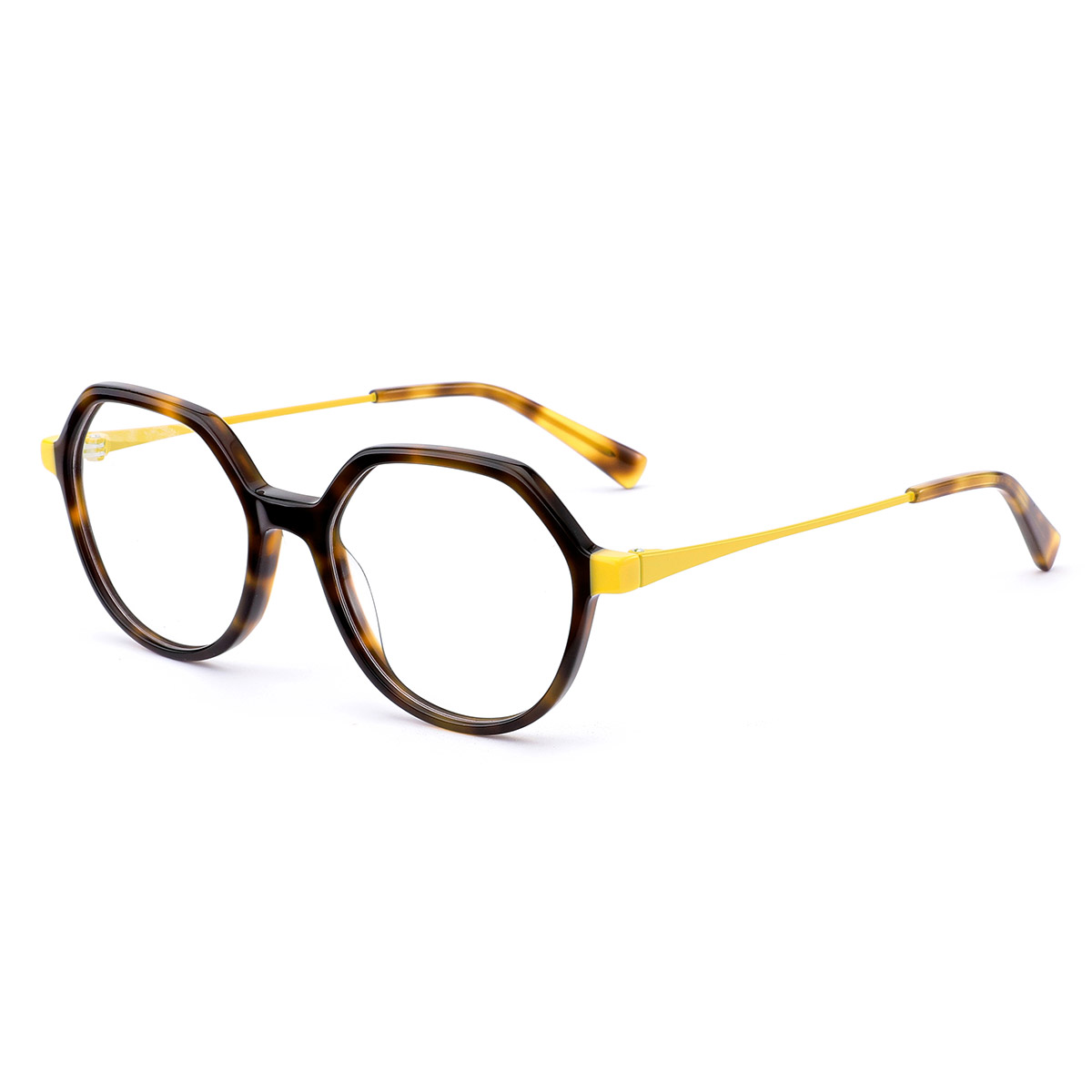
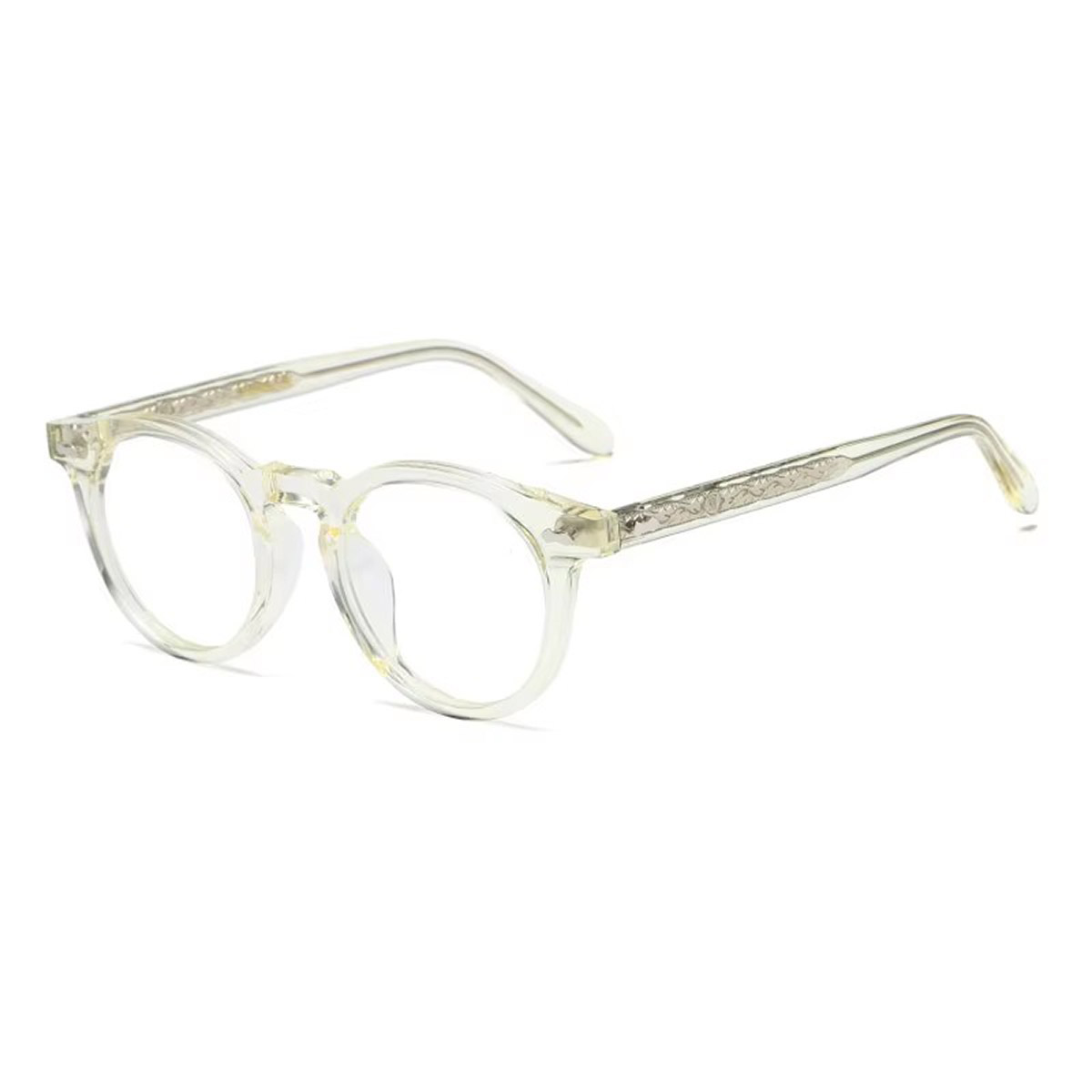
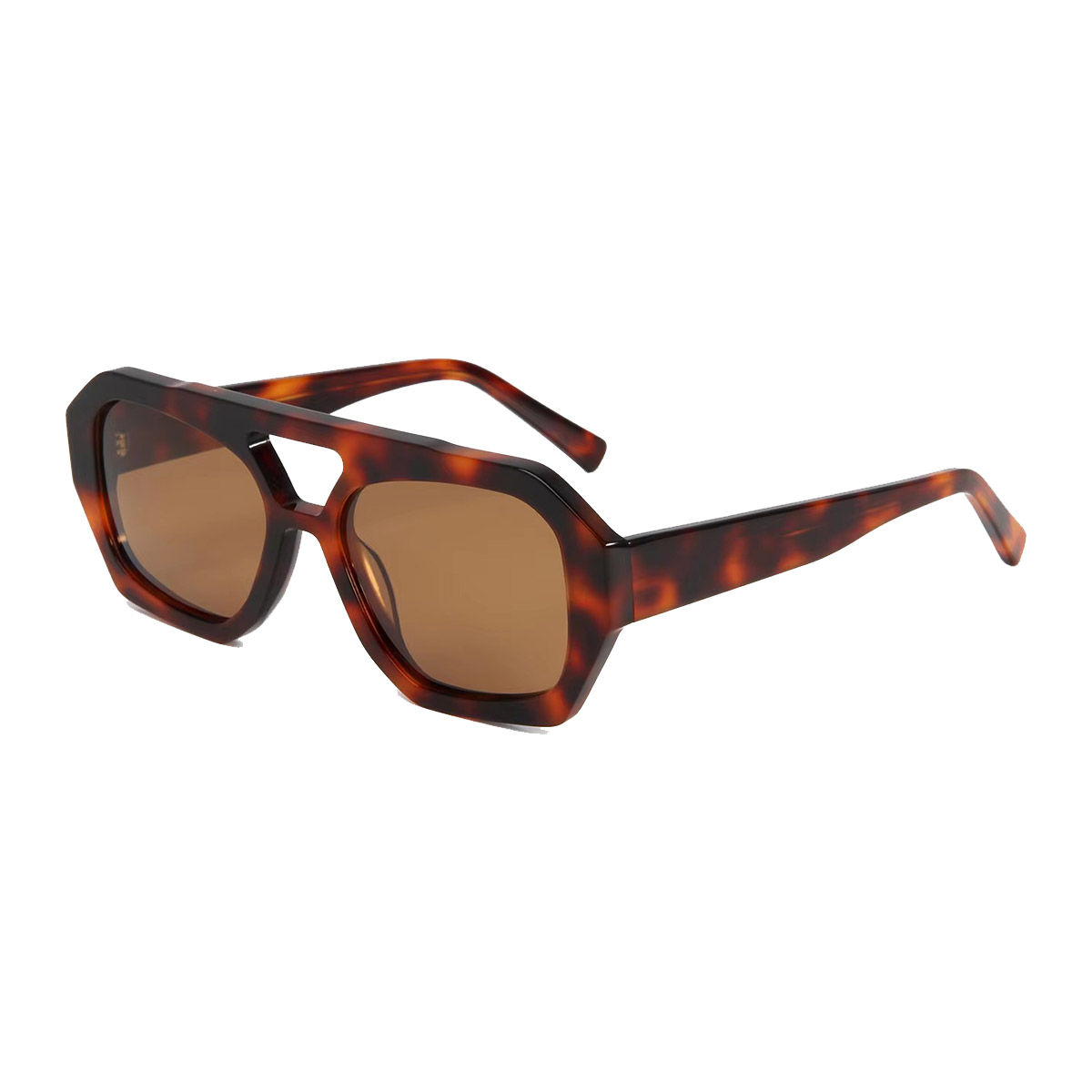
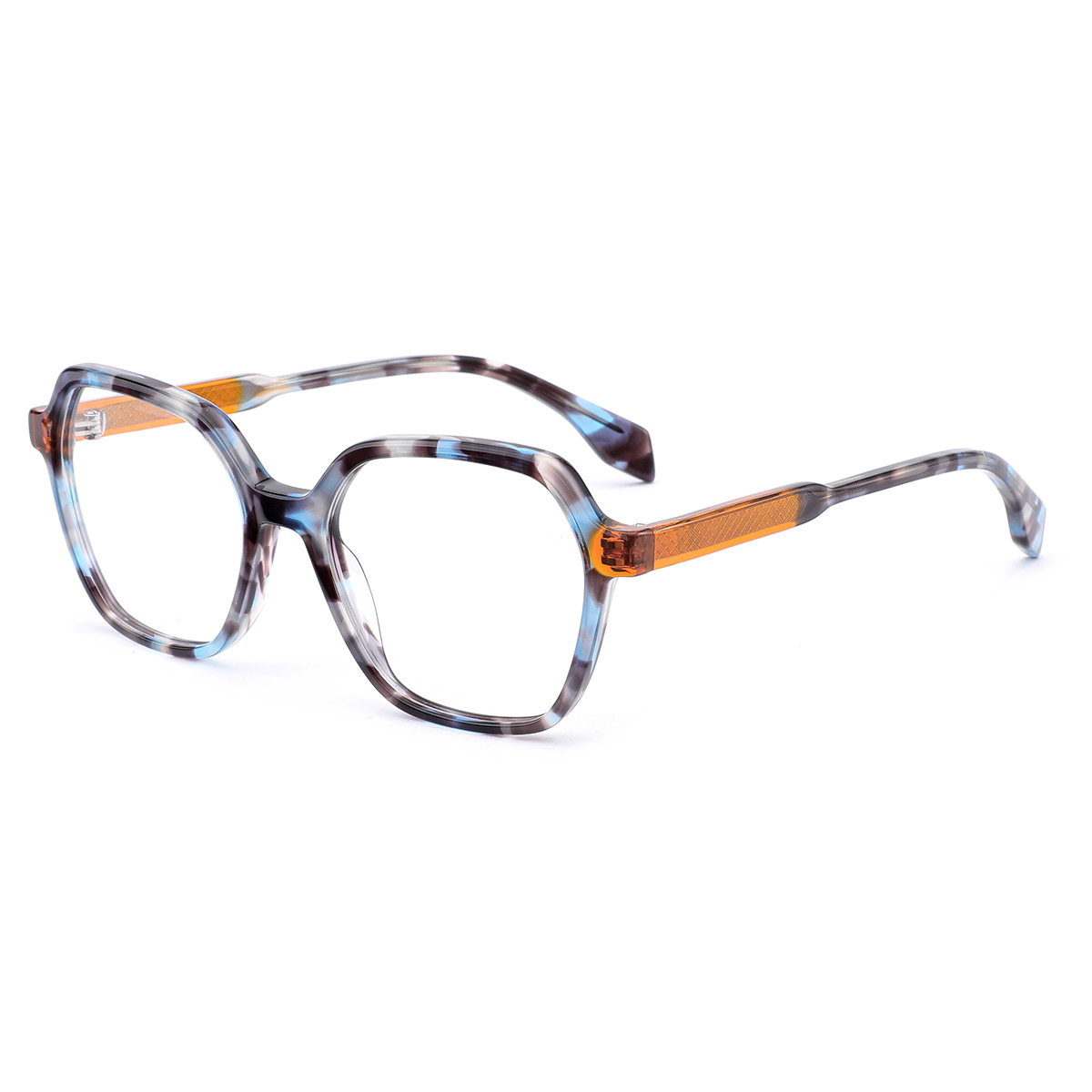
Glasses are made of two main physical components: lenses and frames. Lenses are almost always made from plastic-based materials such as CR-39, polycarbonate, Trivex, or high-index resin, while frames are typically made from cellulose acetate, titanium, stainless steel, TR90, or Ultem. Each material changes the weight, durability, optical quality, cost, and feel of the finished eyewear.
Content
The short answer is that most lenses are made from engineering plastics or resins, while mineral glass plays only a small role in modern eyewear. Plastic is preferred because it is lighter, safer on impact, and easier to tint and coat than glass.
Four plastic materials dominate the lens market, and each serves a different purpose.
Mineral glass lenses are ground and polished from optical glass. They still offer the best optical clarity and scratch resistance of any lens material, but they are about twice as heavy as plastic and can shatter on impact. These drawbacks have pushed glass lenses out of mainstream eyewear; you now find them mainly in precision optical instruments and in prescriptions where the wearer insists on absolute image purity.
| Material | Weight | Impact Resistance | Optical Clarity | Typical Application |
|---|---|---|---|---|
| CR-39 plastic | Medium | Good | Excellent | Everyday prescription glasses |
| Polycarbonate | Light | Outstanding | Good | Kids, sports, safety eyewear |
| Trivex | Light | Outstanding | Excellent | Premium sports glasses |
| High-index resin | Very light | Fair to good | Very good | Strong prescriptions |
| Mineral glass | Heavy | Poor | Superior | Specialist optical instruments |
For sunglasses, most manufacturers use polarized lenses made from TAC, nylon, or polycarbonate to cut reflected glare. Nylon lenses are particularly valued in premium sunwear because they combine light weight, high impact strength, and excellent optical quality in one package.
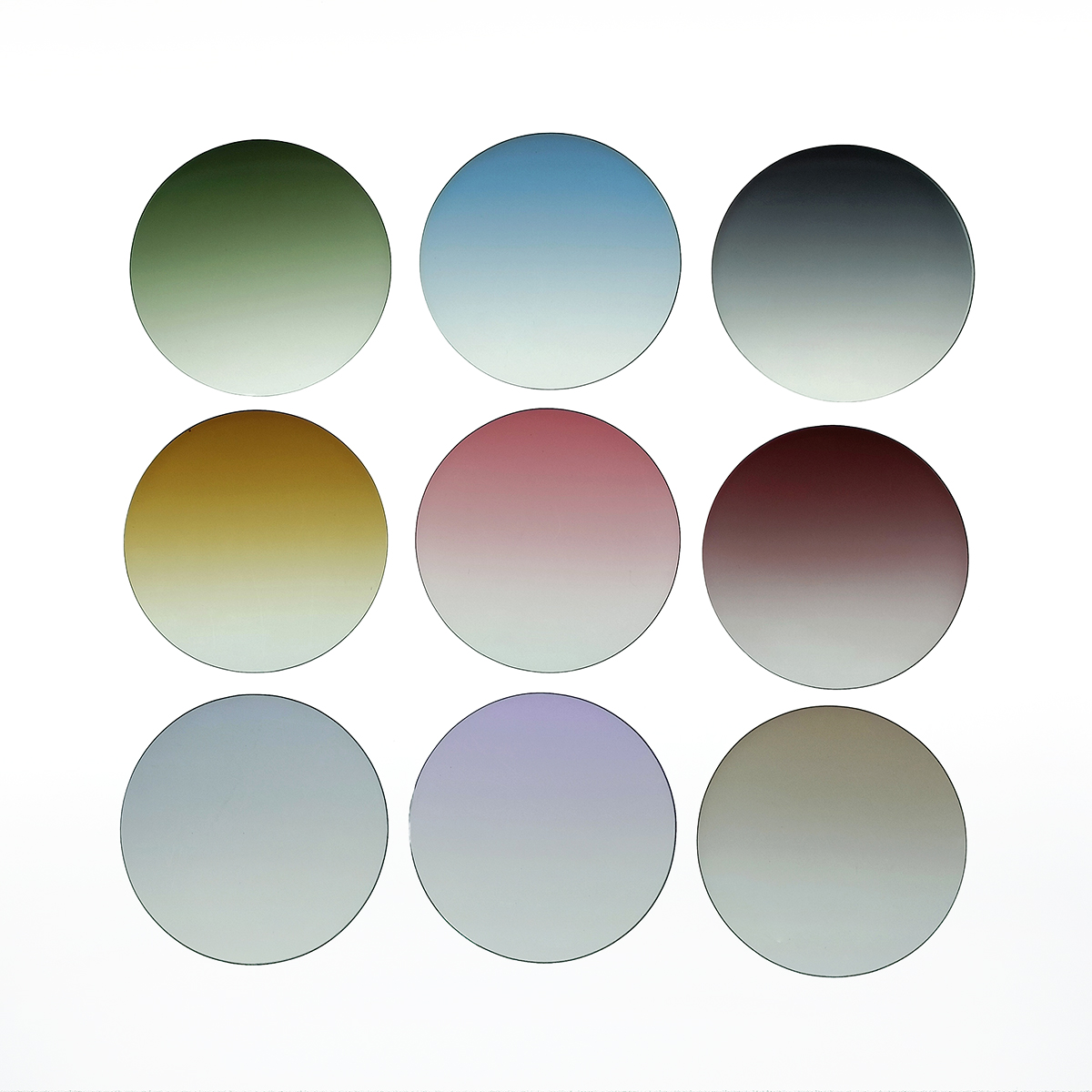 Nylon UV400 Polarized Tinted Lens for Sport and DrivingThis aviation-grade nylon sunglass lens is lightweight and impact-resistant, with polarized filtering and full UV400 protection. It suits outdoor scenes like driving and fishing, offering durable optical performance.View Product →
Whatever lens material you choose, modern anti-reflective and scratch-resistant coatings are applied to the surface to improve durability and reduce reflections. The base material still matters, and picking the right one can make a noticeable difference in how your glasses feel every day. You can also read more about how different sunglasses styles balance material and protection.
Frames are made from three families of material: plastics and polymers, metals, and natural materials. The choice of frame material determines the frame's weight, flexibility, corrosion resistance, and how precisely it holds the lenses in alignment.
Plastic frames dominate the market because they are affordable, lightweight, and available in almost any color or texture.
Metal frames offer a slim profile, long service life, and timeless look. Four metals cover almost the entire market.
If you have sensitive skin or react to nickel, choose pure titanium frames. They are completely metal-allergen-free and resist corrosion from sweat, sea air, and humidity far better than coated alloys.
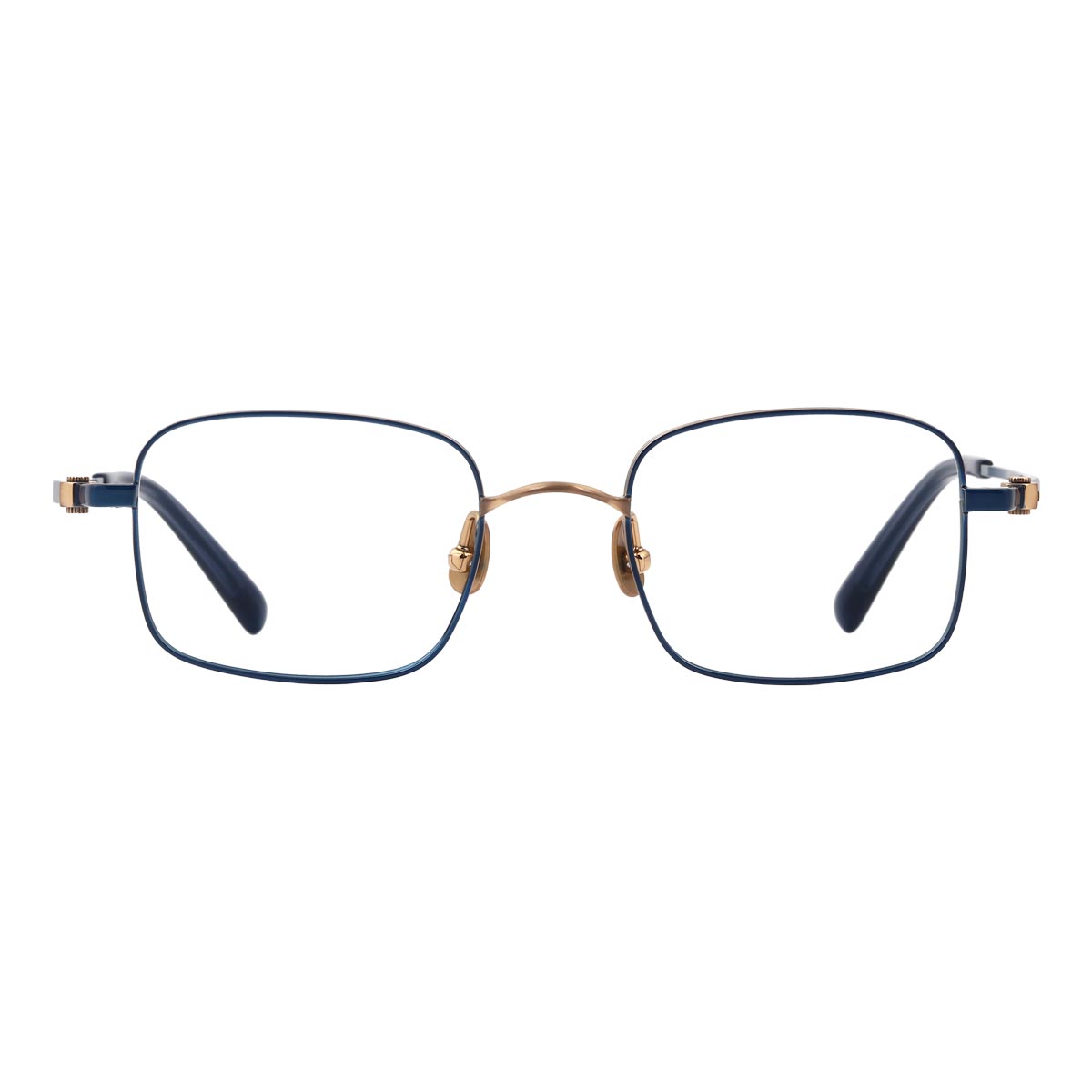 Lightweight Hypoallergenic Pure Titanium Optical FramesMade from aerospace-grade titanium, these frames are corrosion-resistant and allergy-safe for sensitive skin. Their ultra-thin, lightweight design supports long-term wear with various lens types for office use.View Product →
Bamboo, wood, and other plant-based materials are used in eco-friendly eyewear lines. Every pair in a natural material has a unique grain pattern, and the frames are surprisingly light. The trade-off is that wood and bamboo require more care than plastic or metal and are less flexible, so they need a precise fit from the start.
| Material | Weight | Flexibility | Corrosion / Moisture Resistance | Typical Price |
|---|---|---|---|---|
| Acetate | Medium | Moderate | Excellent | Mid to premium |
| TR90 | Light | Very high | Excellent | Mid |
| Ultem | Very light | Moderate | Excellent | Mid to premium |
| Titanium | Very light | High | Excellent | Premium |
| Stainless steel | Medium | Moderate | Good | Budget to mid |
| Monel | Medium | Low | Good | Budget |
| Bamboo / wood | Light | Low | Fair | Mid to premium |
There is no single best material for all wearers. The right combination depends on your prescription strength, daily activities, whether you have skin sensitivities, and how much you want to spend.
If your prescription is higher than roughly +/-4.00 diopters, choose high-index resin lenses to keep the edges thin and the frame lightweight. Pair them with very light frame materials such as pure titanium or Ultem, so the total weight stays balanced.
Polycarbonate or Trivex lenses are the safest options because they absorb impact without shattering. Flexible TR90 frames or titanium frames will survive bends, drops, and rough handling far longer than brittle acetate or Monel.
Nickel allergies are the most common cause of skin irritation from eyewear. Pure titanium, cellulose acetate, and Ultem are all naturally hypoallergenic. Avoid Monel and chrome-plated frames if you have a history of metal allergies.
CR-39 lenses with stainless steel or standard acetate frames give the best optical performance in the entry price range. If you only need sunglasses for glare protection, polarized TAC lenses are the most economical choice, while nylon or polycarbonate lenses add durability at a slightly higher cost.
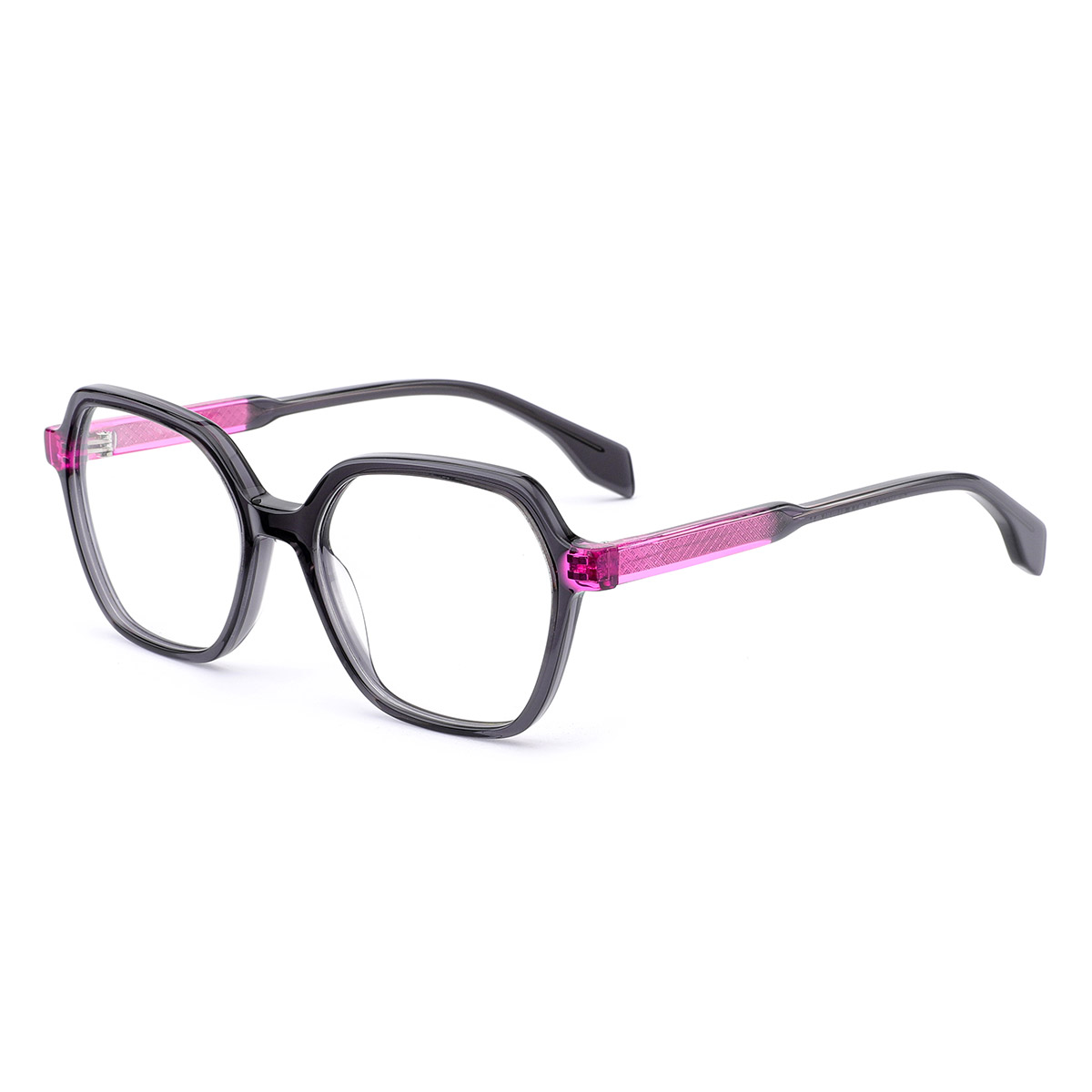 Retro Classic Tortoiseshell Acetate Optical GlassesFeaturing a classic tortoiseshell pattern and hand-polished acetate, these frames combine vintage style with modern precision. They accommodate multiple lens types and offer adjustable nose pads for comfortable vision.View Product →
Glass lenses deliver slightly better optical clarity and scratch resistance, but they are heavy and can fragment on impact. For daily wear, plastic or polycarbonate lenses are safer, lighter, and more comfortable. Glass is only preferable in specialized situations where optical purity outweighs weight and safety risks.
Cellulose acetate is the most common plastic frame material, and stainless steel is the most common metal frame material. Together they cover most mainstream eyewear sold worldwide.
If you want frames that are lightweight, corrosion-proof, and hypoallergenic, titanium is worth it. A titanium frame typically lasts much longer than steel or acetate because it does not corrode from sweat or humidity and it resists metal fatigue well.
Polycarbonate lenses fitted into a flexible TR90 or silicone-covered frame provide the best combination of impact protection, flexibility, and durability for children. Glass lenses and rigid acetate frames are the least suitable because they crack or break under rough handling.
Understanding what glasses are made of comes down to two simple facts: lenses are almost always some form of impact-tolerant plastic, and frames are either a polymer, a metal, or a natural material. Match the lens material to your prescription and lifestyle, and choose the frame material that fits your weight, allergy, and budget requirements. Once you know how each material behaves, you can pick eyeglasses that feel right from the first day and stay reliable for years; the full optical frame and sunglass range is a good starting point for seeing the options in practice.
NEWSLETTER

Copyright © Zhejiang Qiliang Optical Technology Co., Ltd. All Rights Reserved. OEM/ODM Rimless Glasses Frames Manufacturers


 Search
 EN
EN English
 Deutsch
 Français
 Español
 italiano
 cn
cn jp
jp kr
kr