 Search
 EN
EN English
 Deutsch
 Français
 Español
 italiano
 cn
cn jp
jp kr
krYou have probably seen "anti-reflective" or "anti-glare" listed as a lens option and wondered whether they mean the same thing. They do not. Anti-reflective (AR) coating removes reflections bouncing off the lens surface, while anti-glare treatment in the practical sense usually means polarized lenses that block intense reflected light from water, snow, roads, and windshields. Most eyeglass wearers benefit from AR coating, while anyone spending long hours outdoors needs polarized optics. This guide compares both technologies, lists their real trade-offs, and explains how to choose the right coating for your daily life.
Content
- 1 Anti-Reflective vs. Anti-Glare: What Is the Difference?
- 2 How Anti-Reflective Coatings Work
- 3 The Real Benefits: What You Actually Gain
- 4 Who Should Choose Anti-Reflective or Anti-Glare Lenses?
- 5 Disadvantages of Anti-Reflective Lenses and How to Manage Them
- 6 How to Choose a Quality AR Coating
- 7 How to Clean and Care for AR Lenses
- 8 Frequently Asked Questions
Anti-Reflective vs. Anti-Glare: What Is the Difference?
The simplest way to separate the two is by the source of the glare. Anti-reflective coating works on the lens itself: it eliminates the mirror-like reflections that make lenses look shiny and reduce contrast. Anti-glare, as commonly marketed in sunglasses, works on the environment: a polarizing filter blocks horizontally aligned light waves that bounce off flat surfaces.
You can have one without the other, but premium eyewear often combines both. An AR-coated lens that is also polarized gives you a clear, low-reflection view plus strong outdoor glare protection.
| Aspect | Anti-Reflective (AR) Coating | Anti-Glare (Polarized) Lens |
|---|---|---|
| Primary purpose | Eliminates reflections off the lens surface | Blocks blinding glare from reflected sunlight |
| How it works | Multiple thin layers cancel reflected light waves | Polarizing filter absorbs aligned light waves |
| Best for | Daily glasses, screens, night driving, photos | Driving, fishing, skiing, water and snow sports |
| Limitation | Does little to stop sunlight glare | Not suitable for most indoor situations |
If you buy glasses for everyday indoor use, AR coating matters more. If your main complaint is squinting in daylight, polarization solves that problem first, and AR coating is a useful addition rather than the main feature.
How Anti-Reflective Coatings Work
An AR coating works by optical interference. Thin layers of metal oxides are deposited on the lens, and each layer has a thickness chosen to make reflected light waves cancel each other instead of bouncing back to your eye.
A standard coating uses four to seven layers; high-end coatings use ten or more. More layers mean a wider range of wavelengths is neutralized, which reduces the green or purple residual reflection still visible on cheaper lenses. The best multilayer coatings reflect less than 0.5 percent of light at each surface, pushing total transmission above 99 percent, compared with roughly 92 percent for uncoated glass lenses.
Quality does not stop at the anti-reflective stack. A good coating also includes a hard layer to resist scratches and a hydrophobic/oleophobic top coat that repels water and oil. These top layers determine how easy the lenses are to keep clean and how long the coating lasts before it shows wear.
The Real Benefits: What You Actually Gain
The measurable benefits of AR and polarized lenses go beyond aesthetics, although appearance matters more than most users expect.
- Sharper vision: fewer surface reflections mean more light reaches your eye, improving contrast in dim conditions.
- Less digital eye strain: reducing reflected light from screens lowers the squinting and small muscle fatigue around your eyes.
- Safer night driving: AR coating cuts the halos and starbursts caused by oncoming headlights, a common complaint from night drivers.
- Better on camera: without AR coating, your lenses look like solid white discs in photos and video calls. AR coating keeps your eyes visible.
- Outdoor comfort: polarized lenses eliminate the harsh sheen on water, wet pavement, and snow while enhancing color contrast.
- UV protection: quality AR and polarized lenses come with UV400 blocking, protecting the cornea and lens from cumulative damage.
For night driving in particular, choosing a lens with both AR and polarization is the single best upgrade you can make to a pair of driving glasses. A dedicated polarized night-driving lens reduces the intense headlight glare of oncoming traffic while keeping road details distinct.
 Polarized TAC Night Driving Lens for Glare ReductionThis all-weather driving lens uses TAC polarization to filter headlight glare and enhance night vision, with UV400 protection and high light transmittance for safer nighttime commutes.View Product →
Who Should Choose Anti-Reflective or Anti-Glare Lenses?
If you wear corrective lenses every day, AR coating is worth the upgrade for most prescriptions. Polarization is more situational but essential for specific outdoor activities.
- Night drivers: AR coating reduces halos from headlights and streetlights.
- Office and computer users: less reflected light means less eye fatigue during long screen sessions.
- Students and heavy readers: high-contrast text is easier to read with reduced reflection.
- Outdoor athletes: cyclists, anglers, skiers, and sailors gain the most from polarized lenses with an AR backing.
- Photographers and videographers: AR-coated lenses keep your eyes visible and avoid distracting reflections in portraits.
- Public speakers and frequent video callers: the same reflection problem affects on-camera presentations.
For outdoor use, pairing a polarized lens with anti-reflective backing gives you the clearest view in changing light. A well-built titanium frame keeps the weight low enough for all-day wear, and the AR treatment on the lens back prevents sunlight from reflecting off the rear surface into your eye.
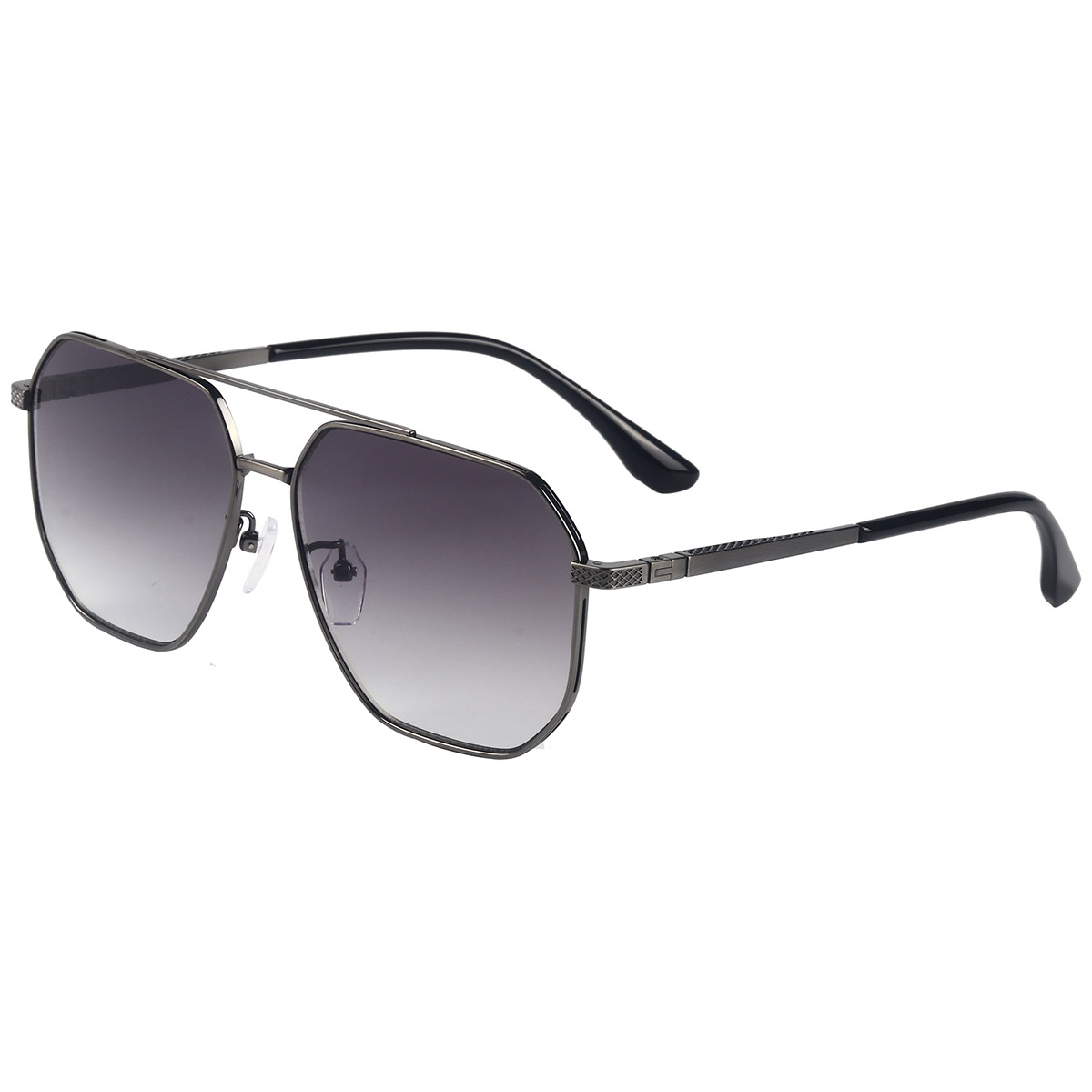 Anti-Reflective Pure Titanium Sunglasses with UV ProtectionThese lightweight titanium sunglasses feature multi-layer anti-reflective coatings for clear vision, block UVA/UVB rays, and suit urban commuting or long-distance driving with a stylish design.View Product →
If you are still deciding between tinted, photochromic, or polarized options, our guide to sunglasses for fashion and eye protection walks through the practical differences.
Disadvantages of Anti-Reflective Lenses and How to Manage Them
The trade-offs of AR coatings are real: smudges, visible scratches, higher cost, and a coating that can wear off over time. None of them are deal breakers if you know what to expect.
- Smudges and fingerprints show faster. The oleophobic top coat reduces this, but no coating repels oil completely. A microfiber cloth is your daily companion.
- Scratches are more visible. Because AR-coated lenses transmit more light, a scratch stands out against the dark, reflection-free background. A hard coat helps but does not make lenses unscratchable.
- Higher upfront cost. A quality AR coating adds a meaningful amount to the price of lenses, especially with a premium hydrophobic top coat.
- The coating can peel or wear off. Over two or three years, some coatings develop fine crazing or peeling at the edges, particularly when exposed to heat. Factory-applied multilayer coatings from a reputable supplier hold up better.
- Cleaning requires more care. Dry wiping with a rough cloth can damage the coating faster than years of normal wear.
These downsides explain why cheap AR coatings are often a false economy. A low-cost coating may lack the hard coat and hydrophobic layer, so it scratches and smudges quickly and must be replaced sooner.
How to Choose a Quality AR Coating
Coating quality varies more than the lens price suggests. You can protect yourself by checking a few specific details before you order.
- Layer count: ask whether the coating has at least seven layers; premium products have ten or more.
- Hydrophobic and oleophobic top coats: water and oil should bead up and wipe off easily.
- Hard coating: the AR stack should sit under a scratch-resistant layer, not on top of bare lens material.
- UV400 rating: confirm the lens blocks 100 percent of UVA and UVB radiation.
- Warranty: coating defects like peeling should be covered for at least one year, ideally two.
- Manufacturer reputation: eyewear manufacturers that specify their coating materials and processes are more reliable than vague retail labels.
If you source lenses from an OEM supplier, the technical data sheet should state the number of layers, the materials used, and the contact angle of the hydrophobic coating. A lens that combines AR coating, polarization, and a high-transmission base material is the most versatile choice for both indoor and outdoor wear.
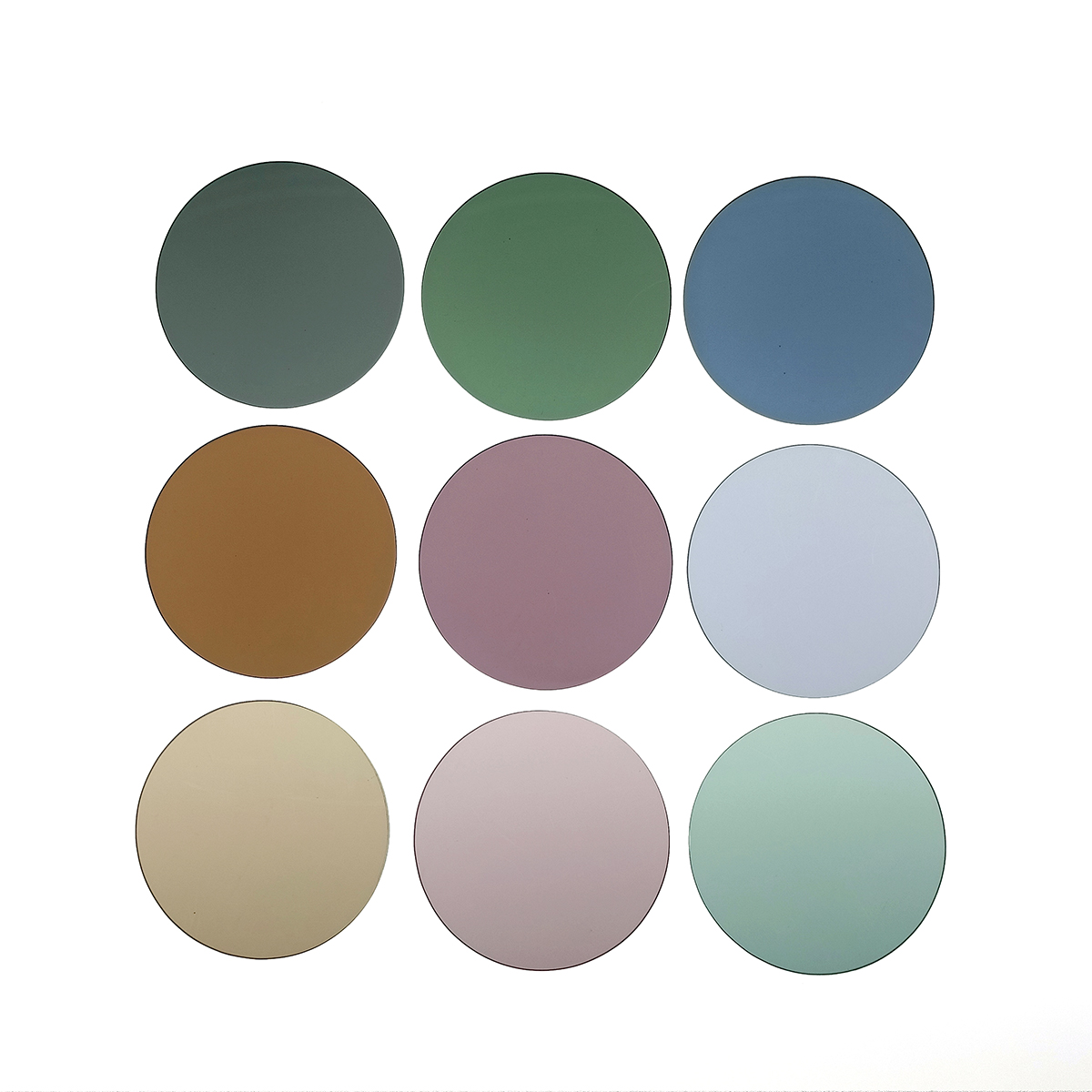 Nylon High-Transmittance Polarized Anti-Reflective Sun LensThis lightweight nylon polarized lens achieves 92% visible light transmittance and multi-layer anti-reflective coating, offering distortion-free contrast and impact resistance for demanding outdoor use.View Product →
How to Clean and Care for AR Lenses
How you clean AR-coated lenses matters more than how often. With the right steps, a good coating can last several years without visible degradation.
- Rinse both lenses under lukewarm running water to wash away dust and grit.
- Apply a drop of pH-neutral dish soap to your fingertips and rub gently over each lens.
- Rinse thoroughly until the soap film is gone.
- Dry with a clean microfiber cloth using light, circular strokes.
What not to do:
- Never dry-wipe lenses with a shirt, paper towel, or tissue; embedded dust will scratch the coating.
- Avoid alcohol, ammonia, and window cleaners; they can strip the top coat over time.
- Avoid hot water and leaving glasses in a hot car; heat accelerates coating delamination.
- Stay away from ultrasonic cleaners; they can vibrate the coating off cheaper lenses.
Frequently Asked Questions
Is anti-reflective coating the same as anti-glare?
Not exactly. Anti-reflective coating reduces reflections from the lens surface; anti-glare generally refers to polarized lenses that block external bright reflections. They complement each other, and many high-end lenses include both.
Can anti-reflective coating be added to existing lenses?
Yes, an optical lab can apply AR coating to uncoated lenses, but the result depends on the lens material and age. Coating a lens that already has a damaged or incompatible coating is not recommended. It is usually simpler and safer to order AR coating when you buy new lenses.
Do anti-glare lenses help with night driving?
AR coating reduces halos and ghosting from oncoming headlights, and polarized night-driving lenses cut the hard glare off wet roads. Combined, they noticeably improve comfort and perceived clarity at night.
Are anti-reflective lenses worth it for reading glasses?
Yes. Close-up work involves frequent small eye movements between text, and surface reflections reduce contrast exactly where your eyes must focus. If you are comparing options, our reading glasses guide explains what to look for in lens coatings.
Does an AR coating block blue light?
Not inherently. AR coating controls reflections but does not selectively filter blue wavelengths. If blue-light protection is a priority, choose a lens with a dedicated blue-light filter layer and treat AR as a separate benefit.