 Search
 EN
EN English
 Deutsch
 Français
 Español
 italiano
 cn
cn jp
jp kr
krShort answer: yes, you can fix slightly crooked glasses at home in 10 to 15 minutes with your hands, a small screwdriver, and gentle heat, provided the frame is not cracked or severely bent. Crooked glasses are rarely a structural failure; they are usually a geometry problem: one temple arm has bowed outward, a nose pad has shifted, or a hinge screw has loosened. The right method depends on your frame material, so the first step is always careful diagnosis instead of blind bending.
Content
- 1 Step 1: Diagnose the Misalignment First
- 2 Tools You Need (and What You Can Skip)
- 3 Fixing Crooked Metal Frames
- 4 Fixing Crooked Plastic and Acetate Frames
- 5 Metal vs. Plastic: Which Is Easier to Adjust?
- 6 When to Stop DIY and See a Professional
- 7 Preventing Crooked Glasses in Daily Use
- 8 Frequently Asked Questions
Step 1: Diagnose the Misalignment First
Most crooked glasses can be traced to one of three points: the temple arms, the nose pads, or the hinge screws. Identifying the exact source before you touch the frame cuts the risk of over-correcting roughly in half.
- Place the glasses on a flat, level surface with the hinges facing up. If the frame rocks or one temple tip does not touch the surface, the arms are uneven.
- Put the glasses on and look straight into a mirror. If one lens rides higher than the other, the pressure point is usually on the temple or the nose pad of the higher side.
- Compare the distance from each lens to your eye. A smaller gap on one side means that temple is bent inward or that the nose pad sits too far forward.
- Check both hinge screws for visible protrusion or play. A loose screw makes the whole frame skew even when the arms are perfectly straight.
Tools You Need (and What You Can Skip)
Four household items cover nearly every home adjustment: a small Phillips screwdriver, needle-nose pliers, a microfiber cloth, and a heat source such as warm water at 60 to 70 °C or a hair dryer on low heat. You do not need a dedicated eyewear repair kit.
| Tool | What it is used for | Safe on |
|---|---|---|
| Small Phillips screwdriver | Tightening loose hinge screws | All frames |
| Needle-nose pliers | Bending metal temples and nose-pad arms | Metal and titanium frames |
| Microfiber cloth | Padding plier jaws; protecting lenses from scratches | All frames |
| Warm water or hair dryer | Softening acetate and plastic before bending | Plastic and acetate frames |
Fixing Crooked Metal Frames
Metal frames respond best to cold, incremental bending at the temple and nose-pad arms; apply force in several small steps, never one hard twist, to avoid snapping a solder joint.
Adjust the Temple Arms
Using pliers padded with a microfiber cloth, bend the arm on the problem side in the opposite direction of the tilt. If the right side of the frame sits high, bend the right temple down by about 3 to 5 degrees, or bend the left temple up by the same amount, then re-test on a flat surface. A small change of a few degrees is enough; one large bend will over-correct and create a new imbalance.
Adjust the Nose Pads
Metal nose pads sit on small arms that you can rotate with clean fingertips or pliers. Push a pad toward the lens to raise that side of the frame; pull it away from the lens to lower that side. One to two millimetres of movement is usually enough to level the frame on your face.
Tighten the Hinge Screws
A loose hinge is the easiest fix of all. Turn each hinge screw clockwise with a small Phillips screwdriver until you meet gentle resistance, and stop there. Forcing the screw further can strip the thread or crack the hinge barrel, which turns a five-second repair into a frame replacement.
High-memory metals such as pure titanium tolerate repeated bending without fatigue, which is why they are the first choice for frames that must hold their alignment under daily stress.
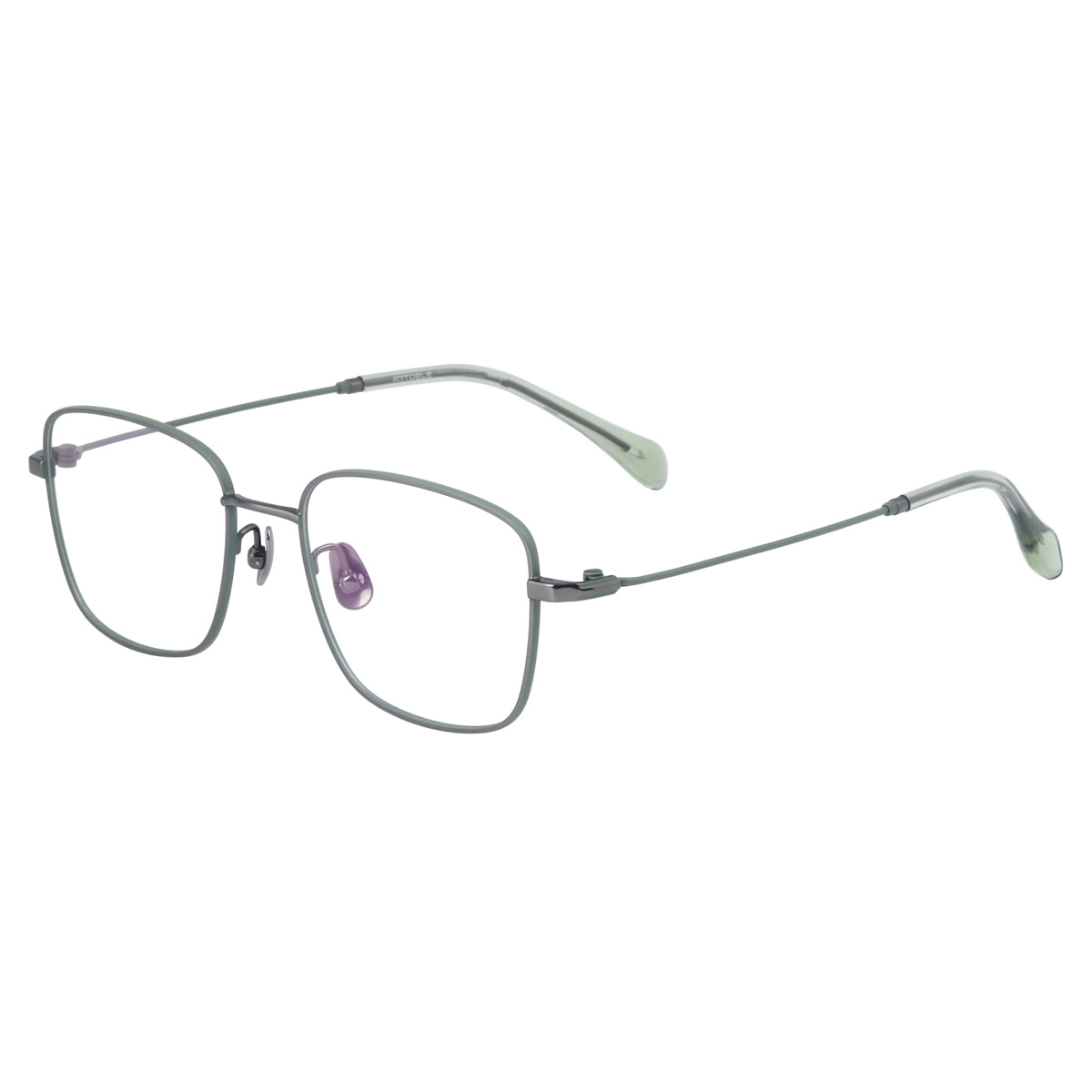
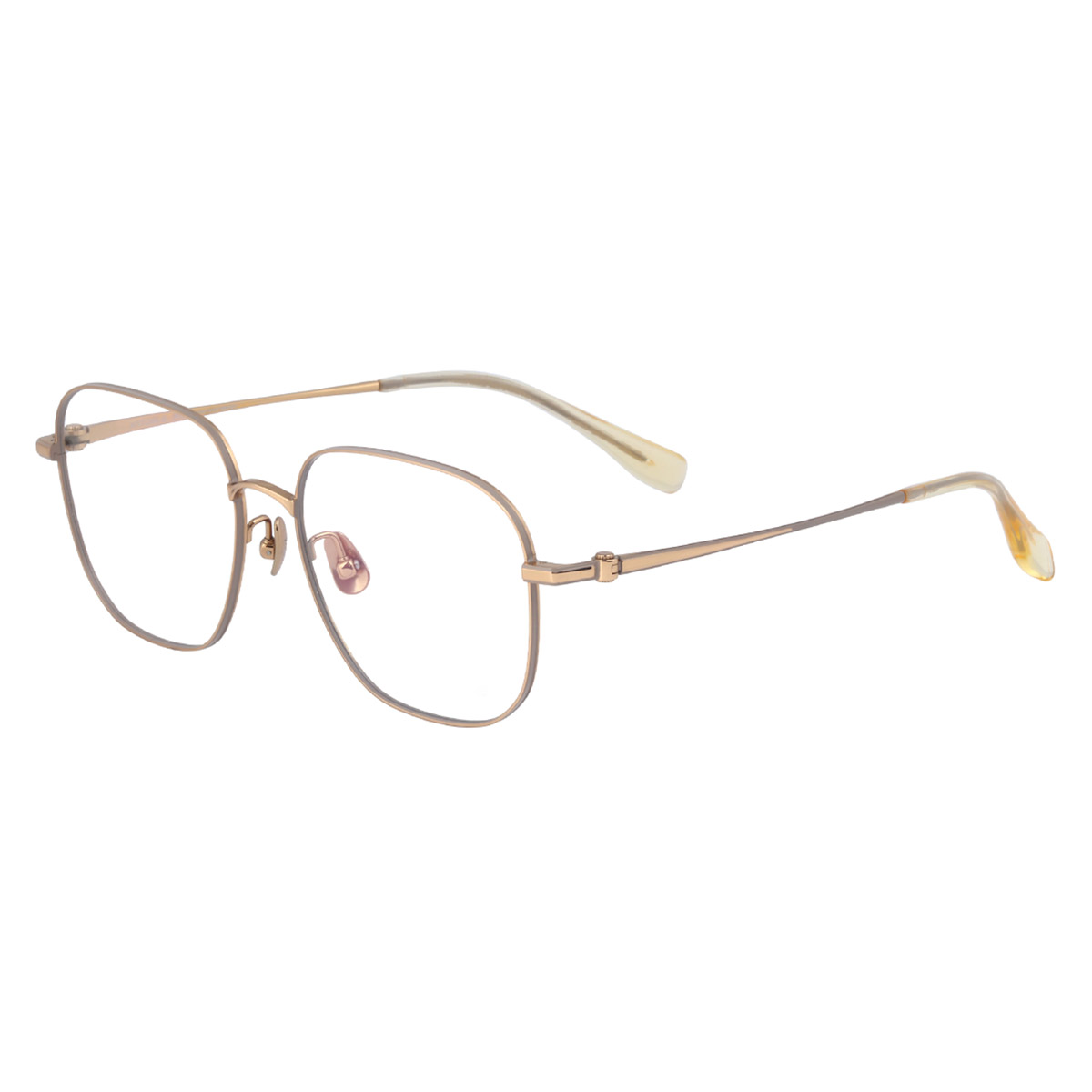
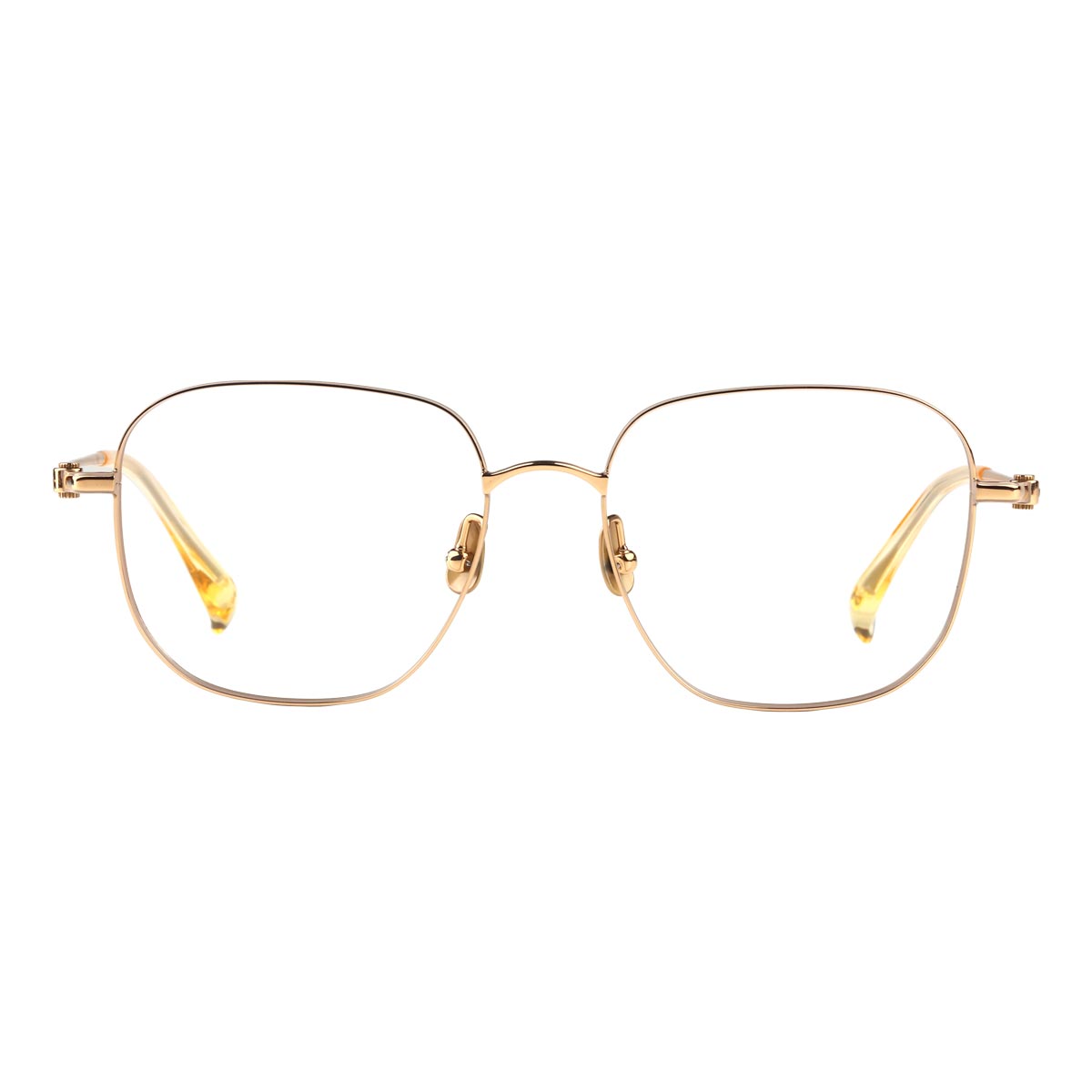 Memory Rebound Beta-Titanium Optical Glasses for High PrescriptionsThis beta-titanium frame uses memory rebound technology for flexible, durable wear. It is highlighted here because its high-memory metal construction directly supports the paragraph on metallic frames resisting bending fatigue.View Product →
Fixing Crooked Plastic and Acetate Frames
Plastic and acetate frames must be heated before bending; cold force will crack the material at the hinge or the bridge, and that is not a repairable home fix.
- Heat water to 60 to 70 °C, or use a hair dryer on the low setting held about 15 cm from the frame.
- Warm only the section you need to adjust, typically the temple arm or the bridge, for 30 to 60 seconds until the material feels slightly springy.
- Remove the frame, dry it quickly, and bend the warm section with both thumbs while supporting the opposite side with your fingers.
- Hold the new shape for 20 to 30 seconds under cool running water so the material sets.
- Re-test on a flat surface and repeat in small increments. Never heat the lenses, and never boil the frame; water above 80 °C will warp the whole frame.
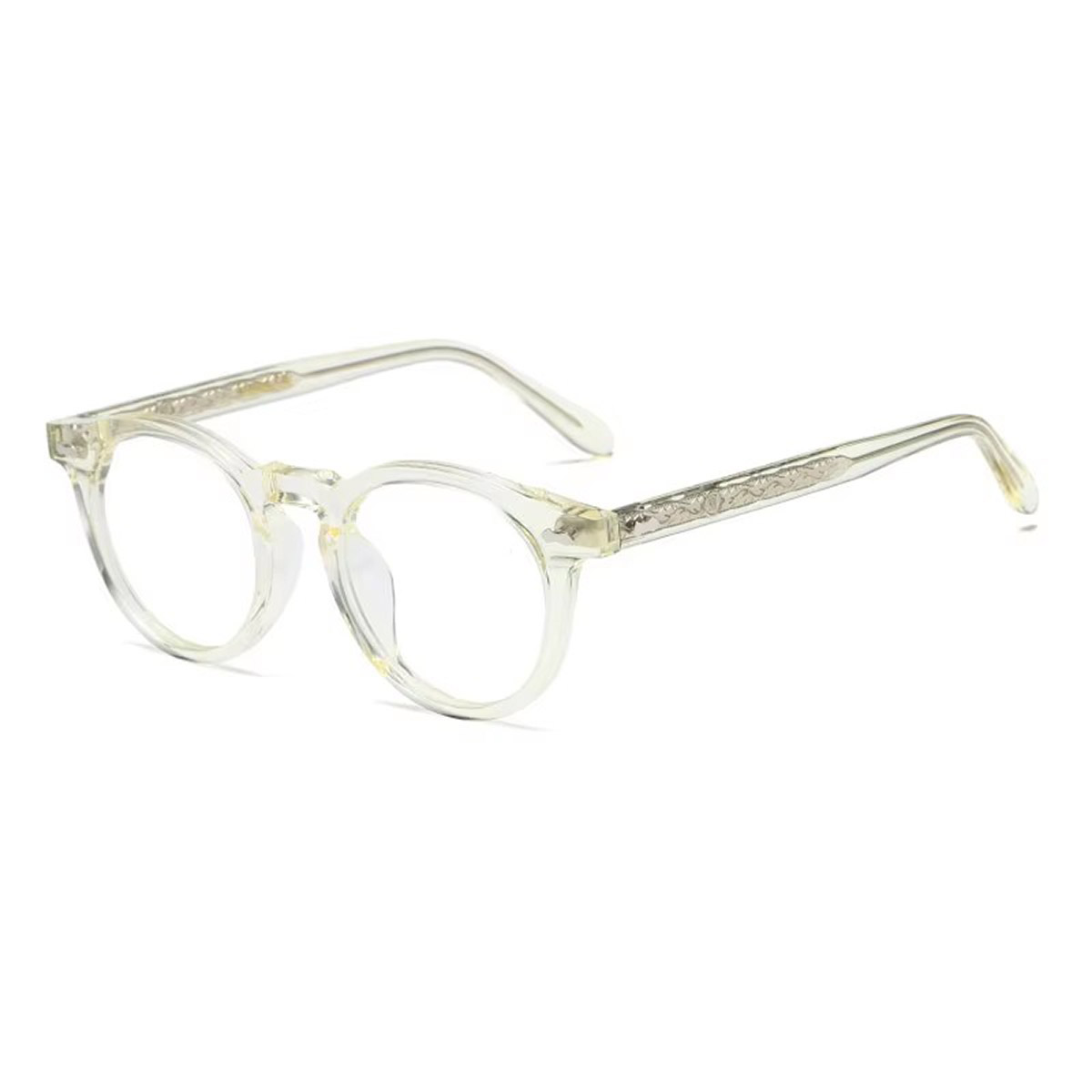
Quality acetate with a properly cured cellulose formulation responds predictably to heat and holds its adjusted shape for a long time, while low-grade plastic tends to relax back into the old crooked position within days.
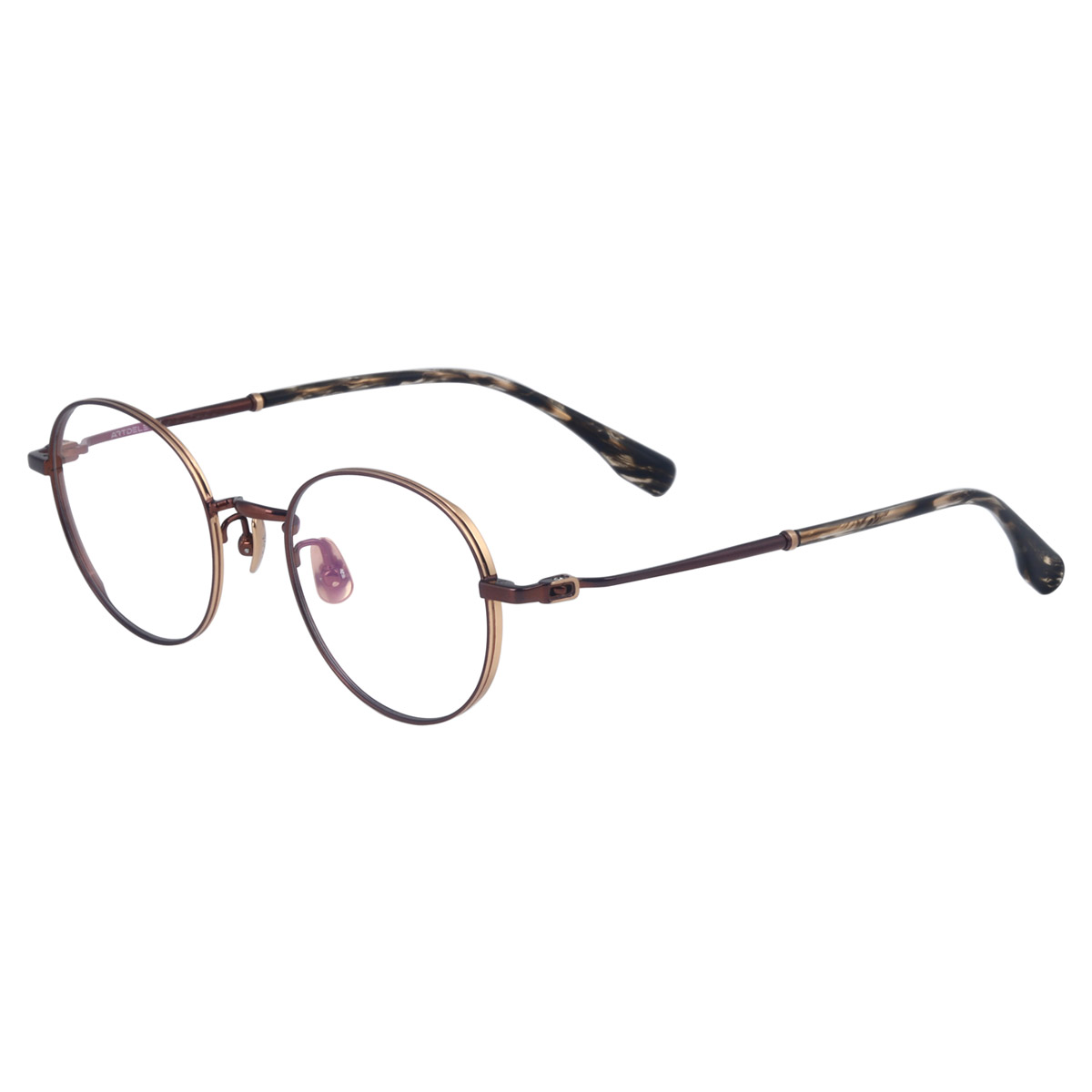
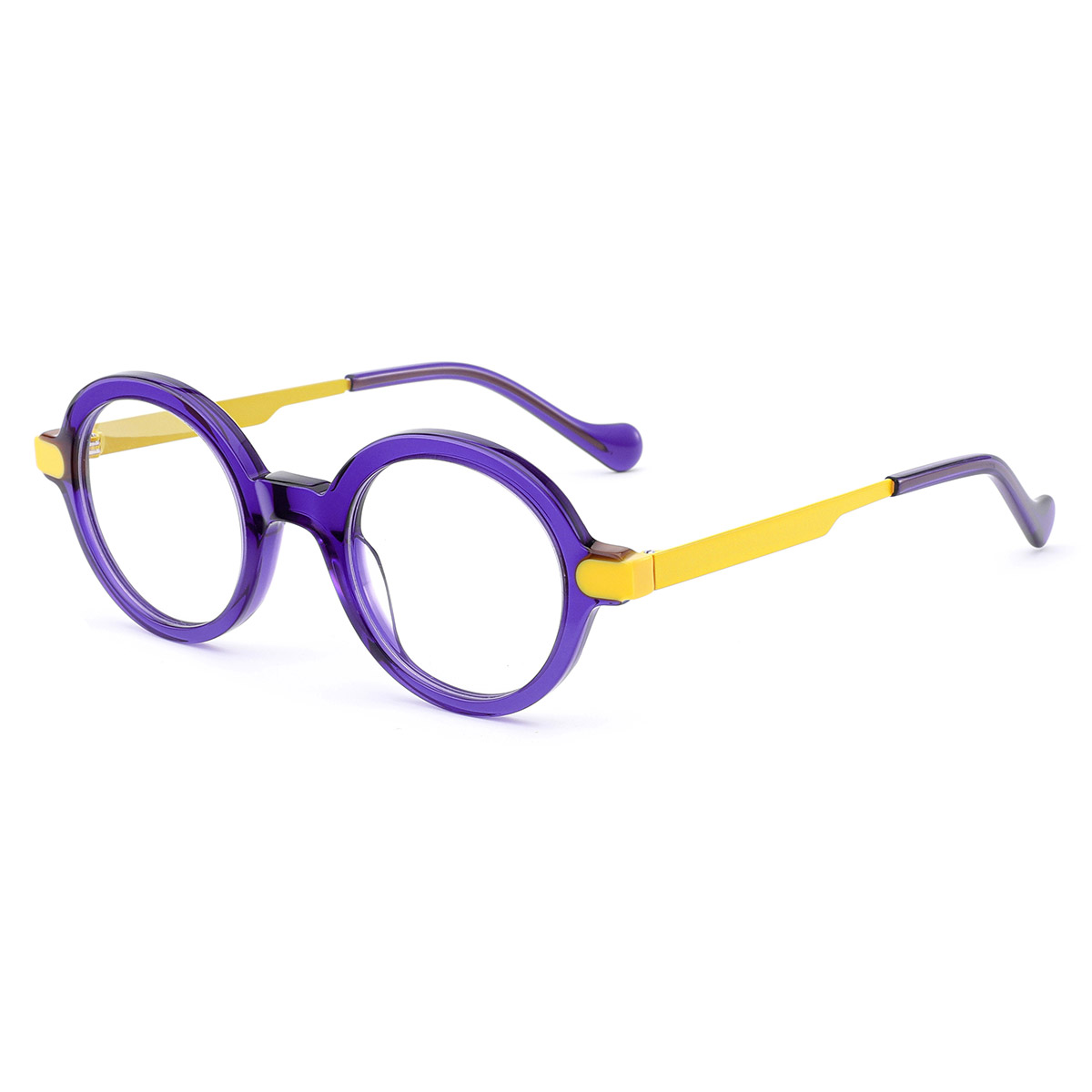
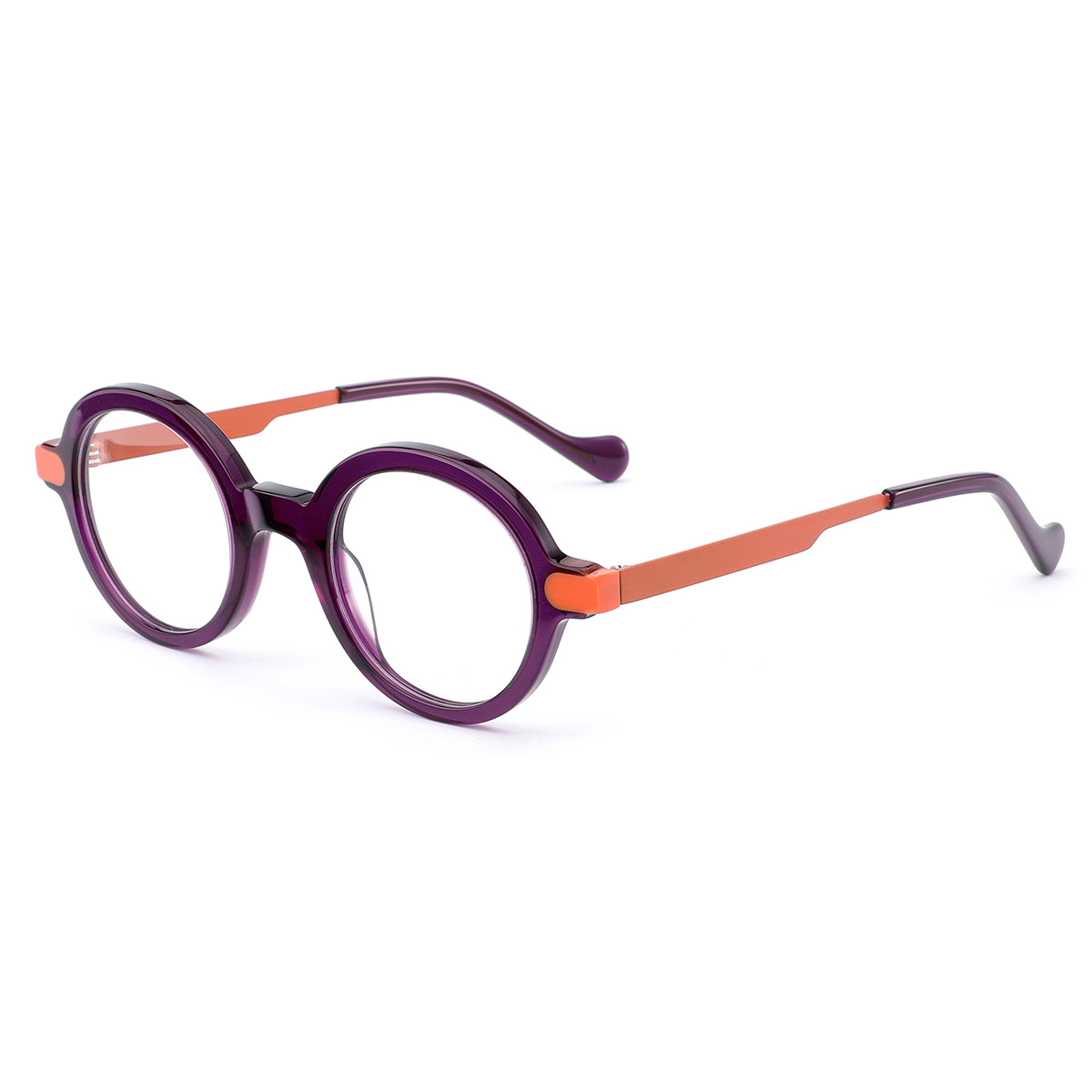 Retro Round Frame Acetate Optical Glasses with Handcrafted FinishFeaturing high-quality acetate fiber and hand-polished details, this round frame suits those wanting a literary retro look. It appears here to illustrate how properly cured acetate holds adjustments, complementing the discussion on acetate frame behavior.View Product →
Metal vs. Plastic: Which Is Easier to Adjust?
Metal frames allow tighter, repeatable adjustments with pliers, while plastic frames need heat and leave a smaller margin for error, so plastic is actually the riskier DIY job if you are not comfortable working carefully.
| Factor | Metal frames | Plastic / acetate frames |
|---|---|---|
| Heat required | No | Yes, 60 to 70 °C |
| Main tool | Pliers and screwdriver | Hands, heat, and cool water |
| Breakage risk | Low, but solder joints can snap | Moderate; hinges can crack |
| Precision | High, fine increments | Lower, broader reshaping |
| Best for | Temple, nose-pad, and hinge fixes | Temple and bridge reshaping |
When to Stop DIY and See a Professional
Stop adjusting and take the glasses to an optician if the frame is cracked, a hinge is broken, a lens is loose, or your correction does not hold after two or three attempts; continuing at that point causes permanent damage rather than a better fit.
- Rimless and semi-rimless frames: the lens is fixed by tension lines or nylon cord, and a misplaced bend can chip the lens edge.
- High-index or progressive lenses: the optical centre shifts with even tiny frame movements, so professional alignment protects your prescription accuracy.
- Coated or anti-reflective lenses: pliers that slip off the frame can scratch the coating, and no later polish will fully remove the mark.
- Soldered titanium or stainless frames: a sharp bend near a joint can create a stress fracture that fails completely later.
If you bought the glasses recently, many frame warranties cover structural misalignment, so an optician visit is often free and carries zero risk of additional damage.
Preventing Crooked Glasses in Daily Use
Crooked glasses are easier to prevent than to fix, and three habits eliminate most of the damage: two-handed removal, hard-case storage, and keeping frames away from sustained heat above 50 °C.
- Remove glasses with both hands; one-handed removal bends one temple outward over time and produces exactly the asymmetric tilt described in Step 1.
- Store glasses closed in a hard case at night and never leave them lens-down on a hard surface, where the weight of the temples slowly warps the frame.
- Avoid leaving glasses in a hot car or near a heating vent; sustained heat relaxes both plastic memory and metal spring tension.
- Re-tighten hinge screws at the first sign of wobble. A tiny drop of clear nail polish on the cleaned thread acts as a light thread-locker in a pinch.
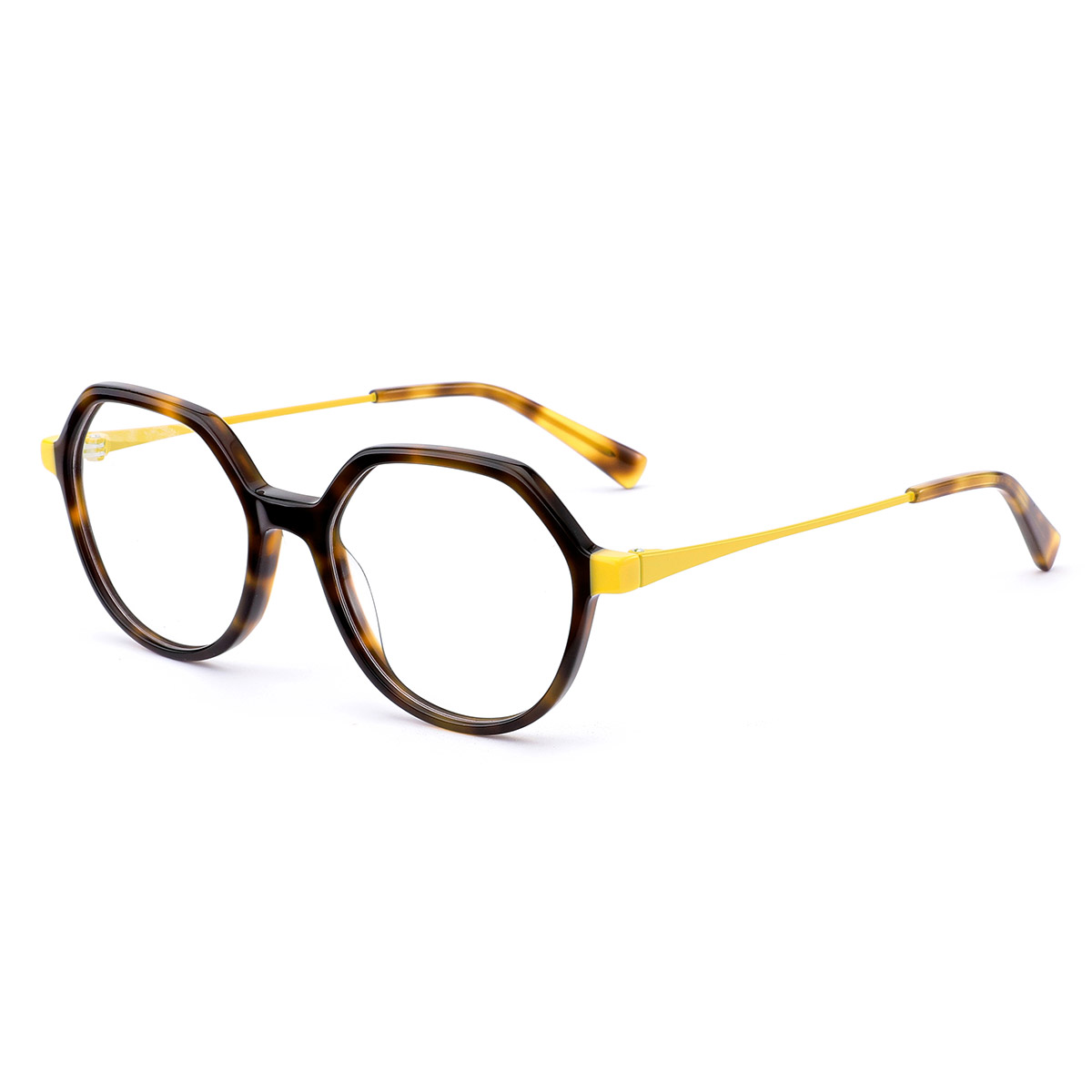
Frame material plays the biggest part in long-term alignment. Hybrid designs that pair a resilient titanium front with acetate temples balance adjustability, low weight, and shape retention, which is why they suit people who wear glasses from morning to night. For a deeper look at how frame materials and fit influence long-term comfort, our reading glasses selection guide walks through the same titanium, acetate, and hybrid choices in practical detail.
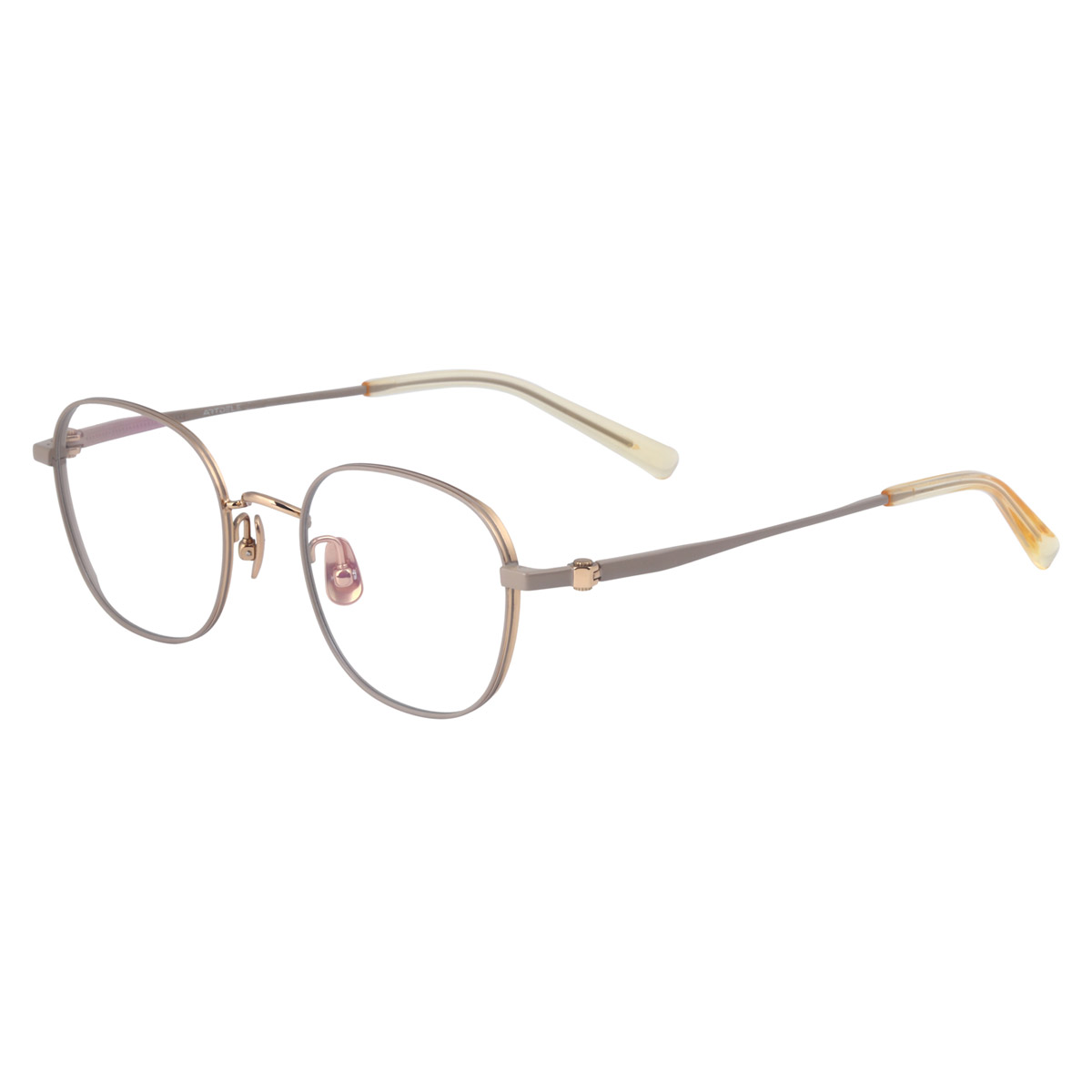
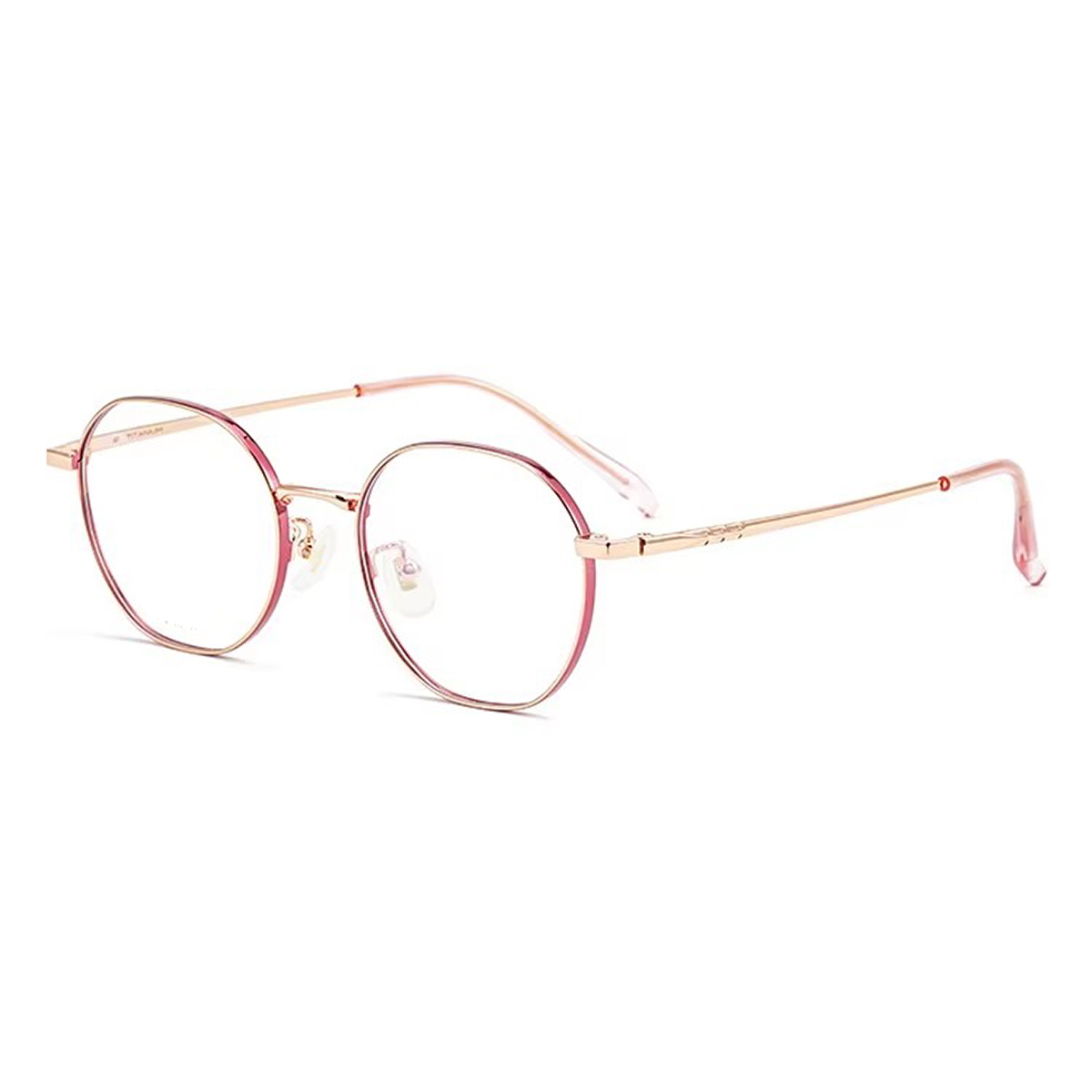
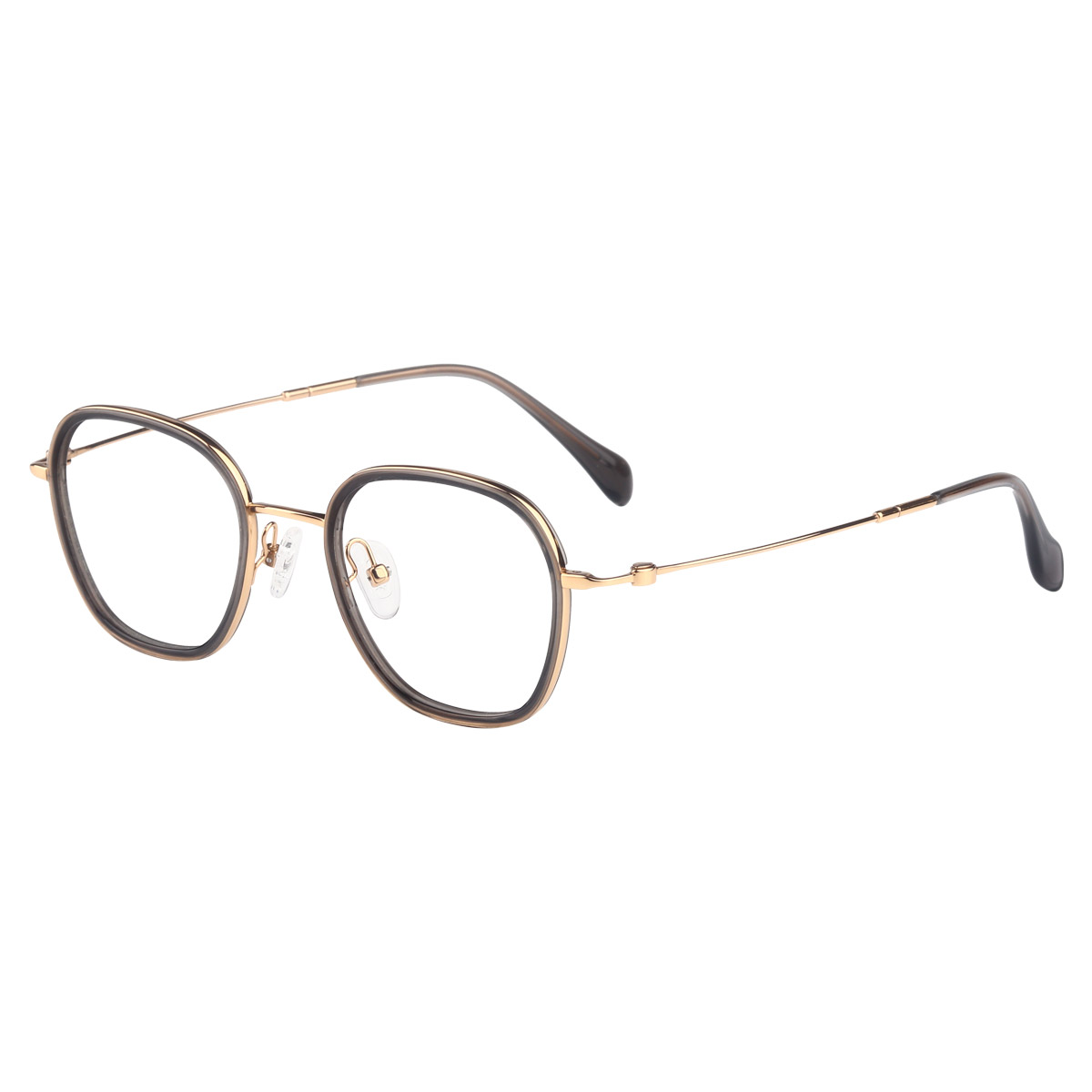 Ultra-Thin Titanium-Acetate Hybrid Glasses for High PowerThis hybrid design pairs beta-titanium temples with an ultra-thin acetate front, balancing flexibility and shape retention. It is placed here to demonstrate the benefits of hybrid frames mentioned in the preceding paragraph, ideal for all-day wear.View Product →
Frequently Asked Questions
Can I fix crooked glasses with my bare hands?
Yes for metal temples: a series of small, gentle bends is usually enough. For plastic and acetate frames, bare hands alone are not recommended; heat the material before shaping it.
How long should I heat plastic frames before bending?
Thirty to sixty seconds in water at 60 to 70 °C is enough for a typical temple arm. If the frame still feels stiff, add 10 to 15 seconds of heat rather than forcing a cold bend.
Why do my glasses keep getting crooked again after I fix them?
Because the original bend was not fully corrected, the hinge screws are still loose, or the frame material has lost its memory after years of stress. If careful adjustments do not hold, make an optician appointment or consider a more resilient frame.
Will adjusting my glasses myself void the warranty?
It depends on the retailer: most warranties cover manufacturing defects, not damage from improper adjustment. A gentle, padded adjustment that leaves no tool marks is unlikely to be questioned, but a professional inspection is always the safer path.
Fix small crookedness early, use small increments, and respect the difference between metal and plastic. Most slightly crooked glasses are a 15-minute home project; stubborn or damaged frames belong on an optical bench, not in a pair of pliers. When a frame has genuinely worn out, the most economical fix is to invest in a new, well-aligned frame rather than to keep bending the old one.