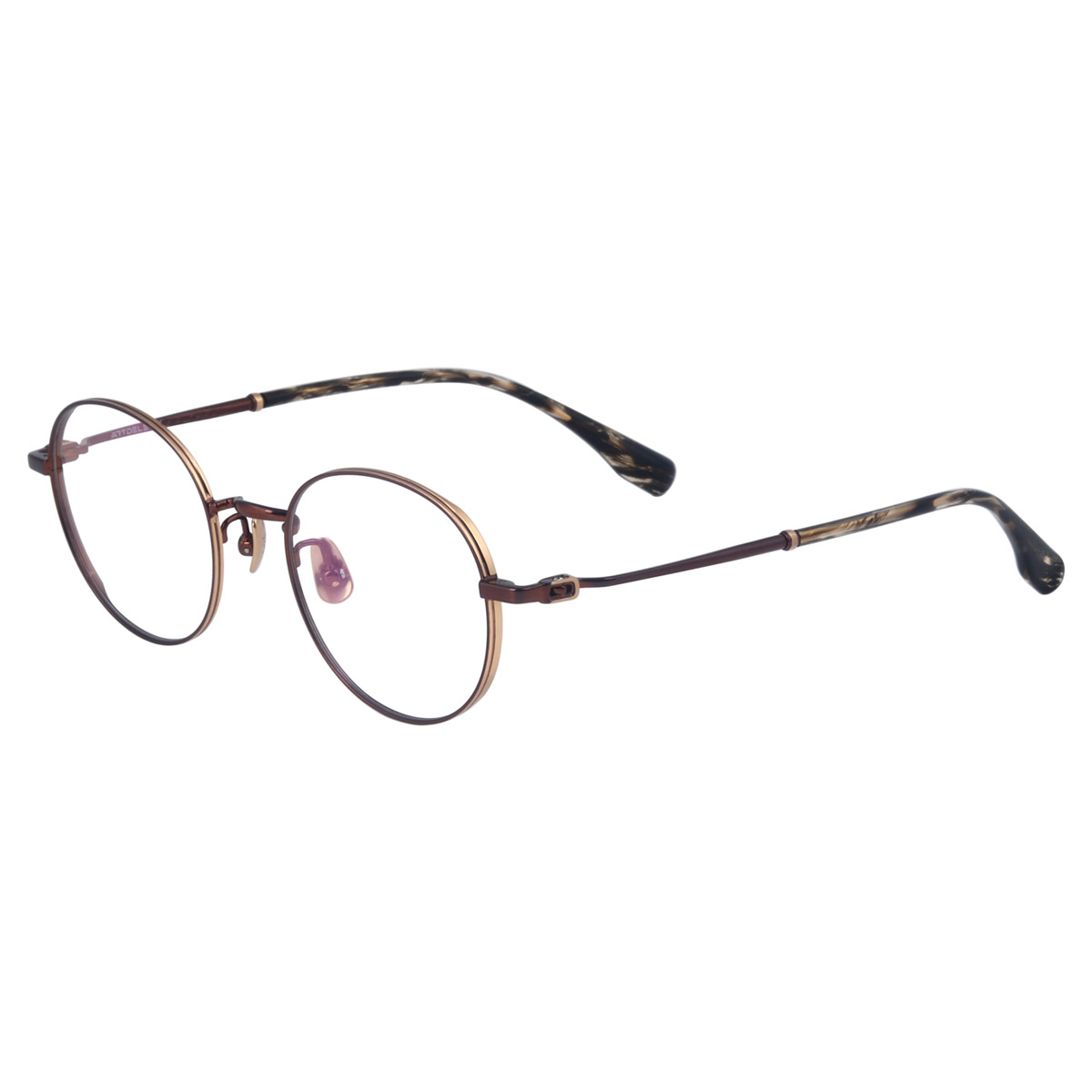
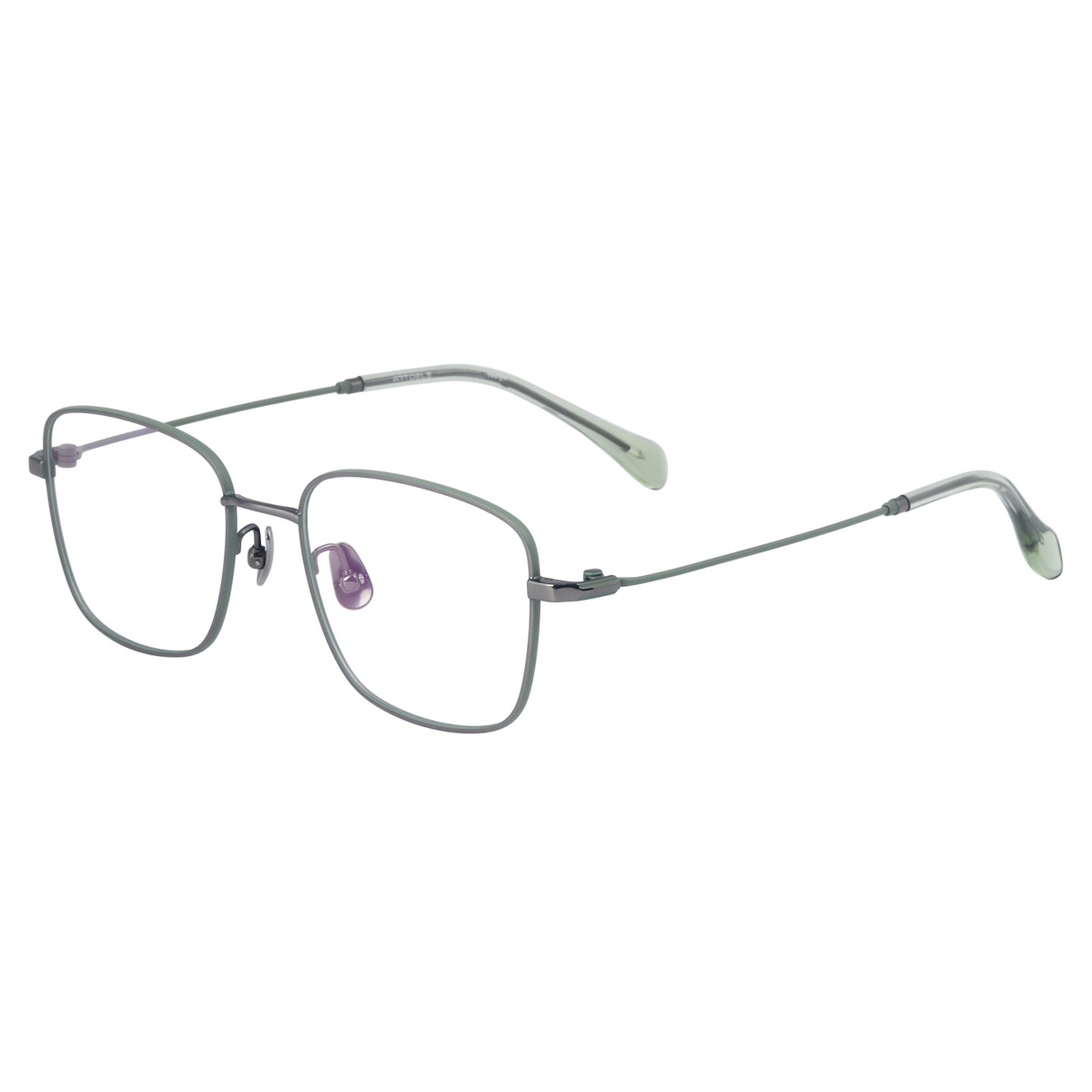
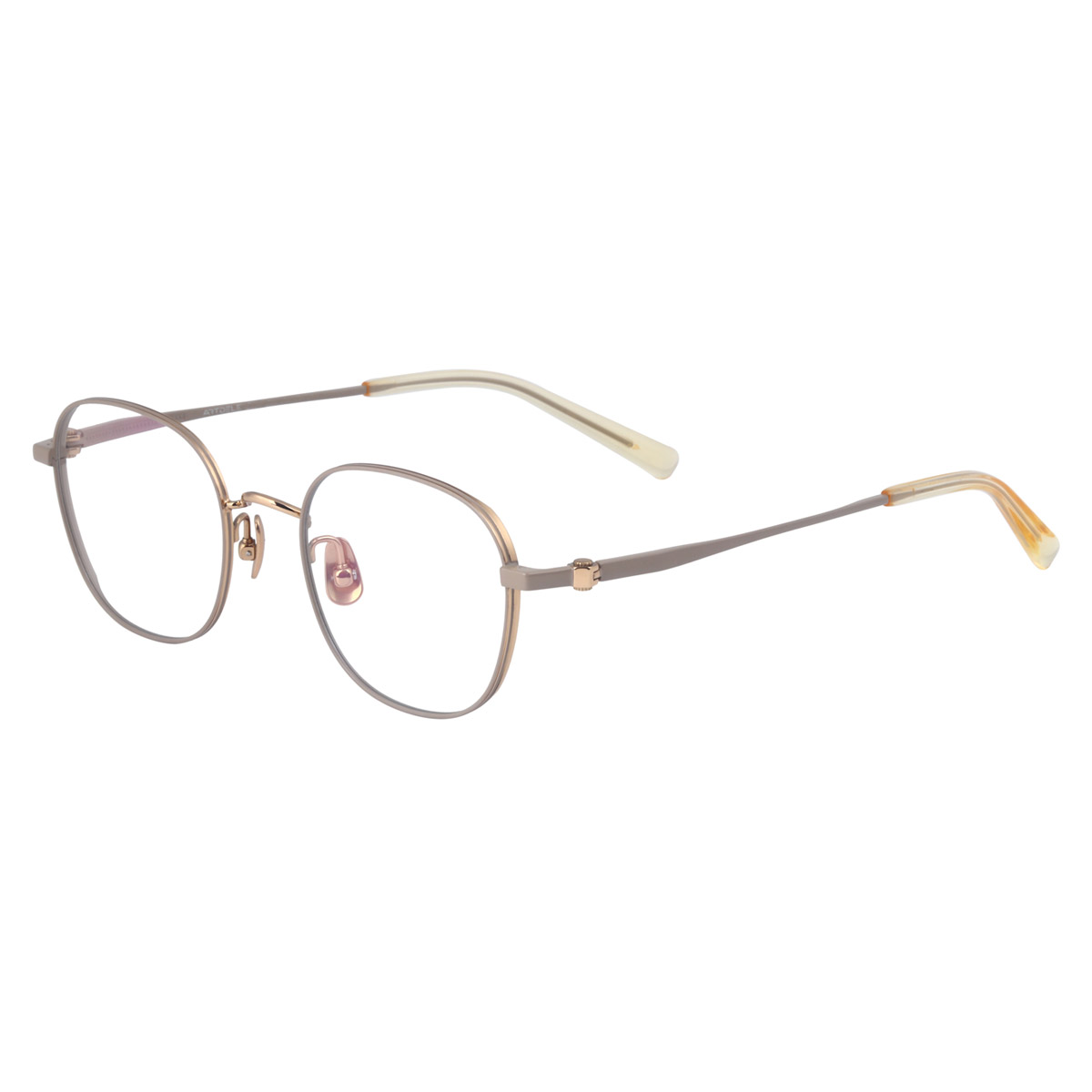
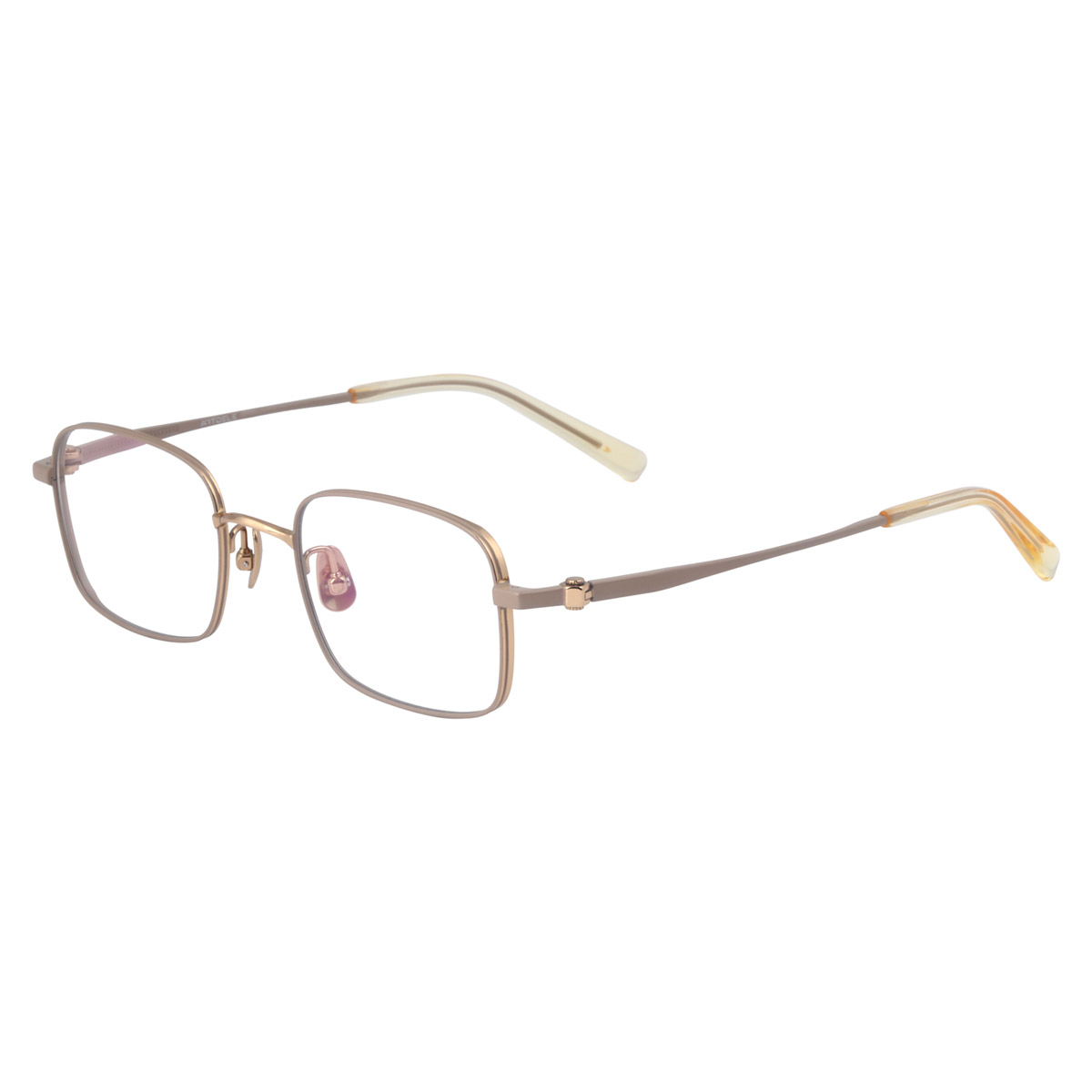
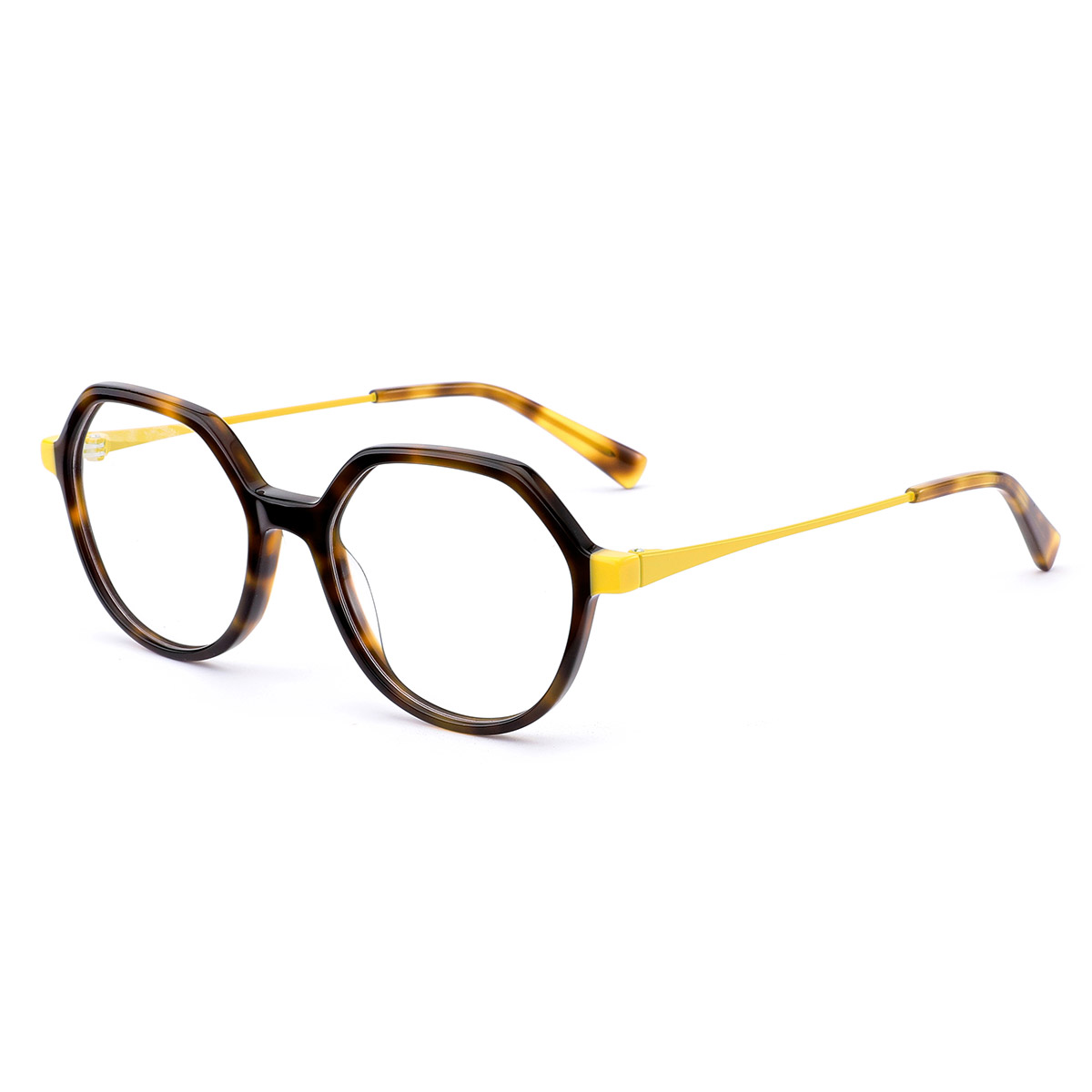
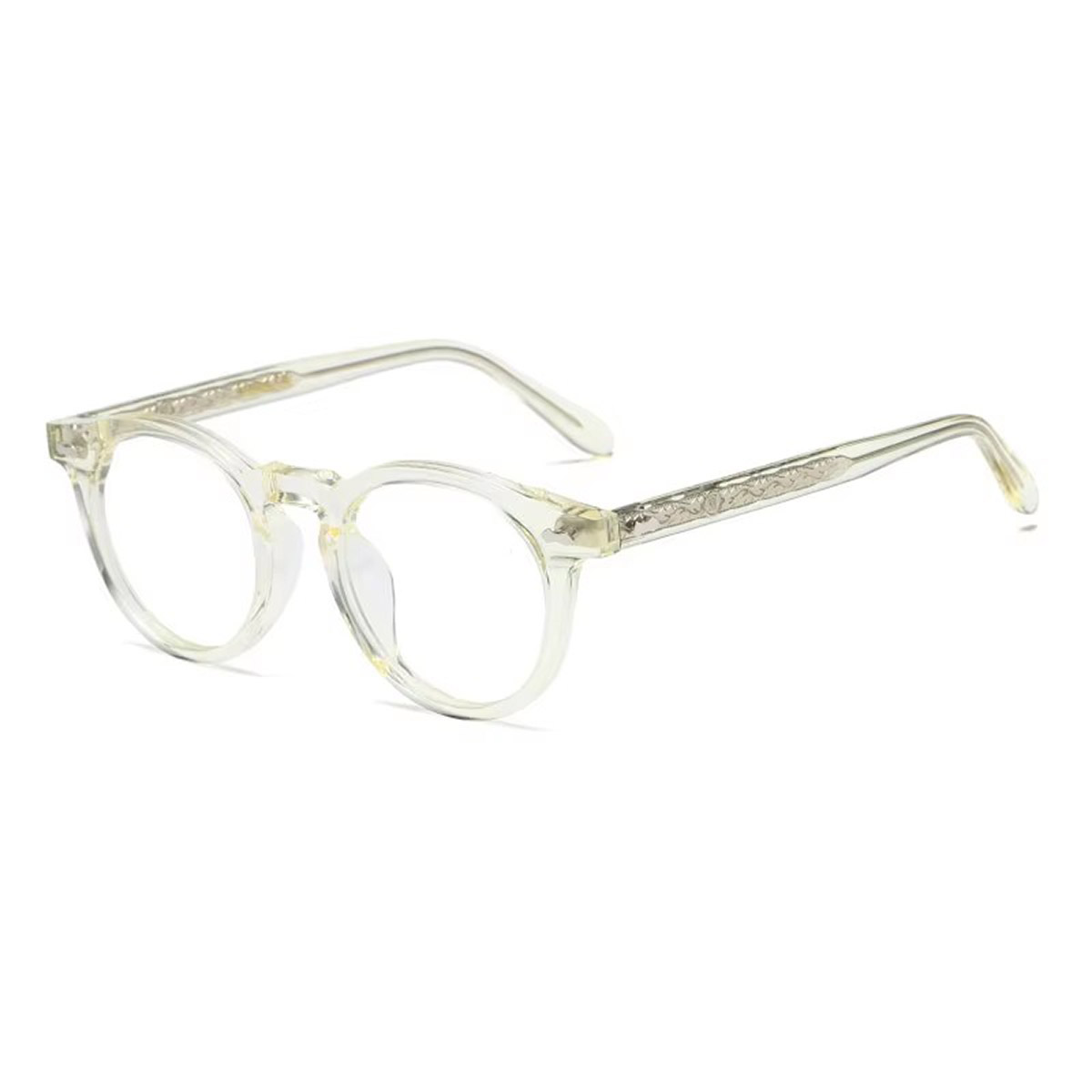
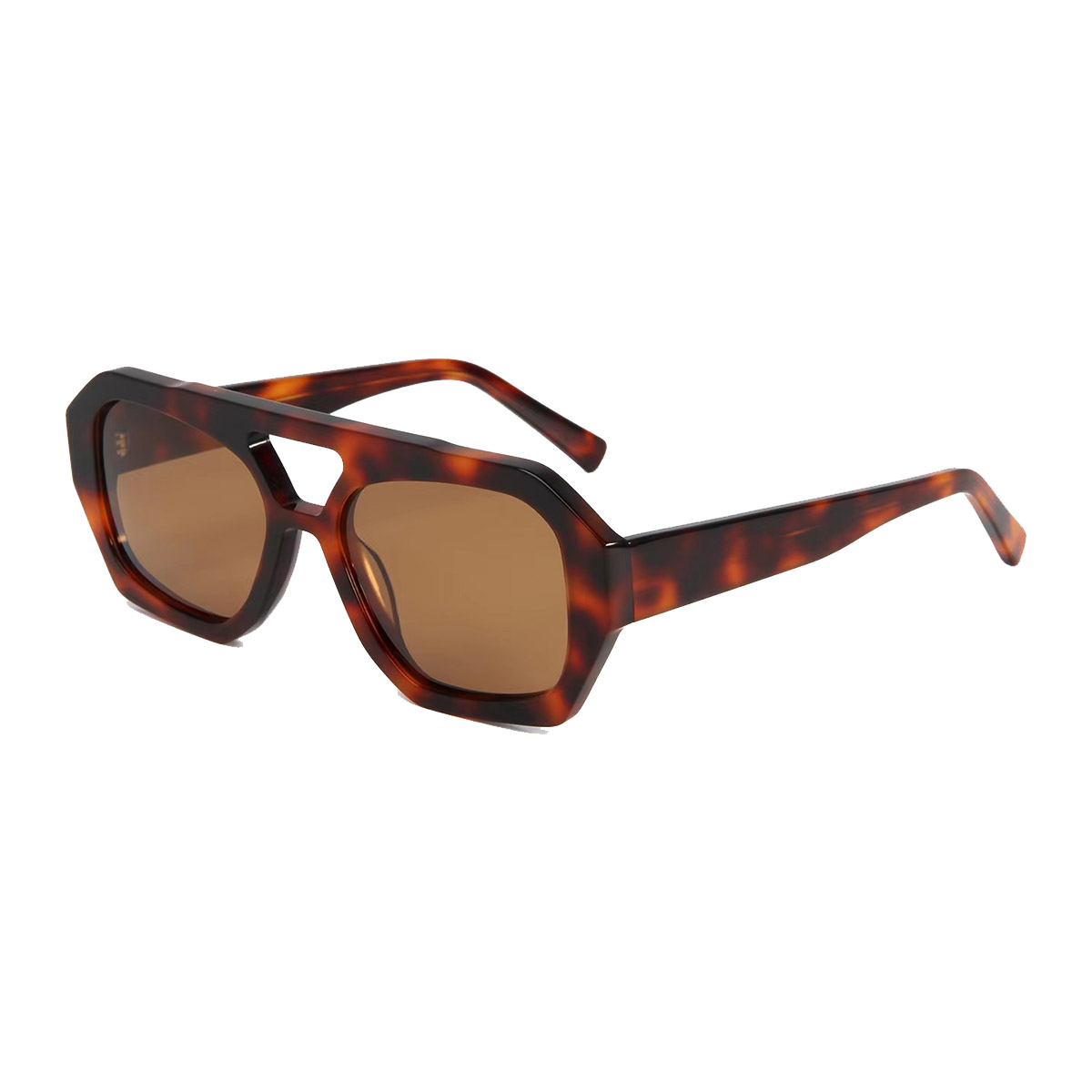
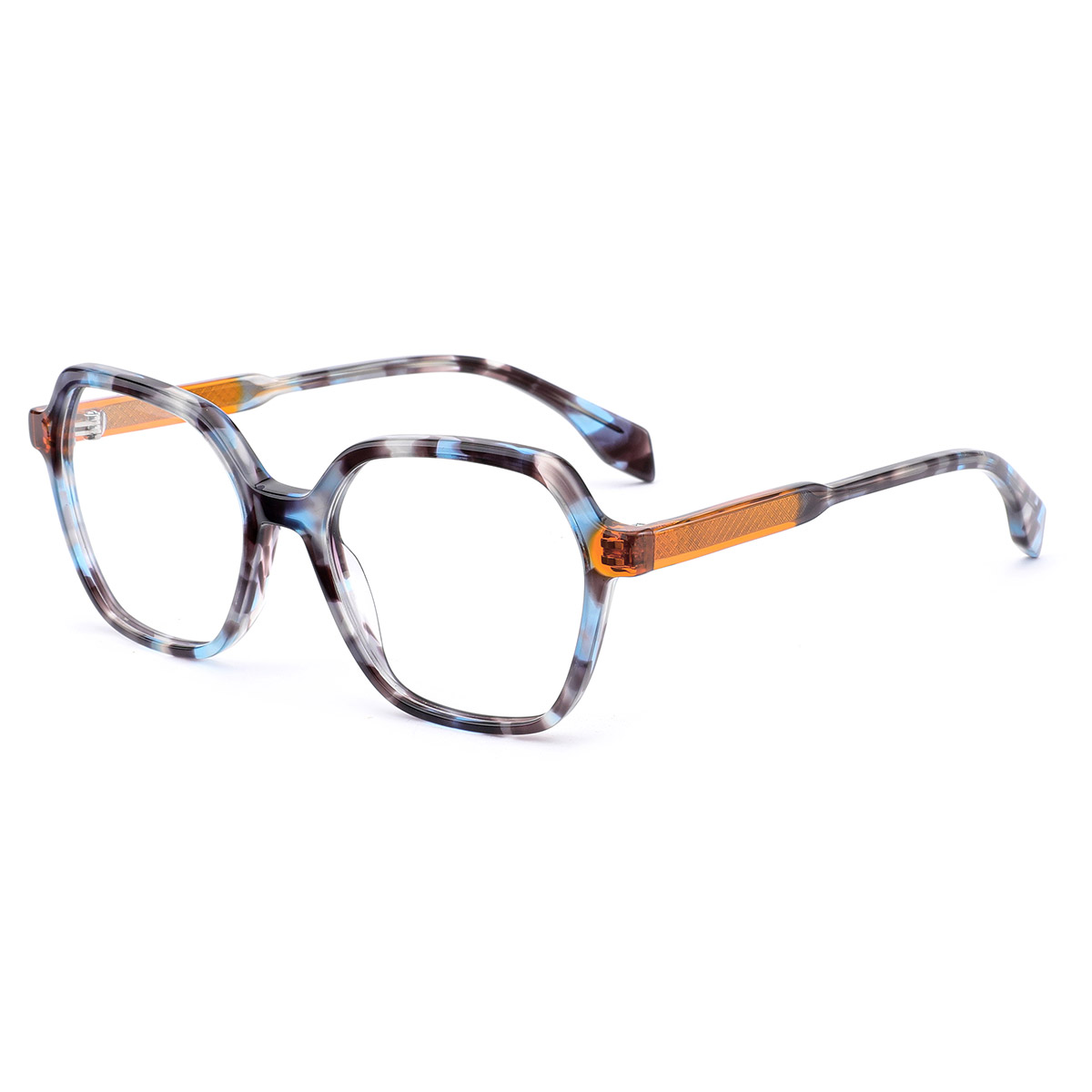
Glasses oxidation is the green paste, white haze, or yellow film that builds up where a frame meets your skin, most often on nose pads, temple tips, hinges, and screws. The short answer: green residue is corrosion of copper alloys hidden under thin plating, white bloom on acetate is plasticiser rising to the surface, and neither means the frame has to be thrown away.
Both cases follow one rule. Sweat, salt, sunscreen, and moisture cause the damage, so removing them early is most of the cure. Clean with lukewarm water and mild soap, dry the frame completely, keep it out of humid storage, and if the problem returns within a few months, change the frame material rather than the cleaning routine.
Content
Oxidation is the reaction of a frame material with oxygen, moisture, and the chemistry of your skin, and nothing more complicated than that.
Two different processes share the name. In metal frames it is true corrosion: sweat carries chloride, lactic acid, and fatty acids into pinholes in the plating, where they sit for hours at a time. In cellulose acetate frames it is not corrosion at all, but plasticiser migrating out of the plastic, followed by UV and heat ageing.
The difference matters. Metal corrosion weakens hinges and eventually flakes; acetate bloom is mostly cosmetic, but repeated abrasive polishing thins the frame and can round off its edges.
Match the colour and the location first, because each form needs different treatment.
| What you see | Where it appears | What it is | Best first move |
|---|---|---|---|
| Green or teal paste | Nose pads, temple arms, hinges, and screws on metal frames | Copper alloy such as monel, nickel silver, or brass corroding under the plating; skin oils turn the salts green | Dry-wipe, then clean with lukewarm water and mild soap; replace pitted nose pads |
| White chalky bloom | Acetate and other plastic frames, usually around the temples and bridge | Plasticiser migrating to the surface, mixed with dried salt and skin residue | Buff lightly with a soft cloth and a mild paste; never use alcohol or acetone |
| Yellow or amber tint | Clear and light-coloured acetate, typically older frames | UV and heat ageing of the polymer itself, with oils baked into the surface | Accept it or have it professionally polished; it cannot be reversed at home |
Green residue is a copper problem, and copper sits inside most metal eyeglass frames.
Monel and nickel silver, the classic eyewear base metals, are alloys of copper, nickel, and zinc: strong, easy to solder at the hinge, and cheap to plate. Decorative plating is often only a few tenths of a micron thick. Once sweat penetrates a scratch or a pinhole, the copper underneath begins to corrode, and the salts that form are green.
Three things set the speed: plating quality, how much you sweat in the frame, and your own skin chemistry. A heavy sweater can turn a cheaply plated frame green within a year, while a well-coated frame on dry skin lasts a decade. The salts are irritants rather than toxins, but damaged plating also releases nickel, the metal most often behind itchy, red skin behind the ears.
White bloom on acetate is the material ageing, not metal corroding, which changes how you should treat it.
Cellulose acetate is softened with plasticisers such as camphor and phthalates. Sweat, sunscreen, alcohol-based sanitiser, insect repellent, and heat pull those plasticisers to the surface, where they dry into a chalky film. Left long enough, UV light oxidises the polymer beneath and clear frames turn amber.
Because the damage is in the material rather than on it, abrasive cleaning is a trade-off. A toothpaste and baking-soda buff brings the shine back but removes a thin layer of acetate each time. Once or twice in a frame's life is reasonable. A monthly routine is not.
 Sweat-Resistant Acetate Sunglasses with UV400 LensesFor shoppers comparing acetate care and oxidation resistance, these lightweight unisex sunglasses use treated acetate and UV400 TAC lenses for daily, beach, and outdoor wear.View Product →
Buy the base material, not the coating, if oxidation keeps coming back. Ranked from most to least resistant in daily wear:
 Corrosion-Resistant Marine TR90 Titanium Optical Glasses AD023SFor saltwater exposure and coating-care concerns, these TR90 and beta-titanium frames use OceanShield treatment, hydrophobic coating, and anti-slip temples for marine activities.View Product →
Work in this order and you remove the residue without stripping the finish.
Prevention is about removing sweat and moisture before they sit, not about buying special products.
Replace the frame once corrosion goes below the surface or your skin reacts, because cleaning from that point only buys weeks.
On cost, professional polishing and re-plating usually runs to a large share of a new mid-range frame and rarely restores the original durability. Unless the frame is high-end or sentimental, replacing it with titanium, stainless steel, or Ultem is the better buy.
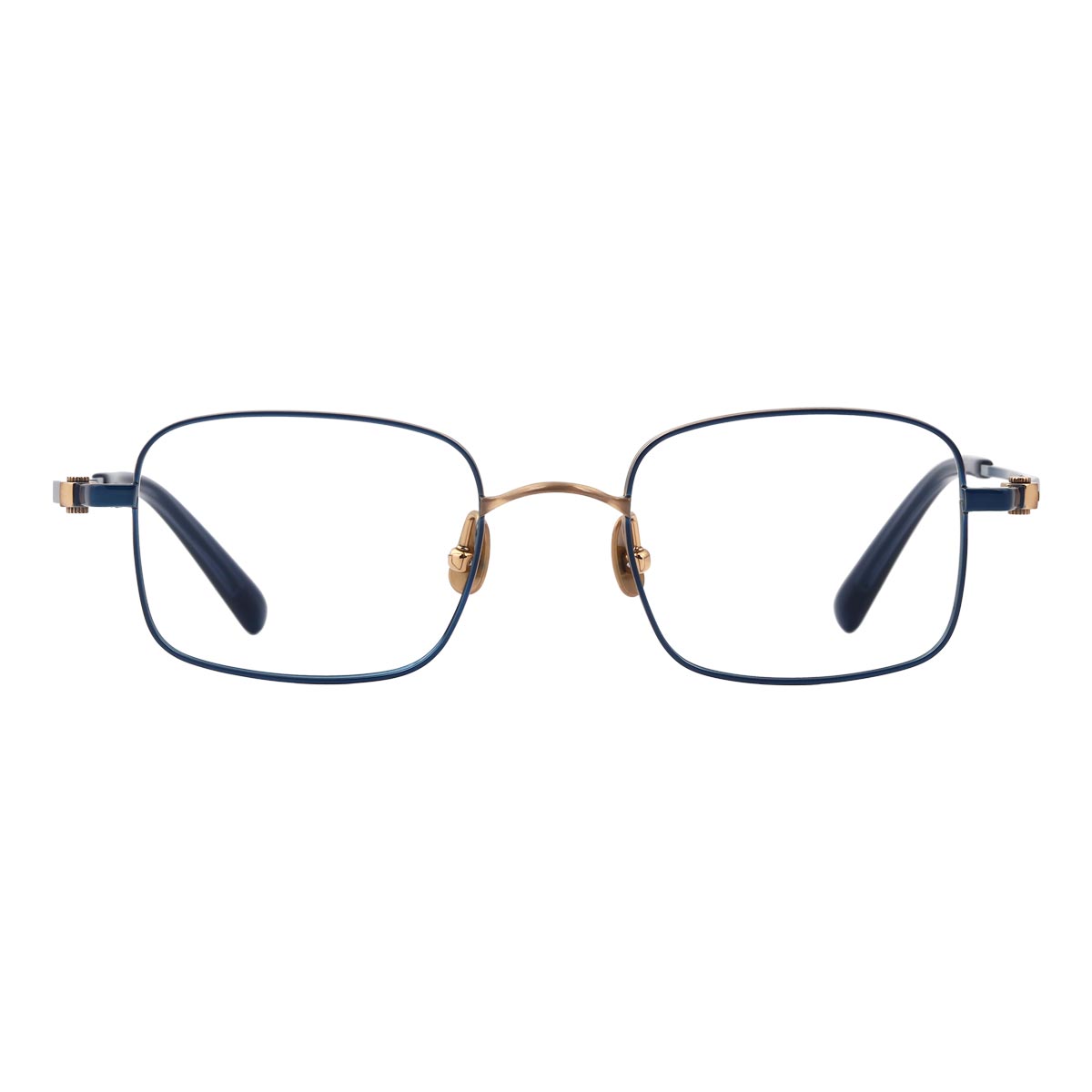 Lightweight Anti-Allergic Pure Titanium Optical Glasses AD9012When polishing or re-plating costs approach a new frame, these pure titanium glasses offer lightweight, anti-allergic comfort for business and prescription or blue-light lenses.View Product →
Oxidation resistance is decided before assembly: substrate, coating thickness, and testing.
Three decisions matter more than any aftermarket treatment. The substrate: moving a metal frame from monel to stainless steel or titanium removes the copper that produces green residue in the first place. The coating: vacuum PVD finishes such as titanium nitride are deposited at 2 to 3 microns and resist chloride far better than decorative electroplating measured in tenths of a micron. The testing: artificial perspiration, salt spray, and nickel-release checks such as EN 16128 show how a frame behaves over months of wear rather than minutes of handling.
Buyers sourcing private-label frames normally ask for that data before tooling starts, and an eyewear maker with in-house material, mould, and frame engineering teams can usually supply coating specifications and corrosion test records alongside the samples. It is also worth asking whether the nose pads, temple tips, and screws use the same corrosion-resistant hardware as the frame, because those small parts fail first.
Not seriously, since copper and nickel salts are irritants rather than toxins, but they do signal failed plating. If the skin behind your ears or on your nose stays red or itchy, treat it as nickel sensitivity and move to titanium, Ultem, or acetate.
Yes, on bare metal and on most chrome and titanium finishes; dilute white vinegar dissolves the green salts in under a minute. Rinse thoroughly afterwards, and keep it away from gold and coloured coatings.
Skin chemistry and habits explain most of it. Sweat pH, chloride concentration, exercise, and daily wear time all change the corrosion rate on an identical frame.
It can be slowed, not reversed. Once plating is penetrated, corrosion spreads under the coating, so cleaning extends life while replacing pads, tips, or the frame is the permanent fix.
Yes, and often faster, because many budget pairs use thinly plated metal fronts that are handled constantly and worn for long reading sessions. Material and plating quality matter as much as magnification, so it is worth checking a guide to choosing reading glasses before you buy.
Glasses oxidation follows a simple pattern: green means copper under plating, white means acetate losing plasticiser, and yellow means the plastic itself is ageing. Clean with mild soap and water, dry the frame fully, store it dry, and replace pitted nose pads before they pit the frame around them. If the residue returns within a few months, the material is wrong for your skin, and titanium, stainless steel, or Ultem ends the cycle instead of repeating it.
NEWSLETTER

Copyright © Zhejiang Qiliang Optical Technology Co., Ltd. All Rights Reserved. OEM/ODM Rimless Glasses Frames Manufacturers


 Search
 EN
 English
 Deutsch
 Français
 Español
 italiano
 cn
 jp
 kr