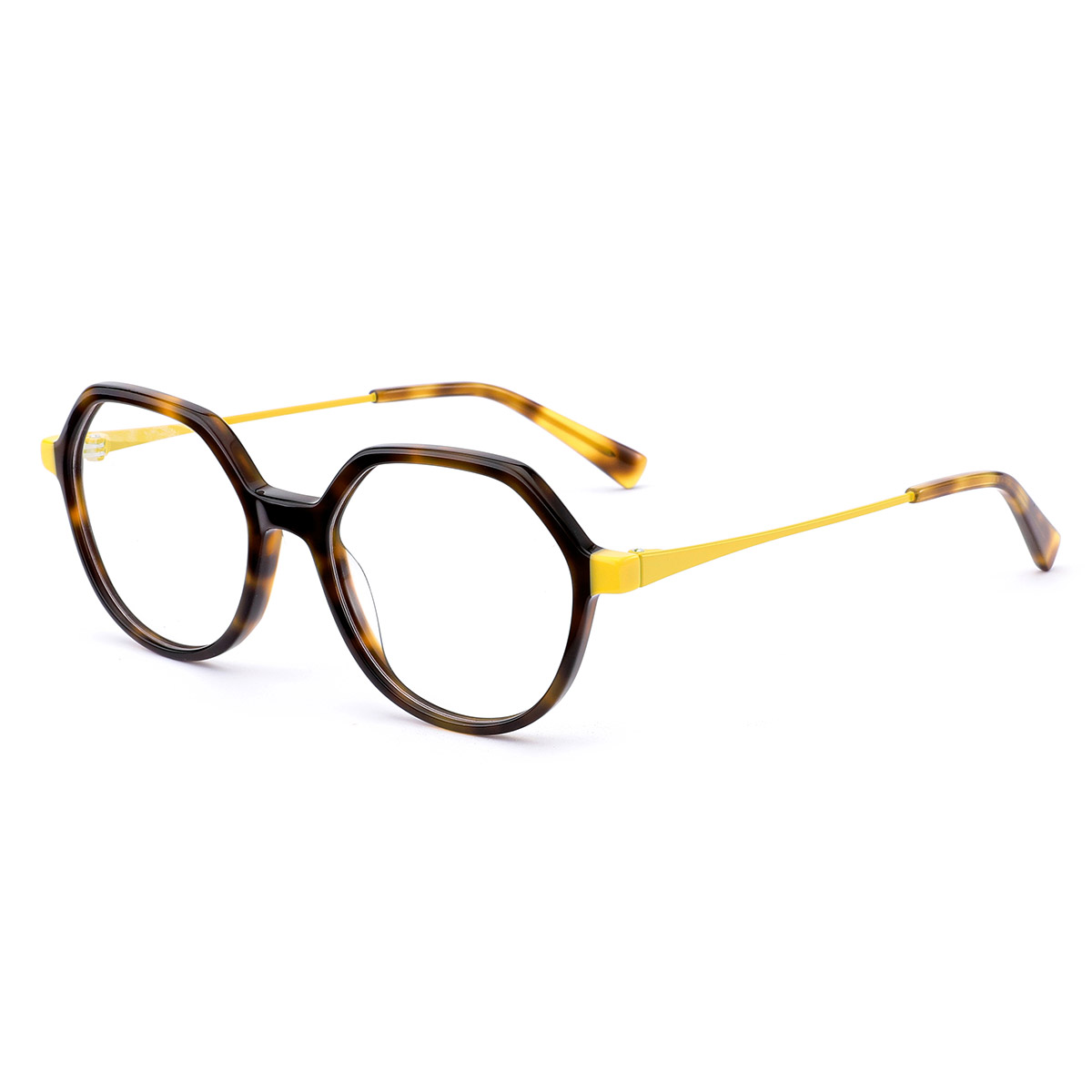
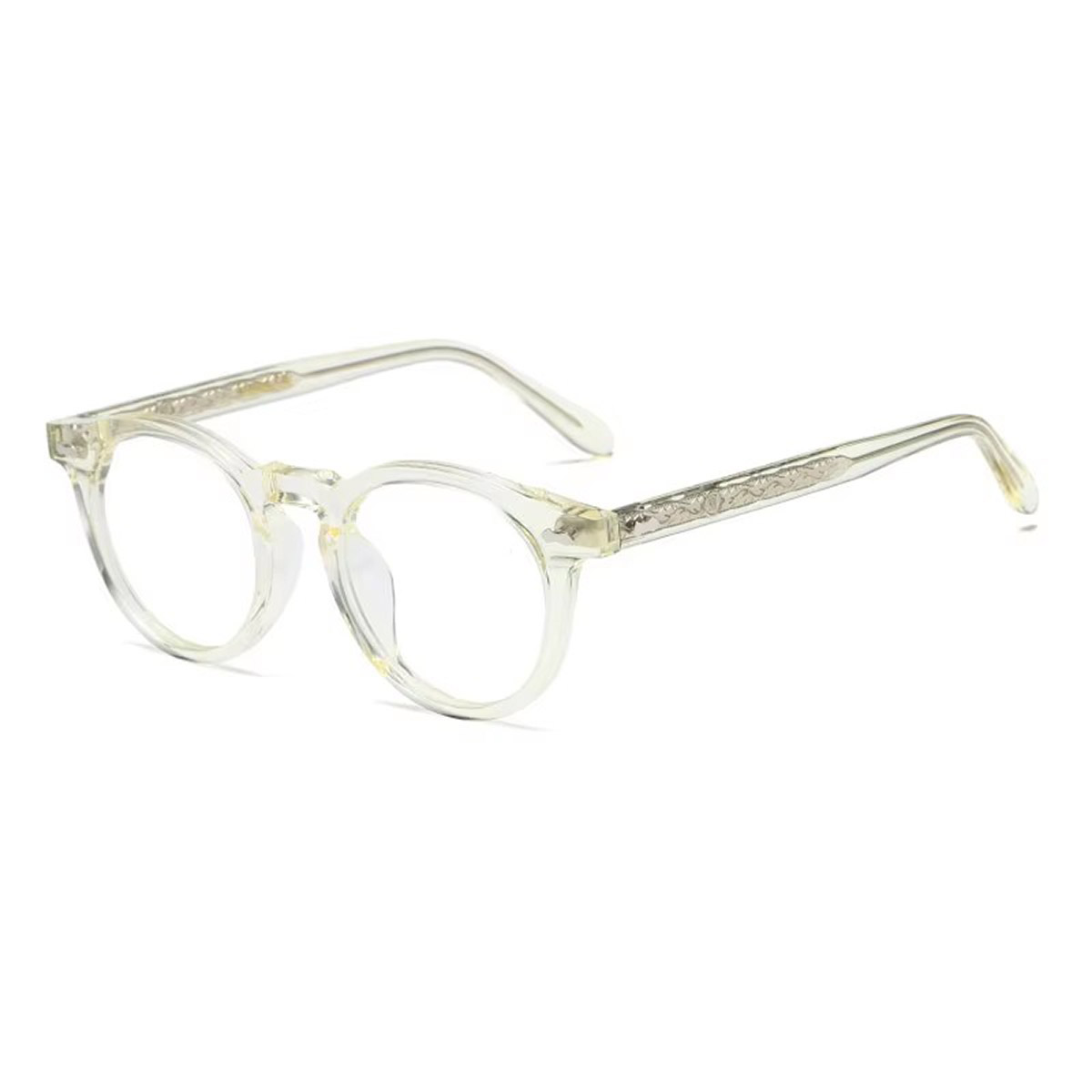
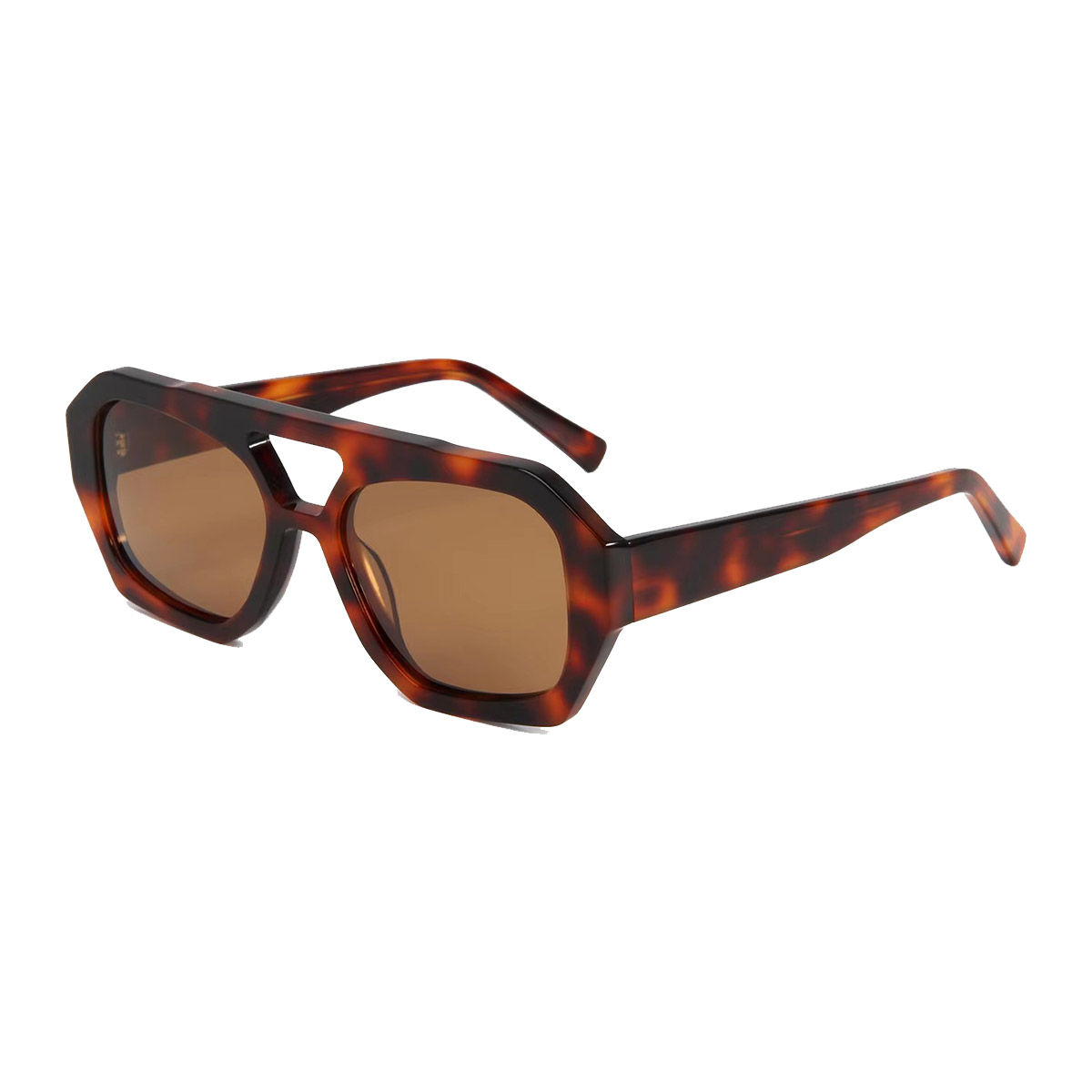
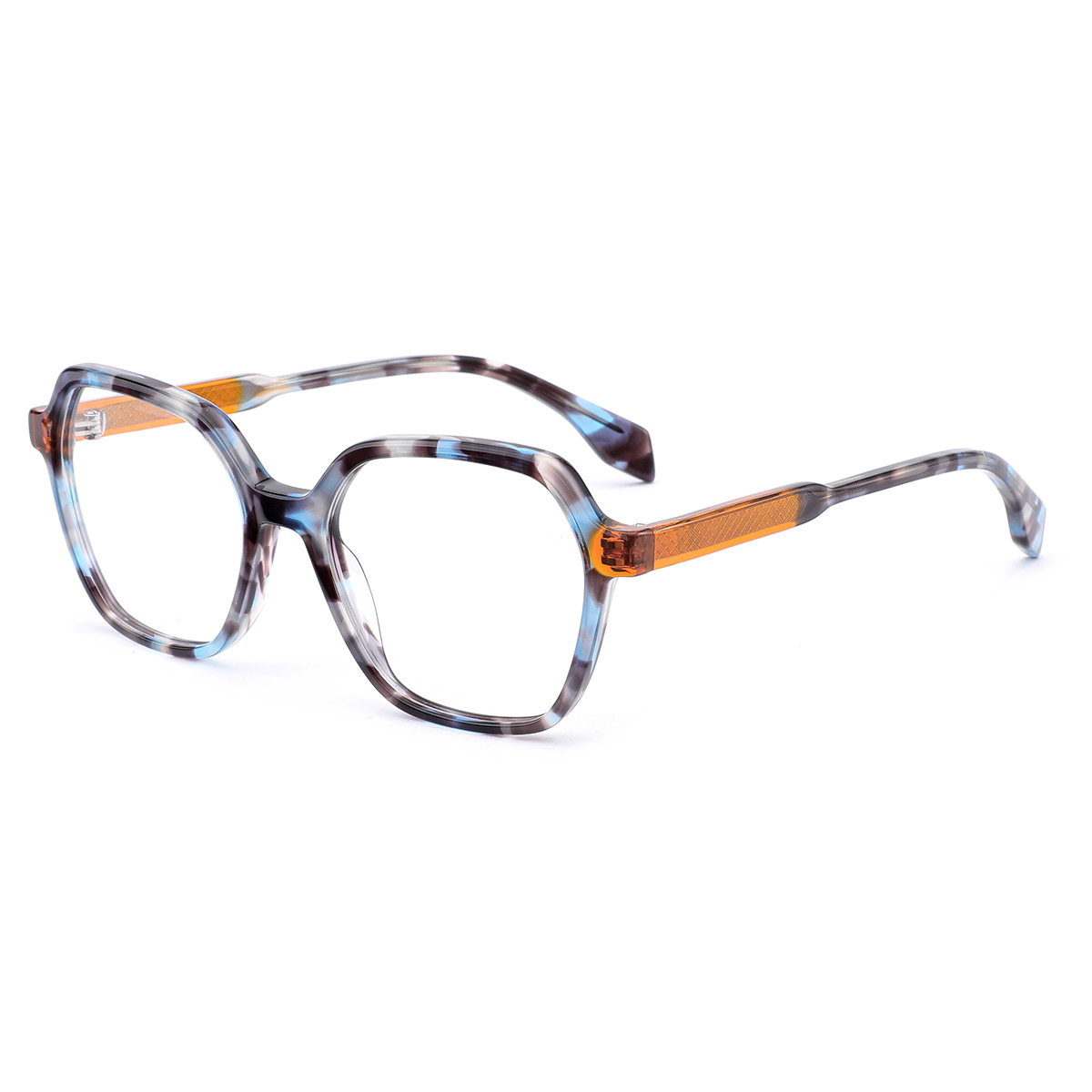
You pick up your new glasses prescription, scan the numbers, and freeze. The SPH column reads -10.00. Your first thought: "Is this legally blind?" It is one of the most common questions we hear from customers with high prescriptions, and the answer surprises most people. No single prescription number — not -10.00, not -15.00 — makes you legally blind. Legal blindness is determined by how well you see with your glasses or contact lenses on, not by the strength of the lens you need to get there.
Content
"Legally blind" is a legal and administrative term, not a medical one. It describes a level of vision loss that qualifies a person for government benefits and support services in the United States.
The Social Security Administration (SSA) defines legal blindness as best corrected visual acuity of 20/200 or less in the better-seeing eye, or a visual field of 20 degrees or less in that eye.
That definition contains two phrases most people gloss over. First, "best corrected" — the best vision you can achieve while wearing your glasses or contact lenses. Second, "better-seeing eye" — if one eye is severely impaired but the other sees well, you will not meet the legal threshold. Importantly, most people who are legally blind still have usable vision. Only about 15 percent of people with visual impairments are totally blind; the rest live with low vision or legal blindness.
In the United States, a person is legally blind if they meet either of two measurement criteria. Understanding both will help you interpret your own prescription and exam records.
Visual acuity measures how clearly you see at a distance. The notation 20/200 means that at 20 feet, you see what a person with normal vision sees at 200 feet. On a Snellen eye chart — the wall chart with letters that shrink line by line — the large top letter corresponds roughly to 20/200.
If you cannot read beyond that top letter even with your best correction, your acuity meets the legal blindness threshold. If your uncorrected vision is 20/400 but glasses bring you to 20/25, your best corrected acuity is 20/25 — nowhere near the threshold.
The second criterion concerns the width of your visual field, not its clarity. A person with normal vision sees roughly 180 degrees horizontally. If your visual field in the better-seeing eye is 20 degrees or less, you can be legally blind even with excellent central acuity.
This is often described as tunnel vision: you might read the smallest line on the eye chart perfectly, but the world beyond that narrow focus disappears. Advanced glaucoma, retinitis pigmentosa, or stroke damage can restrict the field this much — and that alone is enough to meet the standard.
The direct answer: there is no fixed prescription number that makes you legally blind. The diopter values on your prescription — SPH and CYL — describe the lens power required to focus light on your retina. Legal blindness depends on a different variable: how well you actually see after that lens is in front of your eye.
Here is how prescription strength and corrected acuity can diverge:
These are illustrative examples, not official standards. Eye doctors do not classify legal blindness using diopter values. They use Snellen acuity readings taken while you wear your best correction, which is why no reliable conversion exists between prescription power and legal blindness. Be skeptical of any source that claims a specific minus number equals legally blind.
If you want to know where you stand, your eyeglass prescription contains useful clues — but you need to look at the right column.
Take out your latest prescription and locate three pieces of data:
If your prescription does not list a VA value, ask your optician or eye doctor. The SPH number tells them what lens is needed; the VA number tells you how well that lens works. Legal authorities rely on VA, not on lens power.
The legal blindness framework is built around corrected vision, not uncorrected vision. The logic is simple: if a pair of glasses or contact lenses restores normal visual function, the vision loss is not functionally disabling. The law does not care how thick your lenses are; it cares whether you can see through them.
This explains the paradox from earlier. High-prescription wearers often have excellent corrected acuity — 20/20 or close to it. Meanwhile, a mild myope with amblyopia or early macular degeneration may have a weak prescription but a poor corrected result. In legal and functional terms, the latter person is far more impaired.
Misinformation about legal blindness spreads quickly online. Here are the three most persistent myths, resolved.
Not true. A -10.00 prescription indicates significant myopia, but if your glasses correct your acuity to 20/40 or better, you do not meet the acuity standard. The prescription is simply what it takes to get you there.
This is the most common misconception. Every legal blindness determination assumes you are wearing your best possible correction. If you cannot read the top letter bare-eyed but reach 20/30 with your glasses, your best corrected acuity is 20/30 — well within normal range. The standard is always measured with correction on.
Far from it. Most legally blind individuals have functional vision. They may see light, shapes, colors, or moving objects. A person meeting the 20/200 criterion can often navigate familiar surroundings, read large print with aids, and carry out many daily tasks. Legal blindness is a legal eligibility threshold, not a declaration of complete sight loss.
If you consult resources from other countries, you will encounter slightly different numbers and terms. The comparison below covers the three most widely used systems.
| Standard | Visual Acuity Threshold | Visual Field Threshold |
|---|---|---|
| US (SSA, legal blindness) | 20/200 or less with best correction in the better-seeing eye | 20 degrees or less in the better-seeing eye |
| UK (severely sight impaired) | 3/60 or worse on the Snellen chart | Severely restricted visual field |
| WHO (blindness category) | Less than 20/400 in the better eye with best correction | Less than 10 degrees in the better eye |
The WHO also uses a broader "low vision" category alongside "blindness," which captures a wider range of corrected acuity and field loss. The UK uses "sight impaired" for less severe cases. The numbers vary by region, but every system shares one principle: the judgment rests on corrected vision, not on the prescription number.
If you suspect your corrected acuity is near 20/200 or your visual field is significantly narrowed, start with a professional assessment. A comprehensive eye exam will establish your true best corrected acuity. If you qualify as legally blind, an ophthalmologist or low-vision specialist can connect you with rehabilitation services, assistive devices, and government benefit programs covering mobility and daily living.
Even if you are not near that threshold — or simply live with a high prescription — the quality of your glasses directly affects your quality of life. For strong myopia, hyperopia, or astigmatism, eyewear is not an accessory; it is a precision instrument worn all day. The wrong frame or lens material can reduce visual clarity, cause discomfort, and even lead you to skip your correction when you need it most.
High prescriptions create optical and physical challenges that standard glasses avoid. Thick edges, excess weight, and distortion are real problems. Here is what to consider when selecting frames and lenses for high-powered correction.
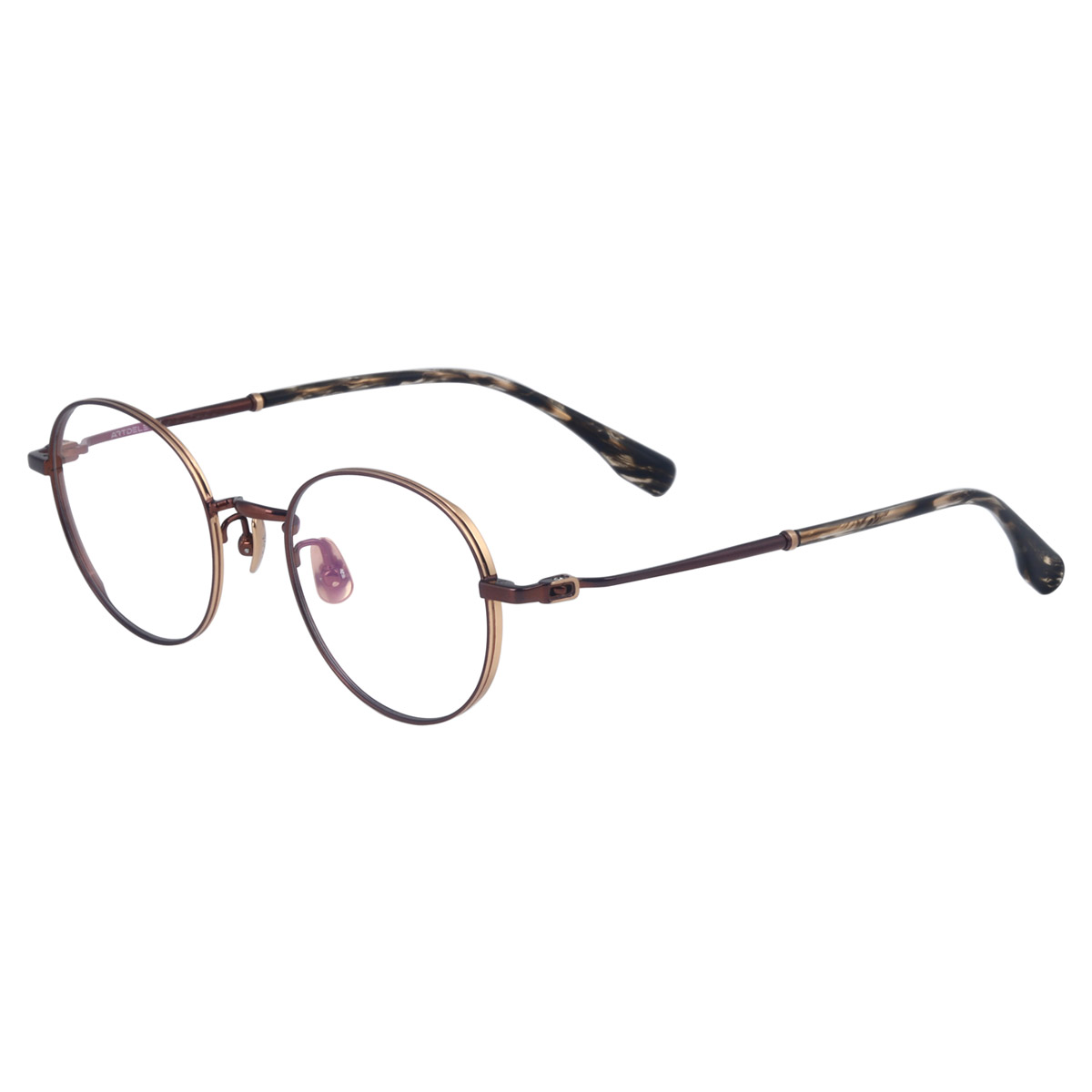
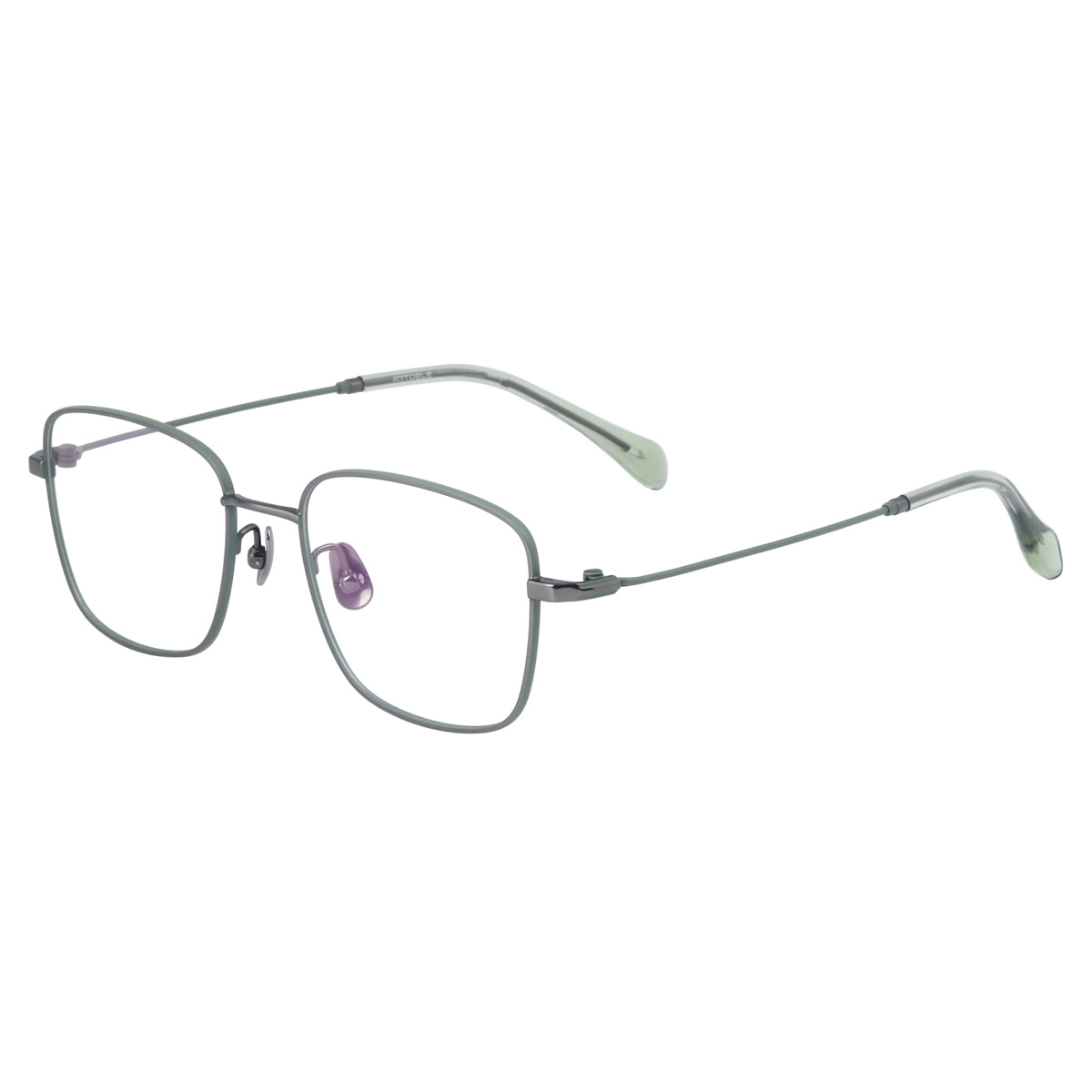
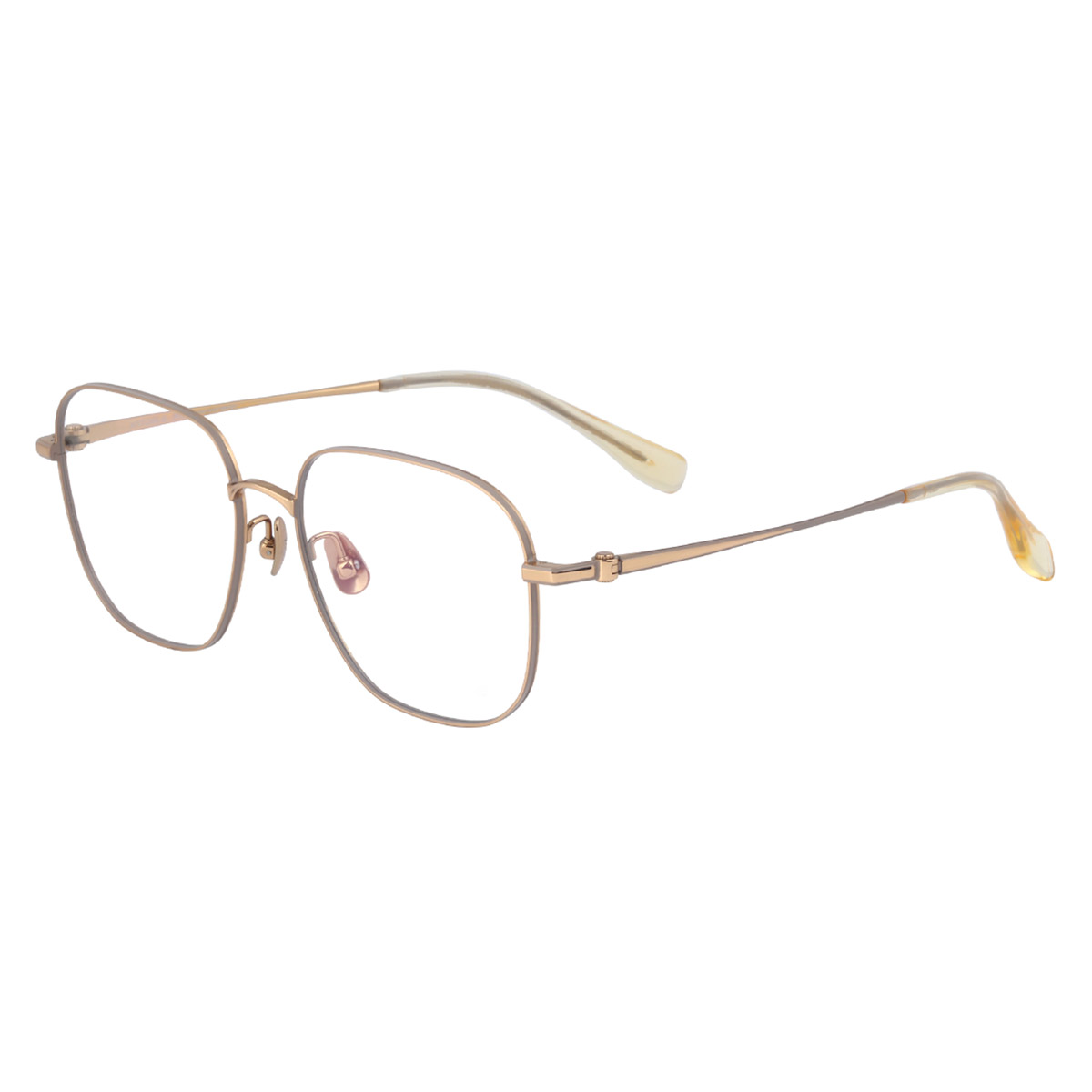
Start with lens material. High-index lenses bend light more efficiently than standard plastic, allowing a thinner lens for the same power. A 1.67 or 1.74 index lens can dramatically reduce edge thickness for a -8.00 prescription, producing lighter, better-balanced glasses. For very high powers, this is a functional necessity, not a cosmetic preference. A stable foundation matters too; ultrathin high-power titanium-acetate optical frames combine a rigid, lightweight structure with the durability needed to hold dense high-index lenses securely without loosening over time.
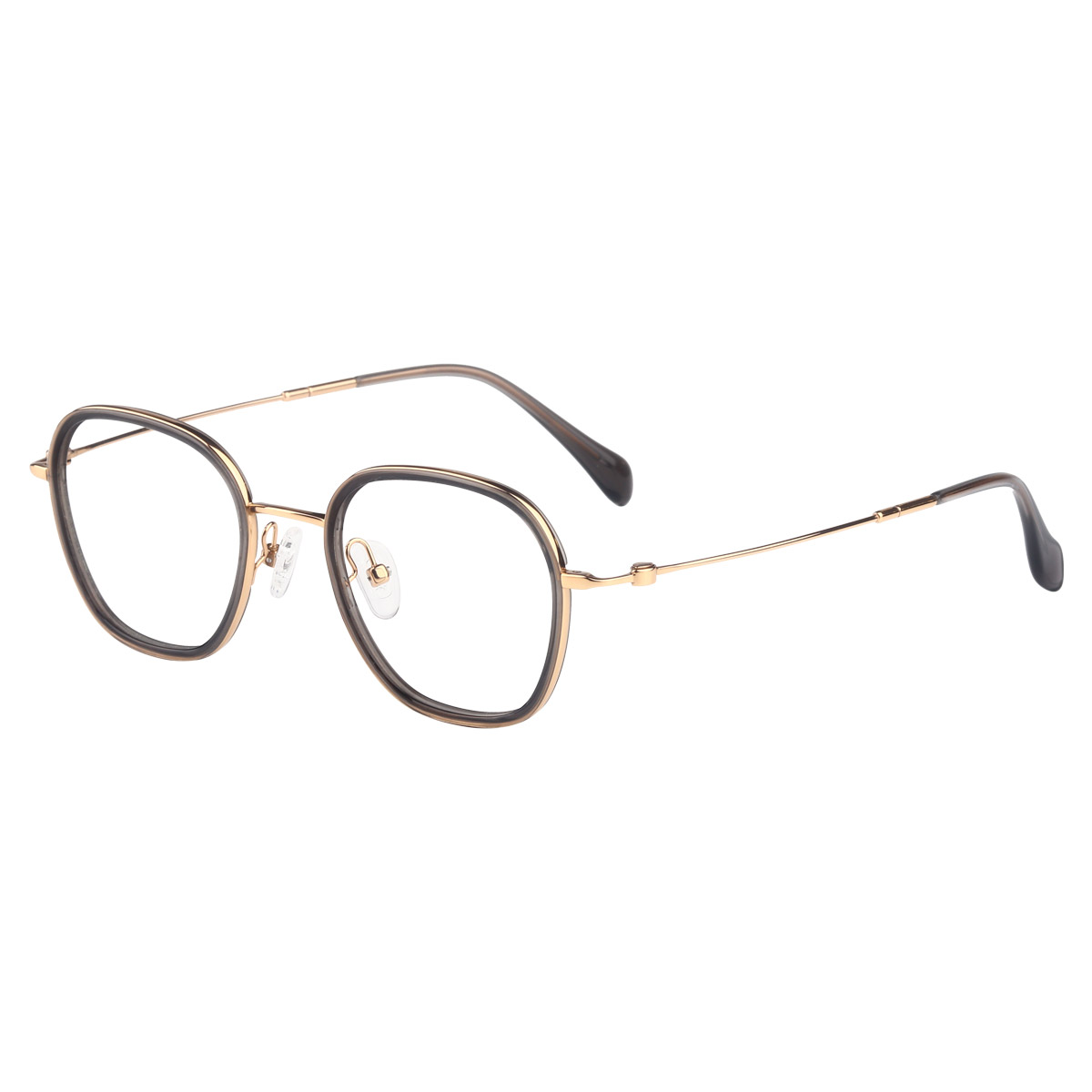 Ultra-elastic and ultra-thin high-power titanium acetate optical glasses ManufacQiliang Optical Technology Co., Ltd is China OEM/ODM Ultra-elastic and ultra-thin high-power titanium acetate optical glasses manufacture...View Product →
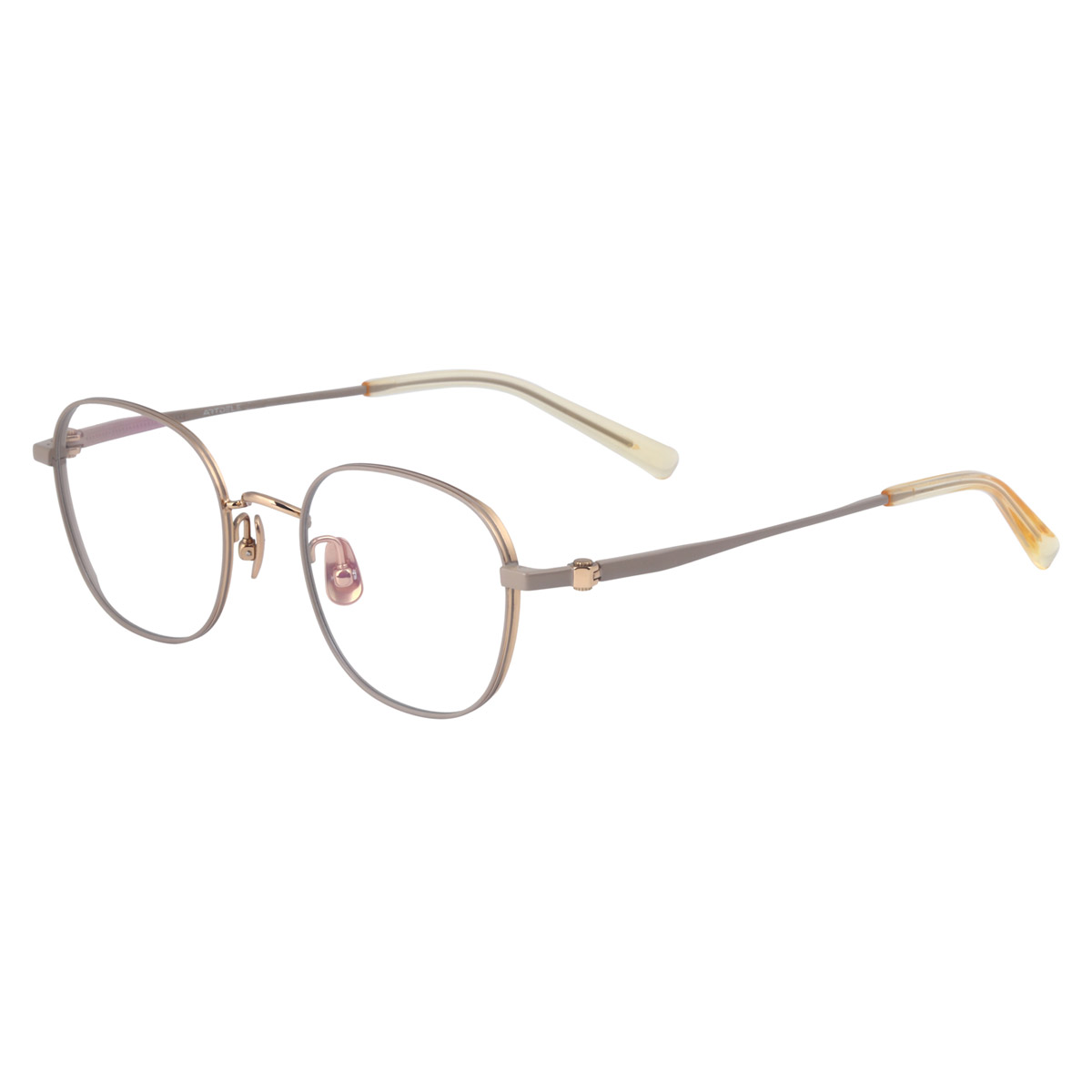
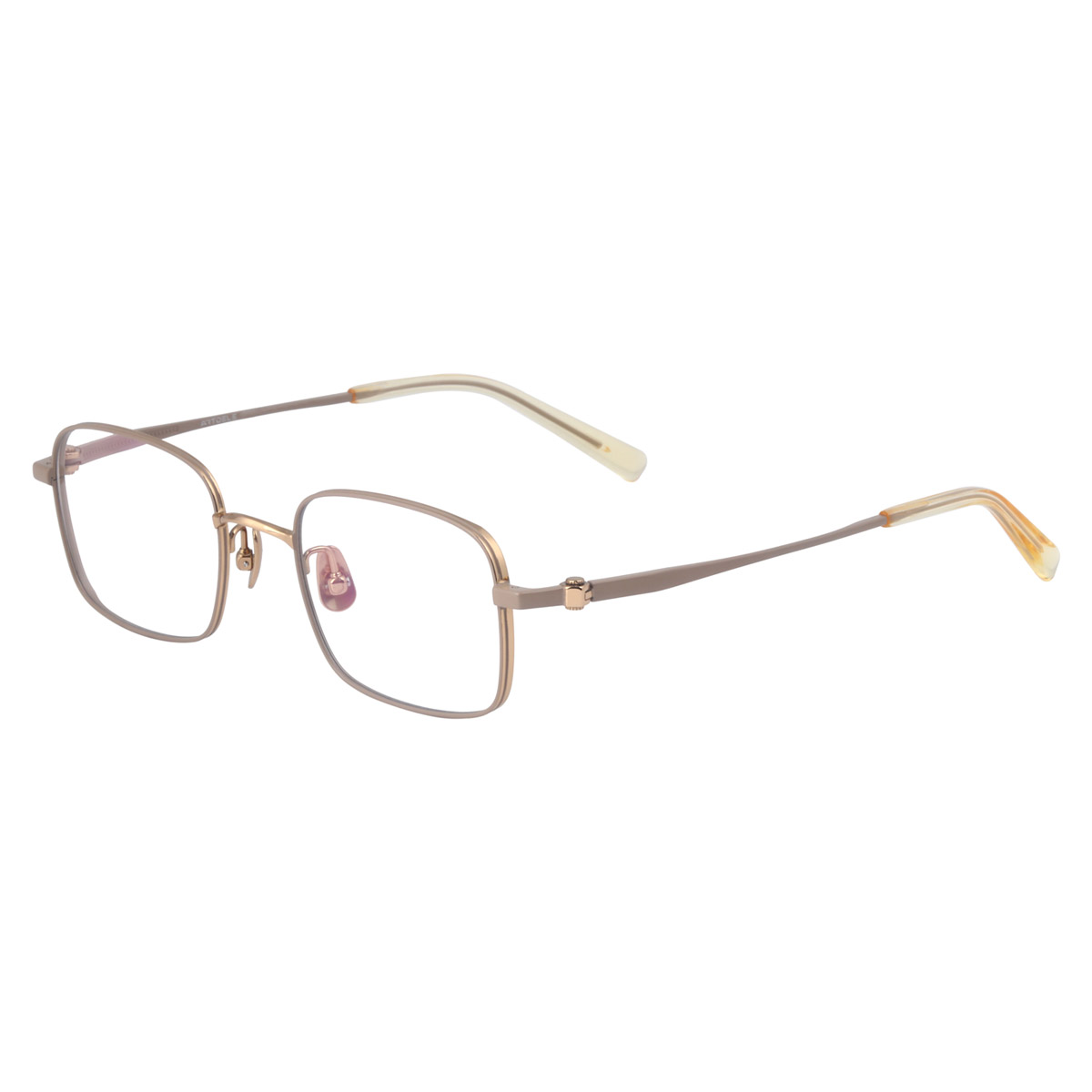
Frame geometry also affects performance. Smaller rounder frames keep the edge of a high-power lens closer to the optical center, which reduces thickness and weight. Oversized and wraparound designs add mass at the edges and can make high prescriptions unwieldy. Dispensers often steer high-prescription wearers toward compact shapes for exactly this reason.
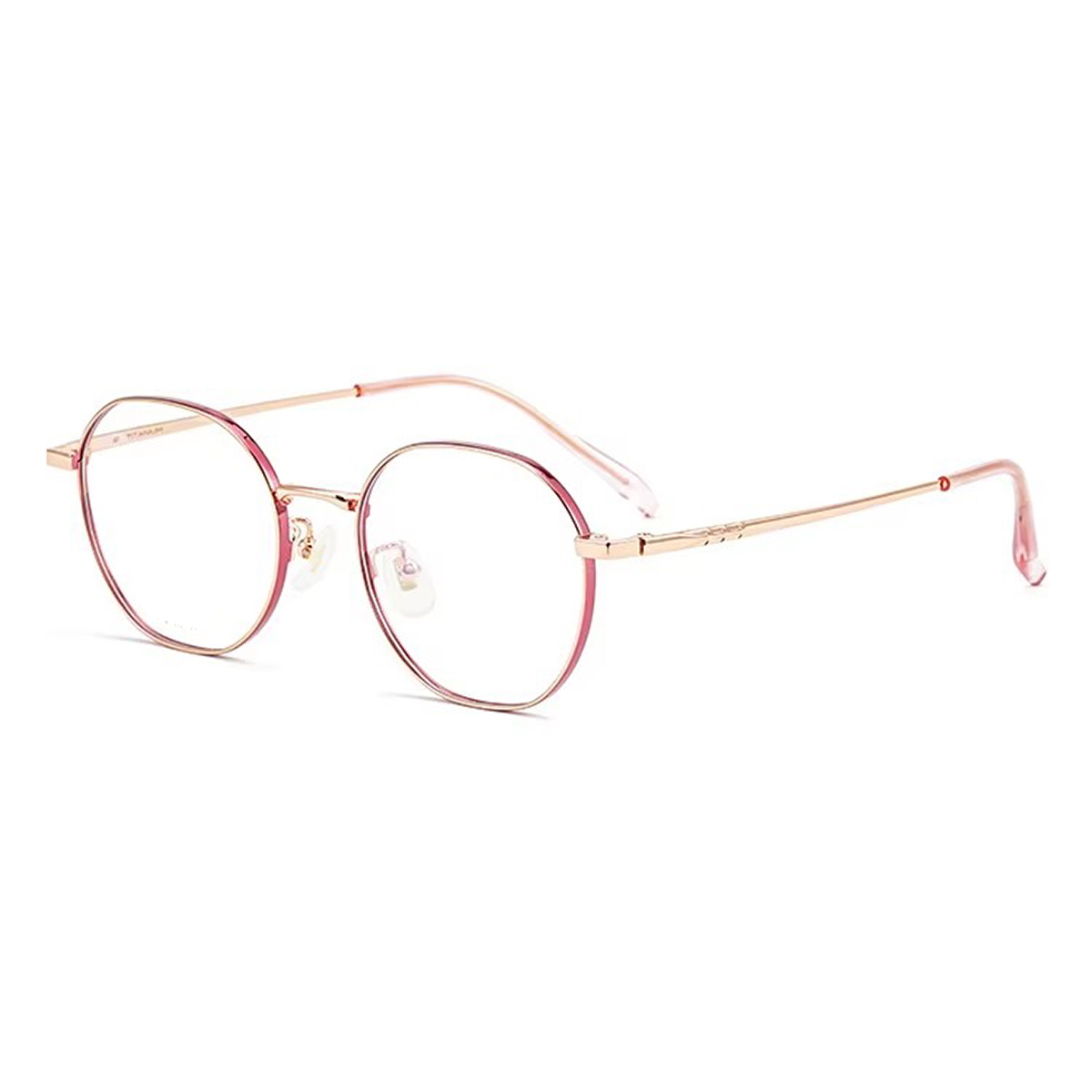
Weight is a daily comfort factor. A standard metal frame paired with thick lenses can feel heavy on the nose and ears after a few hours. Frame material changes that equation. Memory-rebound pure titanium optical frames are a strong choice for high-prescription wearers because titanium weighs about half as much as ordinary metals while remaining highly durable. The memory-rebound property also lets the frame return to its original shape after bending, keeping lens alignment stable over months of use.
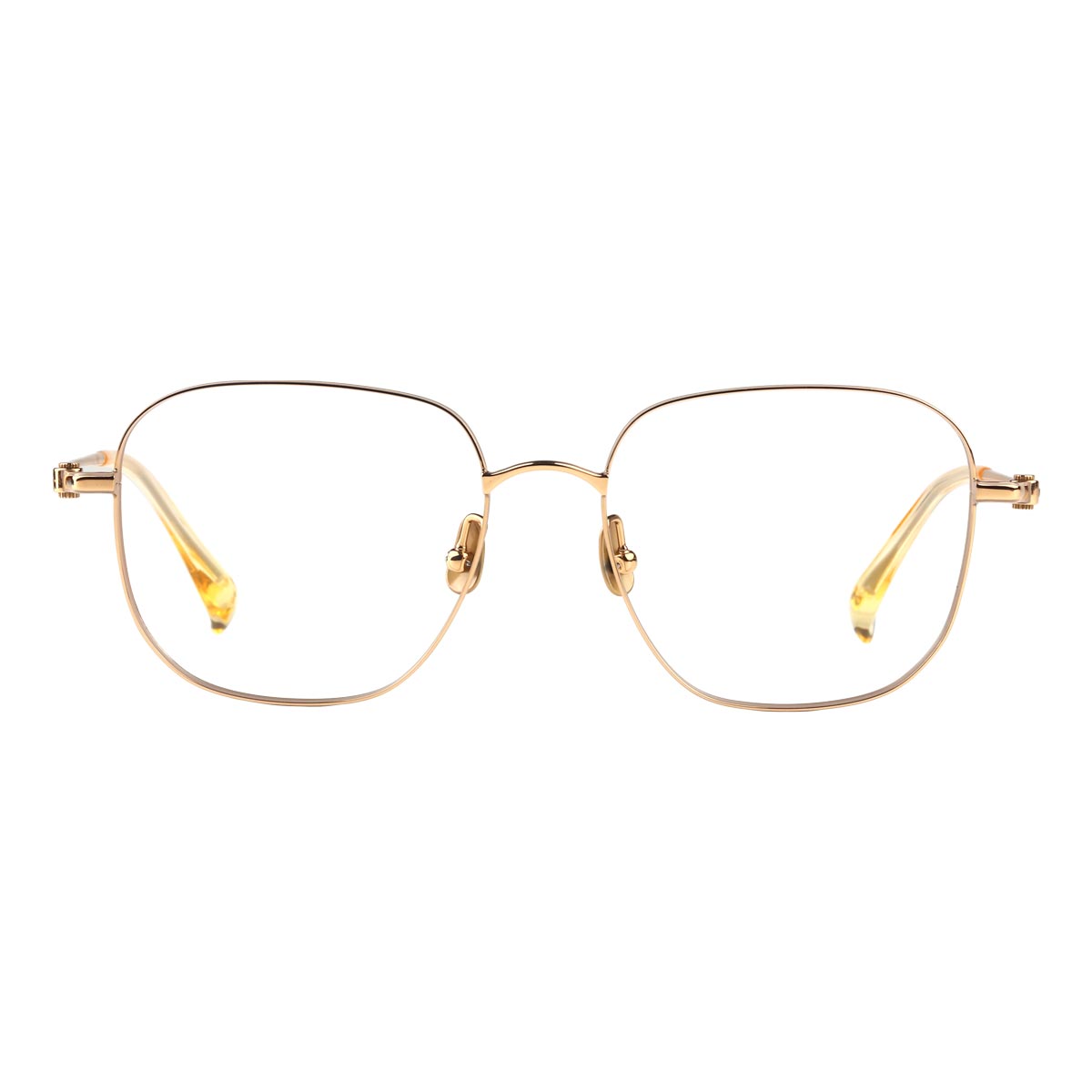 ODM memory rebound pure titanium optical glasses Manufacturers, Custom Factory -Qiliang Optical Technology Co., Ltd is China OEM/ODM ODM memory rebound pure titanium optical glasses manufacturers and custom factory, O...View Product →
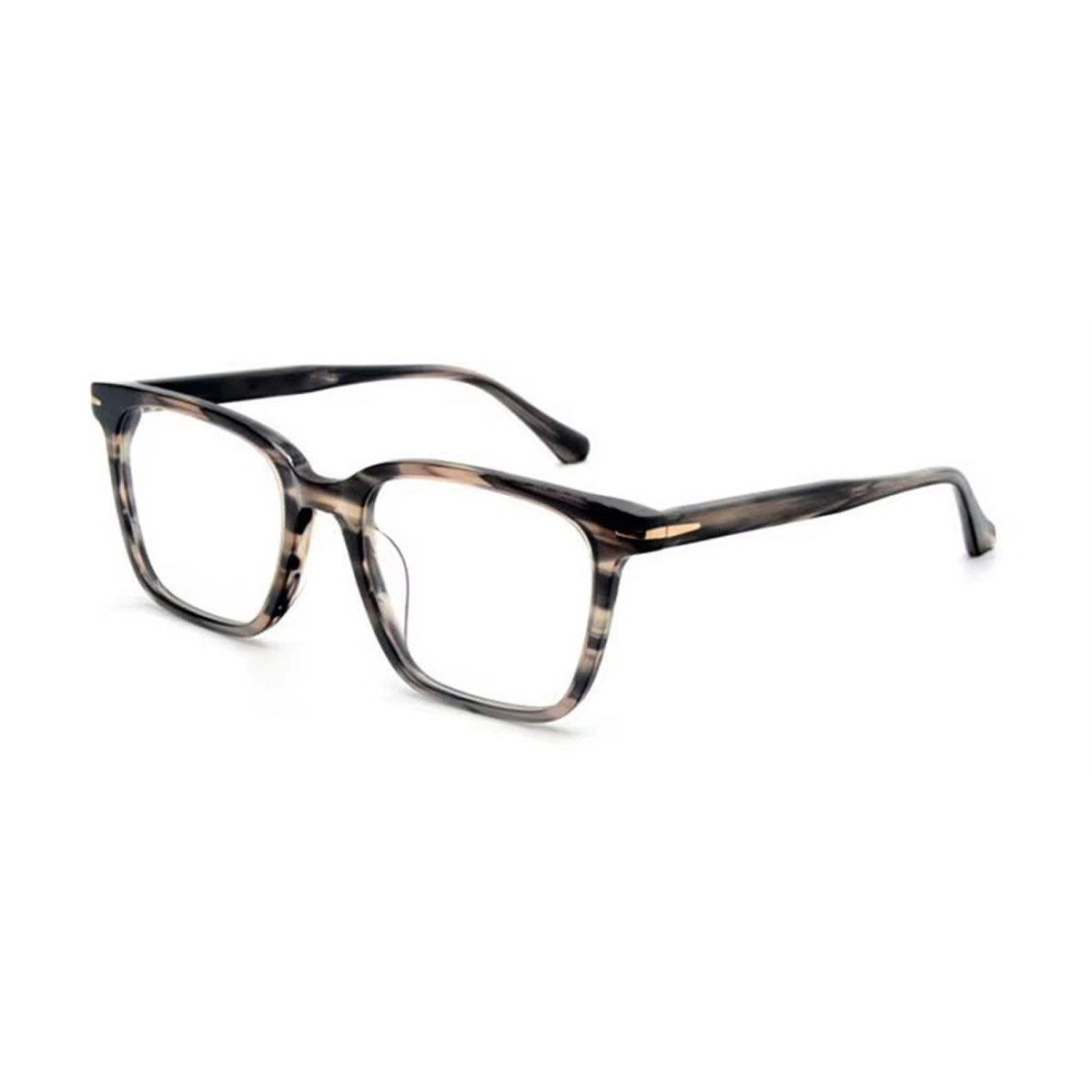
Finally, think about your environment. If you work outdoors, exercise regularly, or live in a humid climate, materials that resist sweat and corrosion will perform better over time. Sweat-resistant lightweight titanium-Ultem glasses pair titanium temples with Ultem, a high-performance thermoplastic valued for its low weight, heat resistance, and hypoallergenic properties. For anyone wearing strong prescriptions all day, a material that will not irritate sensitive skin or degrade through exposure is a practical necessity.
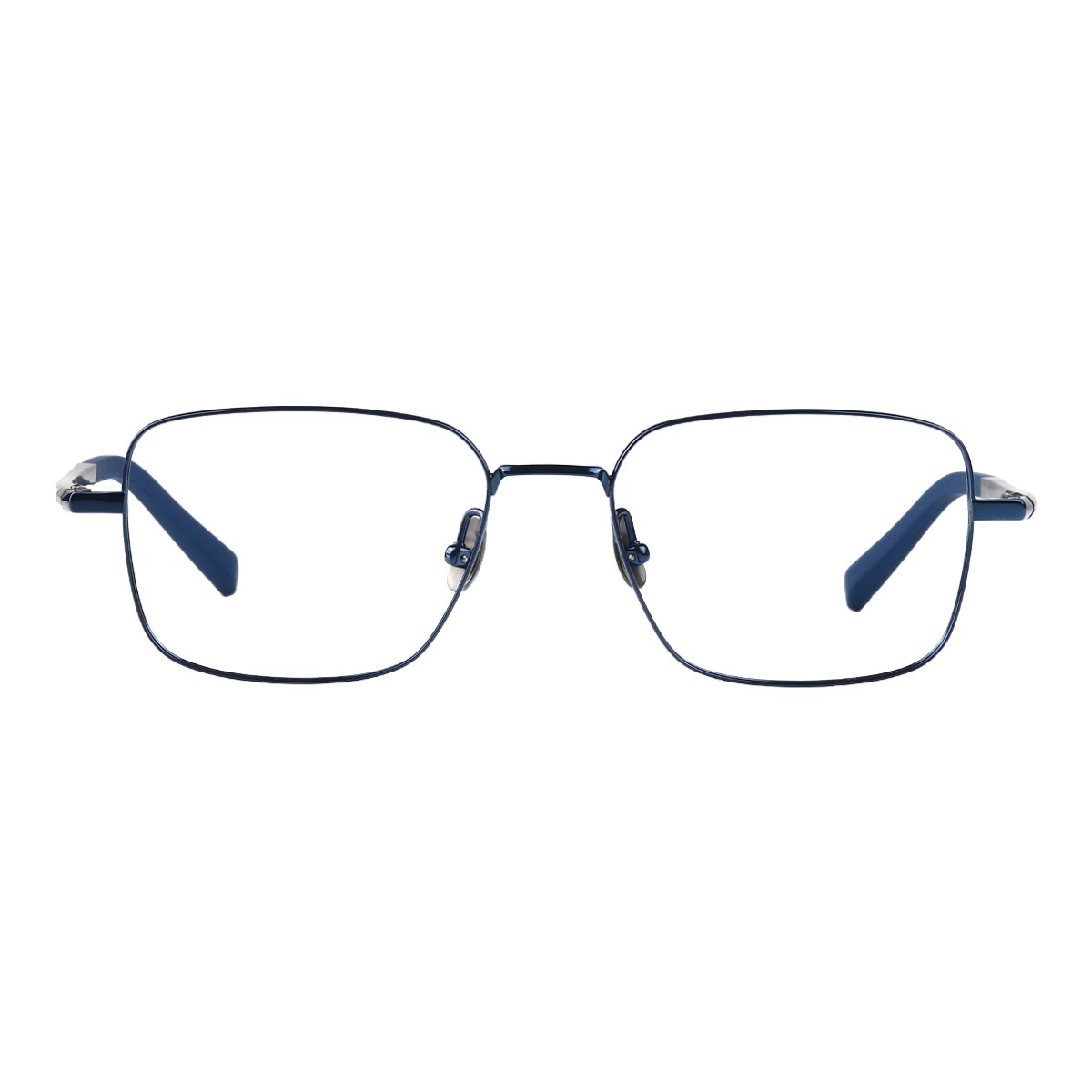 Lightweight sweat-resistant titanium ultem optical glasses Manufacturers, CustomQiliang Optical Technology Co., Ltd is China OEM/ODM Lightweight sweat-resistant titanium ultem optical glasses manufacturers and custom ...View Product →
The goal of any corrective eyewear is to maximize your best corrected acuity. A properly fitted frame, an appropriate lens material, and accurate pupillary distance measurement ensure you see as clearly as your prescription allows. That outcome — not the diopter figure on your form — is exactly what the legal blindness standard evaluates.
So, what glasses prescription is legally blind? The honest answer: none, by itself. In the United States, legal blindness means best corrected visual acuity of 20/200 or less in the better-seeing eye, or a visual field of 20 degrees or less. Your prescription strength describes the lens you need, but your legal status depends on how well that lens performs.
If you are concerned about your own vision, take one concrete step: schedule a comprehensive eye exam, ask for your best corrected acuity in writing, and if the result approaches 20/200, ask your doctor about low-vision services and legal resources. And if you simply wear a strong prescription, invest in frames and lenses that maximize clarity and comfort. The better your correction works, the less your prescription defines your sight.
NEWSLETTER

Copyright © Zhejiang Qiliang Optical Technology Co., Ltd. All Rights Reserved. OEM/ODM Rimless Glasses Frames Manufacturers


 Search
 EN
EN English
 Deutsch
 Français
 Español
 italiano
 cn
cn jp
jp kr
kr