 Search
 EN
EN English
 Deutsch
 Français
 Español
 italiano
 cn
cn jp
jp kr
krContent
What Is Bridge Width on Glasses?
Bridge width is the horizontal distance, measured in millimeters, between the inner edges of the two lens rims at the part of the frame that rests on your nose. Adult glasses frames generally range from 14 mm to 24 mm, and the most common everyday sizes fall between 16 mm and 19 mm. A difference of just 1 to 2 mm decides whether a frame stays centered, pinches your nose, or slides every time you look down, which is why fit specialists check this number before any other frame dimension.
Most frames print their measurements on the inside of the temple as a three-number sequence, such as "52-18-140". The first number is the lens width, the second is the bridge width, and the third is the temple length. In this example, the bridge is 18 mm.
Where to Find the Bridge Width on Your Glasses
The bridge width is the middle number in the size sequence stamped on the inside of the temple arm.
- Look for sequences like "52-18-140", "52 18 140", or "52/18/140"; the middle figure is the bridge width.
- The value is always in millimeters, usually between 13 and 24 for production frames.
- On some metal and titanium frames, the marking appears on the bridge itself or under a nose pad; on heavily worn frames, check the temple tip for a secondary print.
How to Measure Bridge Width at Home
You can measure bridge width in under a minute with a flat ruler marked in millimeters, and no special tools or apps are required. The most reliable approach is to measure the frame you already wear rather than your nose, because the final fit also depends on bridge shape and nose pad design.
Measure the Frame You Already Wear
Choose the pair that holds steady on your nose, then follow these steps:
- Lay the glasses flat with the lenses facing upward.
- Place a millimeter ruler across the bridge, between the innermost points of the two lens rims.
- Read the distance at the center of the bridge and compare it with the number printed on the temple.
For frames with adjustable nose pads, measure between the inner edges of the lens rims, not between the pads. The pads can be moved, but the bridge width of the frame is fixed. In optical fitting practice, a bridge within 1 mm of the ideal size is considered a match; a difference of 2 mm or more usually produces visible symptoms, so one careful reading is enough.
If You Do Not Have a Current Pair to Measure
If this is your first pair, start with a mid-range estimate of 17 to 18 mm for an average adult face, or 13 to 17 mm for a child, then wear the frame for about ten minutes before buying. Lean forward and turn your head during the test; if the frame stays in place and leaves no pinch marks, the bridge width is close enough.
Common Bridge Width Ranges and How They Fit
Bridge widths follow standardized industry ranges: 14 to 16 mm suits narrow noses, 16 to 19 mm suits average adult noses, and 19 to 24 mm suits wide or low bridges. Use the table as a starting point, then confirm with a short trial wear.
| Bridge width range | Which wearer it suits |
|---|---|
| 13-17 mm | Children and small or petite adult frames |
| 14-16 mm | Adults with a narrow nose and a higher nasal bridge |
| 16-19 mm | Average adult noses; the most widely produced range |
| 19-24 mm | Wider noses, low bridges, and sport or oversized styles |
The Difference Between a Low Bridge and a Narrow Nose
A narrow nose and a low nose bridge are two different fitting problems. A narrow, prominent nose holds a 14 to 16 mm bridge snugly. A low, flatter bridge needs a wider 19 to 21 mm bridge or adjustable nose pads so the frame has enough surface to rest on, even when the nose itself is average in width. Choosing by face width alone is the most common cause of persistent slipping.
Signs the Bridge Width Is Wrong
Two sets of symptoms appear within the first hour of wear:
- Too narrow: pinch marks or red indentations, the frame sits high on the nose, and the pressure builds into a headache by mid-afternoon.
- Too wide: the frame slides down, you push it up constantly, and the lenses sit lower than the center of your pupils.
The same bridge width logic applies to sunglasses, where fit also affects how well the frame blocks glare and peripheral light; our guide to sunglasses and eye protection covers these points in detail.
Why Bridge Width Matters for Comfort, Stability, and Vision
A bridge that is off by even 1 to 2 mm does more than annoy; it affects comfort, stability, and optical performance. Correct bridge width spreads frame weight evenly, keeps the optical center of each lens in front of the pupil, and removes the constant small refocusing that a sliding frame causes. For medium and high prescriptions, even slight vertical shift of the lenses increases the prismatic effect, which makes an accurate bridge width more important, not less.
Bridge Designs and How They Change the Fit
The bridge style changes how a given width feels on the nose:
- Saddle bridge: a broad, continuous surface that spreads weight over a large area; typical of acetate frames. Because it is rigid, the printed width must be accurate at purchase.
- Keyhole bridge: a narrower contact area with a small, vintage-inspired cutout; it holds securely but needs the width to be close to exact.
- Adjustable nose pads: found on most metal and titanium frames; the pads can be opened or closed by about 2 to 3 mm, giving useful tolerance when the bridge width is slightly off.
Frame Material Affects the Tolerance
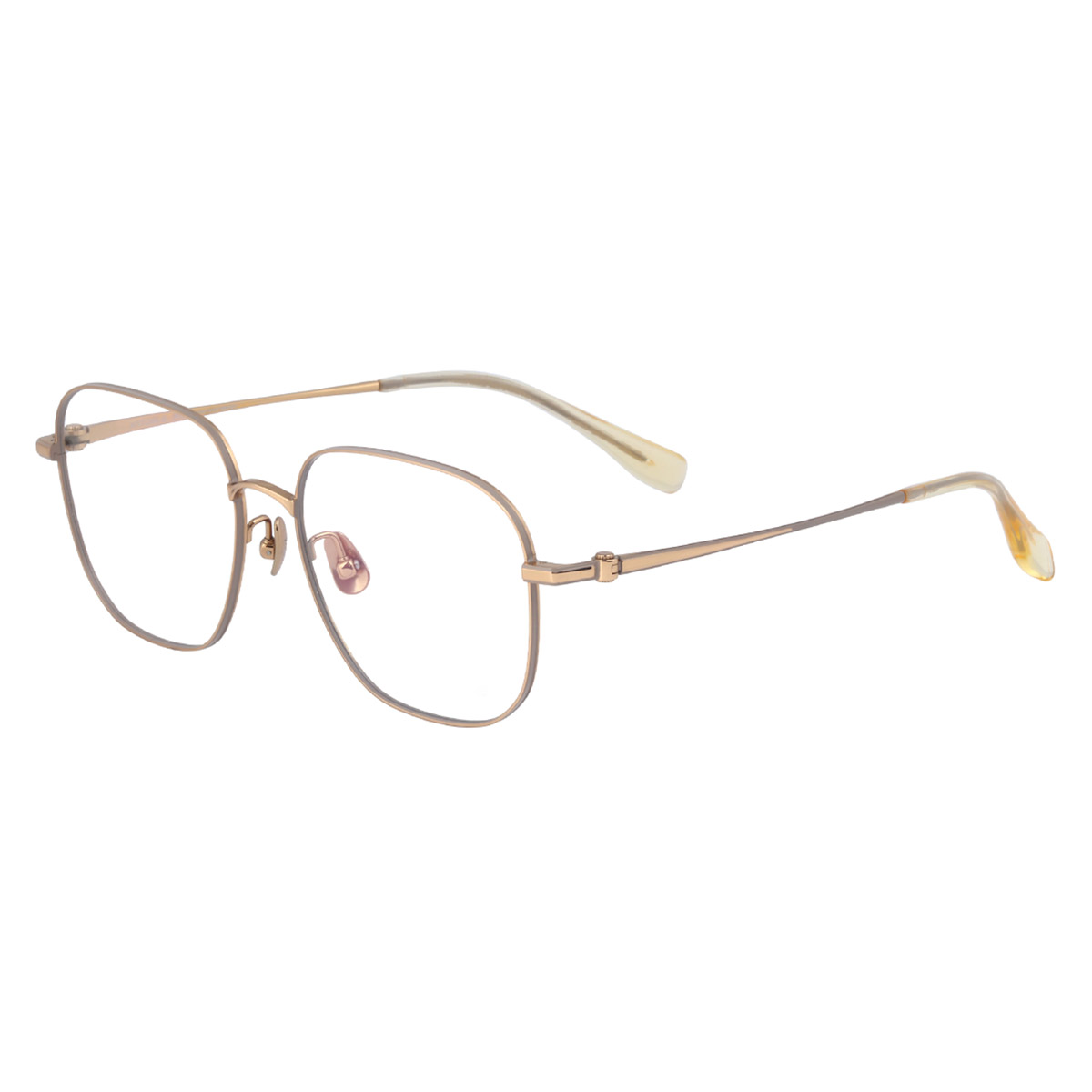
The frame material decides how strictly the bridge width must match. Acetate and rigid plastic bridges cannot be adjusted, so the size number has to be right at the point of sale. Titanium frames are lighter and usually come with adjustable nose pads, which is why people who sit between two bridge sizes often fit better in a titanium frame. In our production experience, ergonomic full-frame pure titanium optical frames are the safest recommendation when the customer's bridge falls between standard sizes.
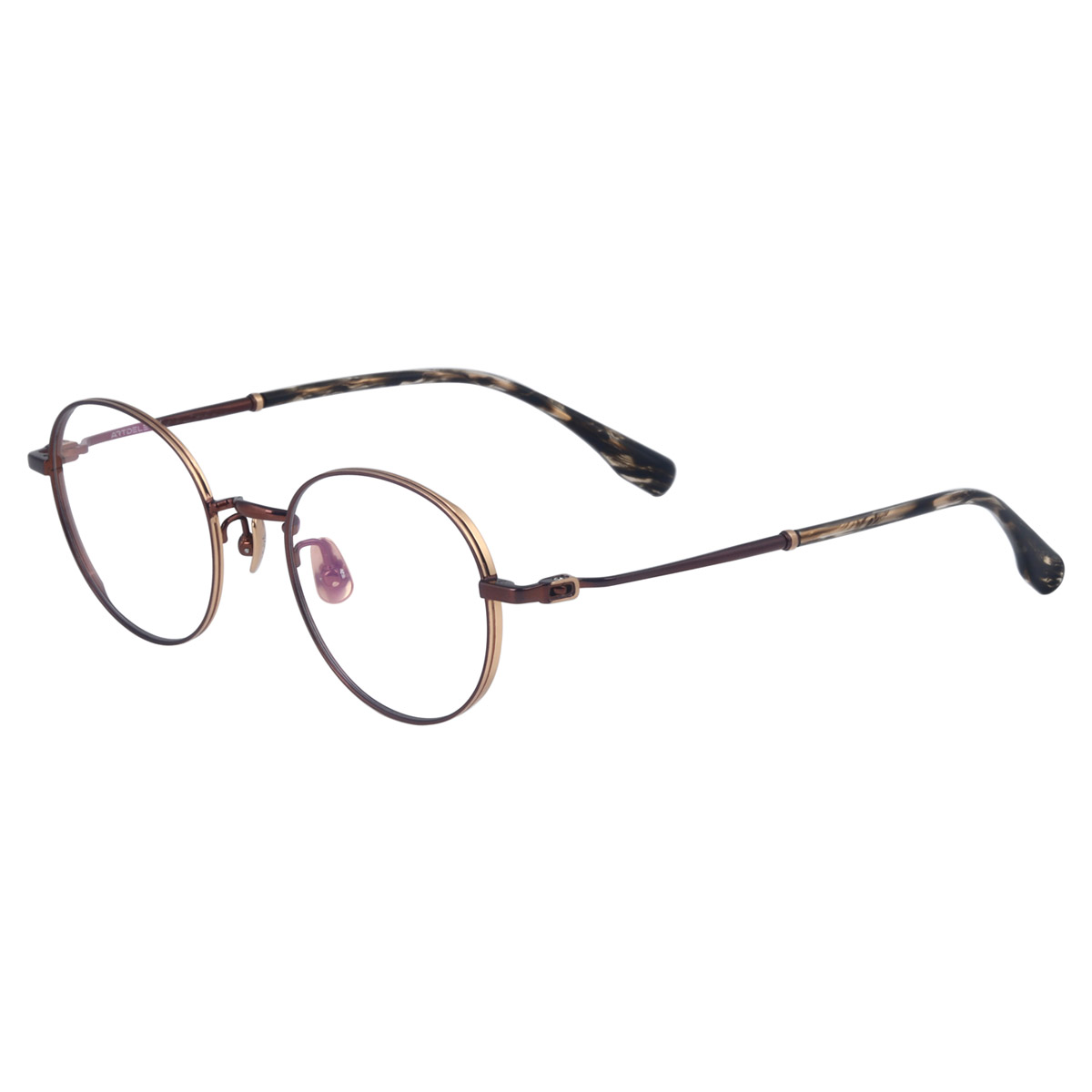
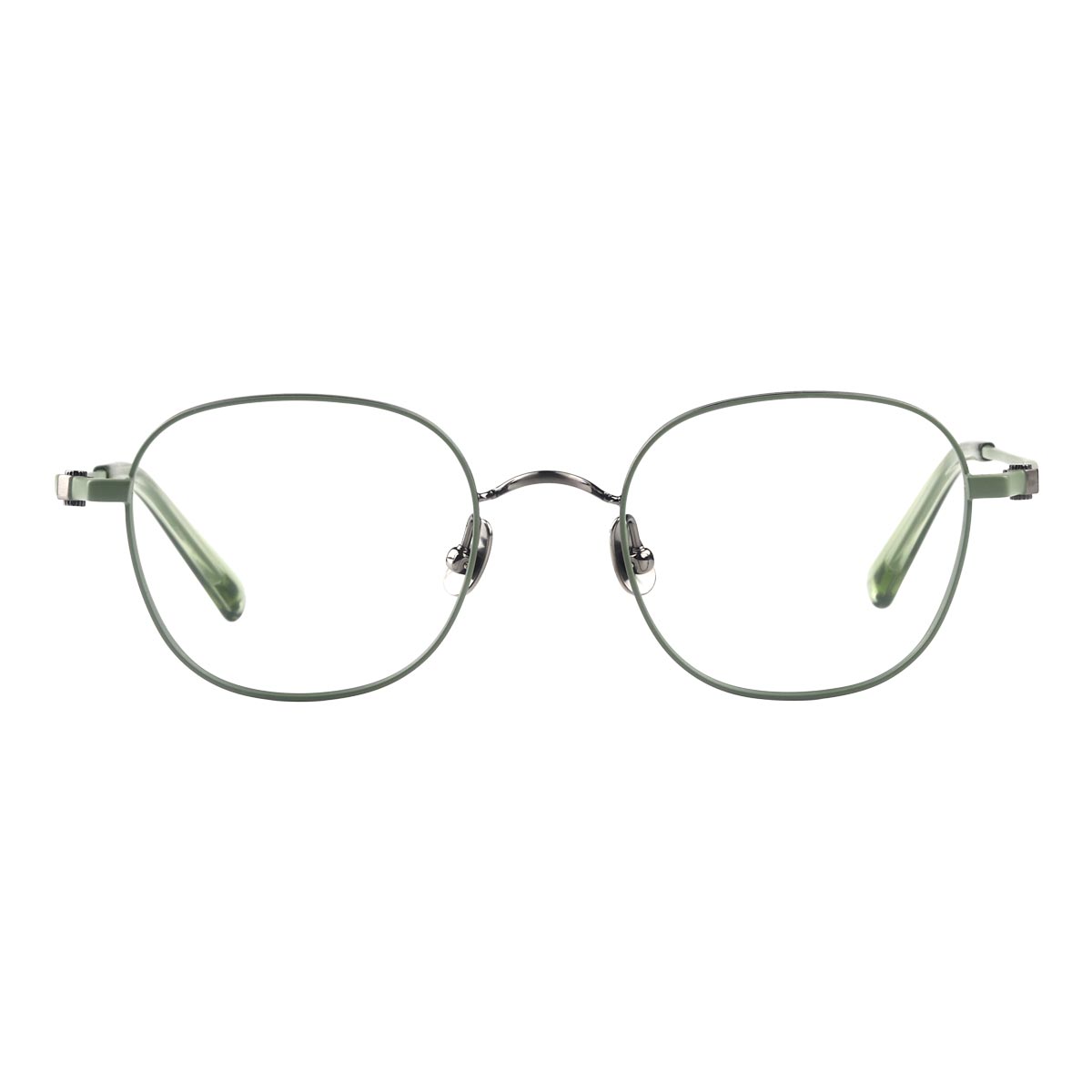 Full frame ergonomic pure titanium optical glasses Manufacturers, Custom FactoryQiliang Optical Technology Co., Ltd is China OEM/ODM Full frame ergonomic pure titanium optical glasses manufacturers and custom factory,...View Product →
How to Choose the Right Bridge Width When Buying Glasses
Buying Your First Pair
If you have no previous glasses to reference, choose a 17 to 18 mm bridge for an adult and run the ten-minute wear test before committing. For children, prefer adjustable frames and re-measure every 12 to 18 months, because the nose bridge grows quickly during school years.
Replacing a Pair or Buying Online
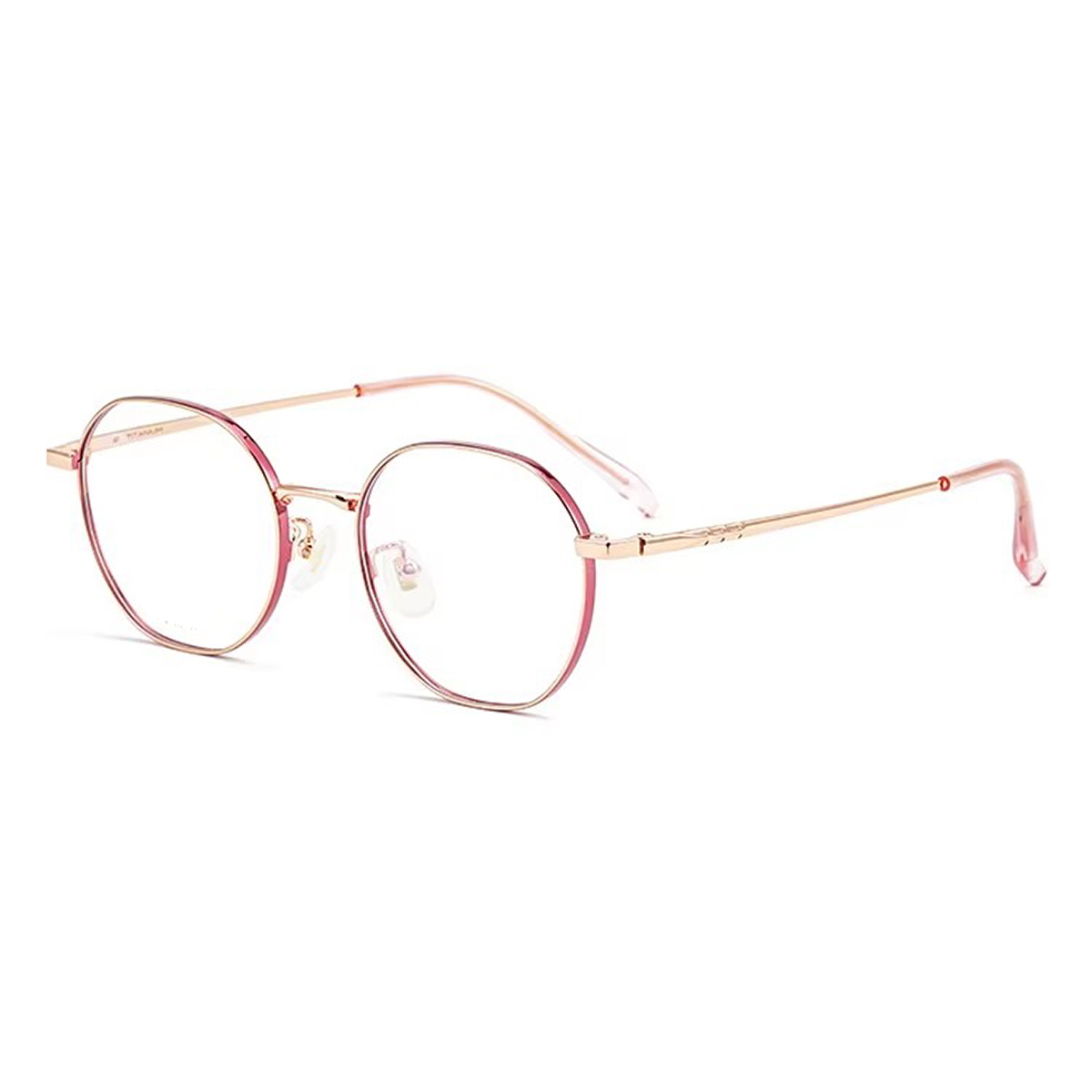
Take the three printed numbers from the most comfortable pair you already own and use them as your base specification. If that pair slips, increase the bridge width by about 2 mm in the next frame; if it pinches, reduce it by 1 to 2 mm. A 2 mm error in bridge width is the most common reason online frames get returned, because moving up or down one printed step changes the fit noticeably. When sliding is the main complaint, frames built to resist movement, such as anti-slip dual-mode metal-TR optical glasses, solve the problem at the frame level rather than through repeated adjustments.
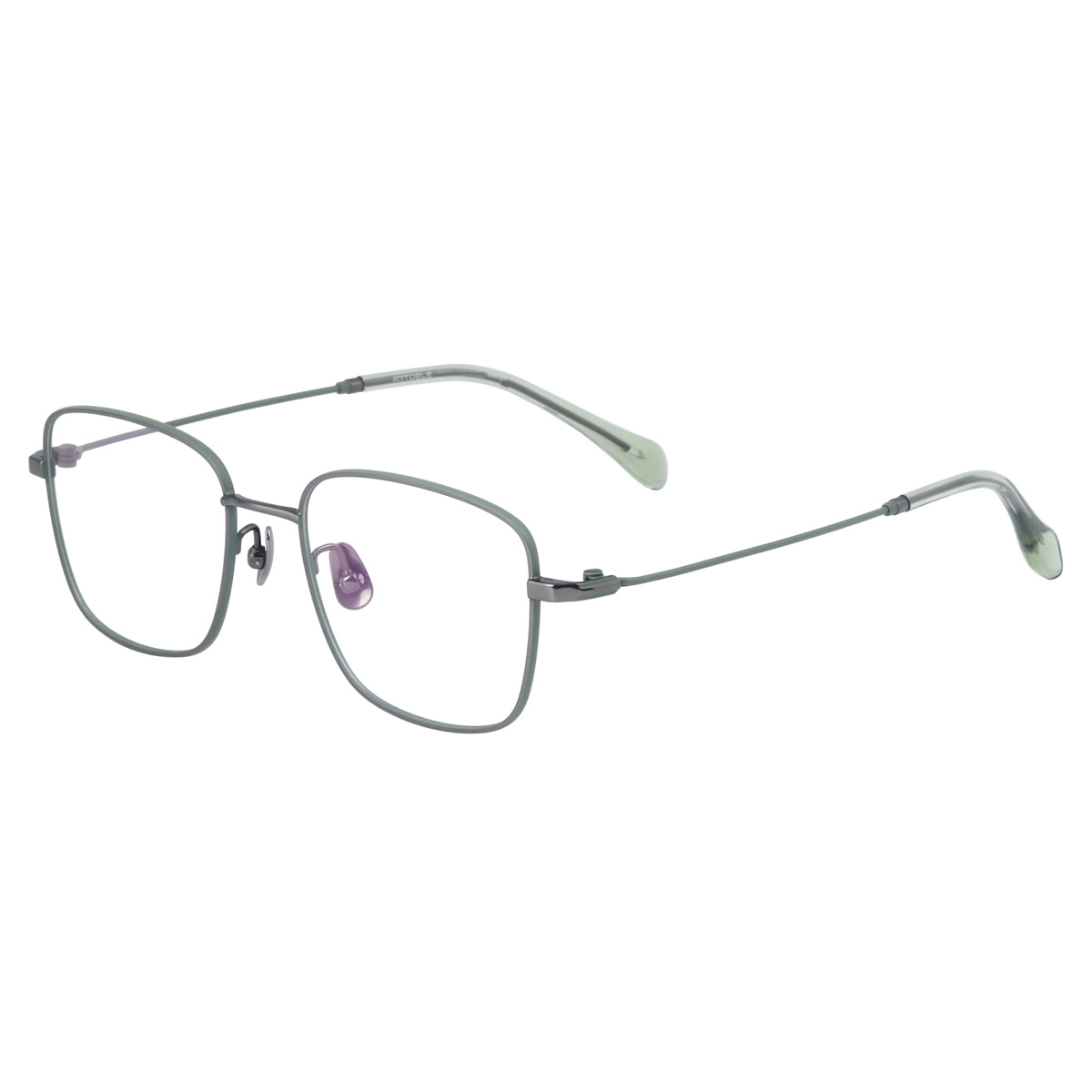
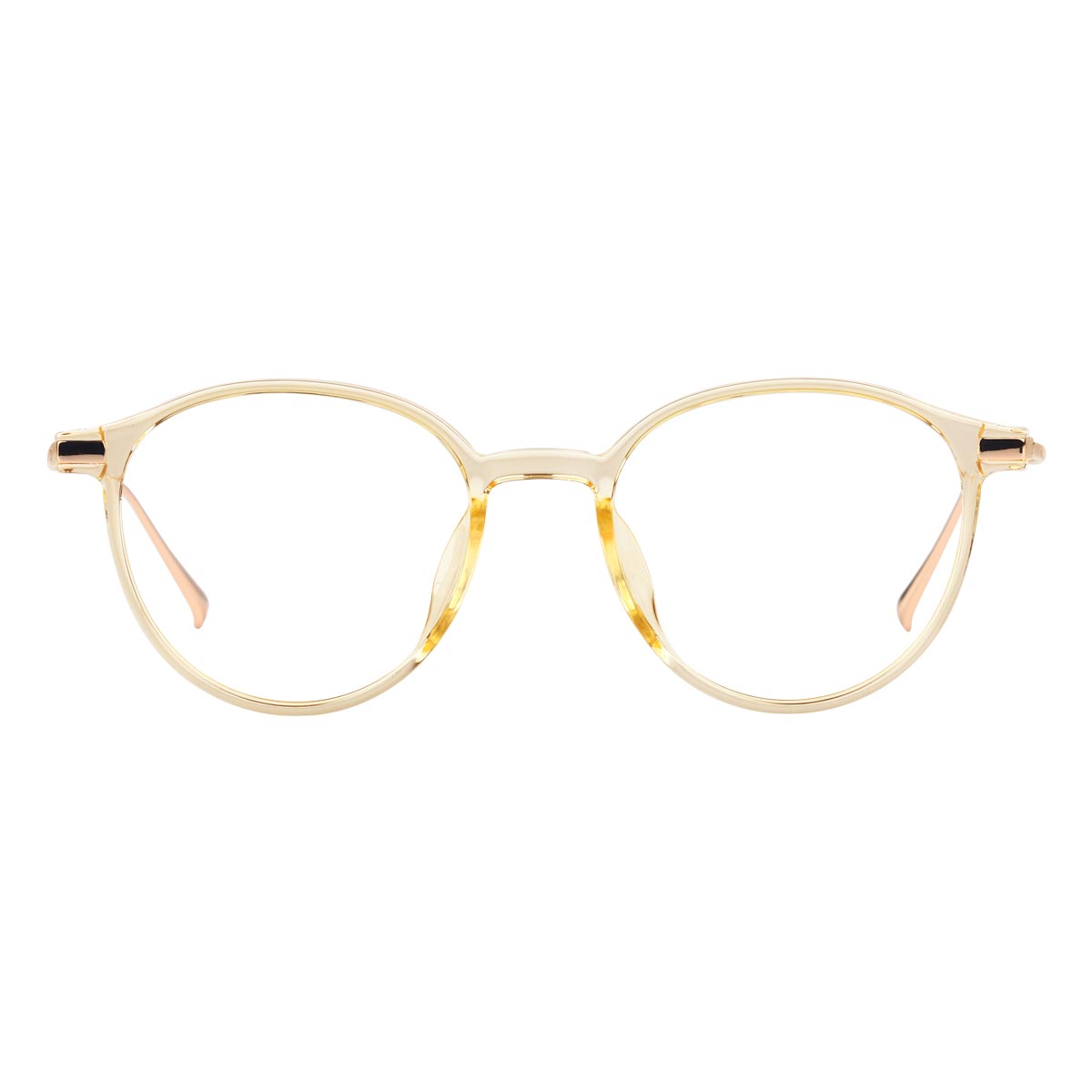 Anti-slip and shock-resistant dual-mode metal TR optical glasses Manufacturers, Qiliang Optical Technology Co., Ltd is China OEM/ODM Anti-slip and shock-resistant dual-mode metal TR optical glasses manufacturers and c...View Product →
Ordering Custom, OEM, or Children's Frames
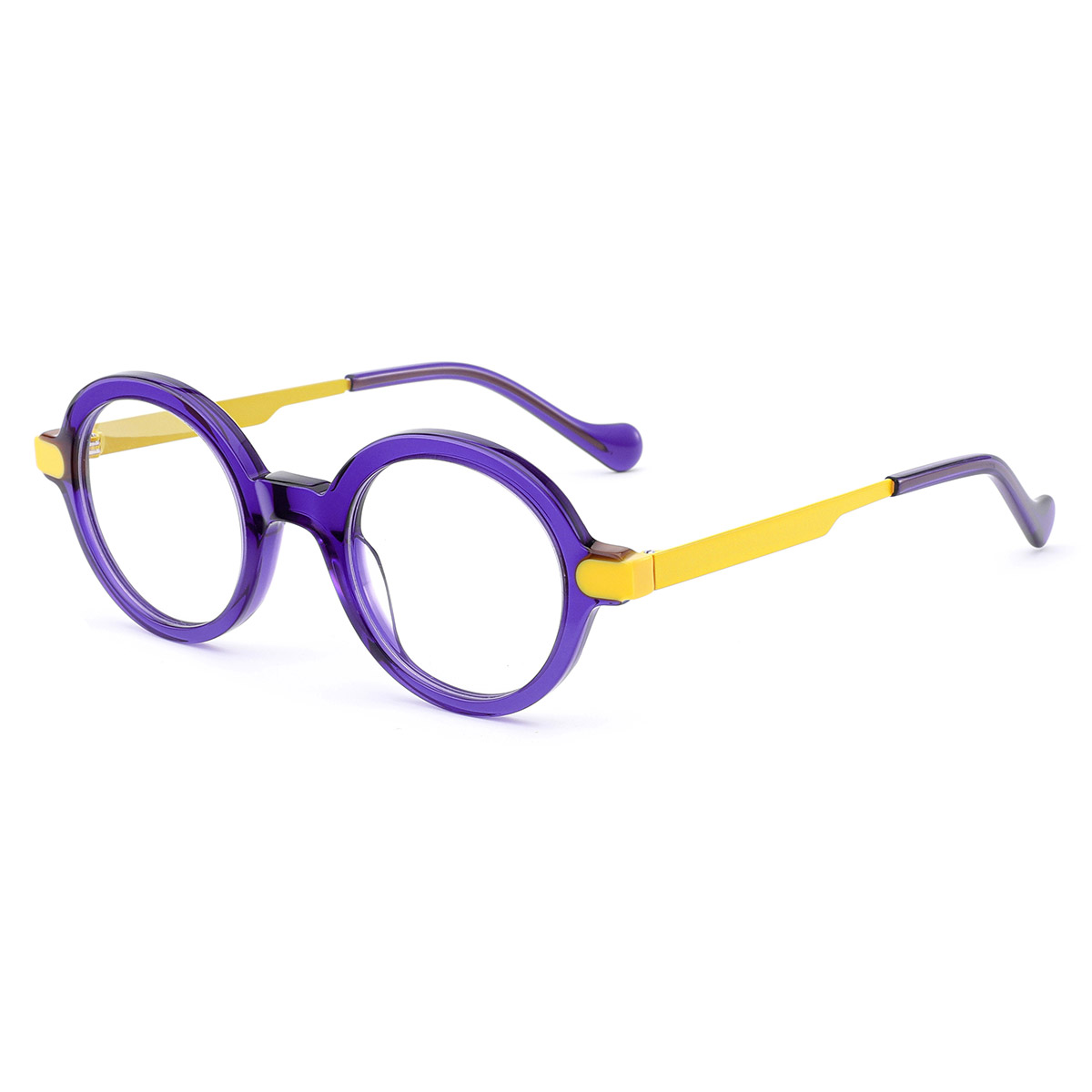
For optical brands, chain retailers, and procurement teams, bridge width is a specification confirmed before tooling, and it is fully customizable in OEM and ODM programs. Manufacturers produce bridge widths from about 13 mm to 24 mm in 1 mm steps and combine them with saddle, keyhole, or adjustable nose pad designs. At our facility, the bridge width and pad style are fixed during the design stage of each new model. For children's lines, adjustable plate children's optical glasses extend the usable life of the product by adapting to a growing nose bridge. Reading glasses use the same sizing logic, and our reading glasses selection guide covers the practical details. For more fit guidance and company updates, follow our eyewear news and updates.
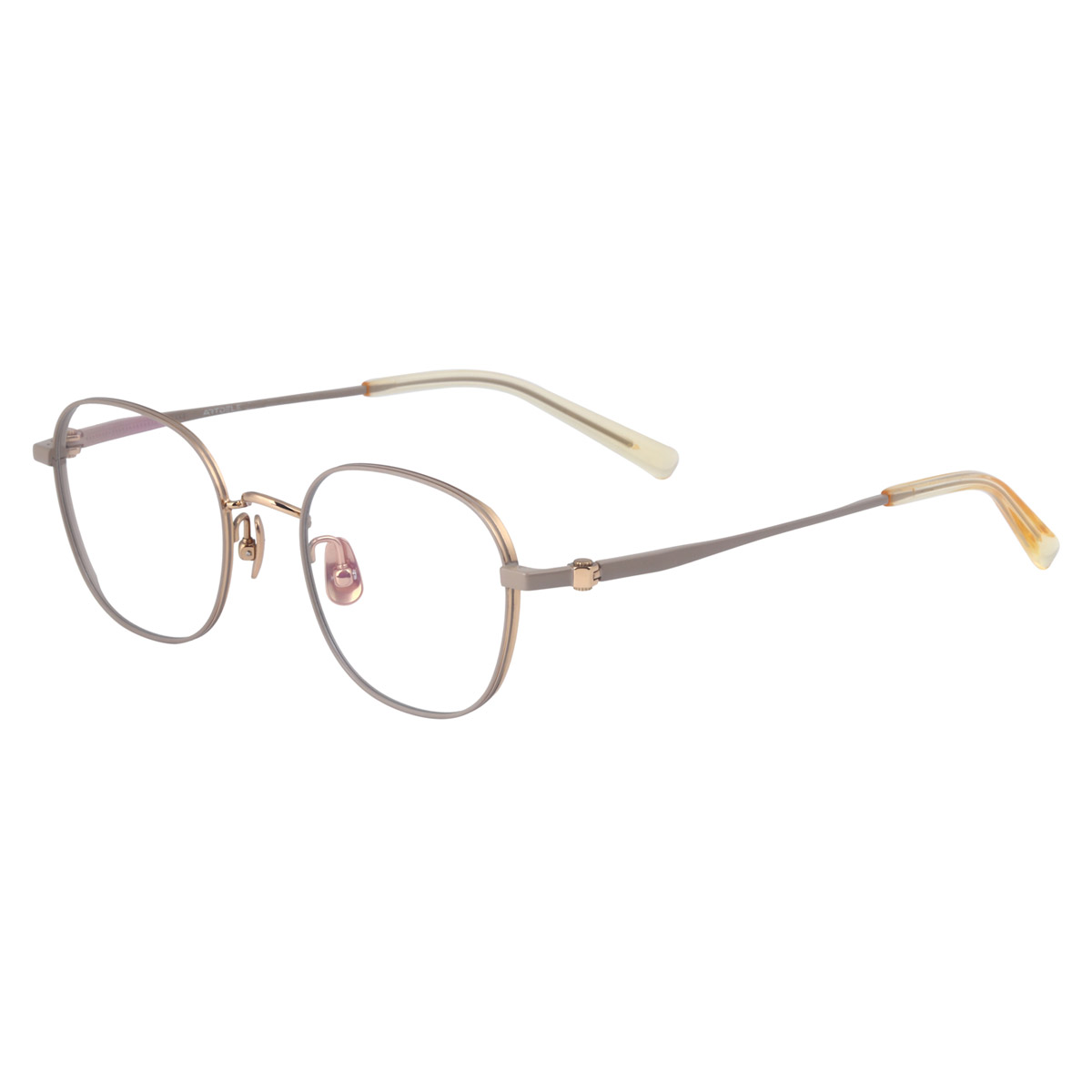
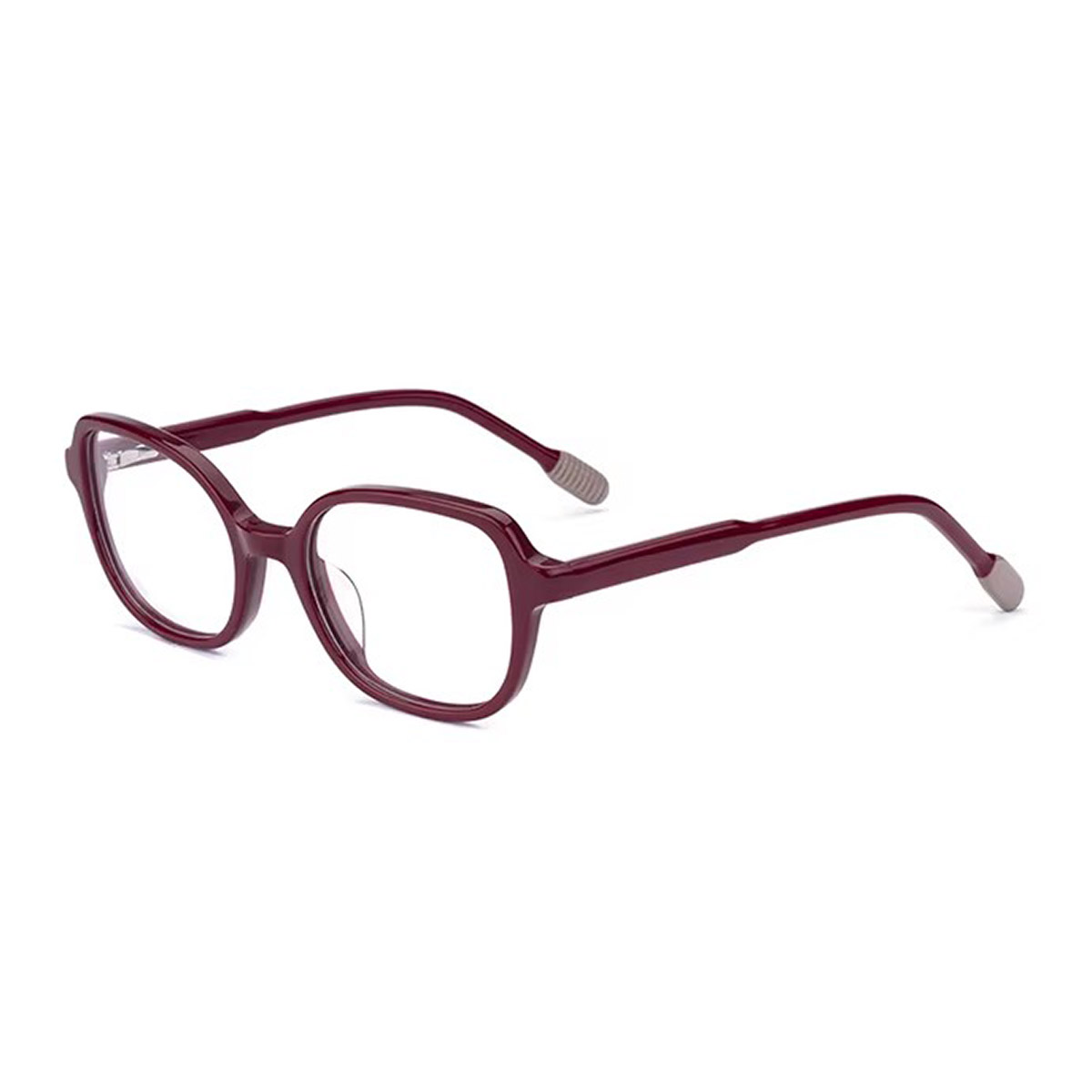 Environmentally friendly plate adjustable square children's optical glasses ManuQiliang Optical Technology Co., Ltd is China OEM/ODM Environmentally friendly plate adjustable square children's optical glasses manufact...View Product →
Frequently Asked Questions About Bridge Width
What does bridge width mean on glasses?
Bridge width is the distance in millimeters between the inner edges of the two lenses, across the part of the frame that rests on the nose. It is the second number in the frame size printed on the temple.
What is the most common bridge width for adults?
Around 17 to 18 mm. The 16 to 19 mm band covers the majority of adult production frames, while children's frames typically sit between 13 and 17 mm.
How do I know if my bridge width is too big?
The glasses slide down your nose, you push them up repeatedly, and the lenses settle below your pupils. Try a frame with a bridge about 2 mm smaller, or one with adjustable nose pads.
Can nose pads fix a bridge that is slightly off?
Adjustable nose pads can compensate for roughly 2 to 3 mm of bridge mismatch on metal and titanium frames. Saddle and keyhole bridges are fixed and cannot be tuned after production.
Does bridge width matter for sunglasses and reading glasses?
Yes. Sunglasses, reading glasses, and optical frames all use the same three-number sizing system, and the bridge width affects stability and comfort in exactly the same way.